Is Your Garage’s Electrical System Safe?
That flickering light or buzzing outlet isn’t just annoying-it’s a warning sign. I’m here to walk you through the common electrical hazards in your garage and show you exactly how to fix them.
We will cover overloaded circuits, damaged wiring, missing GFCI protection, and the hidden dangers of extension cords.
My advice comes from two decades of hands-on work in home garages, troubleshooting these exact problems with my own tools.
What Are the Most Common Electrical Hazards in Your Garage?
After years of working in and on garages, I’ve seen the same handful of problems show up again and again. They usually start small and get ignored until they become a real threat. Here are the top hazards I tell every homeowner to watch for.
The biggest risks come from outdated wiring, overloaded circuits, and well-meaning but dangerous DIY fixes. I’ve opened up walls in older homes to find cloth-insulated wiring that crumbles to the touch, which is a fire waiting to happen.
Many garages have only one or two circuits, but we plug in freezers, power tools, and battery chargers all at once. This overloads the system, causing wires to overheat inside your walls.
People often use extension cords and power strips as a permanent solution because adding an outlet seems hard. I once found a single outlet feeding four daisy-chained power strips running a fridge, a workbench, and a dust collector. The plug was almost too hot to touch.
We store our most flammable stuff in the garage: gasoline for the mower, paint thinners, aerosol cans, and even propane tanks. Placing these near a faulty outlet or a tool that sparks is like storing a match next to a fuse.
Finally, there’s the risk of improper DIY wiring. I’ve seen outlets wired with the wrong gauge of wire, connections made with electrical tape instead of wire nuts, and outdoor fixtures installed without proper weatherproof boxes. This isn’t just against code; it’s a direct threat to your home and family.
Outdated and Overloaded Wiring Systems
You can often spot old wiring without tearing into your walls. Look for two-prong outlets instead of modern three-prong ones. If you have a metal breaker box, pull the cover off (carefully) and look at the wires entering it. Cloth-covered wiring or wires with a brittle, black rubber coating are past their prime. Another outdated type is aluminum wiring, used in the 60s and 70s, which can loosen at connections and overheat. If you see any of this, it’s time to call a pro.
An overloaded circuit simply means you’re asking one electrical pathway to power more than it was designed to handle. Think of it like a garden hose. If you try to run five sprinklers off one hose, you get weak water pressure. With electricity, you get heat. If your garage lights dim when your table saw starts, or if the breaker trips every time you run the air compressor and the shop vac together, that circuit is overloaded.
The Permanent Temporary Fix: Extension Cords and Power Strips
Let’s answer this directly: extension cords and power strips are for temporary use only. They are not designed to handle the constant electrical load of appliances or shop tools. The plastic and internal wiring can degrade and overheat. I only use heavy-duty cords rated for outdoor use, like a Southwire or Coleman cable, because their jacket is thicker and can handle garage temperatures. Additionally, I follow safety guidelines for power extension cords in garages.
Follow these simple rules for safety: never run a cord under a rug or where it can be pinched, never daisy-chain power strips (plugging one strip into another), and always plug high-wattage tools like space heaters directly into a wall outlet. If you need more outlets, having a licensed electrician install a proper garage sub-panel is the right, safe investment.
Flammable Materials Meet Electrical Sparks
Your garage likely contains more fuel than you realize. The main culprits are:
- Gasoline and kerosene (for lawn equipment)
- Oil-based paints, stains, and paint thinners
- Aerosol cans (paint, lubricant, cleaning products)
- Propane cylinders (for grills or torches)
- Fine wood dust or metal shavings from projects
Store these items in a dedicated, well-ventilated metal cabinet away from your electrical panel, outlets, and any appliance with a motor that could spark. I keep my flammables in a Eagle steel safety cabinet on the wall opposite my workbench. A good rule is to maintain at least three feet of clear space around your electrical panel and water heater, and keep flammables off the floor where fumes can pool. For a complete list of safe garage storage items, see our Safe Garage Storage Items Guide. It outlines containers, placement, and practical organization tips.
How Can You Spot the Warning Signs of Trouble?
You don’t need to be an electrician to be a good detective. Your senses are your best tools for catching problems early. Get in the habit of doing a quick scan when you’re in the garage.
Things You See: Flickering, Discoloration, and Trips
Your eyes will tell you a lot. Flickering or dimming lights, especially when a motor starts, are a classic sign of an overloaded circuit. Look closely at your outlets and switch plates. Any brownish or yellowish discoloration, or black marks around the plug slots, means arcing or overheating has occurred. That outlet needs to be replaced immediately.
If a circuit breaker trips frequently, it’s not being a nuisance-it’s doing its job by shutting off power before the wires overheat. Resetting it repeatedly is like removing the battery from a beeping smoke alarm. The trip is the warning. The solution is to reduce the load on that circuit or have it evaluated.
Things You Smell and Feel: Heat and Odd Odors
Your nose and hands are critical. The smell of burning plastic or a hot, metallic odor near an outlet or appliance is a five-alarm fire warning. If you smell it, turn off the power at the breaker and call an electrician.
Heat is a sure sign of resistance and trouble. Once a month, I do a quick safety check. With the power on, I gently use the back of my hand to feel the faceplate of outlets and the body of power strips. If any feel warm to the touch-not from the sun, but from electrical use-you have a problem that needs investigation. Never use the palm of your hand, as a shock could cause your muscles to contract and grip the hot source.
Your First Line of Defense: GFCI Outlets and Safe Practices
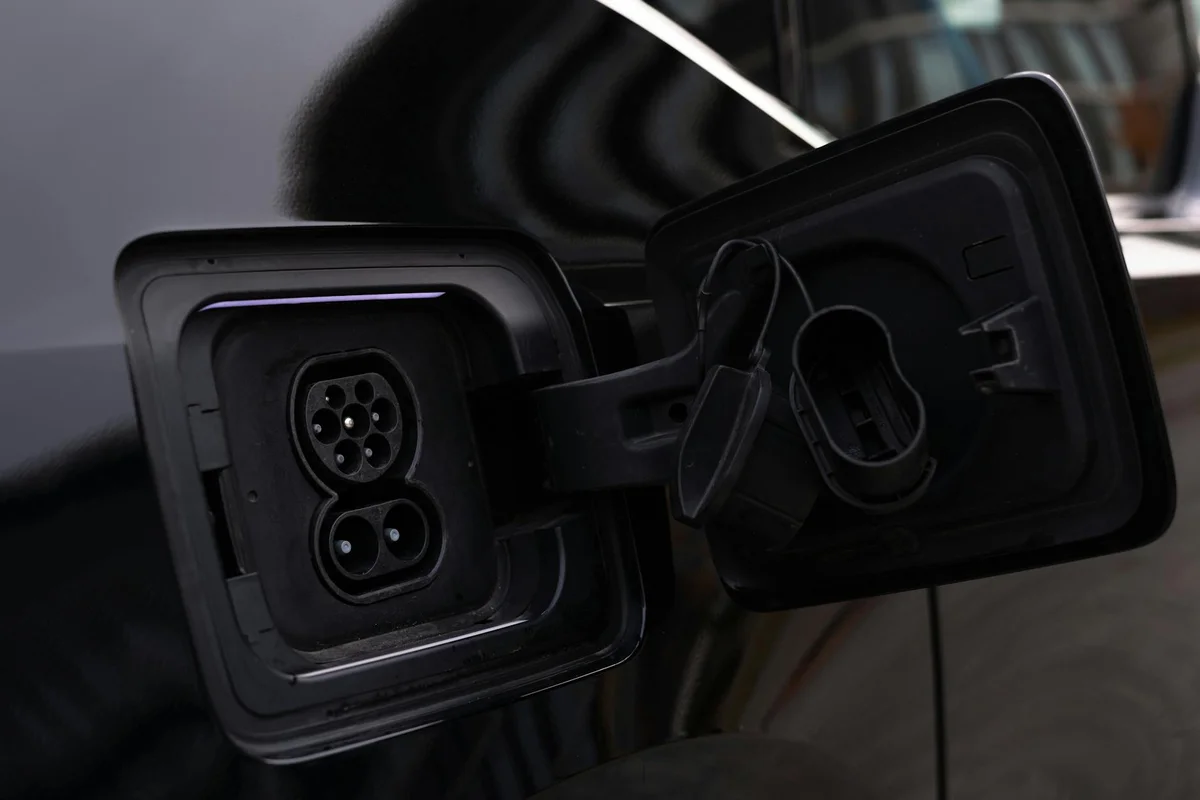
Let’s start with the most effective, immediate upgrade you can make. GFCI outlets are your garage’s guardians against electrical shock.
Why a GFCI Outlet is Non-Negotiable
Think of electricity like water flowing through two identical pipes. A GFCI is a sensitive guard watching both pipes. If it detects even a tiny imbalance-like a few drops leaking out (which could be flowing through you)-it shuts off the flow in a fraction of a second. This prevents a lethal shock. For any outlet in your garage, a GFCI is not just a good idea; it’s required by the National Electrical Code for all 125-volt, single-phase outlets. If your garage was built or updated in the last 25 years, it should already have them. If you have old two-prong outlets, upgrading is your top priority.
How to Test Your GFCI Outlets Monthly
A GFCI only protects you if it works. I test every one in my shop on the first weekend of the month. Here is my routine.
- Plug a lamp or radio into the outlet and turn it on. You should hear or see that it has power.
- Press the “TEST” button on the outlet. The connected device should immediately turn off, and the “RESET” button should pop out.
- Press the “RESET” button firmly until it clicks and stays in. The device should power back on.
If the device didn’t turn off when you pressed TEST, the GFCI has failed and must be replaced immediately. I pair this test with a quick visual check of the outlet faceplate for cracks or discoloration and a wipe-down with a dry cloth to keep it clean. This two-minute check is part of a solid garage maintenance habit.
Safely Powering Your Garage Door Opener and Tools
Your garage has two big power users: the door opener that runs daily and the tools you plug in for projects. Both need specific attention, especially when it comes to power costs for the garage door opener.
Garage Door Opener Dedicated Circuit
Your garage door opener motor pulls a significant surge of power when it starts. If it’s sharing a circuit with lights, a freezer, or a battery charger, that shared load can cause the circuit breaker to trip at the worst time. More importantly, that motor strain from low voltage can wear out the opener’s components years early. The right way is to have the opener on its own dedicated 15-amp or 20-amp circuit, running from your main electrical panel. The plug should be a standard outlet mounted on the ceiling near the motor unit, with a short, manufacturer-provided power cord plugged directly into it. I never recommend using an extension cord here; it’s a tripping hazard and a sign the outlet was placed in the wrong spot.
Tool and Battery Care
Corded tools need a quick safety inspection every single time you use them. Before you plug in, run the cord through your hands and look for cuts, cracks, or any exposed wire, especially near the plug. A damaged cord is a direct path to a short circuit or shock.
For your cordless tools, lithium-ion battery safety is critical. I learned this the hard way early on. Never charge a battery on a wooden workbench or near flammable materials. Always use the charger that came with the tool. I store all my spare and charging batteries in a dedicated metal cabinet. For an extra layer of safety, I keep each battery in its own LiPo-safe fireproof bag inside that cabinet. It might seem excessive, but I’ve seen what a thermal runaway can do.
The Gearhead’s Safety Checklist
You don’t need a lot of specialty gear to be safe. These are the items I keep within arm’s reach in my own garage.
- Non-Contact Voltage Tester: This pen-like tool beeps and lights up when it detects live voltage behind a wall or in a cord. I use a Klein Tools model because its audible alert is loud and distinct, even when I’m wearing hearing protection.
- Outlet Tester: This little plug with three lights tells you if an outlet is wired correctly. It’s a $10 lifesaver that checks for reversed polarity or a missing ground.
- Heavy-Duty Extension Cords: Skip the thin, household cords. For garage work, use a 14/3 gauge cord for most tools. For high-draw items like a space heater or air compressor, step up to a 12/3 gauge cord. The thicker wire (lower gauge number) prevents overheating.
- Fire Extinguisher: Mount a multi-purpose ABC-rated extinguisher near the door you exit from. Make sure everyone in the house knows where it is.
Choosing and Installing Safe Garage Lighting

When it comes to garage lighting, safety isn’t about picking the prettiest fixture. It’s about matching the right product to a harsh environment. People often ask me, “What’s the one thing I should know about garage lighting safety?” My answer is always the same: moisture and vibration are your main enemies, especially when it comes to storing electronics in your garage.
Avoiding Hazards with Fixtures and Bulbs
You cannot use a living room ceiling light in your garage. Indoor-rated fixtures lack the seals to keep out dust and humidity, which can lead to corrosion and short circuits inside the electrical box. I only install fixtures with a “damp location” or “wet location” rating, clearly marked on the packaging. For an unheated garage, this is non-negotiable. Planning an install of garage lighting? Choose only damp or wet-location fixtures for the job.
I made the switch to LED bulbs years ago and won’t go back. A traditional incandescent or halogen bulb gets hot enough to fry an egg. LEDs produce very little heat, which is critical when a fixture is near stored boxes, lumber, or chemicals. I use brands like Philips or GE for reliability and stick with the recommended wattage for the fixture.
Garage doors cause constant vibration that can shake light fixtures loose over time. A wobbly fixture means loose wire connections, and that creates arcing and heat. When I install a fluorescent LED shop light or a sealed ceiling fixture, I always secure it with all provided hardware, directly into a ceiling joist or a sturdy fan-rated brace, not just drywall. Check them twice a year to ensure nothing has worked itself loose.
How to Prevent an Electrical Fire in Your Garage

Preventing a fire means connecting the dots between everything we’ve discussed. It’s a system. The most common question I get is, “How do I stop an electrical fire before it starts?” You build habits and use the right gear.
Circuit Management and Clutter Control
Think of a circuit like a hallway. You can only fit so many people through it at once. Plugging a mini-fridge, a freezer, and a 120-volt welder into outlets on the same 15-amp circuit is a guaranteed overload. The breaker might trip, but repeated overloading heats the wires inside your walls. Know which outlets are on which circuit and spread the load.
Your main electrical panel needs breathing room. The National Electrical Code requires a clear space 36 inches wide, 30 inches deep, and 78 inches high in front of the panel. I can’t tell you how many panels I’ve seen buried behind bicycles and holiday decorations. This isn’t just a code issue; it’s a safety issue for you or a firefighter who needs to kill power in an emergency.
Essential Safety Gear: Detectors and Extinguishers
A standard smoke detector often fails in a garage because of dust and temperature swings. I install a heat detector instead. A heat detector, like the Kidde model I use, alarms when the temperature rises rapidly, giving you an early warning for a smoldering electrical fire that might not produce smoke right away. If your garage is attached to your house, also install a carbon monoxide detector there. CO is colorless and odorless, so to prevent carbon monoxide poisoning in the garage, keep the space well-ventilated and avoid idling engines inside.
Finally, have the right tool to fight a small fire. Mount a 5-pound ABC dry chemical fire extinguisher on the wall near the man door you use to enter the house. The “ABC” rating means it works on common combustibles, flammable liquids, and electrical fires. Check the gauge monthly and replace it if it’s been used or is over 12 years old.
When to Put Down the Tools and Call a Licensed Electrician
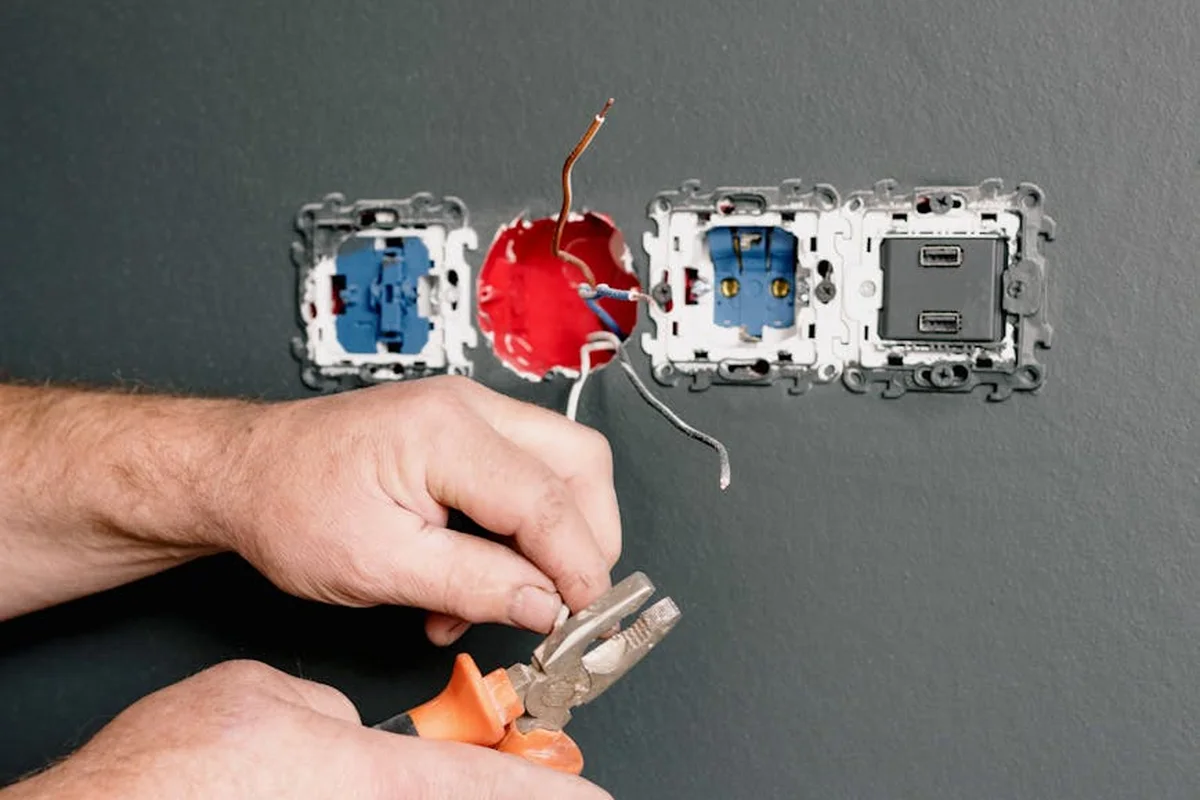
This is the most important part of any electrical discussion. My rule after twenty years is simple: if the job involves new permanent wiring or the main power source, you call a pro. Your safety and your home’s safety are not worth the risk of saving a few hundred dollars on a contractor. I’ve been in garages where a homeowner’s DIY wiring job caused a small fire that luckily only ruined their workbench. It could have been much worse.
Projects That Require a Professional
These are not suggestions; they are the law in most places and require a permit and inspection. Here’s my non-negotiable list:
- Running new wiring or circuits. This means fishing cable through walls, conduit, or attic space to add a new outlet or light. It’s not just about connecting wires; it’s about calculating load, using the right gauge wire, and securing it properly.
- Installing a sub-panel. If you need more circuits for tools, an EV charger, or a workshop, you might need a sub-panel. I see homeowners try to tap off an existing circuit, which is a surefire way to trip breakers constantly. A licensed electrician will size it correctly and connect it safely to your main panel.
- Upgrading your electrical service or meter. This is utility company and pro territory only.
- Any work inside your main circuit breaker panel. The danger here cannot be overstated. A mistake in the main panel isn’t just a shock hazard; it can be instantly fatal. Even replacing the panel itself is a major job with lifelong consequences if done wrong.
The risks of doing these yourself go beyond a spark. Improper installation can cause a slow-burning fire inside your walls, fail a city inspection (costing you more to fix), and most importantly, give your home insurance company a reason to deny a claim if something goes wrong.
When You’re Just Not Sure
If you’ve read this far and still feel a knot in your stomach about your project, that’s your answer. Pick up the phone. I tell my neighbors to call for an inspection if they have any doubt. A good electrician will come out, look at your garage’s current setup, and give you a straight assessment. They’ll check for things like proper grounding, overloaded circuits, outdated wiring like aluminum or knob-and-tube, and whether your current system can handle what you want to do. Think of it as a cheap insurance policy. They’ll also flag whether your garage wiring complies with current garage electrical code requirements. That way, you’ll know if permits or upgrades are needed.
Limitations: When NOT to Try This Yourself
This guide is for building your awareness and handling basic, safe maintenance like testing GFCIs or replacing a light switch cover. It is not a license to rewire your garage. If you see signs of burning, melting, or scorch marks on any outlet, switch, or wire, stop immediately and call a professional. Any project that requires you to open up a wall to access wiring is a job for them. Remember, working on a live circuit, especially in a panel, can kill you. There is no project in your garage that is worth that.
Garage Electrical Safety: Your Expert FAQ
What are the signs of faulty or overloaded electrical circuits in a garage?
Look for frequent breaker trips, lights that dim when a motor starts, or outlets/switch plates that are warm to the touch or discolored. These are clear warnings of overload or failing connections that need immediate attention to prevent overheating.
How can you safely use extension cords and power strips in a garage?
Use them only temporarily and never daisy-chain them. Ensure cords are heavy-duty (12/3 or 14/3 gauge) and rated for outdoor use. For any permanent power need, such as a workbench, hire an electrician to install proper outlets.
What are the risks of using outdated or DIY electrical wiring in a garage?
Outdated wiring like cloth-insulated or aluminum can overheat and fail. Unpermitted DIY work often violates code, creating hidden fire hazards and can void your home insurance. If you suspect it, get a professional inspection immediately.
How can you prevent electrical fires in a garage?
Manage circuit loads, keep all flammables in a sealed metal cabinet away from ignition sources, and maintain a 3-foot clear space around your electrical panel. Install a heat detector and a readily accessible ABC fire extinguisher for critical early defense.
What are the safety considerations for installing lighting in a garage?
Only use fixtures rated for “damp” or “wet” locations to withstand humidity and dust. Secure fixtures firmly to joists to resist vibration from the garage door. Always use cool-running LED bulbs to eliminate a major heat source near stored materials.
When should you hire a licensed electrician for garage electrical work?
Always hire a pro for running new circuits, installing a sub-panel, or any work inside the main breaker panel. If you see scorch marks, smell burning, or are simply unsure, put down the tools and make the call-it’s a non-negotiable safety investment.
Staying Safe with Your Garage Electrical System
The single best move you can make is to treat your garage’s electrical system like any other critical home system: inspect it routinely and address small issues before they become big problems. Keep these core practices in mind every time you work in your space:
- Visually check all cords, outlets, and lights every few months for damage.
- Ensure every outlet, especially near the floor, is a GFCI type to prevent shocks.
- Never chain extension cords or overload a single circuit with multiple high-draw tools.
- Keep flammable liquids and materials well away from electrical panels and devices, adhering to fire safety codes.
Research and Related Sources
- DSI.building.electrical.Residential Garage Wiring … – Saint Paul
- Electrical Safety and Your Garage – Indiana Electric Cooperatives
- Electrical Safety in Garages and Workshops | Thomas Edison Electric