
What Are the Garage Electrical Codes Every Homeowner Must Know?
Working on your garage’s electrical system can feel intimidating, but knowing a few key rules makes it safe and straightforward. I’ll translate the official code language into plain steps you can use in your own shop.
You’ll learn the practical, must-follow rules for outlet placement and types, proper lighting circuits, GFCI protection for every garage receptacle, and how your main panel and sub-panel should be set up.
My advice comes from years of hands-on garage projects and constantly checking my work against the latest National Electrical Code (NEC) book.
Garage Outlets: How Many, Where, and What Type
The code rule for garage outlets is built for convenience and safety. You need at least one receptacle for each vehicle bay. You also need one for every wall space wider than 2 feet. Think of it this way: no point along the wall should be more than 6 feet from an outlet. Installing these outlets correctly ensures they are both safe and functional.
This spacing means you can plug in a work light, a battery charger, or a shop vac without needing a dangerous, long extension cord snaking across the floor. I plan my layouts with this rule in mind, marking spots every 12 feet as a good starting point.
All 125-volt, 15 and 20-amp outlets in a garage must have GFCI protection. This is not a suggestion. Yes, garage outlets are required to be GFCI. The reason is water. Garages have concrete floors that can get damp, and you might wash your car or have a wet mop bucket. A GFCI outlet monitors for a ground fault and shuts off the power in a fraction of a second, preventing a severe shock.
You have two main choices for GFCI protection. You can install a GFCI outlet itself, like a Leviton or Eaton model, at the first receptacle on the circuit. This protects all the standard outlets downstream from it. I use a Klein Tools outlet tester to verify my wiring is correct after installation.
Your other option is a GFCI circuit breaker at the main panel, like those from Siemens or Square D. This protects the entire circuit from the source. I prefer GFCI breakers for garage circuits because they keep the protection at the panel, which is a cleaner setup and you don’t lose the GFCI function if one outlet fails.
Specific Rules for Receptacle Placement
The typical height for a garage receptacle is about 18 inches from the floor to the bottom of the outlet box. This keeps plugs off the damp floor and makes them easy to reach without bending over a workbench.
If you have a dedicated appliance, like a freezer or refrigerator, the rules can change slightly. An outlet serving only one appliance doesn’t always need to follow the “6-foot rule,” but it absolutely still requires GFCI protection. I always put my garage freezer on its own dedicated circuit with a GFCI breaker to prevent trips and protect the appliance.
Garage Circuits and Breakers: Powering Your Projects Safely
Your garage needs at least one dedicated 20-amp circuit just for the general use outlets on the walls. A dedicated circuit means nothing else in the house is connected to it. This prevents you from tripping the breaker in your kitchen because you turned on your orbital sander in the garage.
This separate 20-amp circuit is crucial. I’ve seen too many garages sharing a circuit with a bedroom or outdoor lights. When a homeowner tries to run a table saw, everything goes dark. A dedicated circuit gives your tools the consistent power they need.
You might also hear about arc-fault circuit interrupters (AFCIs). They protect against sparking in damaged wires. For most homeowners, the key is that AFCI protection is generally required for 120-volt, 15 and 20-amp circuits in living spaces above, not typically in an unfinished garage itself. Beyond that, garage fire code safety requirements address overall fire prevention—such as safe outlet placement and keeping flammable materials away from electrical equipment. Following these guidelines helps further reduce fire risk in both attached and detached garages. So, are arc fault breakers required in a detached garage? Usually, no. Are they required in an attached garage for the garage circuits? The code typically does not mandate them for the garage’s own receptacles. Always confirm with your local inspector, but in my experience, GFCI is the primary safety requirement in the garage space.
Garage Door Opener and Appliance Circuits
Your garage door opener should be on its own dedicated 15-amp circuit. It’s a motor that draws a surge of power when it starts. Having it on a shared circuit is a common cause of nuisance trips, especially when coupled with additional power demands from the motor.
Other appliances also demand their own circuits. Plan for a dedicated circuit for any of these:
- Standalone freezer or refrigerator
- Air compressor
- Welder
- Electric vehicle charger
- Heavy-duty workshop dust collector
A basic way to think about load is to add up the wattage of what you’ll run at the same time. A 20-amp circuit can handle 2,400 watts. A table saw might use 1,800 watts, leaving little room for a bright work light. This is why planning dedicated circuits for big tools is a smart, safe move from the start.
Garage Lighting: See Clearly and Work Safely

For safety, the National Electrical Code (NEC) is very specific. Your garage must have at least one wall-switch-controlled light outlet. This isn’t a suggestion, it’s a rule designed so you’re never fumbling for a pull chain or a lamp in the dark. This focus on proper lighting also helps prevent common garage electrical safety hazards, such as overloaded outlets or exposed wiring. Being mindful of these hazards now sets you up for safer setups as you work on the space.
This “light outlet” almost always means a permanent light fixture hardwired into your electrical system, not just a receptacle where you could plug in a table lamp. A hardwired light is reliable and keeps cords off the floor where they can be damaged.
From my shop experience, the best upgrade you can make is swapping old fluorescent tubes for LED shop lights. I’ve installed dozens of the Barrina LED T5 and T8 shop lights from Amazon. They turn on instantly, give off a bright, clean light, and don’t get hot or hum like old fluorescents. They just work, year after year.
The wall switch for this light is typically placed right next to the man door you use to enter the garage from the house. This lets you light up the space immediately when you walk in, which is both convenient and safe. If your garage is large, you might have switches at multiple doors.
You might ask, “What are the minimum lighting requirements for a garage?” The code gives a measurement: your switch-controlled light must provide illumination for all habitable areas and at the equipment you need to operate, like the garage door opener. In practice, a single 4-foot LED shop light centered on the ceiling meets the minimum for a standard two-car garage. For a workshop space, you’ll want more. If you’re planning to install garage lighting, map fixture placement for task and ambient light. That planning will make the installation easier and more effective.
Garage Wiring and Cable Protection
Garages are tough on wiring. Tools get dropped, shelves get mounted, and ladders get leaned. Because of this, building codes require all wiring to be protected from physical damage. Think of it like protecting a garden hose from a lawnmower; you wouldn’t just leave it lying across the lawn where it could get sliced.
There are two main ways electricians achieve this. The first, and most common in finished garages, is running NM cable (often called Romex) inside the walls and ceiling, where the drywall acts as its protection. This is the cleanest look.
Any cable running on the surface, like across the face of studs or joists before drywall goes up, must be guarded. This is a critical step many DIYers miss. You can use a simple wooden guard board, or for a more professional job, run the cable through conduit. I prefer 1/2-inch EMT (Electrical Metallic Tubing) conduit for surface runs in my shop; it’s rigid, protects the wires completely, and looks tidy.
Rules for Detached Garages
Wiring a detached garage has extra rules because it’s a separate structure. The most important one is that a detached garage needs its own grounding electrode, like a ground rod driven into the earth near the foundation. This creates a local ground reference for safety, especially when you run electrical wiring to a detached garage.
The feeder cable that brings power from your main house panel to the garage must also be protected. If buried, it needs to be in conduit and at the proper depth (often 18 inches for PVC conduit). If run overhead, it must be high enough to clear driveways and have proper strain relief.
All the standard garage outlet rules still apply in a detached structure. Yes, GFCI outlets are required in a detached garage for all 125-volt, single-phase, 15- and 20-ampere receptacles. This non-negotiable safety device is your first line of defense against shock, especially in a standalone building.
Electrical Panels and Subpanels in the Garage

Your electrical panel is the heart of your garage’s power. The code has a simple but non-negotiable rule for the space in front of it. You need a clear floor area that’s at least 3 feet deep and 30 inches wide. This keeps you safe by giving you room to work and, more importantly, room to get away quickly if something goes wrong. Never let this zone become a storage spot for boxes, bikes, or your lawnmower.
It’s common to have a subpanel in the garage, especially if you’ve added circuits for tools or an electric vehicle charger. The main panel back at your house has the primary disconnect. A subpanel gets its power from the main panel via a large feeder cable. Here’s the critical wiring difference: in a main panel, the ground wires and neutral wires connect to the same bar. In a subpanel, they must be kept separate. The ground wires connect to a ground bar that is bonded to the metal panel box. The neutral wires connect to an isolated neutral bar that does not touch the box. Mixing up grounds and neutrals in a subpanel is a dangerous mistake that can create a shock hazard. If you’re planning to install a subpanel in the garage, these rules become even more important. The next steps include a garage subpanel installation guide as a reference.
My strongest piece of advice is this: If you need to add a circuit breaker or move wires inside any panel, hire a licensed electrician. Working inside a live electrical panel carries a lethal risk of arc flash and electrocution that is not worth any DIY savings. My rule is to only ever shut off the main breaker to kill power to my entire house if I must look inside, and even then, I verify it’s dead with a tester. For any new work, I call a pro.
The Garage Pro’s Electrical Tool Kit
You don’t need a electrician’s full van, but having the right few tools lets you check your work and handle simple tasks safely. For basic safety checks, start with these three:
- A non-contact voltage tester. This pen-shaped tool beeps and lights up when it senses voltage in a wire or outlet without touching it. It’s your first line of defense to confirm power is off.
- A plug-in outlet tester. This little device with three lights tells you if an outlet is wired correctly, if it’s missing a ground, or if the hot and neutral are reversed.
- A bright, hands-free flashlight or headlamp. Panel boxes and crawl spaces are dark. You need both hands free and clear light to see what you’re doing.
If you’re planning an upgrade, like adding a new grounded outlet, you’ll need a few more tools for the install:
- Wire strippers: I’ve used cheap ones that mash the copper. For years now, I’ve only used Klein Tools. Their self-adjusting strippers (model Katapult) are fast and make a clean strip every time without nicking the wire, which is crucial for a safe connection.
- Lineman’s pliers: These are for twisting wire ends together securely before you cap them. They have a good grip and a cutting blade.
- Insulated screwdrivers: A set with flathead and Phillips heads. The insulation is an extra layer of protection.
- Fish tape: A flexible steel tape you use to pull new wires through walls or conduit. Get one with a comfortable, non-conductive handle.
Finally, for any project, you’ll likely need temporary power for tools. Don’t use that old, thin extension cord from a lamp; use a heavy-duty 12-gauge cord rated for the amps your tools draw. A good cord won’t overheat, and its thicker wire means your saw or vacuum gets the power it needs to run properly. I keep a 50-foot 12-gauge cord on a reel just for garage and yard work.
Your Annual Garage Electrical Safety Check
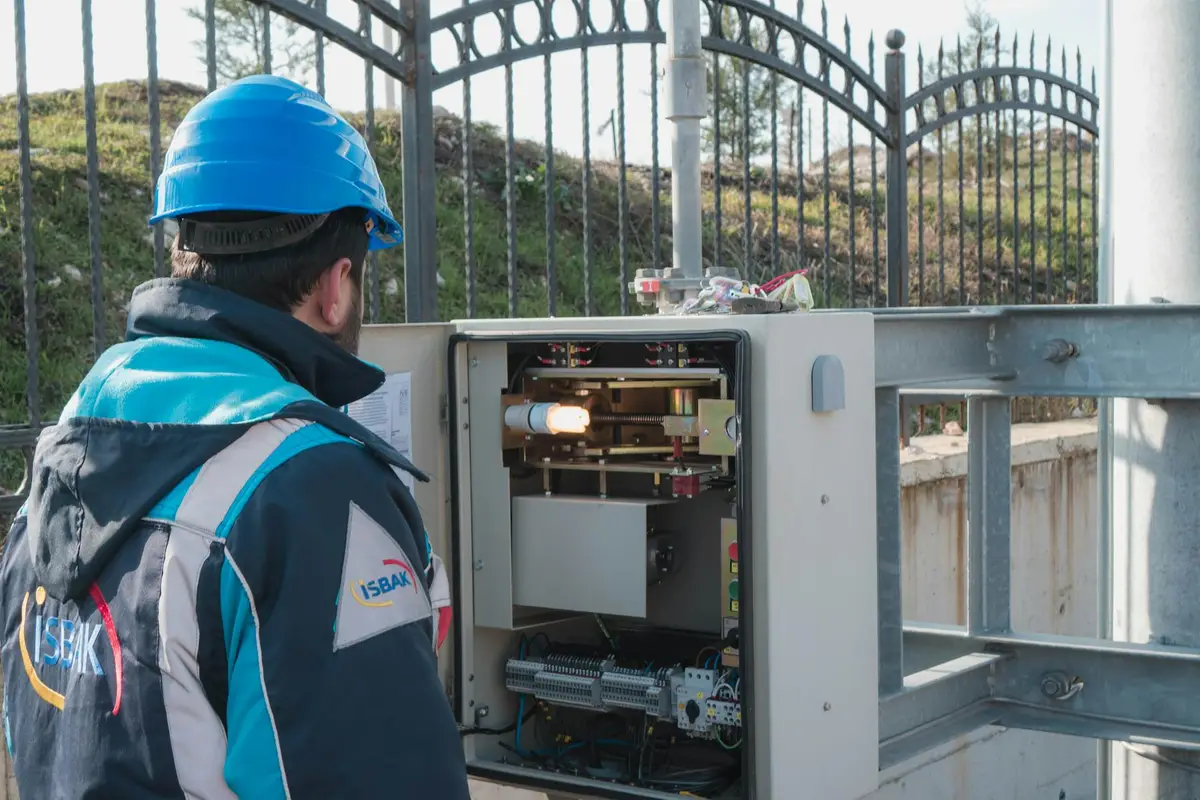
Set aside twenty minutes once a year to walk through these five steps. I do this every spring in my own garage. It gives you peace of mind and catches small issues before they become big, expensive problems.
First, test every GFCI outlet. Don’t just press the button. Plug in a lamp or a GFCI tester like the one from Ideal to make sure power actually cuts off and the “reset” button pops. This is the single most important thing you can do to prevent a lethal shock, especially in a damp garage.
Second, do a visual inspection of every extension cord, tool cord, and appliance plug. Look for cracking, brittleness, exposed copper, or plugs that feel loose in an outlet. I toss any cord with minor damage immediately-they’re cheaper to replace than a fire.
Third, ensure the area around your main electrical panel is completely clear. You need a full three feet of clearance in front of it. I can’t tell you how many garages I’ve seen where the panel is buried behind boxes and bikes. An electrician needs immediate access in an emergency.
Fourth, with the garage quiet, listen. Stand by outlets and light fixtures for a minute. A persistent buzzing or humming sound from a switch or outlet often means a loose connection, which creates heat and is a fire risk.
Fifth, check your garage door opener’s safety sensors. The small LED lights on each sensor should be solid (usually green). If one is off or blinking, the door won’t close properly. Wipe the lenses with a dry cloth and make sure they are perfectly aligned facing each other.
As you go, take a screwdriver and snug up any loose outlet and switch cover plates. A tight plate helps keep dust and debris out of the electrical box.
When to Call a Licensed Electrician
Knowing your limits is a sign of a good homeowner. Some jobs are strictly for the pros, and your garage’s electrical heart is one of them.
Any work inside your main service panel or installing a new sub-panel is professional territory. This is where power enters your home. One slip here is not a simple shock; it can be fatal. I don’t touch my main panel beyond resetting a breaker.
If your project requires running a new circuit from the panel-like for an EV charger, a heavy-duty workshop tool, or new lighting-hire an electrician. They will ensure the correct wire gauge, breaker size, and conduit are used for your local code.
Call a pro any time you feel unsure or lack the specific tools. If you’re asking “Can I do this?” the safest answer is to have a licensed electrician take a look. They have tools like voltage testers and circuit tracers that most homeowners don’t own.
Finally, correcting old or unknown wiring is not a beginner DIY project. If you open a wall or fixture and see cloth-wrapped wire, aluminum wiring, or a jumble of connections without proper wire nuts, stop and make the call. An electrician can diagnose and remedy old, dangerous wiring safely, which is a smart investment in your home’s safety.
Garage Electrical FAQ: Straight Answers from a Pro
I know my garage needs at least one light. Does the code specify how it must be controlled?
Yes, definitively. The code requires at least one permanent light fixture to be controlled by a wall switch-no pull chains allowed. This switch must be placed at every usual entry door. For a single man-door garage, one switch there satisfies the rule. If you have multiple doors, install switches at each for convenience and safety.
My garage freezer is on a GFCI outlet that keeps tripping. Is there an exception for appliances?
There is no exception to the GFCI protection requirement for garage outlets-it’s mandatory for all 15 and 20-amp, 125-volt receptacles. However, an individual, dedicated circuit is highly recommended for freezers. If you’re experiencing nuisance trips, have an electrician install a GFCI circuit breaker at the panel or use a modern GFCI receptacle designed for appliances; it’s likely the existing device is faulty or overly sensitive.
What’s the biggest mistake you see with wiring in unfinished garage walls?
Leaving NM cable (Romex) unprotected on the face of studs. Any cable running along walls or ceiling joists before drywall is installed must be guarded from physical damage. The pro move is to run it through conduit (like 1/2″ EMT) or at minimum install a protective runner board. This prevents a drill or wayward lumber from slicing into the wires later.
Can my garage door opener share a circuit with other outlets?
Technically, it can, but you shouldn’t do it. The National Electrical Code requires at least one dedicated 20-amp circuit for all general-use garage receptacles. Your garage door opener is a motor and should be on its own dedicated 15-amp circuit to prevent nuisance trips when it starts up. Sharing a circuit is a common source of problems.
How do I know if my garage subpanel is wired correctly?
The most critical check is the separation of grounds and neutrals. In a subpanel, the neutral and ground bus bars must be isolated from each other and the panel box. If they are bonded together (like in a main panel), it creates a serious shock hazard. If you’re unsure, this is a perfect example of when to call a licensed electrician for a safety inspection.
Do I need to do a load calculation before adding a new appliance circuit?
For a single new dedicated circuit-like for an EV charger, welder, or compressor-a formal whole-house load calculation isn’t usually needed. The key is ensuring your main service panel has the physical space and available amperage. However, if you’re adding multiple high-draw circuits, consulting a pro to assess your total service capacity is a smart, safe step to avoid overloading your system.
Final Thoughts on Garage Electrical Safety
My most important piece of advice is to never guess with electricity and always hire a licensed electrician for the final hookup and inspection. Treating your garage’s electrical system with professional respect is the only way to ensure it protects your home, your tools, and your family for years to come. For added garage fire safety, consider installing a dedicated garage smoke detector. It’s a simple step that complements professional electrical work. Keep these three points in your back pocket:
- GFCI outlets are non-negotiable for any receptacle.
- Plan your lighting and outlets before the drywall goes up.
- A hardwired smoke detector is a simple, code required lifesaver.
Evan Gunther
Evan is a general contractor operating in Columbus, Ohio servicing, maintaining and building residential and commercial garages for over two decades. He has personally redeveloped over 100+ garages and installed and reinstalled over 230+ garage doors in his long tenure. When it comes to giving your garage a face lift or fixing common issues, Evan's the pro. Feel free to reach out to him and follow his Garage Log blog for expert, fact based advice.