
Is Your Coastal Garage Rusting Out?
Salt air and humidity are a brutal combination, attacking your garage from the inside and out. Let’s walk through the specific defenses I install on coastal homes to stop the damage.
This guide will cover material choices that resist corrosion, creating effective moisture and air seals, and setting up ventilation that actually works in a humid climate.
I’ve maintained and repaired garages on the coast for years, learning which products fail and which hold up through nor’easters and salt spray.
Understanding Your Coastal Garage’s Enemies
Living near the water is fantastic, but your garage faces a constant, invisible assault. The problem isn’t just salty air or high humidity alone. It’s the tag-team effect. Moisture in the air provides the electrolyte, and salt particles act as a catalyst, dramatically speeding up the destruction of unprotected materials. Climate-controlled garages that regulate temperature and humidity can significantly reduce this risk by stabilizing moisture levels.
Let’s break down what you’re really fighting. Corrosion is the broad term for a material breaking down due to chemical reactions; for metals, this is often rust, which is a specific type of corrosion called oxidation where iron reacts with oxygen and water. For your concrete floor and walls, the enemy is moisture absorption. Salt-laden humidity soaks into porous surfaces, and when it dries, the crystallized salt expands, causing pitting and spalling over time.
This attack isn’t random. It targets specific areas of your garage hardest.
- Metal Components: Every hinge, spring, roller, and bolt on your garage door. The tracks and brackets for your storage shelves. Even the fasteners holding your wall panels.
- Stored Items: Tools left out will flash-rust. Bicycles, lawn equipment, and metal cabinets will degrade quickly. Fabrics and papers can mildew.
- Floor: Unsealed concrete acts like a sponge for salty moisture, leading to a dusty, crumbling surface.
- Walls: Drywall can swell and mold. Painted surfaces can blister and peel as moisture pushes from behind.
- Garage Door: The entire assembly-the panels, the bottom seal, the windows-is on the front line, taking the brunt of the salt spray and wind-driven rain.
The Coastal Garage Durability Verdict: Choosing Your Materials
Winning this fight starts with choosing the right gear. Don’t think of this as an upgrade, it’s your first line of defense.
Garage Door Materials
I’ve installed and serviced them all in coastal zones. Here’s my take. Steel doors are common, but standard galvanized steel will eventually lose the battle. If you choose steel, insist on a thick, high-quality baked-on polyester or powder-coat finish, not a thin paint layer, and check the warranty for coastal corrosion coverage. Aluminum is naturally more corrosion-resistant than steel and is a solid choice, but it can dent more easily. Fiberglass composite doors are the real champions here. They won’t corrode, and the color is molded throughout the panel, so scratches are less noticeable. I installed a Clopay Avante composite door for a client five years ago, and aside from a regular wash, it looks and functions like new. To prevent rust and corrosion and reduce future maintenance, regular cleaning and a protective coating are worth the extra step—especially in coastal settings. It’s a simple habit that helps any door resist corrosion and stay performing well.
Hardware and Storage
This is where I see the most mistakes. Using standard zinc-plated bolts and brackets is asking for rust stains and seized parts within a year. For any fastener, hinge, or bracket, specify 304 or 316-grade stainless steel; it costs more upfront but saves countless hours of fighting rusted bolts later. For shelving, avoid bare metal wire racks. Opt for units with a thick epoxy or powder-coated finish. Better yet, I use and recommend composite resin shelving, like the Gladiator Premier series. The plastic construction is completely impervious to salt and wipes clean easily.
Floor Coatings
An unsealed floor is a losing floor. A basic single-layer epoxy kit from a big box store will quickly yellow and peel in the humid, salty environment. For durability, you need a professional-grade, 100% solids epoxy or, my preference, a polyaspartic coating. Polyaspartic coatings cure much faster, are highly UV-resistant so they won’t amber, and offer superior moisture tolerance during application, which is critical in humid climates. If you’re weighing epoxy vs polyurea garage floors, polyurea options can cure in a matter of hours and tolerate moisture well in humid climates. A quick comparison helps you balance cure speed, durability, and cost. I used a Rust-Oleum Rocksolid Polycuramine kit on my own garage floor. It was more expensive than basic epoxy, but three years of coastal weather haven’t made a dent in its shine or adhesion.
Wall Paints and Sealants
Standard interior paint will fail. You need a mold and mildew-resistant paint formulated for high-humidity areas. Brands like Zinsser Perma-White or Benjamin Moore Aura Bath & Spa are excellent choices. For masonry or concrete walls, paint isn’t enough. Before painting, you must seal the porous surface with a penetrating, breathable silane-siloxane sealer; this blocks salt and moisture absorption while allowing trapped vapor to escape, preventing blistering. I’ve had good results with Foundation Armor products. It’s a clear sealer you roll on, and it makes a noticeable difference in how dry the wall feels.
Your Action Plan: Inspection and Maintenance Routines
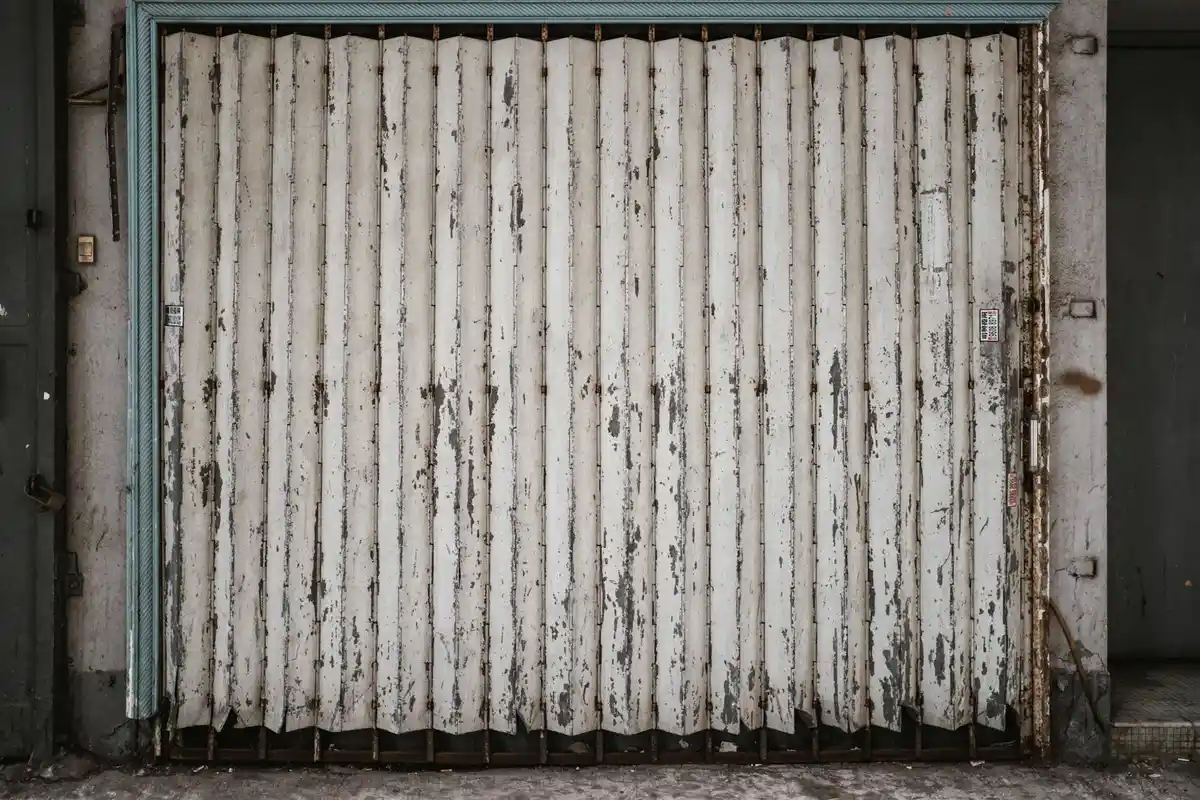
Catching problems early is your best defense. I set a calendar reminder for the first weekend of every month to do a quick 15-minute walk-through. This habit has saved me thousands in repair costs over the years.
What to Look for Monthly or Quarterly
You’re looking for the first signs of the coast winning the battle. Grab a flashlight and a notepad.
- On the door and exterior siding: Look for a fine, white, powdery residue. That’s salt deposition. Check for any green or black speckles, which is the start of mold or mildew.
- On all metal surfaces: Inspect hinges, tracks, handles, and light fixtures for reddish-brown spots (rust) or a chalky white powder (corrosion, especially on aluminum).
- Around seals and windows: Feel the rubber weatherstripping on your garage door. If it’s brittle, cracked, or feels sticky, it’s breaking down. Look for condensation or water stains on the inside of windows.
- On concrete floors and walls: Seek out dark, damp spots or that familiar musty smell. Efflorescence, a white crystalline powder on the concrete, means moisture is moving through it.
Your Seasonal Checklist
Think of spring and fall as your major service seasons, while summer and winter are about managing extremes.
Spring & Fall (The Big Checks)
- Perform a full exterior wash down (method detailed below).
- Inspect and clean all ventilation screens and soffit vents. I use a shop vac with a brush attachment.
- Test your garage door auto-reverse feature for safety by placing a 2×4 on the floor under the door.
- Check the condition of any painted surfaces for bubbling or peeling paint.
Summer & Winter (Humidity Patrol)
- Monitor humidity levels closely with a simple gauge. I keep a ThermoPro TP50 on my shelf-it’s cheap and reliable.
- In summer, ensure fans are running to circulate the thick, humid air.
- In winter, be vigilant about wiping up any tracked-in salt or slush from vehicles immediately.
Washing the Exterior: Frequency and Method
You need to rinse the salt off before it has time to etch and corrode. I recommend a thorough freshwater rinse every 4 to 6 weeks, and always after a major storm or period of onshore winds.
Here’s my shop-tested method:
- Use a garden hose with a spray nozzle set to a wide, gentle “shower” setting. A pressure washer is overkill and can force water behind siding.
- Start from the top of the garage door and siding, working your way down. This prevents streaking.
- Spend extra time on the bottom third of the door and around handles, where spray from tires and road salt concentrates.
- Once a year, in the spring, wash with a mild solution. I mix a bucket of water with a few ounces of simple green or dish soap. This cuts through the greasy film that builds up.
Maintaining Proper Ventilation Year-Round
Stagnant, humid air is your enemy. You need to move it out.
Passive solutions are your first line of defense. Ensure your soffit vents (under the eaves) and any gable or ridge vents are not blocked by insulation or storage. Even cracking your pedestrian door or window for an hour on dry days makes a difference.
Active solutions seal the deal. I installed a basic ceiling-mounted exhaust fan, like an Air Vent Gable Fan, that kicks on with a humidistat. For a detached garage, a simple box fan in a window works wonders. In particularly damp climates or for garages with living space above, a dedicated dehumidifier (like a 50-pint model from Frigidaire) is a worthwhile investment. Run it to keep humidity below 50%. All of these steps support removing garage moisture humidity for long-term comfort and durability. A drier garage is easier to maintain and less prone to mold.
Protecting Metal and Stored Items from Corrosion
The salt air is actively trying to ruin your tools and hardware. You have to be more stubborn than it is.
Lubricants for Garage Door Systems
Standard grease attracts grime and gums up. You need the right product for each part.
- Tracks and Hinges (Rollers): Use a synthetic, white lithium grease spray. I’ve had great results with WD-40 Specialist White Lithium Grease. It’s water-resistant and doesn’t wash off easily. Spray a light coat on the tracks and each hinge pin, then run the door up and down twice to distribute it.
- Torsion Springs: Never use a wet lubricant here. It will attract salt and dust, creating an abrasive paste. Use a dry-film lubricant like a silicone spray or a specific garage door dry lube. LubriMatic’s Dry Film Lube is a good option. A quick, light spray on the spring coils is all you need, twice a year.
Protective Coating Regimen for Tools and Shelving
My rule is: if it’s metal and not used weekly, it gets a coating.
- For hand tools (wrenches, pliers, saw blades): Wipe them down with a light machine oil like 3-In-One Oil or use a rust-inhibiting spray like Boeshield T-9 before storing. I prefer Boeshield for my table saw top.
- For metal shelving units and tool cabinets: Once a year, wipe them down with a wax-based automotive spray detailer. It sounds odd, but it leaves a protective, non-sticky barrier. Meguiar’s Ultimate Quik Wax works perfectly.
- For lawn mower decks and snow blower parts: After each cleaning, hit the underside and any exposed metal with a fluid film or light corrosion inhibitor. I use Fluid Film for this-it creeps into seams and lasts.
Spotting Humidity Damage on Stored Items
Corrosion isn’t just for metal. Humidity ruins everything.
- Cardboard Boxes: They will feel soft, develop a wavy texture, or show dark spots. This is a mold buffet. If you see this, the humidity has been too high for too long.
- Fabrics (camping gear, old clothes): Look for a faint mildew smell or visible speckling. Leather will feel stiff or develop a white haze.
- Electronics and Power Tools: Check battery terminals for green or blue corrosion (that’s copper sulfate). Feel for a slight stickiness on plastic casings, which is moisture absorption. Listen for unusual humming from transformers or battery chargers left plugged in.
Smart Storage Solutions
Isolate your sensitive items from the garage environment.
Get rid of cardboard. Move photos, documents, and seasonal decor into sealed plastic bins with gasketed lids. The Sterilite 66 Quart Latch Box is my workhorse for this. For extra protection, toss in a few silica gel desiccant packs, which you can recharge in the oven.
Create a dry zone. If you have expensive tools or hobby equipment (woodworking, fishing reels), dedicate a sealed cabinet. I use a vintage metal locker. Place a small, rechargeable dehumidifier like an Eva-Dry E-333 inside. It pulls moisture from the air in that enclosed space and you just plug it in every few months to dry it out.
For the whole garage, the dehumidifier I mentioned earlier is your heavy lifter. Size it for your space-a 50-pint unit is typically sufficient for a two-car garage. Empty it regularly, or better yet, get one with a hose connection that drains directly into a floor drain or out the wall.
Recommended Products for the Coastal Garage
Living down by the water means your garage needs the right gear to fight a constant, invisible battle. Having used and tested a lot of products over the years, I’ve settled on a shortlist that I trust to work and last.
Dehumidifiers: Your First Line of Defense
You need to pull moisture from the air, period. For most two-car garages, a 50-pint capacity unit is your starting point. My advice is to buy one size larger than you think you need; a unit that runs less often lasts longer and is more efficient.
I install models with a continuous drain hose option. I use a short piece of garden hose to run it right to a floor drain or out under the garage door. This beats emptying a bucket every day. I’ve had good luck with Frigidaire and hOmeLabs models. Place it on a small platform or pallet, not directly on the concrete, to improve airflow underneath.
Rust-Inhibiting Sprays & Coatings
Salt air finds bare metal. For tools, shelving brackets, and garage door springs, I keep two types on hand.
- Fluid Film or similar lanolin-based spray: This is my go-to for long-term protection on items I don’t handle often, like the underside of my workbench frame. It creates a self-healing, waxy barrier. The smell is distinctive, but it works.
- WD-40 Specialist Corrosion Inhibitor: I use this on tools and hardware I use regularly. It dries to a thin, clear film and doesn’t feel greasy. It’s perfect for wiping down hand tools at the end of a project.
Mold & Mildew Resistant Cleaners
Bleach is a common choice, but it only removes the surface stain and its fumes are harsh in an enclosed space. For a lasting solution, you need a cleaner that leaves an inhibitory residue behind.
I switched to Concrobium Mold Control. You spray it on, let it dry, and it leaves a microscopic layer that makes it hard for mold to regrow. For routine cleaning of walls and seals, a product like Simple Green Pro HD works well and is less caustic.
Choosing a Floor Sealant and Exterior Paint
Your concrete floor is a sponge. A basic hardware store acrylic sealer won’t hold up. You need a penetrating, moisture-tolerant product.
I’ve moved away from simple sealers and now use either a two-part epoxy or a polyurea/polyaspartic coating for my own coastal projects. Brands like Rust-Oleum EpoxyShield are a good DIY start, but for the best salt resistance, look at professional-grade kits from suppliers like Legacy Industrial. The key is that the coating must be 100% solids or moisture-tolerant; it forms a plastic-like barrier that salt and water can’t penetrate.
For exterior paint on your garage siding and trim, the label is everything. You must use a 100% acrylic latex paint rated for exterior use. I specifically look for paints that mention “high moisture resistance” or “mildew resistant” on the can. Sherwin-Williams Duration or Benjamin Moore Aura are top-tier choices I’ve used that stand up to the elements for years.
Basic Tools for the Job
You don’t need fancy equipment, just the right basics.
- Soft-Bristle Brushes: A large push broom and a hand brush with synthetic bristles. Avoid stiff wire brushes on most surfaces; they can scratch coatings and push salt deeper into concrete pores.
- 2-Gallon Garden Sprayer: Inexpensive and indispensable. I use one dedicated for applying cleaners like Concrobium or a diluted Simple Green solution to large wall areas. It’s faster and more even than a bottle.
- Moisture Meter: This is your detective. A basic pin-type meter from General or Klein Tools lets you check if your walls or floor are holding excess moisture behind a sealant or paint. It takes the guesswork out of your maintenance schedule.
Product Safety and Responsible Disposal
Working with chemicals and coatings requires respect. I never skip personal protective equipment (PPE): nitrile gloves, safety glasses, and an N95 mask at a minimum. Run a fan for ventilation whenever you’re applying any product that has fumes.
Disposal is non-negotiable. Never pour leftover paint, sealant, or chemical cleaners down any drain or onto the ground. This is especially critical near coastal waterways. Leftover rust spray or oily rags can combust; I store them in a sealed metal container. For liquid waste, let paint harden in the can with the lid off, then take it, along with any other chemicals, to your local household hazardous waste collection site. It’s a small effort that protects your local environment.
Coastal Garage Maintenance: Your Quick-Hit FAQ
How often should I inspect my garage for signs of salt or humidity damage?
Do a quick 60-second visual scan every week. Then, commit to a thorough 15-minute inspection with a flashlight once per quarter. This catches early-stage corrosion, salt bloom, or seal failures before they become major repairs.
How can I protect my garage’s metal components from corrosion?
For active hardware like door hinges, use a synthetic white lithium grease. For stored tools and shelving, apply a thin, dry corrosion inhibitor like WD-40 Specialist. The key is consistent, light coatings to displace moisture and create a barrier.
What steps can I take to prevent mold and mildew growth?
Control humidity first with ventilation or a dehumidifier. Then, clean surfaces biannually with a mold-inhibiting cleaner like Concrobium, which leaves a protective residue. Immediately dry any wet items or spills to remove the moisture mold needs to grow. These practices help prevent and remove garage mold and mildew. More garage-specific prevention and remediation guidance will follow in the next steps.
Are dehumidifiers recommended, and what type is best?
Absolutely, they are a critical tool for controlling the root cause of rust and mold. For a standard two-car garage, a 50-pint capacity unit is the minimum. Always choose one with a continuous drain hose option so you don’t have to empty a tank daily.
Your Coastal Garage Defense Plan
The single most powerful tool against salt and humidity is a consistent, simple maintenance routine. Make a monthly walk-through and a semi-annual deep clean non-negotiable parts of your home care schedule. This routine also helps prevent garage condensation by keeping humidity in check and boosting airflow. Keep these core principles in mind every time you step into your garage:
- Move air constantly with vents, fans, or a dehumidifier.
- Use only coated or stainless steel fasteners and lubricants designed for marine use.
- Fix small problems like paint chips or sealant gaps immediately, before they grow.
- Always ensure water is flowing away from your garage foundation.
Industry References
- Garage Doors for Coastal Homes – Creative Door Services
- A Look at Coastal Garage Doors: Selections & Considerations
- Coastal Garage Door Guide: Best Materials, Tips & Ideas
- How to Protect Your Garage Door from Rust and Corrosion
- How Do I Get Rust Off My Garage Door? – Creative Door Services