Which Garage Heater Wins: Electric Infrared or Forced-Air Propane?
If you’re standing in a cold garage trying to pick a heater, the choice between an electric infrared panel and a forced-air propane torpedo can be confusing. I’ll clear that up for you with real shop experience.
We will cover how they heat your space differently, the true cost to run each one, what installation really involves, critical safety considerations for each type, and which one is best for weekend projects versus full-time workshops.
I’ve tested both systems in my own and clients’ garages for years, so you get advice from the workbench, not just a spec sheet.
How Electric Infrared and Propane Forced-Air Heaters Actually Work
Think of the core difference this way: an infrared heater warms you, while a forced-air heater warms the room. It’s the difference between stepping into a sunny spot on a cold day and standing in front of a hair dryer. That fundamental change dictates everything about how you’ll use them in your garage.
Your power source and setup are also completely different. An electric infrared heater plugs into a standard 120-volt outlet or a heavier-duty 240-volt circuit. You typically mount it on the ceiling or wall to beam heat down. A forced-air propane heater connects to a portable tank or a permanent line. Most sit on the floor and need careful attention to where their exhaust goes.
Infrared Heater Fundamentals
Inside an infrared unit, electricity runs through a special element, often a quartz tube or a metal coil. This gets extremely hot and emits radiant energy, the same type of heat you feel from the sun. This energy travels through the air without heating it and warms the first solid object it hits-your workbench, your car, or you.
This makes infrared incredibly effective for spot heating right where you need it. I’ve used a 1500-watt wall-mounted unit from Dr. Infrared to take the chill off while working at my bench, and it works perfectly. Because it’s heating objects directly, drafts from opening the garage door or high ceilings don’t steal the warmth from you like they would with hot air.
Key Questions from Garage Owners
Are infrared heaters good for uninsulated garages? Yes, for spot heating, they are one of your best options. When you’re evaluating garage heating options, infrared heaters are a solid choice for targeted warmth. They pair well with sensible insulation tweaks and can be part of a broader heating plan. Since they aren’t trying to heat all the cold air in the space, you can feel comfortable even in a drafty, uninsulated building. Just don’t expect your whole garage to reach a balmy temperature.
Can infrared heaters be used in garages safely? Absolutely, which is a major advantage. There’s no open flame and no combustion, so you don’t have fumes or a fire risk from flammable vapors. The main safety rule is to keep the unit clear of any materials directly above it, as the surface gets very hot.
Forced-Air Propane Heater Mechanics
These units burn propane fuel in a combustion chamber. A fan then pulls in room air, blows it over a heat exchanger warmed by that flame, and forces the now-hot air out into your garage. It’s a fast, powerful way to raise the air temperature in a large volume.
This combustion process means you must plan for fresh air intake and exhaust. Even “vent-free” models require a specific amount of square footage and ventilation to operate safely and prevent dangerous carbon monoxide buildup. You cannot ignore this. The fan is also quite loud, similar to a powerful box fan, whereas infrared heaters are silent.
Key Questions from Garage Owners
Can you run a propane heater in a garage? You can, but with strict rules. You need a carbon monoxide detector with fresh batteries in the space. You must follow the manufacturer’s minimum square footage requirements to the letter. And you must ensure there’s adequate ventilation, which often means cracking a window or door, which works against your heating goal.
What industry ratings must propane garage heaters comply with? Never buy a model without a current safety certification label from UL (Underwriters Laboratories) or CSA (Canadian Standards Association). I will only use heaters with these labels in my shop. They mean the unit has been tested to specific safety standards, especially for venting and safety.
Comparing Heat, Efficiency, and Your Garage’s Reality
So, which heater warms a garage most efficiently? The answer depends entirely on what “efficient” means to you. Is it the speed you feel warm? The area you can heat? Or the cost per hour of operation? We need to break it down.
Start with a simple assessment of your space. Grab a tape measure. Your garage size (Length x Width x Height) combined with your insulation level (good, poor, or none) tells you the heater capacity you need. A small, well-insulated garage needs far fewer BTUs or watts than a large, drafty one.
Heating Performance Face-Off
Infrared heat is essentially instant on your skin. Stand in its path, and you feel warmer within seconds. Forced-air heat takes several minutes to warm the mass of air in the room before you start to feel the ambient temperature rise.
This makes infrared ideal for stationary projects where you stay in one zone, and forced-air better for activities where you move around the entire garage. For example, I use infrared when woodworking at my stationary table saw, but I’d use forced-air if I was detailing a car and moving around it constantly.
Can you heat your garage to 60 degrees with a propane heater? Yes, a properly sized unit can do that. But you must account for runtime and air turnover. To maintain that temperature, the heater will cycle on and off, burning fuel. And if you’re bringing in fresh air for safety, you’re constantly warming new, cold air, which uses more fuel. Energy-efficient garage heating starts with good insulation and sealing drafts. Pair that with a properly sized heater with a thermostat to minimize run time.
Understanding Watts, BTUs, and Operating Costs
Electric heaters are rated in watts. Propane heaters are rated in BTUs (British Thermal Units). A rough rule of thumb is that 3412 BTUs is about equal to 1000 watts (1 kilowatt) of heating power.
Let’s talk real-world cost. Using national averages, electricity costs about $0.15 per kilowatt-hour (kWh), and propane costs about $3.00 per gallon. A 1500-watt (1.5 kW) infrared heater running for one hour uses 1.5 kWh, costing about $0.23. A 30,000 BTU propane heater might use about 0.3 gallons of fuel per hour, costing about $0.90.
In a direct infrared vs propane garage heater cost per hour comparison, electricity often has a lower operating cost, but the propane heater delivers significantly more heat. You’re paying more per hour to heat a much larger space much faster.
The Hidden Cost of Comfort
The upfront costs can sway your decision. Many powerful infrared heaters require a 240-volt outlet. Having an electrician run that dedicated circuit can cost several hundred dollars. For propane, you have the cost of the tank (if you don’t own one) and a professional to properly connect a permanent line if you don’t want to use portable tanks.
Then there’s the ongoing hassle. With propane, you must monitor your tank level and schedule refills or haul tanks for exchange. With electric, your “fuel” is always there, but you see the cost directly on your monthly utility bill.
Safety, Codes, and Non-Negotiable Protections
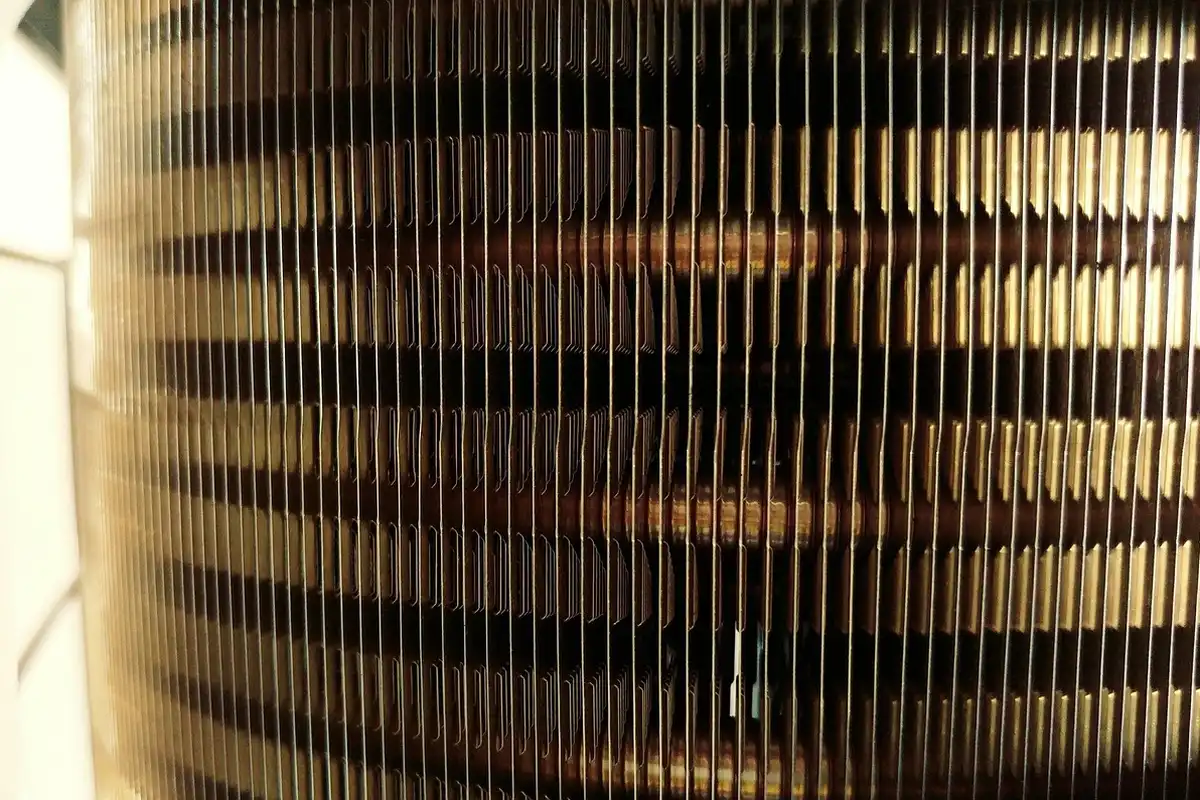
Heating a garage is different from heating your living room. You’re dealing with stored gasoline, paint thinners, sawdust, and often poor ventilation. The single most important rule is to only use a heater that is explicitly tested and certified for garage or workshop use. Look for labels from UL, CSA, or ETL that say “Suitable for use in garages” or similar wording. A heater meant for your basement can be a real hazard in your shop, especially when heating a garage with diesel or propane fuel.
Electric Infrared Safety Features
Modern infrared heaters are built with safety in mind, but you must check for specific features. For any portable model, a tip-over switch that cuts power if it falls is non-negotiable. Overheat protection is another must-have; it shuts the unit off if internal components get too hot.
Placement is key. Even though the front gets hot, the housing should stay cool enough to touch. I always mount permanent panels or quartz tube heaters high on a wall or from the ceiling, following the manufacturer’s clearance instructions to the letter-usually at least 3 feet from any shelf or stored item. For a portable radiant heater, I give it a 5-foot clear zone in front of it, no exceptions.
So, are electric infrared heaters safe for a garage? Absolutely, but only if they are properly certified and you respect their operational limits. I’ve used a Dr. Infrared DR-968 portable for quick jobs and a Heat Storm HS-1500-PHX wall-mounted panel in a client’s woodshop for years without issue, precisely because we followed these rules.
Forced-Air Propane Safety Imperatives
Propane introduces combustion into the equation, which demands respect. The Oxygen Depletion Sensor (ODS) is your lifeline; it will shut the burner off if oxygen levels drop to a dangerous level, preventing carbon monoxide (CO) production. Never, ever use a propane heater that lacks this feature indoors.
Ventilation is not a suggestion. You must crack open a garage door or window to allow for fresh air exchange. I tell my clients to open at least a 1-inch gap for smaller heaters and more for larger ones. Installing a battery-operated carbon monoxide detector right where you’re working is just as critical as wearing safety glasses.
Handle the propane tank with care. I store mine outside the garage in a shaded, secure spot, and I always check connections with a leak detection solution (a simple soapy water spray works) when I hook it up. That hissing sound isn’t just wasting fuel; it’s a fire risk.
What types of heaters are safe for garage use? The answer is models built for the job: either certified electric heaters or propane heaters that are properly vented or equipped with crucial safety sensors like an ODS. For propane units, following basic propane garage heater safety tips—like proper ventilation and leak checks—matters. I’m comfortable using a Mr. Heater Big Buddy with its low-oxygen shutoff, but I still insist on ventilation and a CO alarm.
Cost & Budget: From Purchase to Annual Operation
The price tag on the box is just the start. You need to think about the total cost to get it running and keep it running for a season.
Good, Better, Best: Price Tiers
Let’s break down what you actually get for your money.
The “Good” Tier (Basic, under $150): This is for occasional, spot heating. Think a small 120V portable infrared heater like the one from Heat Storm or a single-burner propane “torpedo” heater like a Dyna-Glo. The pros are obvious: low upfront cost and portability. The cons are big: they’re loud (propane), they only heat a small area directly, and the running costs can add up fast for bigger spaces.
The “Better” Tier (Dedicated, $300 – $800): Here’s where you get a proper garage solution. This includes a hardwired 240V infrared panel from a brand like Herschel or a vented propane wall furnace. The major cost here isn’t the heater-it’s the professional installation. You’ll likely need an electrician to run a 240V line or a technician to install the vent kit for the propane unit. Budget at least a few hundred dollars extra for that labor and materials. When you plan, consider the garage heating system installation as a whole—layout, clearances, and venting will influence the choice and placement of the unit. Working with licensed professionals helps ensure a safe, code-compliant setup.
The “Best” Tier (Integrated, $1,500+): This is for a fully conditioned space. A ducted mini-split heat pump is the ultimate choice for year-round climate control and incredible efficiency, but it’s a significant investment. A high-output low-profile unit heater from Modine or Re-Verber-Ray also fits here. These are permanent fixtures that become part of your garage’s infrastructure.
Remember the hidden costs: mounting brackets, thermostat wire, proper gauge extension cords for portables, and that indispensable carbon monoxide detector. They all add to the bottom line.
The Real Cost to Operate
This is where you feel it in your monthly bill. The formula is simple: find your cost per kilowatt-hour (kWh) for electricity or per gallon for propane on your utility bill.
- For electric: (Heater Wattage / 1000) x Cost per kWh = Cost per Hour.
- For propane: (Heater BTU / BTU per gallon) x Cost per gallon = Cost per Hour. (There are about 91,500 BTUs in a gallon of propane).
Let’s compare a common 1500W infrared heater to a 30,000 BTU propane heater. If your electricity is $0.15/kWh and propane is $3.50/gallon:
- Electric: (1500/1000) x 0.15 = $0.225 per hour.
- Propane: (30,000 / 91,500) x 3.50 ≈ $1.15 per hour.
In this example, the propane heater costs over 5 times more per hour to run. This math is crucial for understanding the infrared vs propane patio heater cost or outdoor heater cost for your workspace. In my own 24×24 garage, running a 5000W infrared heater for a few hours on a weekend costs me noticeably less than when I used to run a propane heater for the same time, and I don’t have to keep swapping tanks.
Installation, Maintenance, and Knowing Your Limits
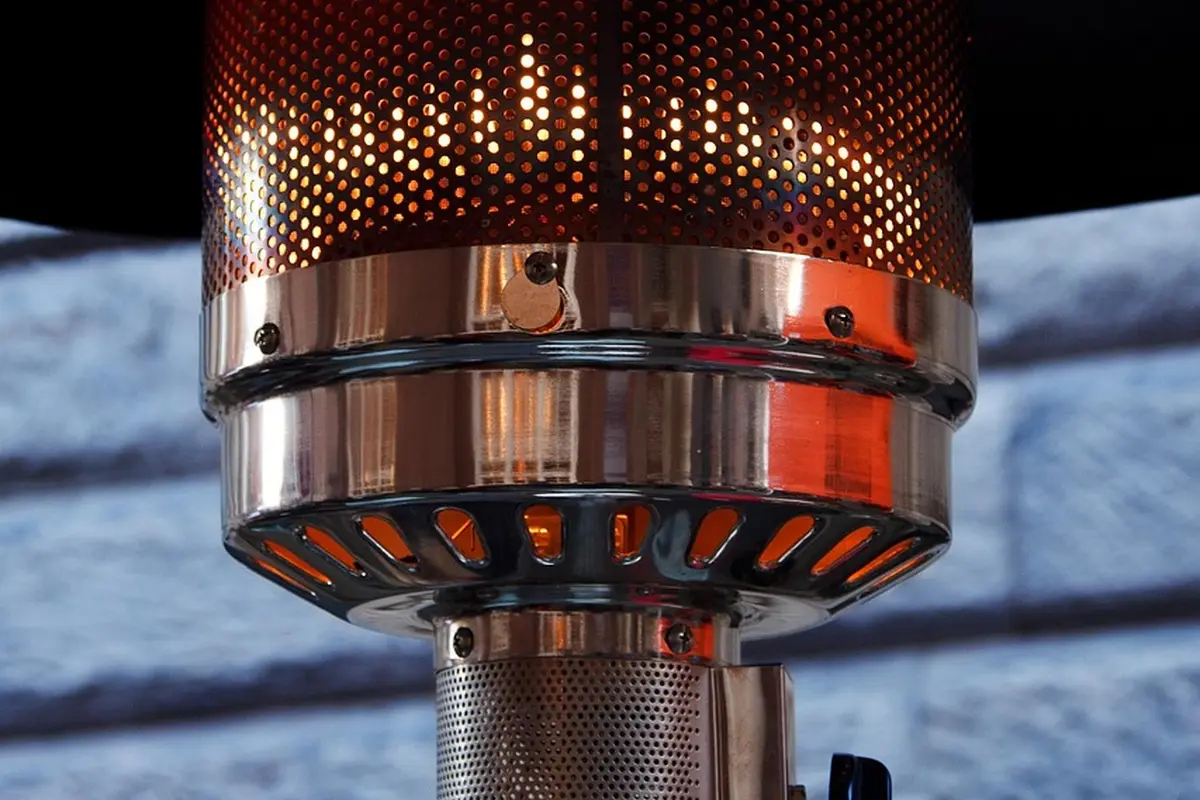
Getting your heater set up right is the most critical step for both performance and safety. I’ll walk you through what you can do yourself and where you absolutely need a professional.
Installation Walkthrough & Professional Help
Your approach here depends entirely on which heater you chose. Let’s break them down.
For an Infrared Heater
Most plug-and-play infrared heaters are simple. The more powerful hardwired units require more care.
- Mounting: You must find a stud. The heater is heavy, and drywall anchors will not hold it long-term. I use a DeWalt stud finder to locate the center of the stud, mark it with a pencil, and hold the heater’s mounting bracket against the wall. Use lag bolts, not wood screws, to secure it. A cordless impact driver makes this quick and easy.
- Checking Circuit Load: Before you plug in a 120V heater, know what else is on that circuit. Is it the same circuit as your garage door opener or refrigerator? If the breaker is 15 amps, a 12-amp heater leaves little room for anything else. You can trip the breaker by overloading it. For a 240V heater, this is not a DIY check-leave that to an electrician.
- Using Correct Gauge Wire: If you’re having a 240V unit professionally installed, understand what they’re doing. A 5000-watt heater typically needs 10-gauge wire on a 30-amp double-pole breaker. An electrician will run this new dedicated circuit from your main panel. Trying to tap into an existing 240V circuit (like for a dryer) is a common and dangerous DIY mistake.
What are the electrical options for garage infrared heating? You have two main paths. A 120V plug-in heater, like the Dr. Infrared model, is truly DIY. You just need a standard outlet. It’s great for spot heating a small area or taking the chill off. A 240V hardwired heater, like ones from Heat Storm or Cadet, delivers serious, whole-garage warmth. Installing a 240V circuit is not a beginner project and requires a licensed electrician.
For a Propane Forced-Air Heater
Safety is your top concern here. I treat every gas connection with respect.
- Securing the Unit: Place the heater on a stable, level, non-flammable surface-concrete is perfect. Keep it at least three feet away from any wall, shelf, or stored item. I use a simple level to make sure it’s not leaning.
- Routing Vent Pipe: If your heater is vented (like a Mr. Heater Big Maxx), follow the manual exactly for pipe type and clearances. Use high-temperature aluminum foil tape, not duct tape, on the seams. The pipe must exit straight to the outdoors. Any dips can trap condensation and cause rust or blockage.
- Connecting to Tank with Leak-Check: Use a brand-new, approved propane hose. Hand-tighten the POL fitting to the tank, then give it a quarter-turn more with a wrench-don’t overtighten. Open the tank valve slightly and immediately check for leaks. I mix dish soap with water in a spray bottle and spray it on all connections. If you see bubbles forming, you have a leak. Turn off the tank and tighten the connection before trying again.
When to Hire a Pro: Call a licensed electrician for any new 240V circuit or if your garage’s existing wiring is old and you’re unsure of its condition. For propane, hire an HVAC technician or qualified gas fitter if you need to modify any gas lines, install a permanent tank connection, or if you are at all uncomfortable with the venting requirements. Their fee is cheap insurance.
The Maintenance & Cleaning Routine
A little upkeep prevents big problems and keeps your heater running efficiently for years.
Infrared Heater Care:
- Every month during the heating season, unplug the unit and wipe the reflectors and heating elements with a dry microfiber cloth. Dust buildup reduces efficiency.
- Visually inspect the power cord for any cracks, fraying, or damage, especially where it enters the unit.
- Ensure any ventilation slots on the heater’s housing are free of dust or cobwebs.
Propane Forced-Air Heater Care:
- Before each season, remove the front cover and vacuum out any dust, spider webs, or debris from the burner assembly. I use a shop vac with a brush attachment.
- Check the air filter if your model has one (many portable ones do). A clogged filter makes the heater work harder. Replace it if it’s dirty.
- Inspect the entire vent path, inside and out, for bird nests, leaves, or snow blockages.
- Test the Oxygen Depletion Sensor (ODS). On many portable heaters, you light it normally, then gently blow out the pilot flame. The ODS should cut off the gas supply within 60 seconds. If it doesn’t, the heater is unsafe and needs service.
Simple Seasonal Checklist
- Fall (Before First Use): Clean reflectors/elements (IR). Vacuum burner and check filter (Propane). Perform leak check (Propane). Test ODS (Propane).
- Spring (After Last Use): Give the heater a final wipe-down. For propane, turn the tank valve off at the source. Store the hose indoors if possible.
When NOT to Try This Yourself
Knowing your limits isn’t a weakness; it’s the mark of a responsible homeowner. Here are my bright red lines.
- You have no experience working with 240-volt electricity.
- You open your main electrical panel and it’s a confusing tangle of old wires.
- The installation requires any modification to existing gas lines or running new black iron pipe.
- You are unsure how to calculate the required ventilation for a propane heater in your specific garage size.
An improper propane installation isn’t just a nuisance-it’s a severe risk of fire, explosion, or carbon monoxide poisoning. If any part of the gas system leaks, you are creating an invisible, flammable cloud in your garage.
You often see this risk downplayed in online forums. A common theme in “infrared vs propane patio heater reddit” discussions is DIYers trying to use indoor propane heaters in semi-enclosed spaces or hacking together unsafe fuel line connections. The most frequent mistake I see is using the wrong type of hose or tape, or blocking ventilation to “keep the heat in.” These shortcuts can have tragic consequences. The advice from a true pro is always to follow the manual, use the right parts, and never compromise on venting or gas safety.
Garage Heater FAQ: Quick Answers from a Pro
For occasional use on a patio, is infrared or propane better?
For a patio, electric infrared is the safer, zero-hassle choice. It provides instant, wind-resistant warmth without fumes, fuel, or noise. Propane patio heaters require more setup, fuel management, and ventilation even outdoors, making them less convenient for quick use.
How do I quickly estimate the true cost difference for my garage?
Run the numbers based on your actual local fuel prices. For electricity: (Watts/1000) x your cost per kWh. For propane: (Heater BTU / 91,500) x your cost per gallon. This 5-minute math will show your real cost-per-hour and prevent budget surprises.
My garage is uninsulated. Which heater type is more cost-effective?
Infrared wins for cost-effectiveness in an uninsulated space if you use it for spot heating. Since it warms you and objects directly, you aren’t wasting money constantly reheating cold, leaking air like a forced-air system must. Use it only where you’re working.
I see debates online about using indoor propane heaters in garages. What’s the professional take?
Online forums often downplay the risks. The professional rule is non-negotiable: any propane heater used indoors must be specifically certified for indoor/garage use and have an Oxygen Depletion Sensor (ODS). Even then, active ventilation and a CO alarm are mandatory. Never bypass these safety steps.
What’s the most common maintenance mistake you see with each type?
For infrared, it’s letting dust and cobwebs build up on the reflectors, which drastically reduces efficiency. Wipe them down monthly. For propane, it’s failing to vacuum the burner assembly and air intake before each season, leading to poor combustion and potential safety sensor failure.
Your Roadmap to Garage Heat
Through all my years of tuning up garage spaces, the clearest lesson is this: your safest, most efficient heater isn’t the “best” one overall, it’s the best one for your specific shop and habits. Making the right choice means being honest about your garage’s setup and how you’ll actually use the heater day to day. Here are the core principles I work from, especially when installing and maintaining a garage heater:
- For focused, silent heat right where you stand, an electric infrared panel is my trusted pick, especially in spaces with sawdust or fumes where an open flame is a non-starter.
- When you need to warm the entire concrete slab fast, a forced-air propane heater gets the job done, but I only recommend it for spaces with the robust ventilation my local code requires.
- Always factor in installation: wiring a 240V circuit for a heavy-duty electric unit is a permanent, clean solution, while managing propane tanks is an ongoing task I account for in every project.
- Efficiency is personal; calculate your cost per hour based on local utility rates, because the cheaper fuel source on paper isn’t always the kindest to your wallet over a full winter.
Further Reading & Sources
- Mr. Heater | Garage/Workshop Heaters
- Enerco non vented garage heaters on sale
- Garage & Shop Heaters | Gas or Electric | Outdoor Patio Heaters
Evan Gunther
Evan is a general contractor operating in Columbus, Ohio servicing, maintaining and building residential and commercial garages for over two decades. He has personally redeveloped over 100+ garages and installed and reinstalled over 230+ garage doors in his long tenure. When it comes to giving your garage a face lift or fixing common issues, Evan's the pro. Feel free to reach out to him and follow his Garage Log blog for expert, fact based advice.