
How Do You Upgrade a Historic Home’s Garage Door Without Losing Its Character?
If you’re concerned that a new, efficient garage door might look out of place on your classic home, I understand. I’ll help you find solutions that respect the past while adding modern reliability.
This guide walks you through the process with actionable advice, covering accurately assessing your current door, choosing materials and designs that match historic aesthetics, discreetly adding features like insulation and openers, and planning for proper, safe installation.
I’ve spent years installing, repairing, and restoring garage doors on period homes, giving me the shop-tested knowledge to advise you on this specific challenge.
Evaluating Your Historic Garage Door’s True Condition
Before you decide anything, you need to know what you’re really working with. It’s easy to fall in love with the look and ignore the problems. I start every job with a simple inspection. Turn off your garage door opener at the wall unit first, pull the red emergency release cord, and try to lift the door manually. If it’s heavy or sticks, you already know there’s an issue.
What to Look For During Your Inspection
Grab a flashlight, a flathead screwdriver, and a pair of work gloves. Go panel by panel, starting from the bottom.
- Wood Integrity: Look for peeling paint and soft spots. Take the flathead screwdriver and gently tap on the wood, especially along the bottom rail. Solid wood sounds firm; rotten wood sounds hollow and the tool may even poke through. Check all the joints where panels meet the framing.
- Hardware Condition: Look at every hinge, roller, and bracket. Rust is one thing, but metal that’s flaking apart or has elongated holes is a failure point. I often find worn-out historic garage door replacement parts like the bottom roller brackets and lag screws that hold the hinges to the wood.
- Spring & Cable Safety: Do not touch the springs. Just look. For torsion springs (the thick spring mounted on a bar above the door), look for a visible gap in the coil. For extension springs (the long springs on the sides), check for any fraying or stretching. Inspect the lifting cables for rust or broken strands.
- Track Function: Check the vertical and horizontal tracks for dents or bends. Place a level against the vertical track. If it’s out of plumb by more than 1/8 inch, your door will never run smoothly.
- Seal & Weatherstrip: Inspect the bottom rubber seal. If it’s cracked, brittle, or missing chunks, it’s letting in drafts, water, and pests.
Identifying your door’s style helps you talk to contractors and find correct parts. Most historic homes have either a true carriage house style (it swings open like a barn door) or a sectional overhead door designed to look like one. Look at the panel design. Raised panels, crossbuck (an ‘X’ pattern), or flush panels each point to a specific era and aesthetic.
A cracked spring or a door that won’t stay securely up when manually lifted are not repairs you can delay; they are immediate safety hazards that require professional attention. Other red flags include a door that drops suddenly, loud grinding noises from the opener, or large sections of wood that are spongy and structurally unsound. Springs can fail from wear, corrosion, or improper tension, creating dangerous, sudden movements.
Repair, Restore, or Replace? Making the Right Choice
Once you know the condition, you have three paths. I’ve done all three, and the right choice depends on your door’s health, your budget, and your long-term plans.
Minor Repair is for doors with isolated issues. Think replacing a few rollers, tightening hardware, or swapping the weatherstrip. If the structure is sound and the main issue is wear on moving parts, this is a great DIY-friendly option. I keep a stock of nylon rollers and heavy-duty hinges from brands like LiftMaster or Clopay for these jobs. They’re universal and quiet.
Professional Restoration is a major project. This involves stripping the door to its frame, repairing or replacing rotten wood sections, sanding, repainting with period-appropriate colors, and re-installing all hardware. It’s costly and requires a specialist, but it preserves the original material. This is a band-aid if the door’s core structure is compromised or the operating mechanism is obsolete and unsafe.
Full Replacement with a character-matched door is often the most functional and durable solution. Modern doors offer steel strength with wood-grain textures, better insulation, and safer, quieter openers. You can get a custom wood or composite door built to mimic your old one’s exact style. My rule of thumb: if the repair costs are approaching 50% of a new, quality door’s price, or if safety is a recurring concern, replacement is the smarter long-term investment.
Understanding Cost and Value
When homeowners ask me about historic garage door replacement cost, I tell them it varies like a custom suit. The final historic garage door replacement price depends on several factors.
- Material: Insulated steel is the standard, but you can upgrade to wood composite or real wood for a more authentic look and a higher price.
- Insulation: Polyurethane insulation is a game-changer for energy efficiency and door rigidity.
- Windows & Design: Custom glass inserts, crossbuck overlays, and decorative hardware all add to the cost but are key for character.
- Installation Complexity: Historic homes rarely have standard openings. Expect extra labor for fitting, squaring, and ensuring proper clearances in an old frame.
A basic, non-insulated replacement door might start in one range, but a fully custom, insulated carriage-house style door with windows and a matching opener system is a different investment altogether. You’re paying for longevity, safety, and the preservation of your home’s curb appeal. An insulated door also helps reduce energy costs by minimizing heat transfer. The energy efficiency can translate into noticeable savings over time.
Choosing Materials: The Durability Verdict for Historic Look
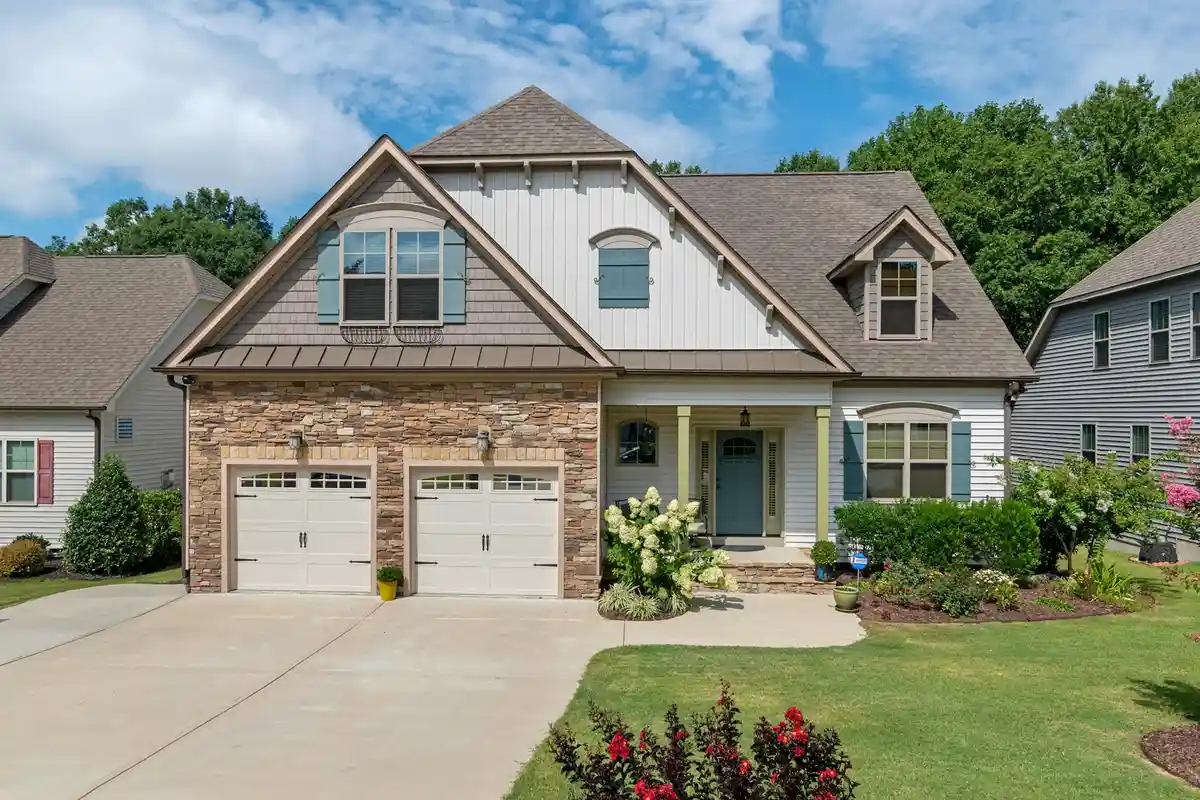
Finding a door that looks right but won’t fall apart is the main challenge. You have three main paths, and I’ve installed all of them. Think of a steel door with a wood-grain finish like a durable work boot that looks like a dress shoe: it handles daily life while keeping the style you want.
The Durability Verdict: Material Showdown
Here’s my shop-tested breakdown of how these materials perform on an old house.
Modern Steel (Faux-Wood Finish)
I use brands like Clopay and Amarr for their better embossing. The good ones have deep wood-grain texture that catches light and shadow, which helps them look less fake from the street. Their real strength is dent resistance. A stray basketball or a tipped ladder won’t leave a major mark like it would on wood. They’re relatively light, which is kinder to century-old framing, and they need almost no maintenance beyond an occasional wash. The downside? A cheap, flat-printed “wood” finish will look like a sticker from ten feet away.
Composite or Fiberglass
These are the chameleons. Modern composites, especially fiberglass-clad wood cores, resist rot and insects completely, which is a huge win for humid or coastal climates. I’ve seen these hold up exceptionally well against salty air where steel would corrode. They are also very light. The catch is brittleness in extreme, sustained cold. In my Northern projects, I’ve seen lower-quality fiberglass panels become prone to cracking from impact in winter. Go for a thicker, reinforced panel if you choose this route.
Reclaimed or New Solid Wood
Nothing beats the authentic look and feel of real wood, especially a custom-made door with true divided panels. It’s also the heaviest option, so you must have a professional assess the structure of your historic garage to see if the header and framing can support it. The maintenance is a constant commitment. I tell my clients it’s a labor of love: expect to re-seal or repaint it every few years to fight weather, sun, and moisture. If you don’t keep up with it, it will warp and crack, unlike steel doors which require less maintenance.
Updating the Guts: Modern Mechanisms for Classic Doors
This is where you get modern reliability without touching the historic facade. The goal is silent, safe, and smooth operation.
First, the springs. If your old home has extension springs (the long ones that stretch along the horizontal track), I almost always recommend switching to a modern torsion spring system mounted on a steel tube above the door. Torsion springs are safer because the energy is contained on a shaft, and they provide a much smoother, more reliable lift, which is easier on the old door panels. A pro needs to check if your lintel can handle the mounting hardware.
For the opener, I only install belt-drive models from LiftMaster or Chamberlain for historic homes. They are nearly silent, which matters when your garage might be near living spaces. Get one with battery backup. You can mount the motor unit and the track high up and centered, often tucking it neatly behind a structural beam so it’s virtually invisible from the street when the door is open.
When I read historic garage door replacement reviews, the happiest homeowners always mention two things: how quiet the new system is and how they never think about it. That comes from investing in quality rollers (nylon or steel with sealed bearings, not cheap plastic wheels) and a robust, professionally adjusted track system. If you’re aiming to reduce garage door noise and dings, some targeted upgrades can help. Small tweaks add up to a noticeably quieter, more protected door.
Essential Safety and Accessibility Upgrades
These aren’t optional extras; they’re required by modern code and are critical for safety.
- Auto-Reverse Sensors: These are the infrared beams at the base of the door tracks. If anything breaks the beam while the door is closing, it instantly reverses. It prevents the door from closing on a person, a pet, or a bicycle.
- Manual Release Cord: Every opener must have a bright red cord hanging from it. In a power outage, you pull this to disconnect the opener and operate the door by hand. Make sure it’s within easy reach.
- Proper Lighting: Install bright, sealed LED fixtures inside the garage. You need clear visibility when pulling in or working. For exterior, consider period-appropriate sconces that provide ample light at the entry without creating a glaring, modern eyesore.
A Pro’s Maintenance Routine for Historic Garage Doors
I treat every historic garage door like a piece of working furniture. The goal is to keep it running smoothly for decades without stripping its character. My routine focuses on gentle, consistent care.
Your first job is to understand what your door is made of, as that dictates everything you do. Solid wood, like oak or fir, reacts to moisture. Old forged iron hinges and latches need different care than modern steel. I start every inspection by running my hand along the bottom rail and feeling the door’s surface for changes.
Seasonal Inspection Checklist
I do this twice a year without fail. It catches small issues before they become expensive, character-altering repairs.
Spring: Moisture and Debris Check
- Check the weatherstripping along the bottom and sides. Look for cracks or brittleness. On an old door, a hardened seal is the main reason drafts and water get in.
- Clean the tracks. I use a shop vacuum with a brush attachment, followed by a rag dampened with a mix of warm water and a few drops of Dawn dish soap. It cuts grime without leaving residue. Avoid harsh track cleaners; they can degrade old metal.
- Inspect for water damage. Look at the bottom of the door and the frame for dark stains, peeling paint, or wood that feels soft. This is critical for preventing rot.
Fall: Lubrication and Safety Prep
- Lubricate all moving parts. For forged hinges and rollers, I use a light machine oil like 3-In-One. I’ve tried white lithium grease, but on very old fittings, it can attract more dirt. A few drops on the pivot points is all you need.
- Test the auto-reverse safety feature. Place a 2×4 flat on the ground where the door closes. The door should reverse immediately upon contact. If it doesn’t, this is not a DIY fix. Call a technician.
- Examine all hardware for rust. On original ironware, a surface patina is normal. Active, flaky rust needs attention. Gently scrub it with a brass wire brush, which is softer than steel and won’t score the metal.
For cleaning the door itself, never use a pressure washer or strong chemicals. On painted historic wood, I use a sponge and a bucket of water with a squirt of Simple Green All-Purpose Cleaner, diluted more than the bottle says. It lifts dirt without threatening old paint layers. For stained wood, a damp cloth with just water is often safest. Test any cleaner in a small, hidden area first.
Every six months, I do a “tightening and alignment” walk. Using my Craftsman socket set, I check every bolt on the track brackets, hinges, and operator arm. Historic doors settle and shift, so hardware works loose over time. Tighten them just until snug; overtightening can strip old threads or crack wood. Then, I watch the door operate to see if it runs square in the tracks without binding.
Listen to your door. A new squeak or a slight hesitation isn’t just noise. On an old system, a strange sound is often the first sign of a misaligned roller or a dry bearing, and fixing it right away prevents a cascade of wear. I keep a can of lubricant and a basic tool kit in the garage for this exact reason.
When to Call a Specialist and What to Avoid
Knowing when to step back is as important as knowing how to maintain. My rule is simple: if the repair involves high tension, major structure, or historical integrity, you call a pro.
The absolute line is at the springs and the track’s core alignment. Torsion spring replacement is not a DIY job. The springs are under extreme tension and can cause severe injury if handled incorrectly. Similarly, if the entire track is out of plumb or the door is sagging on one side, a professional with the right tools needs to realign it. For the door panels themselves, like repairing a rotten wood section or a cracked pane on an old window insert, a carpenter skilled in preservation should do the work to match the original style.
There are practical limits to what you can do. If your home is in a historic district, the local commission likely must approve any exterior change, including the garage door. Replacing an entire historic door with a modern one often isn’t allowed. Also, the original frame and structure might not support a heavier modern door or a high-cycle opener. A good specialist will assess this first.
Finding the right technician is key. When you call, a pro experienced with historic homes will ask you about the door’s style, age, and your preservation goals before quoting a price. They should not immediately push a standard, new door model. Ask for references from other historic home projects. I’ve had good experiences with local, family-owned garage door companies that list “historic door service” specifically. Choosing a legitimate garage door repair company matters—look for licensing, insurance, and clear warranties. Ask for written estimates and verifiable references.
Here is my firmest advice. Never, under any circumstances, attempt to repair or replace garage door springs, cables, or make structural cuts to the door or frame yourself. The risk of personal injury and irreversible damage to a historic component is far too high. This work requires specialized training, tools like winding bars, and an understanding of load dynamics that goes beyond routine care.
Historic Garage Door FAQ: A Pro’s Quick Guide
1. Where can I find authentic historic garage doors for sale?
For a perfect match, I recommend custom door manufacturers like Clopay or Haas Door, which offer design libraries for period styles. For true salvage, seek reputable architectural salvage yards; inspect any door in person for hidden rot or obsolete hardware before purchasing.
2. Is it possible to replace just the damaged parts instead of the whole door?
Yes, if the core structure is sound. Source quality historic garage door replacement parts like forged-style hinges or split-roller brackets from specialty suppliers. For panels, a skilled carpenter can replicate a single section using matching wood and joinery.
3. How do I ensure a replacement door’s design doesn’t look fake?
Focus on depth and shadow lines. Insist on doors with deeply embossed wood-grain textures, not flat prints. Use authentic crossbuck overlays, proportioned windows, and period-correct handle hardware to sell the look from the curb.
4. What are the biggest red flags in historic garage door replacement reviews?
Look for consistent complaints about poor fit in old openings or doors that look “off” from the house’s style. Positive historic garage door replacement reviews specifically praise a contractor’s patience with customization and knowledge of historic trim details. They also know how to fix common garage door problems that can arise with older installations.
5. Are there companies that specialize in historic garage door replacement?
Yes. Search for “garage door” contractors who list “historic” or “custom” services. The right pro will ask detailed questions about your home’s era and offer a portfolio, not just a standard product catalog. Always verify with local preservation groups for trusted referrals.
Preserving Character, Ensuring Function
In my work on historic homes, the single most important rule is this: any upgrade should be invisible in style but undeniable in performance, keeping the home’s story intact while making your daily life easier.
- Choose materials like custom wood from Simpson Door or steel from Clopay that mimic historic profiles but include modern insulation and durability.
- Always integrate current safety standards, such as auto-reverse mechanisms and photo-eye sensors, even into custom designs to protect your household.
- Work with contractors who have specific experience in historic preservation, as they’ll navigate local codes and authentic installation techniques.
- Stick to a simple maintenance routine using quality products like White Lithium Grease for hinges and oil-based paints for longevity, checking alignment seasonally.
References & External Links
- How To Upgrade A Garage Door – This Old House
- Garage Doors for Historic Homes | Keystone Door Solutions | PA
- Historic Garage Doors: Preserving Charm in Antique and Vintage Homes – Overhead Door Company of Battle Creek Jackson and Ann Arbor
- Top Garage Doors for Classic and Historic Homes