
How Do You Repair, Shingle, or Build a Garage Roof?
Seeing water drip into your garage or planning a new roof? I’ll help you tackle it correctly, whether you’re patching a leak or starting fresh.
We will cover spotting damage, selecting materials like GAF or Owens Corning shingles, step-by-step installation, and non-negotiable safety tips.
I’ve personally repaired and built dozens of garage roofs, learning which techniques last and which tools, like a Malco roofing nailer, save time.
Safety First: Gear and Ground Rules
Roof work is not like changing a light bulb. Gravity is your enemy here, and a simple slip can change your life. I treat every roof job, even on a low garage, with the same respect I give a second-story peak. Your gear isn’t just equipment, it’s your lifeline.
- OSHA-rated fall arrest system with a proper roof harness: Don’t just buy a harness, learn how to wear it. The straps should be snug. You must anchor it to a certified roof anchor or a sturdy, immovable structural component, never just a vent pipe.
- Heavy-duty work boots with defined tread: I use boots with a defined heel, like from Keen or Timberland PRO. The heel catches on the roof ladder rungs, and the aggressive tread grips the shingles far better than sneakers.
- Leather-palmed gloves and safety glasses: Asphalt shingles are abrasive and sharp. Gloves save your hands. Glasses stop flying grit, old roofing nails, and metal filings from a cutting tool.
Your gear is only as good as the rules you follow with it. These are my non-negotiable ground rules.
- Never work alone. Have someone on the ground who can call for help and keep the area clear.
- Check the weather forecast meticulously. No work if rain is possible within 24 hours, and never in high winds.
- Use a Type 1A (300 lb. capacity) ladder that extends 3 feet above the roof edge. A ladder stabilizer is a must to prevent side-to-side sway.
- Keep the ground area around the ladder completely clear of tools, debris, and people. A dropped hammer can do serious damage.
The Gearhead’s Checklist: Roof Work Foundation
This is the core kit I keep in my truck for any roofing job, big or small. Having the right tool for the job cuts your time in half and improves the quality of your work.
- Roofing Nailer: I run a pneumatic Paslode coil roofing nailer. It’s faster and more consistent than hand-nailing, which is critical for avoiding leaks. A manual roofing hammer is still in my bag for tight spots.
- Coil Roofing Nails (1-1/4″): Use hot-dipped galvanized nails. The coating prevents rust stains. Don’t use shorter nails or staples.
- Utility Knife with Hook Blades: The curved hook blade, like from Olfa, lets you safely cut shingles on the roof without scratching the underlayment.
- Roofing Shovel (or “Ripper”): This has a sharp, flat blade and a long handle for prying up old shingles and nails. It saves your back.
- Chalk Line, Speed Square, and a 25+ ft Tape Measure: For laying straight lines and making accurate cuts. A wavy shingle line looks awful and can leak.
Your safety gear belongs on this list, too: harness, gloves, boots, glasses. You’ll also need to source materials like synthetic underlayment, ice & water shield for eaves and valleys, and metal drip edge. We’ll get to picking those next.
How to Diagnose Your Garage Roof Problems
Before you touch a single shingle, you need to know what you’re dealing with. A good diagnosis tells you if this is a Saturday project or a sign to call a pro. Start from the ground up.
First, walk around your garage with a pair of binoculars. Look for obvious issues like missing shingles or sagging areas. Next, set your ladder securely at the eave (the edge). Climb only high enough to see the bottom course of shingles and the gutter. Do a close visual inspection from the ladder before you ever step onto the roof. You’re looking for these telltale signs, some of which might indicate underlying structural problems:
- Dark stains or streaks: This is often algae or moss growth, which holds moisture. It’s more cosmetic but can degrade shingles over time.
- Curled shingle edges or corners: This is usually sun and heat damage, especially on south-facing slopes. The shingle material is drying out and losing flexibility.
- Cracked shingles: Direct impact from hail or branches, or they’ve become brittle with age.
- Buckled shingles that look wavy: This often points to a bigger issue underneath, like poor attic ventilation causing heat buildup or a previous improper installation.
A question I hear all the time is, “How do I know if I need a repair or a full replacement?” Here’s my rule of thumb from seeing hundreds of roofs. If the problem is isolated to one area-a few cracked shingles, one leak at a vent pipe-repair is likely fine. If you see widespread curling, many missing granules (making the shingles look bald), or active leaks in more than two places, the entire roof system is likely failing. At that point, patching is just throwing money at a sinking ship.
Common Problems and What They Signal
Let’s break down what you’re probably seeing and what it really means for your garage.
Curled or Cupped Shingles: Think of this like sunburn on your roof. It’s very common on the hot, sunny side of the structure. If the curling is minor and only on a few shingles, you can carefully replace them. If it’s everywhere, the roof is telling you it’s done.
Missing Granules in Your Gutters: Those tiny sand-like granules protect the shingle from UV rays. When they wash off in large amounts, the asphalt underneath is exposed and will fail faster. A few granules are normal, but piles of them are a sign of advanced wear.
Leaks at Penetrations (Vents, Edges): This is the most common DIY fix. The shingles are usually fine. The problem is the thin metal flashing around a vent pipe or where the roof meets a wall. The sealant has failed. Replacing or resealing this flashing often solves the leak completely.
Sagging Roof Deck: This is your biggest red flag. If the roof line isn’t straight, it’s not a shingle problem. It signals a possible structural issue with the rafters or decking, perhaps from long-term water intrusion or overload. Do not walk on a sagging roof. This requires an immediate professional assessment.
How to Repair Common Garage Roof Leaks and Damage
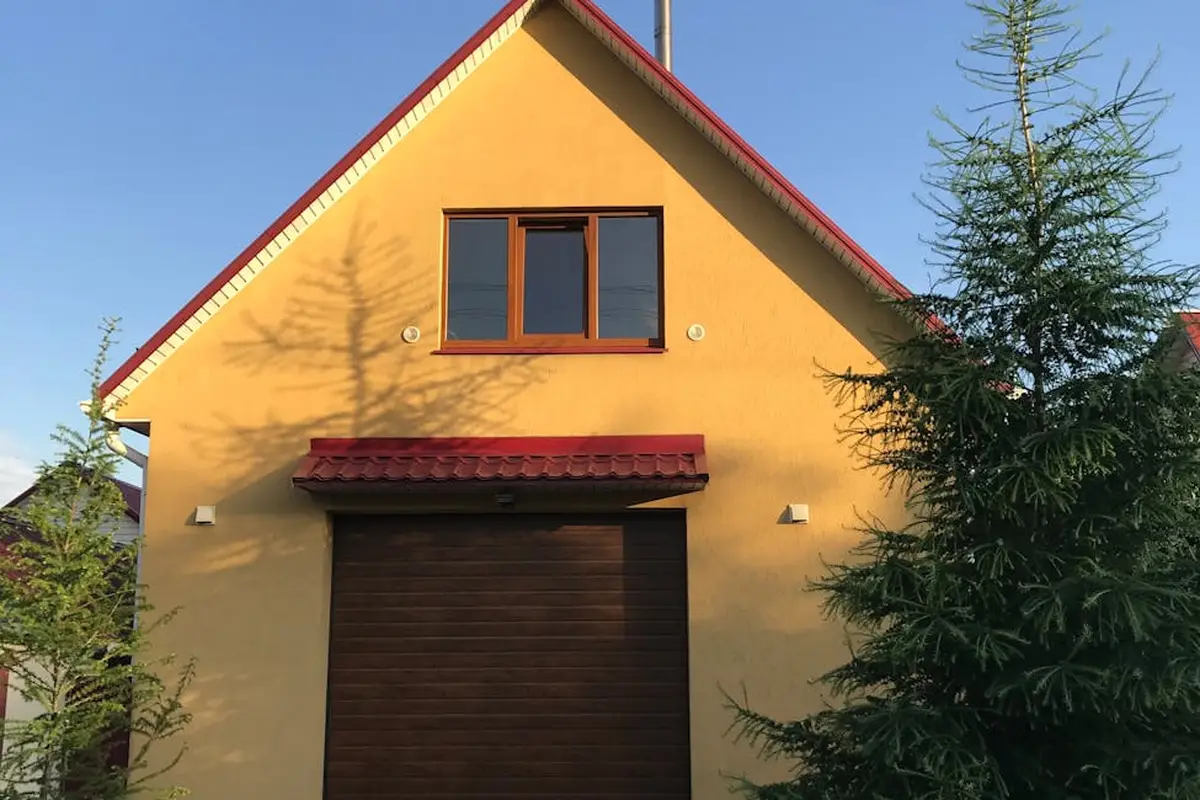
Let’s start with fixing what’s broken. Most garage roof leaks come from a few predictable spots: damaged shingles, failing flashing around vents, or cracked sealant on a metal or rubber roof. You can tackle these repairs yourself with some patience and the right materials.
The most common question I get is, “How do I repair a garage roof?” The answer depends on your roof type, but the mindset is the same: find the leak from the inside, mark it, then address it from the outside.
DIY Difficulty & Time Estimate: Repairs
- Ease of Installation: 4/10 for a simple shingle swap, 7/10 for complex flashing work where precision matters.
- Active Work Time: Plan for 2 to 6 hours for most small patch jobs, not including drying time.
- Drying/Waiting Time: Roofing sealants and cement need a solid 24 hours to cure fully, so check the weather.
- Crew: You can replace a shingle alone. For any flashing or underlayment repair, a second set of hands is a huge help for safety and holding materials.
Step-by-Step: Patching Shingles and Sealing Flashing
For asphalt shingles, you need a flat bar, roofing nails, and a tube of plastic roofing cement. On a warm day, the shingles will be flexible and easier to work with.
- Carefully lift the tabs of the shingles directly above the damaged one. Use your flat bar to pry up the nails holding the bad shingle.
- Slide the old shingle out. Slide the new one into place, making sure it aligns with the surrounding courses.
- Nail the new shingle in the existing nail line, using 4 nails. Don’t nail too high or you’ll miss the deck.
- Seal the nail heads and the top edge of the lifted shingles above with a dab of roofing cement. Press everything down flat.
This method hides the repair under the existing shingle course, making it waterproof and nearly invisible.
For rubber (EPDM) or metal roofs, the repair is all about the sealant. I’ve had the best luck with Henry’s 208 Wet Patch for rubber membrane tears and Geocel 4500 Proflex RV Sealant for metal seams and screws. The key step most people skip is cleaning. Dirt and old sealant ruin the bond.
- Scrape away all old, cracked sealant with a putty knife.
- Clean the area thoroughly with a rag and rubbing alcohol. Let it dry completely.
- Apply your sealant in a smooth, continuous bead, pressing it firmly into the crack or over the seam.
- Tool it with a wet finger or a spoon for a smooth, water-shedding finish.
Rubbing alcohol is a roofer’s secret weapon; it cuts through grime and evaporates fast, giving your sealant a perfect surface to stick to.
How to Shingle a Garage Roof (Full Replacement)
When repairs aren’t enough, it’s time for a new roof. This is a major project, but doing it yourself saves thousands. We’ll assume you’ve already torn off the old shingles and are looking at the bare wooden deck.
The core question here is, “How do I shingle a garage roof?” It’s a system: underlayment, then shingles, finished with precise trim work. Getting each layer right is what makes a roof last 25 years. For many homeowners, the garage roof replacement cost is a practical factor that guides material and labor choices. Understanding that cost helps you plan and budget as you move forward.
DIY Difficulty & Time Estimate: Re-shingling
- Ease of Installation: 8/10. It’s physically tough, requires working at height, and demands attention to detail.
- Active Work Time: For a standard two-car garage roof (about 400-500 sq. ft.), budget 2 to 3 full 8-hour days with a helper.
- Drying/Waiting Time: None, but you must work around the weather. Never shingle on wet decking or in the rain.
- Crew: This is not a one-person job. You need at least one helper to feed materials and spot you on the ladder. Two helpers make the work flow.
Step-by-Step: From Bare Deck to Finished Roof
1. Prep and Underlayment
Walk the entire deck. Replace any soft or rotted plywood or OSB. Now, install your water management system.
- Nail aluminum or galvanized drip edge along the eaves first, then up the rakes (the sloped edges). This channels water into the gutters.
- Roll out your synthetic underlayment. I use and trust Titanium UDL30. It’s tough, doesn’t tear like felt paper, and goes down fast. Start at the eave and work up, overlapping horizontal seams by at least 4 inches. Staple it every few feet.
- In cold climates, apply a self-adhering ice and water shield over the underlayment along the eaves and in any valleys. It’s a sticky membrane that seals around nails.
A tight underlayment is your secondary water barrier; take your time to lay it flat and secure it well.
2. Laying Shingles Straight and Tight
With the deck protected, you can start shingling. You’ll need a roofing nailer (I rent a coil nailer for speed), chalk line, and a sharp hook blade in your utility knife.
- Install a starter course. You can buy a dedicated starter strip or simply cut the tabs off regular shingles and run them upside down along the eave. This seals the first row’s seams.
- Snap a horizontal chalk line for your first full course, typically 5-6 inches above the starter edge. Snap a new chalk line every 3-4 courses to keep your rows perfectly straight. Crooked shingles look bad and can leak.
- Follow the manufacturer’s nailing pattern. For most 3-tab or architectural shingles, it’s 4 to 6 nails per shingle, placed in the thick, tar-striped nail line. Drive nails straight, not at an angle.
- When you hit a vent or pipe, cut the shingle to fit around it. Apply a thick bead of roofing cement to the bottom of the vent flange before you nail it down over the shingle.
A chalk line is non-negotiable; it’s the difference between a professional-looking roof and a wavy mess.
3. Finishing Hips, Ridges, and Valleys
These details handle the most water runoff, so precision matters.
- For hips (the outward sloping corners) and the ridge (the peak), cut standard 3-tab shingles into 12×12 inch squares. These are your cap shingles.
- In valleys (where two roof planes meet), I prefer the “open metal valley” method. Center a piece of pre-formed valley flashing. Then, weave your shingles from both sides into the valley, cutting them so they stop about 2 inches short of the centerline on each side. This creates a clear water channel.
- Cap the ridge last. Fold your pre-cut cap shingles over the peak and nail them. Put a small dab of roofing cement under the trailing edge of each cap as you go to seal it against wind.
Valleys are the gutters of your roof; keeping them clear and properly flashed is the best way to prevent interior leaks.
How to Build a New Garage Roof Frame
Constructing a new garage roof frame is for a new building or a total rebuild. It’s a serious project, but with careful planning and the right tools, it’s absolutely doable. The core question of “how do I construct a garage roof?” starts with deciding on its fundamental shape. If you’re planning to raise or modify the garage roof, careful planning now pays off later. In the next steps, we’ll explore raise and modify options for the garage roof structure with practical considerations.
Choosing Your Style: Flat Roof vs. Pitched
Your first major decision is choosing between a low-slope roof (often called flat) and a pitched roof. I’ve built both, and each has clear pros and cons.
A flat roof garage offers a modern, clean look. The real advantage is the potential for extra space. I’ve seen clients turn them into simple rooftop decks for storage or a spot to sit, but you must plan for the extra weight and waterproofing from the start. A low slope still needs at least a 1/4-inch per foot pitch to shed water to scuppers or internal drains, similar to how garage floors require proper drainage slopes to prevent pooling.
A pitched roof, like a simple gable, is the workhorse of residential garages because it sheds water and snow quickly and effectively. It’s the classic, reliable choice. The steeper the pitch, the faster water runs off.
The structural basics are similar: you’re creating a stable skeleton. For a free-standing garage, you’ll build walls with a top plate that the rafters or trusses sit on. If you’re building an addition, you’ll attach a ledger board to the existing house. The same framing principles apply if you’re just building a garage door overhang or a pergola-it’s a mini-roof structure. These concepts also apply to garage wall framing construction, where precise stud spacing and top-plate alignment matter. Getting the framing right ensures a square, solid garage wall for sheathing and doors.
Before you buy a single 2×6, you must check your local building department’s codes for permits, snow load, and wind uplift requirements. Skipping this step can lead to a failed inspection or, worse, a collapsed roof.
Step-by-Step: Framing a Simple Gable Roof
For a DIYer, a basic gable roof is the most straightforward to frame. I prefer cutting my own rafters over using trusses for a garage because it allows for clearer interior space. Here’s how I approach it, especially compared to installing garage roof trusses.
First, determine your roof pitch (e.g., 4-in-12). Use a rafter square or a dedicated pitch calculator app to mark your cuts on a 2×6 or 2×8. You’ll make two critical cuts: the plumb cut at the top where it meets the ridge board, and the birdsmouth where the rafter notches onto the wall’s top plate.
Cut one rafter perfectly, use it as a pattern, and mark the rest. This consistency saves huge amounts of time. I use a corded circular saw, like a Makita 5007MGA, for the main cuts and a handsaw to finish the birdsmouth notch cleanly.
The single most important step during installation is using plenty of temporary bracing. Nail a long, straight 2×4 across the end walls to hold your ridge board at the right height. As you install each pair of rafters, tack on more temporary braces to prevent the whole assembly from swaying like a house of cards. Only remove them once all the rafters are nailed and the permanent collar ties or ceiling joists are installed.
For sheathing, I use 1/2-inch OSB for its cost-effectiveness, but plywood is stronger for the same thickness. Start at a bottom corner and work across and up. Leave a 1/8-inch gap between sheet edges to allow for expansion on hot days. Use 8d ring-shank nails or, my preference, 2-1/2 inch deck screws every 6 inches along the edges for a rock-solid hold.
When NOT to DIY Your Garage Roof Project
Being honest about your limits is what separates a savvy homeowner from someone in over their head. My rule is simple: if the project’s risk outweighs your skill and tool inventory, call a professional.
Limitations and Red Flags
Recognize these red flags immediately. They are your cue to pick up the phone, not the hammer.
Steep pitch is a major one. If you look at your existing roof and feel nervous, that’s your gut telling you not to go up there. Working safely on a steep pitch requires specialized training and equipment like roof jacks and harnesses.
Any sign of structural damage is a full stop. If you peek in the attic and see cracked, sagging, or rotten rafters or trusses, this is beyond a simple shingle repair. You’re dealing with the bones of the building, and a pro needs to assess the full extent.
Complex designs are for experienced crews. Hip roofs, which slope on all four sides, involve complicated angled cuts called jack rafters. Roofs with multiple valleys (where two slopes meet) are notorious for leaking if not flashed perfectly. Tying a new garage roof into your existing house roof is a massive integration challenge. A garage roof load calculation is a crucial step to ensure the added structure carries expected loads safely. It helps verify that framing and connections meet code and work with the existing roof system.
Never ignore permit requirements. If your local code requires official permits for construction or renovation, stamped engineer drawings, or that structural work be performed by a licensed contractor, you must follow those rules. This isn’t bureaucracy; it’s a system designed to ensure your garage doesn’t fall down in a storm.
Garage Roof FAQ: Straight Answers from a Pro
Should I just replace the damaged shingles, or is it time for a whole new roof?
Look at the big picture. If damage is isolated to one area, repair it. If you see widespread curling, bald spots from missing granules, or leaks in multiple places, the roof system is failing. Patching a failing roof is a temporary fix at best.
Is there a real difference between 3-tab and architectural shingles for my garage?
Yes. I always recommend architectural (dimensional) shingles. They are thicker, have a longer warranty, provide better wind resistance, and simply last longer than traditional 3-tab shingles. The higher upfront cost is justified by the extended lifespan.
How should I handle a potential insurance claim for storm damage?
Document everything first. Take clear, timestamped photos of all damage from the ground and ladder (safely). Then get a detailed inspection and quote from a licensed roofing contractor before you file. Their professional assessment is crucial for a fair claim.
What’s the one sign of damage I should never ignore?
A sagging roof deck. This is a major structural red flag, not a shingle issue. Do not walk on it. This indicates potential rafter or sheathing failure and requires an immediate professional assessment to prevent a possible collapse.
I’m handy. When does a garage roof project cross the line from DIY to “call a pro”?
Call a pro for steep pitches, complex designs (hips, multiple valleys), or any sign of structural issues. If your local building code requires permits and engineered drawings for framing, that’s your signal to bring in a licensed contractor.
Finishing Your Garage Roof Right
The single most important rule is to never compromise on safety; your well-being is more critical than any project timeline. A successful job comes from following a few core principles:
- Always use a proper fall-arrest system when working at height.
- Take the time to prepare your deck and underlayment correctly; they are the foundation of a lasting roof.
- Work with a partner for handling heavy materials and as a critical safety check.
- Inspect your work yearly to catch small issues before they become major leaks.