
How Do I Plan and Build a Garage Addition to My Home?
Staring at your crowded driveway and wondering where to even start with a garage addition? I’ve been there, and I’ll guide you through the same practical process I used on my own house.
We will cover defining your needs and budget, navigating permits and codes, choosing materials and tools, hiring and managing a builder, and prioritizing safety throughout the build.
With years of hands-on experience building and maintaining residential garages, I give you advice straight from the workshop, not just a textbook.
Before You Hammer a Single Nail: Vision and Viability
Start by asking what this space is really for. This single answer drives every other choice. If it’s just for car storage, you need a good slab and a reliable door. If it’s a woodshop, you need 220-volt outlets for your table saw and dust collector, plus serious lighting. A home gym needs extra floor reinforcement for heavy weights and good ventilation. A combo use means planning electrical circuits and storage walls from the start. Getting the purpose clear now prevents expensive changes halfway through the build.
Walk your property with a tape measure and a notepad. Look at where utility lines, septic fields, and large trees are. A detached garage needs enough clear, flat space. If your lot is tight or sloped, an attached addition might be your only practical choice, as it often uses your home’s existing foundation wall. I’ve seen homeowners plan a beautiful 28-foot deep shop only to realize their sewer line runs right through the middle of it. Honestly measuring your space tells you if you can build a detached garage on your property or if you’re looking at an attached design.
Your dream garage means nothing if the city says no. Before you sketch a single line, visit your local zoning or building department’s website. You are looking for three specific rules. Setback requirements dictate how far the building must be from your property lines. For a garage, these setbacks determine where you can place walls and doors relative to your lot edges. Understanding garage-specific property line limits early helps you plan the layout and avoid surprises. Height limits control the peak of your roof. Lot coverage percentages limit how much of your lot can be covered by buildings. Checking these zoning rules for setback, height, and coverage is the non-negotiable first step to avoid wasting time and money.
In nearly every residential area I’ve worked in, you cannot build a garage in front of your house. The zoning code usually defines the “front yard” as the area between your home’s facade and the street. Structures here are heavily restricted to maintain neighborhood aesthetics. Your garage will almost always need to sit beside or behind your home. A quick call to your building department can confirm this for your specific address.
The Money and the Plan: Budgeting and Professional Help
Think of your budget in chunks, not one scary total. This helps you manage cash flow and compare contractor bids fairly.
- Design & Permits: Fees for an architect or drafter, plus the city’s permit costs.
- Site Prep & Foundation: Tree removal, excavation, concrete for the slab and footings.
- Framing & Roofing: Lumber, trusses, sheathing, shingles, and labor to get it dried in.
- Finishing & Doors: Siding, insulation, drywall, paint, and the garage door system.
- Electrical: Running a sub-panel from your house, all wiring, outlets, and lighting.
Most people don’t have the full amount in savings. A common way to add a garage to your mortgage is through a cash-out refinance or a home equity line of credit (HELOC). A HELOC worked well for my own project because I could draw money as I paid invoices. Talking to your lender or mortgage broker early gives you clear financing options and prevents project delays.
For a unique, attached addition that blends perfectly with your home, a licensed architect is your best bet. For a standard detached garage, a design-build contracting firm can handle both design and construction efficiently. If you have a simple rectangle in mind, a skilled drafting service can provide the technical drawings you need for permits at a lower cost. I used a local drafter for my 24×24 shop, and their plans passed inspection on the first try.
Do not try to get permits with a hand-drawn sketch. Contractors will not give you a firm bid without detailed plans. A professional, stamped set of plans is your roadmap for the city, your builder, and your budget.
Cost & Budget Breakdown: Good, Better, Best
These are rough estimates for a basic 24’x24′ two-car detached garage. Prices vary wildly by region and material costs. To get a better handle on the build two car garage cost, consider location and material choices. The next sections break down size, permits, and labor factors.
- Good (Shell-Only, DIY Finish): $25,000 – $40,000. This gets you a weather-tight structure with a basic door. You handle insulation, drywall, and painting yourself over time.
- Better (Insulated, Drywalled, Pro Door): $45,000 – $65,000. Includes insulation, finished walls, a durable door like a LiftMaster, and basic electrical. It’s a functional, clean space ready to use.
- Best (Fully Finished, HVAC, Epoxy Floor): $70,000+. Adds a mini-split for heat and AC, a commercial-grade epoxy floor coating, custom cabinets, and upgraded lighting. This is a premium, lived-in space.
Most budgets blow up on the hidden items. Plan for these from the start:
- Permit fees (can be thousands)
- Soil testing or percolation tests for drainage
- Dumpster rental and debris disposal
- Trenching to run power from your main panel
- Final grading and sod or seed to repair your yard
Adding a 15% contingency fund for these hidden costs is the smartest move you can make.
Hiring Your Build Team: Contractor Smarts
Now that you have your plans in hand, it’s time to find the people who will turn them into reality. This is the single biggest factor in your project’s success, so take your time. Your goal is to find a builder you can communicate with clearly and who has a proven track record of quality work.
Start With a Warm Lead, Not a Cold Call
The absolute best way to find a reliable builder is through someone you trust. I always tell homeowners to start with their own network. Ask friends, family, or neighbors who have built an addition, garage, or done a major remodel in the last three to five years for their contractor’s name. A referral from a satisfied customer is worth ten online ads. When you get a name, ask the referring friend the hard questions: Was the crew tidy? Did they stick to the schedule? How did they handle unexpected issues?
Vet Them Like a Pro: The Non-Negotiables
Once you have two or three names from referrals, you need to screen them. Do not skip this step. I require three specific things before I ever discuss money:
- Proof of a Valid Contractor’s License: Check this with your state’s licensing board. It’s not just a formality; it’s your first layer of protection.
- Proof of Insurance: They must have both liability insurance and workers’ compensation. Ask for certificates and call the insurer to verify they are current. If a worker gets hurt on your property and the contractor isn’t insured, you could be liable.
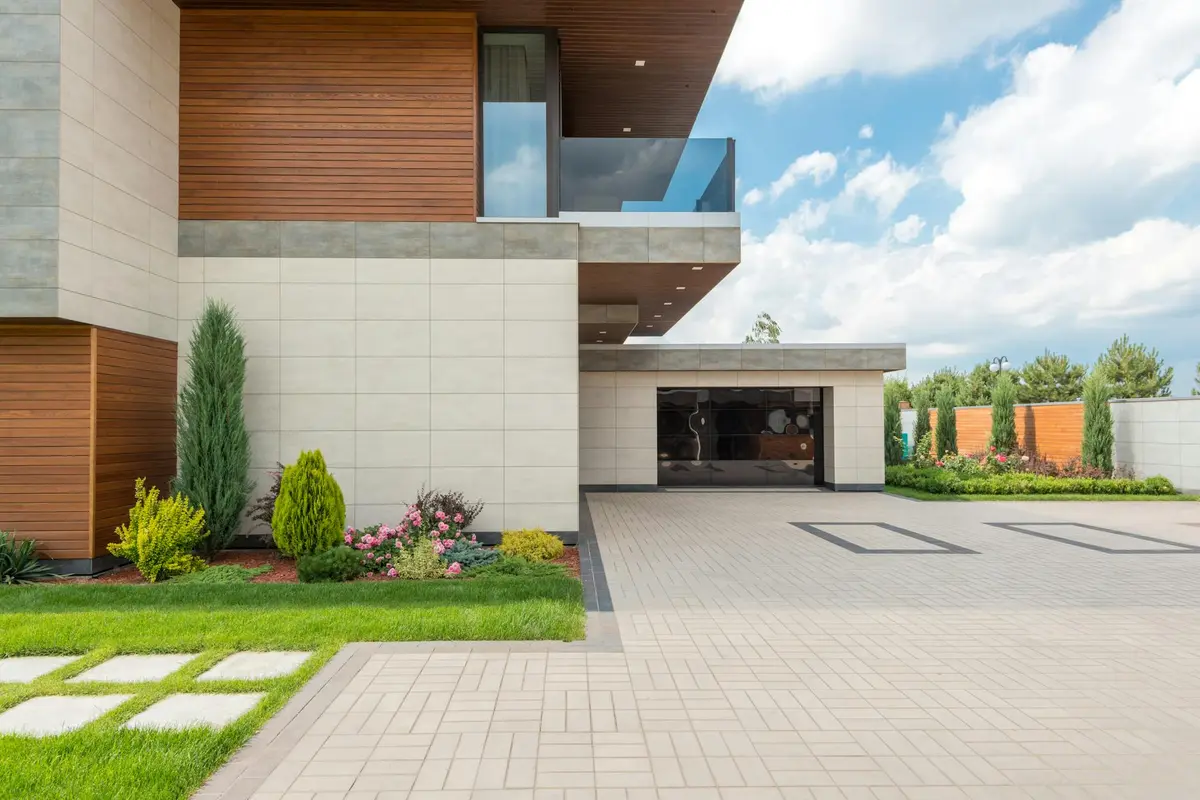
- A List of Recent, Similar Projects: Ask for addresses and, if possible, permission to contact those past clients. Drive by the homes to see how the finished work looks from the street. A quality garage addition should look like it was always part of the house.
Getting Bids You Can Actually Compare
To get useful bids, you must give every contractor the exact same information. I create a “bid package” for them that includes the architectural plans, engineering stamps, and a written list of my specific expectations. A detailed bid breaks down the total cost so you can see exactly what you’re paying for, which prevents surprise charges later. When the bids come back, line them up side-by-side and look for these key sections:
- Scope of Work: A paragraph-by-paragraph description of every task, from site prep to final cleanup.
- Material Specifications: Brand names, grades, and quantities. For example, does it specify “Owens Corning R-19 insulation” or just “insulation”? Specifics matter.
- Project Timeline: A realistic start date and an estimated completion date, with major milestones noted.
- Payment Schedule: This should be tied to completed work stages, not arbitrary dates. Be very wary of any contractor who demands more than 10% down or large payments far ahead of the work being done.
Should You Be Your Own General Contractor?
Some handy homeowners consider acting as their own general contractor (GC) to save money. I’ve seen this work, and I’ve seen it become a full-time nightmare. Here’s my direct take from the shop.
Acting as your own GC means you are the foreman, scheduler, and accountant. You hire and coordinate the excavator, foundation crew, framers, roofers, electricians, and insulators. You pull (or arrange for) all the sub-trade permits and schedule the municipal inspections. You solve daily problems, like a lumber delivery blocking the driveway or an absent subcontractor.
The pro is potential cost savings, maybe 15-20%. The con is your time. This will become a part-time job with on-call hours. If you have a flexible schedule and strong project management skills, it’s an option. For most people hiring a professional GC is worth the fee. They have relationships with crews, know the inspectors, and handle the daily headaches so you can keep your day job. You’re paying for their expertise and, just as importantly, their time.
Construction Details: From the Ground Up
Let’s talk about the bones of your new garage. A mistake here isn’t something you can just paint over later. I’ve fixed enough cracked floors and leaky corners to know where you need to be relentless with your builder.
Foundation First: It’s All About the Base
You wouldn’t build a workbench on a wobbly sawhorse. The same logic applies to your garage. A proper foundation is a safety and durability issue, not just a code requirement.
The foundation crew will dig footings, pour a concrete stem wall, and then place the monolithic slab inside it. For a garage concrete slab foundation, those same steps and precautions apply to ensure a solid, long-lasting floor. Don’t let them skimp on the gravel base or the vapor barrier underneath the concrete-it’s what keeps moisture from wicking up into your floor forever. I learned this the hard way on my first shop; a corner of the slab stayed damp for years because the sub-base was poor.
Drainage planning happens right now. The final grade around the garage must slope away from the structure. Talk to your builder about installing perforated drain pipe (French drain) around the perimeter if you have any concerns about water pooling. Moving water away protects your foundation and, more importantly, the foundation of your house. In the garage, pay attention to garage floor leveling drainage slope to direct water toward the perimeter. This keeps the concrete surface dry and reduces moisture risks inside.
Siding and Roofing: Matching Wits with Wear
Your goal is to make the addition look like it’s always been there, but you also want materials that can handle the abuse a garage often sees.
For siding, vinyl is cost-effective and low-maintenance, but it can crack if you bump it with a ladder. Fiber cement (like James Hardie) is my go-to for a durable, fire-resistant finish that matches most home styles. It costs more, but I’ve never had to replace a piece. For roofing, match the shingles on your house exactly. If your house has architectural shingles, don’t put basic 3-tabs on the garage-it will look like an afterthought.
Choose materials for the long haul, not just the lowest bid. Spending a bit more now on robust siding and proper shingles saves you from costly repairs and mismatched aesthetics down the road.
The Main Event: Garage Doors
This is the face of your operation. You have two main choices: sectional or roll-up.
- Sectional Doors: These are the standard residential doors that swing out and up. They’re great for insulation and offer a clean look. I spec Clopay doors for my projects because their steel-backed polyurethane foam cores are stiff, quiet, and have a high R-value for temperature control.
- Roll-Up Doors: These coil into a drum above the opening. They save all the ceiling space that a sectional door’s track would use, which is perfect for lift installations or maximizing storage height. They are typically less insulated and can be noisier.
For size, don’t just think about your current car. Go for at least a 9-foot wide by 8-foot high door. That extra width makes backing in much less stressful. Pair it with a belt-drive opener, like from LiftMaster. They’re significantly quieter than chain drives. The MyQ smart control is worth it-getting an alert if the door is left open is pure peace of mind.
Planning for Power (and More)
Think of your future self, the one with the welder, the car lift, or the beer fridge. You will need more power.
Running new electrical almost certainly means a service panel upgrade. A 100-amp subpanel dedicated to the garage is a realistic starting point for a serious workspace. Talk to your electrician about installing 20-amp circuits on separate breakers for your tools and outlets. This prevents your compressor from tripping the circuit your shop vac is on.
Even if you don’t plumb a sink or install a heater on day one, have the builder run the necessary PVC drain lines under the slab and stub up a gas line if you think a natural gas heater is in your future. Doing this now is a fraction of the cost and mess of trying to trench it in later.
The Gearhead’s Pre-Construction Checklist
Before the first shovel hits the dirt, have these items sourced or clearly written into your plans. This is how you get exactly what you want.
- Door Specs: “One 9’x8’ Clopay Classic insulated sectional door, R-Value 16.9, with LiftMaster 8355W belt-drive opener with MyQ.”
- Flooring: “Concrete slab to receive professional-grade 100% solids epoxy floor coating (e.g., Rust Bullet or Legacy Industrial) after 60-day cure time.” Cheap box-store kits often fail.
- Electrical: “Minimum of four dedicated 20-amp circuits for outlets. Outlets to be industrial-grade, not residential grade.” Specify locations for your planned workbench, compressor, and lift.
- Lighting: “LED shop light fixtures (like Barrina T5 or equivalent) to provide a minimum of 100 lumens per square foot at workbench height.” Avoid cheap, flickering tube lights.
- Exterior Security: “Motion-activated, dusk-to-dawn LED flood lights (at least 2,000 lumens each) on all accessible sides of the structure.” I use lights from RAB for their reliability.
Interior and Finishing Touches
This is where your garage transforms from a shell into a usable, durable space. Getting these details right saves you from moisture damage, constant repairs, and security headaches later on.
Seal and Breathe: Insulation and Ventilation
Think of your garage’s climate control as a two-part system: you need a tight seal and fresh air moving through. Without both, you get condensation, mold, and extreme temperatures.
For insulation, you have two main paths. Fiberglass batts, like Owens Corning R-19, are the budget-friendly choice. I’ve installed them myself. They work if your wall cavities are perfectly square and you meticulously seal every gap with foam, but they leave room for air leaks. Spray foam, whether open or closed cell, is what I specify for my own projects because it seals every crack and provides a superior moisture and thermal barrier. The upfront cost is higher, but it pays off in climate control and preventing drafts.
Ventilation is non-negotiable. You must let the hot, moist air out. A continuous ridge vent paired with open soffit vents is the most effective system I’ve used. The soffit vents draw in cooler air, it rises, and the ridge vent exhausts it. This passive flow prevents the stagnant, damp conditions that rust tools and warp wood.
Choosing Your Interior Wall Finish
Your wall finish depends on how you’ll use the space. Is this a clean, finished garage or a hard-working workshop?
Drywall gives you a clean, painted look. I’ve used 5/8-inch fire-resistant Type X drywall in garages for the added safety. It looks great, but in a workshop, it will get dented, scraped, and stained very quickly. Hanging anything heavy requires finding studs or using special anchors.
For a true workshop, I prefer 7/16-inch oriented strand board (OSB). I had it in my last shop. It’s tough, you can screw anything into it anywhere, and dings just add character. The trade-off is the rougher, more industrial look. If you go with OSB, consider a clear sealer to reduce dust and make it easier to wipe down.
Installing a Durable Floor Coating
A great floor protects your slab and makes cleanup trivial. Skip the big-box store paint kits; they peel under tires and chemicals.
Epoxy is the classic choice. I’ve applied Rust-Oleum EpoxyShield kits. With proper acid etching, they hold up for years. The downside is that they can yellow in sunlight and become brittle over time. For the best balance of durability and DIY-friendliness, I now recommend 100% solids polyurea coatings. They’re more flexible, resist UV yellowing, and cure faster. Brands like ArmorPoxy have solid DIY kits.
For the ultimate tough floor, consider interlocking PVC tiles like Swisstrax or RaceDeck. I installed RaceDeck in my current garage. They’re expensive, but they handle anything, drain spills, and are comfortable to stand on. They’re also removable if you move.
Integrating Security from the Start
Build security into the structure, don’t add it as an afterthought. Start with the service door. Install a commercial-grade, heavy-duty deadbolt like a Schlage B560. The flimsy builder-grade locks are easy targets.
For lighting, use motion-activated LED fixtures on all exterior sides. The Ring Floodlight Cam is a popular all-in-one option I’ve helped clients install. During construction, have your electrician run conduit and low-voltage wire from your attic or a central point to each corner of the garage exterior for future security cameras. Doing this now is simple and cheap; fishing wires later is a major headache, especially if you run electrical wiring to a detached garage.
Finally, ensure your garage door opener has a rolling code technology and consider a smart lock add-on so you can monitor and control access from your phone. This aligns with garage door openers home security integration, enabling a single dashboard for access management. It also supports coordinated alerts with other security devices.
Timeline, Warranties, and Final Steps
Once your permits are approved, the real clock starts. A detached, two-car garage addition typically takes a skilled crew 6 to 12 weeks of on-site work, not including the planning you’ve already done. Don’t let a contractor promise you a four-week miracle build; a rushed job is a bad job.
The only guaranteed part of your schedule is that something will cause a delay, so build in a two-week buffer from the start. I plan for it on every project. The most common holdups are weather (you can’t pour concrete or frame a roof in a downpour) and material delivery. Since COVID, waiting for a specific garage door model or roofing material can add weeks.
Here’s a realistic phase-by-phase breakdown from my experience:
- Site Prep & Foundation (1-2 weeks): Excavation, forming, and pouring the concrete slab or footings. This phase is highly weather-dependent.
- Framing, Roofing, & Shell (2-3 weeks): The structure goes up fast. This includes sheathing, installing windows, and getting the roof underlayment or shingles on to make the building “dry.”
- Mechanical Rough-Ins (1 week): Electricians and any HVAC or plumbing subs run wires and pipes through the walls before insulation.
- Insulation & Drywall (1-2 weeks): Walls get insulated, drywall goes up, and is taped/mudded. Drying time for mud is critical.
- Finishes & Trim (2 weeks): Painting, installing the garage door opener, exterior siding, and all interior trim work happens here. This phase often has the most back-and-forth with different trades.
- Final Mechanical & Inspection (1 week): Electricians install fixtures and outlets, the door opener is finalized, and you schedule your final building inspection.
The Warranties You Must Get in Writing
Your project comes with two main types of protection: product warranties and labor warranties. You need both, and they should be explicitly listed in your contract.
Manufacturer warranties cover the materials themselves against defects. For a garage, the big ones are the garage door (springs, panels, hardware), the door opener (motor, rail), roofing shingles, and windows. A reputable brand like LiftMaster or Clopay might offer a lifetime warranty on the door panels and a 5-year on parts. If issues involve the door opener, check whether the warranty covers it and what counts as a valid claim. Keep these product manuals and warranty cards in a file. They are separate from the builder’s promise.
The contractor’s workmanship warranty covers how those materials were installed. This is non-negotiable. A standard warranty is one year from project completion. It means if a door comes off its track because it was hung poorly, or a roof leak appears at a seam they sealed, they must come back to fix it at no cost to you. I’ve had to use this on a past project where a window flange wasn’t flashed correctly; the builder made it right immediately because it was his responsibility.
Passing the Final Inspection
This is the last official hurdle. Your contractor should manage scheduling this with your local building department, but you should be present. The inspector is verifying the work matches the approved plans and meets code.
Here’s what to expect during the walkthrough:
- The inspector will check the exterior for proper siding, roofing, and drainage away from the foundation.
- They will test the garage door’s auto-reverse safety sensors by placing a 2×4 on the floor in the door’s path. The door must stop and reverse when it hits the wood.
- Inside, they’ll verify all electrical outlets are working and properly covered, that smoke detectors (if required) are installed, and that the structure is sound.
- They will look for any final issues, like missing handrails on stairs or improper door swing.
If any corrections are needed, the inspector will provide a “punch list.” Your contractor must complete these items and schedule a re-inspection. Once you pass, you’ll get a certificate of occupancy or final approval. Only then should you make the final payment to your builder.
DIY Difficulty & Time Estimate for the Homeowner’s Role
Let’s be direct: acting as your own general contractor for a garage addition is an advanced project. On a difficulty scale of 1 to 10, I rate it an 8. This isn’t painting a room or assembling shelves. You are managing a complex construction project with significant financial and safety stakes.
Your job isn’t to swing a hammer. It’s to be the project manager. From my own experience helping clients through this, expect to spend a minimum of 40 hours of active work spread over the entire 3 to 6 month process. This time is for:
- Researching and interviewing contractors.
- Obtaining bids and checking references.
- Reviewing and finalizing contracts.
- Sourcing materials (like picking out your specific garage door model).
- Daily or weekly communication with your builder to check progress and answer questions.
- Being on-site for key milestones like the foundation pour and final walkthrough.
The actual construction of the garage-from concrete work to framing to roofing-requires a crew of skilled tradespeople. Attempting this yourself without professional experience is a sure path to code violations, safety hazards, and a structure that won’t last. Your highest-value DIY contribution is being a diligent, organized, and communicative manager.
Garage Addition FAQ: A Pro’s Straight Talk
What are the most critical zoning checks before I draw plans?
Do not guess. Visit your municipal website or call the building department to confirm three exact numbers: side/rear property line setbacks, maximum structure height, and total lot coverage percentage. Your dream garage is dead on arrival if it violates these. Get this in writing.
How do I ensure the new addition won’t cause drainage problems against my existing home?
This is a foundation killer. During site work, insist the builder grades the entire area to slope away from both the new garage and your house. For added protection, specify the installation of perforated drain pipe (French drain) around the garage perimeter, tied to a discharge point away from structures.
Will my current electrical panel handle the addition, or is an upgrade a given?
Plan for an upgrade. A functional workshop garage needs a dedicated sub-panel. Your electrician must calculate the load; most modern setups require a 100-amp sub-panel at minimum. This often necessitates upgrading your main service. Do not let a contractor run a single new circuit from your house-it’s insufficient and a fire risk.
What is the most common material mistake you see in garage additions?
Using cheap, residential-grade siding that can’t take a bump. I specify fiber cement siding (like James Hardie) for durability. On the roof, mismatching shingle style/color to your house is the fastest way to make an addition look like a cheap shed. Match the existing roofing material exactly.
How do I enforce the labor warranty after the project is done?
Get a minimum 1-year workmanship warranty in the contract, explicitly stating the contractor will fix defects in materials or installation at no cost. Before making the final payment, do a thorough walk-through, create a punch list of any issues, and ensure they are resolved. Keep all communication in writing.
Realistically, how do weather and delays affect the timeline and my maintenance duties?
Weather will delay the concrete and roofing phases-period. Build a 2-week buffer into your schedule. Your key maintenance duty during construction is to ensure all exposed wood (like the top of the foundation wall or sheathing) is protected from prolonged rain before being sealed in. A good builder will tarp it, but verify.
Final Thoughts on Your Garage Project
The most critical step is to treat your garage addition like a professional build: start with a solid, code-compliant plan and never cut corners on the foundation or framing. Based on my experience installing slatwall and epoxy floors for clients, a rushed job always shows. Keep these key points front of mind as you move forward, especially when building your garage from start to finish.
- Secure all permits and inspections first; I’ve used my county’s online portal for this, and it saves headaches later.
- Choose materials for durability, not just looks-I prefer pressure-treated wood for sill plates and a good quality moisture barrier.
- Plan your electrical and lighting early, using dedicated circuits for tools, much like you would in a shop.
- Set aside a contingency fund of at least 15% for surprises, because uncovering old plumbing or wiring issues is common.