
How Do I Get Rid of Mice in My Garage and Clean Up After an Infestation?
Mice in your garage chew wiring, contaminate storage, and pose a health risk, but you can solve this problem yourself.
We will cover finding their entry points, setting effective traps like Tomcat snap traps, safely cleaning droppings with disinfectants, and sealing gaps with copper mesh and spray foam to prevent return.
I’ve handled dozens of garage rodent issues over my career, using specific tools and methods that actually work for homeowners.
First, Know the Enemy: Signs Mice Have Moved Into Your Garage
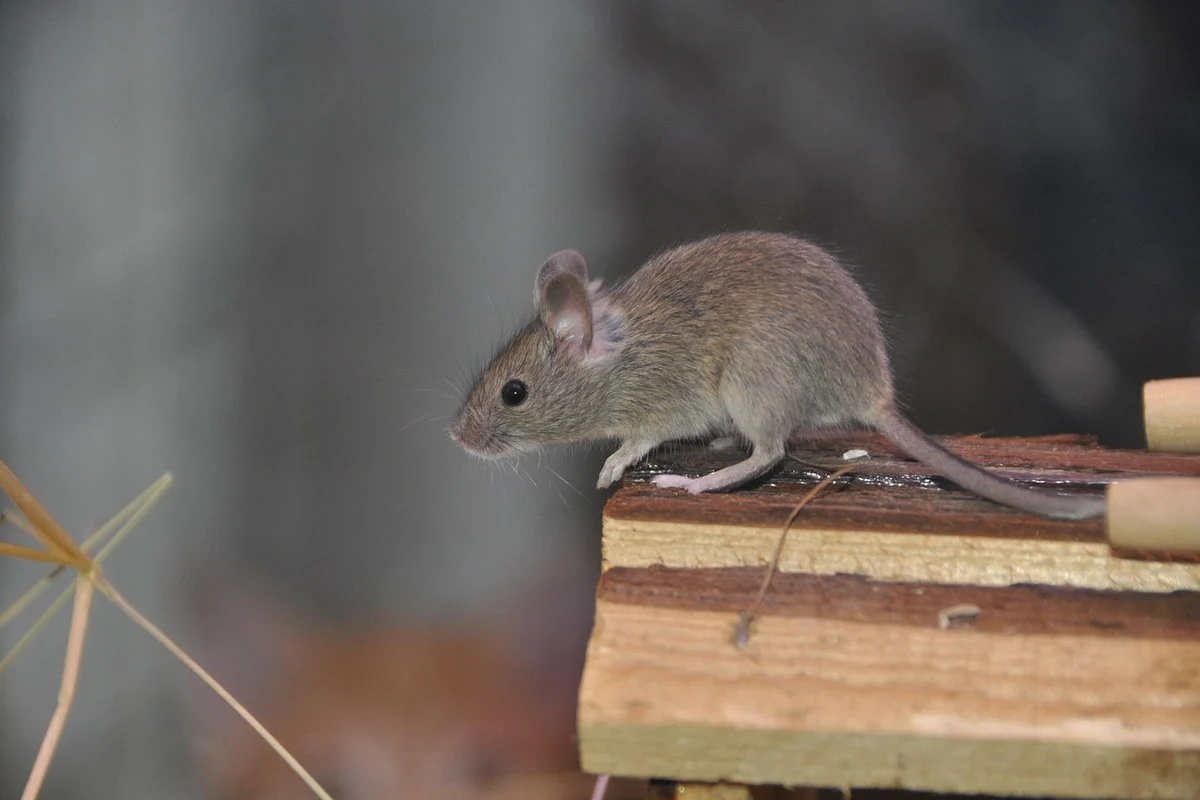
I can usually tell a garage has mice before the homeowner even says a word. You learn to spot the little clues. The most common sign is their droppings. They look like black grains of rice, about a quarter-inch long. You’ll find them concentrated in corners, along walls, or inside cabinets. Sometimes those clues point to bigger pests—skunks taking shelter in the garage. If you suspect a skunk is present, you may want to consult a guide on how to remove skunks pests garage as part of your next steps.
Other dead giveaways include chewed materials like cardboard boxes, electrical wire insulation, or foam sealing strips, and greasy, dirty smudges along baseboards where their bodies rub as they travel. If you find a messy ball of shredded paper, fabric, or insulation tucked in a quiet corner, you’ve found their nest.
Many homeowners ask me, “Are mice in garages really that common?” The answer is a firm yes. Your garage is the perfect mouse motel: it’s sheltered, often cluttered with nesting materials, and frequently stores food like grass seed, pet food, or bags of birdseed. A gap under the garage door or a crack in the foundation is an open invitation. If you’re trying to keep mice out of the garage, sealing gaps helps. More tips will follow.
How to Get Rid of Mice in Your Garage: Trapping Strategies That Work
You have two main options: classic snap traps and live-catch humane traps. From my years of dealing with this, I always recommend heavy-duty snap traps. I’ve tried the plastic humane traps, but mice are clever. They often figure them out, or you’re left with a stressed, live mouse you then have to relocate far from your home.
A properly set wooden or plastic snap trap is a quick, definitive solution. Here’s how I set them up for maximum effect.
- Wear nitrile gloves while handling the traps and bait. Mice can smell your scent, which makes them wary.
- Bait the trap with a tiny dab of creamy peanut butter. It’s sticky, so they have to work for it, triggering the trap.
- Place the trap perpendicular to the wall, with the baited end facing the baseboard. Mice run along walls, so this placement intercepts their path.
- Set more traps than you think you need. For a two-car garage, start with at least 8-10 traps. Space them every 5-10 feet along walls and near any signs of activity.
You’ll see bait stations (boxes with poison bait) and glue traps at the store. I don’t use either in a residential garage. Poisoned mice can die in your walls, creating a terrible odor and a secondary pest problem. Glue traps are inhumane and a safety hazard-they can trap pets, beneficial lizards, or even a child’s fingers. Instead, I use snap traps for any rodent issues in my garage.
Check your traps every single morning and evening. A set trap with a caught mouse is no longer working for you, and you need to dispose of it promptly.
The Gearhead’s Checklist for Mouse Removal
I keep all this gear in a dedicated 5-gallon bucket. It keeps everything in one place and makes the job fast. Here’s exactly what goes in it:
- Traps: A box of Tomcat Press ‘N Set mouse traps. I like these because the plastic mechanism is easier and safer to set than the old wooden ones.
- Bait: A small jar of generic creamy peanut butter. The oilier, the better.
- Safety Gear: A box of heavy-duty nitrile gloves. Never handle a used trap or nesting material with bare hands.
- Tool: A good headlamp. Trying to see into dark corners under shelves with a flashlight in your hand is a pain. A hands-free headlamp is a game-changer.
With this kit ready, you can tackle the problem systematically instead of searching for supplies each time.
Finding and Sealing Every Entry Point: A Critical Step
Your first move is a thorough daytime walkaround of your garage’s exterior and interior. You are looking for their front door. Mice can flatten their bodies to squeeze through a hole the size of a dime, so you need sharp eyes.
Start with the biggest target: your garage door. Crouch down and look at the bottom rubber seal. If you can see daylight, or if the seal is cracked and brittle, that’s a welcome mat. I’ve had great results with aftermarket replacement seals like the Bulb Seal from Seal-Guard; it’s durable and creates a tight compression seal that rodents can’t chew through easily.
Next, inspect every spot where pipes, wires, or cables enter your home from the garage. Look at the holes for your electrical conduit, gas lines, and dryer vents. Even small gaps around these are superhighways for pests. This is also a good moment to pest-proof the garage to protect items stored there. Sealing these gaps now helps deter pests from entering and protects belongings kept in the garage.
Finally, walk the perimeter. Look for gaps where the wooden siding or stucco meets your concrete foundation. Check under the door threshold and around window frames.
Your Sealing Kit: What Works and What Doesn’t
For small holes and cracks, I keep two things in my truck: coarse steel wool and pest-block expanding foam. Here’s my process.
- Pack the hole tightly with steel wool. Mice hate chewing on the sharp strands, so it’s a fantastic temporary blocker.
- Seal over the steel wool with a pest-block foam like Great Stuff PestBlock. The foam expands to fill irregular spaces and contains a bittering agent to deter chewing. Do not use standard spray foam alone; they will gnaw right through it.
For larger gaps around pipes, I prefer to use copper mesh (sometimes called “stuff-it”), then foam over it. Copper doesn’t rust like steel wool can. Sealing these entry points is not a suggestion; it’s the only way to ensure the mice you evict don’t have family moving in next week.
The Safe Cleanup: Removing Droppings, Nests, and Odors
This isn’t a regular Saturday cleanup. Rodent droppings and urine can carry serious diseases like hantavirus. You need to treat this like a controlled job site.
Your Cleaning Personal Protective Equipment (PPE)
Do not skip this gear. A simple dust mask from the hardware store won’t protect you from airborne particles.
- N95 Respirator: This seals to your face and filters out harmful dust and pathogens. A 3M 8210 is a reliable, affordable model I use.
- Rubber Gloves: Thick, disposable nitrile or latex gloves. No fabric gloves-they can absorb contaminants.
- Safety Goggles: Simple wraparound glasses to protect your eyes from splashes or kicked-up dust.
Put this all on before you even open the garage door to start ventilating.
Step-by-Step Sanitation Process
Once suited up, follow this order. The goal is to never stir up dry waste.
- Ventilate. Open the garage door and any windows. Let the space air out for at least 30 minutes before you start working.
- Wet Everything Down. Never sweep or vacuum droppings dry. You must use a spray bottle to thoroughly soak all debris, nests, and contaminated areas with a disinfectant. This keeps particles from becoming airborne.
- Choose Your Cleaner. I typically use one of two options:
- An EPA-registered disinfectant specifically labeled for rodent cleanup (like Lysol Disinfectant Spray). Check the label.
- A homemade bleach solution: 1.5 cups of household bleach in 1 gallon of water. This is effective but can be hard on some surfaces.
- Scrub and Bag. After letting the disinfectant sit for 5-10 minutes, use paper towels or old rags to wipe up all the wetted debris. Immediately place everything-droppings, nesting material, used towels-into a heavy-duty garbage bag. For contaminated insulation, bag it and dispose of it. Tie the bag securely.
- Mop the Floor. Go over the entire affected area with your disinfectant solution and a mop. This provides a final sanitizing layer.
Eliminating Persistent Mouse Odors
If a lingering, musky smell remains after cleaning, you’re likely dealing with urine that has soaked into porous concrete or wood. Surface cleaners won’t fix this.
You need to break down the urine crystals at the source. For this, I’ve had consistent success with enzyme-based odor eliminators. Products like Nature’s Miracle Urine Destroyer or Rocco & Roxie Professional Strength work by using live bacteria to digest the organic matter causing the smell. Soak the area thoroughly and let it dry completely.
For severe, old infestations where the smell is locked into the concrete, your final solution is to seal it in. After a thorough cleaning and drying, apply a coat of odor-blocking primer like Kilz Original or Zinsser B-I-N Shellac-Based Primer. Then you can paint or epoxy over it. I’ve done this in several client garages, and it’s the only method that permanently locks away those stubborn odors.
How to Handle and Dispose of Dead Mice and Used Traps
When you find a successful trap, your job isn’t over. Handling carcasses and contaminated equipment the right way is critical to your family’s health. This process is non-negotiable for safety.
Always wear heavy-duty rubber gloves, like the kind you’d use for washing dishes, and a simple disposable face mask is a smart addition. You want zero direct contact.
- Carry a sturdy plastic grocery bag with you to the trap site.
- Without touching the trap or mouse, carefully open the bag.
- Pick up the entire trap, mouse and all, and drop it directly into the bag.
- Seal the bag tightly, perhaps even twisting it and tying a knot.
- Immediately place this sealed bag into your main outdoor trash can for regular pickup.
I never reuse the classic wooden snap traps, like the Tomcat ones you find at any hardware store. They’re cheap and effective for catching, but they soak up fluids and can’t be truly sanitized. For me, they are a one-and-done item. The risk of spreading bacteria or viruses just isn’t worth the two dollars you save.
If you are using a more expensive reusable trap, like a plastic electric zapper, you must disinfect it. I use a spray bottle with a 10% bleach solution (1 part bleach to 9 parts water). Spray it thoroughly, let it sit for five minutes, then rinse it well with water and let it dry completely before re-baiting. Wear gloves for this entire process.
If you have a severe infestation with many dead mice, it’s responsible to check your local municipal waste website or call them for specific disposal guidelines. Some areas have rules for large-scale animal remains. For one or two mice, your regular trash is almost always fine.
Prevention: Making Your Garage a “No-Mice” Zone for Good
Clearing out an infestation is reactive work. The real win is changing how you manage your garage so mice never think it’s a good idea to come back. This is about consistent habits, not just a one-time fix. To keep bugs and pests out of the garage for good, focus on prevention—seal cracks and gaps, manage moisture, and remove attractants. Small, consistent habits like these prevent infestations before they start.
Recommended Products for Ongoing Prevention
You don’t need a huge budget, but a few strategic purchases make a world of difference. I’ve tested a lot of gear in my own shop and for clients.
Your first and most important purchase is heavy-duty, sealable plastic bins for everything, especially food sources. Cardboard boxes are mouse hotels. I use the Iris Weathertight Totes or similar Vault bins from the home center. They have foam gaskets in the lids that click shut. Mice cannot smell through them, and they absolutely cannot chew through the hard plastic. Move all birdseed, grass seed, pet food, and even bulbs into these immediately. This approach is part of a broader food storage garage safety guide. It covers pest prevention, proper labeling, and safe stacking for long-term storage.
Next, seal the doors. A standard garage door has huge gaps along the bottom. A vinyl door bottom seal, which you can screw into the inside of the door, is an easy weekend project. For the pedestrian door, install a sturdy aluminum threshold with a rubber sweep. I’ve had good results with brands like M-D Building Products. This physically blocks the most obvious entry points. For a complete seal, also install proper garage door seals and thresholds. This simple step closes the remaining gaps and helps keep out drafts and pests.
On ultrasonic repellents, I’ll be honest: my experience is mixed. I tried a popular plug-in model from Victor. In a wide-open, empty space, they might cause discomfort. But in a cluttered garage filled with boxes and shelves that create sound shadows, their effectiveness drops sharply. I don’t rely on them as a primary defense. They are, at best, a supplemental measure.
I strongly advise against using mothballs or ammonia-soaked rags. Mothballs are a pesticide and release toxic fumes that are dangerous for you, your pets, and children. Ammonia is ineffective as a long-term repellent and is a harsh chemical you don’t want to breathe in your enclosed garage space. These are old wives’ tales that create more hazard than help.
Maintenance & Cleaning Routine
Prevention is a habit. Set a calendar reminder for the first Saturday of every month for a 10-minute “garage health check.”
- Walk the perimeter. Look for new cracks in the foundation, gaps around pipes, or holes where siding meets the concrete. A tube of silicone sealant or some copper mesh (which they hate to chew) can plug these on the spot.
- Keep floors clear. Don’t let clutter like bags of recycling, old newspapers, or fabric piles build up against the walls. These are instant nesting sites.
- If you spill any grain or seed while filling a feeder, sweep or vacuum it immediately. Don’t leave them a single free meal.
Twice a year, do a deeper sweep, focusing on the hidden spots where you store things less often. The best time is in the late fall, right before the weather turns cold. Pull everything away from the walls, sweep out the cobwebs and dust bunnies, and look for signs of nibbling or droppings. This removes the cozy nesting materials they seek for the winter. A clean, airy, organized garage is the most powerful mouse repellent you own. Choosing the right garage type—sealed doors, tight weatherstripping, and rodent-resistant materials—helps prevent intrusions year-round.
Your Mouse Control Questions, Answered
What are the best natural repellents to keep mice away from my garage?
Frankly, most natural repellents like peppermint oil or ultrasonic devices are inconsistent. For reliable results, focus on making the environment unattractive: eliminate clutter, store all food in sealed plastic bins, and keep the floor clean of seeds or grains. Your best “natural” defense is a clean, sealed, and organized space.
What cleaning products and techniques should I use to sanitize the garage after an infestation?
Use an EPA-registered disinfectant labeled for rodent contamination or a bleach solution (1.5 cups bleach per gallon of water). The critical technique is to never sweep dry droppings; always spray and soak the area with your cleaner first to keep harmful particles from becoming airborne before wiping up.
What personal protective equipment (PPE) should I wear when cleaning up after mice?
Do not skip PPE. You need an N95 respirator to filter airborne pathogens, heavy-duty disposable nitrile gloves, and safety goggles. A simple dust mask and fabric gloves do not provide adequate protection against the hazards in rodent waste.
How do I eliminate persistent mouse odors from my garage?
For surface odors, use an enzyme-based cleaner like Nature’s Miracle to break down urine crystals. If the musky smell persists in concrete or wood, the final solution is to seal it in with an odor-blocking primer like Kilz Original after cleaning, then apply your floor paint or epoxy.
What steps should I take to prevent future mouse infestations in my garage?
Prevention is a system. First, store all pet food, seed, and bulbs in gasketed plastic bins, not cardboard. Second, maintain a monthly habit of checking your garage perimeter and door seals for new gaps. Finally, keep the floor clear and sweep up any spills immediately to remove food sources.
Final Thoughts on a Mouse-Free Garage
The single most important thing is to find and seal every entry point, or you’ll be right back where you started. This approach also helps keep chipmunks out of your garage. Sealing small gaps around doors and vents keeps them from squeezing in. Focus on these key actions to keep your space clean and protected for good: Stop new mice from getting in by sealing gaps with materials like copper mesh and foam, steel wool, or spray foam insulation. Stay vigilant by checking your traps and bait stations weekly, even after the activity seems to stop. Always wear proper safety gear, like an N95 mask and gloves, during the cleanup to protect yourself from harmful droppings.
Evan Gunther
Evan is a general contractor operating in Columbus, Ohio servicing, maintaining and building residential and commercial garages for over two decades. He has personally redeveloped over 100+ garages and installed and reinstalled over 230+ garage doors in his long tenure. When it comes to giving your garage a face lift or fixing common issues, Evan's the pro. Feel free to reach out to him and follow his Garage Log blog for expert, fact based advice.