
What Battery Does Your Garage Door Opener Really Need?
When your garage door won’t budge during a power outage, knowing your opener’s backup battery type isn’t just helpful-it’s essential. I’ll help you cut through the confusion and find the exact battery your system requires.
In this guide, we will cover how to identify your current battery, the most common types and sizes you’ll find, how to check compatibility with your opener model, and my step-by-step process for a safe replacement.
I’ve swapped hundreds of these batteries in my career, from basic chain-drive openers to modern smart units, and I’ll share the straightforward details you need.
First Step: Identify What You Need to Power
Before you buy a single battery, you need to know which part of your system needs it. You’re not just fixing one thing; you’re maintaining three separate systems that keep your garage running.
- The Wall-Mounted Keypad: This is the unit outside your garage door. It uses small batteries to send a radio signal to the main opener.
- The Handheld Remotes: These are the clickers in your car or by your house door. They work just like a TV remote.
- The Opener’s Backup Battery System: This is the brain and brawn. It’s a dedicated battery inside the motor unit that kicks in when your house power goes out.
Think of your remotes and keypad like a TV remote control—they need just a tiny bit of power to send a signal. The backup battery is more like your car’s backup camera system; it needs enough juice to physically move the heavy door several times during an outage. And just like insulating your garage door can save you energy over time, having a reliable backup power source ensures peace of mind when you need it most.
Your model number is the key to everything. It tells you the exact backup battery and the correct accessory battery sizes. I always find mine on a sticker or label on the main motor unit of the opener, usually on the side or back. Your owner’s manual will have it on the front page too. Write this number down. Getting this right saves you a second trip to the store.
The Two Main Battery Types: Backup Power vs. Remote Power
Once you know what you’re powering, you’ll see there are two completely different battery worlds in your garage.
A backup battery is almost always a Sealed Lead-Acid (SLA) battery. It’s the heavy, brick-shaped battery you’ll find mounted inside the opener’s carriage. I’ve installed hundreds from brands like Chamberlain and LiftMaster. It’s like a small, maintenance-free car battery. It sits in one spot, gets recharged by the opener’s circuitry, and provides serious power. You don’t replace it often, maybe every 3 to 5 years. Are garage door opener battery backups worth it? In most homes, the answer is yes, especially when outages strike.
Your remotes and keypads use common dry cell batteries. These are the small, round batteries you’re used to. For remotes, it’s typically a coin cell like a CR2032. For keypads, you might see two or four AA or AAA batteries. These are single-use, like the ones in a watch or a kid’s toy. I keep a pack of name-brand alkaline AA and AAA batteries, like Duracell or Energizer, in my shop just for these accessories. Since garage door openers and their parts can be finicky, having reliable batteries for the remotes and keypads is essential.
Remember this simple rule: the backup battery is rechargeable and powers the motor. The accessory batteries are disposable and power only the signal. Mixing them up won’t work and could damage your equipment. When checking a backup battery, I use a multimeter. A healthy 12-volt SLA should read about 12.6 to 12.8 volts when fully charged. If it’s reading 11 volts or lower, it’s time for a replacement. Always disconnect the opener from the ceiling outlet before touching the backup battery terminals. If the unit still won’t respond after the battery check, you may need to troubleshoot a reset on a Chamberlain opener. A quick reset often clears minor faults and restores normal operation.
Common Battery Sizes and Where You Find Them
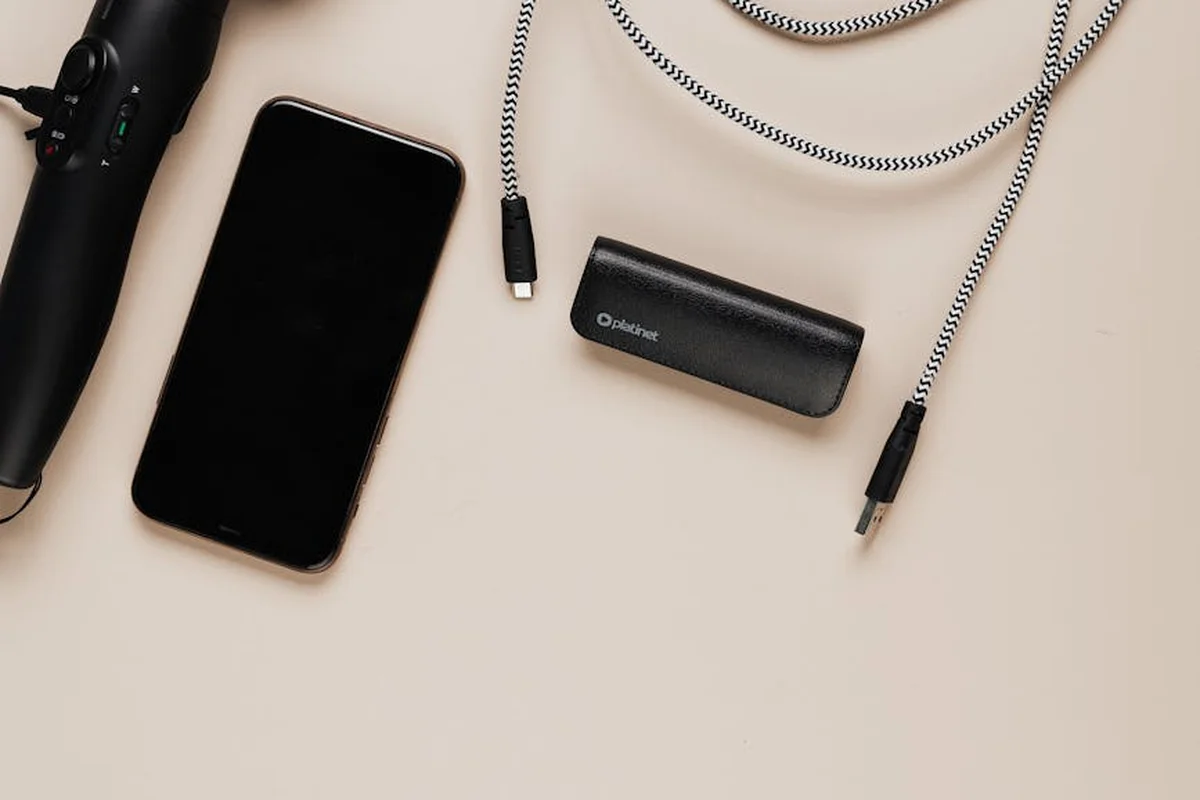
Over the years, I’ve opened hundreds of battery compartments in remotes and keypads. You’ll typically find just a few types in garage door opener remotes.
The most common sizes are:
- CR2032: This is the flat, coin-shaped battery. I find this in probably 7 out of 10 modern remotes and many wireless keypads. It’s the go-to for compact electronics.
- AA and AAA: These are the standard cylindrical batteries you use in TV remotes and flashlights. Some older opener remotes and certain keypad models use these.
- 12V 7-10Ah SLA (Sealed Lead Acid): This is the backup battery for the opener unit itself. It’s a heavy, brick-sized battery that provides power during an outage.
To visualize it, think of a CR2032 as a thick coin, an AA battery as the standard size for a remote, and an SLA battery as a small, dense brick.
For keypads, the answer is specific: most use either a 9-volt battery (the rectangular kind with two terminals on top) or a CR2032 coin cell. I always pop the cover off the keypad first to check before I go to the store.
Understanding voltage is key for safety. The backup system in your opener runs on 12 volts. Your remotes and keypads run on much lower power, typically between 1.5 volts (a single AA) and 9 volts. You should never try to force a battery with the wrong voltage into a device; it can damage the circuits or create a serious fire hazard. This is especially true for garage door opener accessories like keypads and remotes, which rely on proper voltage to operate safely. When selecting these accessories, ensure they are compatible with your model to avoid issues.
How to Know Exactly Which Battery Your Opener Takes
Guessing is the fastest way to waste money and potentially break something. I follow a simple, foolproof process every time.
Your first stop should always be the owner’s manual. It lists the exact battery type for every component. If your manual is long gone (most are), don’t worry. The information is usually printed right on the device.
For your remote or keypad, open the battery compartment. In 95% of cases, the required battery size (like “CR2032” or “AA”) is stamped into the plastic inside the compartment. Look closely around the edges. If it uses a 9V, the connector shape makes it obvious.
For the main backup battery, you need to look at the opener unit in your garage.
- Unplug the opener and find the battery compartment, usually on the side or back of the motor unit.
- Remove the old battery. There will be a label on it listing the Voltage (V) and Amp-hour (Ah) rating, like “12V 7Ah”.
- If the battery label is faded, look for a model number on the opener itself. A quick online search of “model number + backup battery” will give you the specs.
This answers the core question: the battery you need for garage door opener backup is a specific 12-volt sealed lead acid (SLA) battery, not a car battery. A car battery is designed for massive starting power, while an SLA battery is for steady, slow discharge. Using the wrong type can ruin your opener’s charging system. If you’re using a Chamberlain model, you’ll likely need to change the Chamberlain garage door opener battery. The next steps will walk you through a quick, safe replacement.
My rule is simple. If you are unsure, take the old battery with you to the store or take a clear photo of its label. Forcing a battery that’s slightly too big can bend and damage the contact terminals. One that’s too small can rattle loose and short circuit. It’s a five-minute check that prevents a costly or dangerous mistake.
The Gearhead’s Checklist for Battery Replacement
Before you start, gather your tools. Having everything within arm’s reach makes the job faster and keeps you from getting frustrated. I keep a small pouch just for these tasks.
- A small Phillips head screwdriver. The #1 size from my Wera set is perfect for the tiny screws on remote covers. A cheap, bulky one can strip the heads.
- A socket set or wrench. You’ll need this for the backup battery terminals. A 3/8″ drive ratchet with a 10mm socket is what I use 90% of the time.
- Safety glasses and gloves. Batteries can leak. Glasses protect your eyes from a stray drop of acid or a springing terminal clip. I use simple nitrile gloves to keep my hands clean.
- A magnetic parts tray or a small bowl. This is my number one tip to avoid lost screws. Put every screw directly into the tray the moment it comes out.
- Dielectric grease. A small tube of Permatex dielectric grease costs a few dollars. A dab on the backup battery terminals after cleaning them prevents future corrosion and ensures a good connection.
- A voltmeter (optional but smart). If you’re unsure about the health of an old sealed lead-acid backup battery, a quick voltage check tells the story. A healthy 12V battery should read about 12.6V when at rest.
Step-by-Step: How to Safely Swap Your Batteries
Replacing Batteries in Remotes and Keypads
This is a five-minute job if you’re methodical. I’ve done hundreds of these.
- Find the seam on the remote case. Sometimes it’s held by a single screw, sometimes it’s a clip. Look for a small notch or slot to pry.
- Use your small Phillips head. If it’s a screw, turn it counter-clockwise slowly. If it’s a clip, gently work the case apart with your fingers-don’t use a metal tool or you’ll scar the plastic.
- Note the battery orientation. Look at how the old battery sits. The “+” and “-” symbols are stamped on the device. I always take a quick photo with my phone at this stage.
- Handle the new coin cell by the edges with dry hands. The oils from your skin can create a film on the battery that hurts its connection over time.
- Insert the new battery exactly as the old one came out. You’ll feel a firm click or snap when it’s seated in the holder.
Test the remote by pointing it at your opener before you screw the case back together. This saves you from having to take it apart again if the battery was dead on arrival or installed backwards. If the remote still misbehaves, see the garage door opener batteries troubleshoot guide for orientation and voltage checks.
Replacing the Main Opener Backup Battery
This is where we slow down and prioritize safety. You’re dealing with a battery that can spark and a door that has a lot of force.
- Unplug the garage door opener from the wall outlet. This is your primary power cut.
- Pull down on the red emergency release cord and hook it to the ladder. This physically disconnects the opener from the door, so it can’t move even by accident.
- Remove the light lens or side cover to access the battery compartment. Models vary, but it’s usually just a few more screws.
- Photograph the wiring. Use your phone to get a clear shot of which colored wire goes to which terminal. This is your backup plan.
- Disconnect the negative (black) terminal first, then the positive (red). Use your wrench to loosen the nut. Wiggle the cable end off-don’t pull on the wire itself.
- Lift the old battery out. They are heavier than they look. Note which way it faces so the new one goes in the same direction.
- Place the new battery in the tray. Clean the terminal clamps with a wire brush if they look corroded.
- Apply a thin smear of dielectric grease to each terminal post on the new battery.
- Connect the positive (red) terminal first, then the negative (black). Tighten the nuts snugly, but don’t crank them with all your might-you could strip the threads.
Treat these battery terminals like you would a live car battery. Never let a metal wrench or socket touch both the positive and negative posts at the same time. It creates a direct short circuit that can weld the tool, damage the battery, or cause injury.
Maintenance, Lifespan, and Smart Habits
Knowing which battery goes where is only half the battle. The other half is keeping them in good shape so they work when you need them most.
How Long Do These Batteries Really Last?
You can expect about 3 to 5 years from a backup sealed lead-acid (SLA) battery. For the batteries in your remotes and keypads, plan on 1 to 3 years. How often you use your door makes a big difference here. The more you click, the faster they drain.
A backup battery is slowly dying from the day it’s installed, even if you never lose power. I treat mine like a perishable item and proactively replace it every four years. Waiting for it to fail during a storm is a hassle you don’t need.
Watch for these signs that any garage door battery is on its way out:
- Your remote only works when you’re standing right next to the door.
- The light on your opener looks noticeably dimmer when the motor is running.
- When you test the backup system, the door moves sluggishly or not at all.
Your Annual Battery Maintenance Routine
I do this simple check every fall, right before the season of wind and snow that can knock out power. It takes ten minutes and gives me peace of mind.
- Test the Backup System. This is the most important step. Unplug the garage door opener’s power cord from the ceiling outlet. Then, try to open the door using your wall button or remote. It should run on battery power. If it doesn’t, you need a new backup battery.
- Inspect Remote and Keypad Compartments. Open up your handheld remote and your outdoor keypad. Look for any white or green crusty buildup on the battery contacts. If you see it, dip a cotton swab in a tiny amount of white vinegar, gently scrub the corrosion off, and dry it thoroughly with another swab.
- Check the Backup Battery Terminals. Open the compartment on your opener that houses the big backup battery. Look for that same white, crusty corrosion on the metal terminals. A wire brush made for battery terminals works great to clean this off and ensure a strong connection.
Never, ever throw an old lead-acid backup battery in your regular household trash. It’s bad for the environment and often against local codes. Take it to a home center like Home Depot or Lowe’s, or to a dedicated battery recycling center. They’ll take it off your hands for free.
Recommended Products to Keep on Hand
A little preparation saves a last-minute store run. Here’s what I keep stocked in my own garage.
- For Remotes and Keypads: Buy a multi-pack of the right coin cell or alkaline batteries. I like the big packs from Duracell or Energizer. I keep one fresh set in a labeled drawer and the rest sealed in their packaging to preserve shelf life.
- For the Main Backup Battery: Don’t just buy the cheapest SLA battery. Spend a few more dollars on an AGM (Absorbent Glass Mat) style battery. They’re more resistant to vibration, don’t leak, and typically last longer. I’ve had good results with the Universal Power Group (UPG) brand from Amazon, or a direct replacement from Craftsman for my specific opener.
Generic batteries are perfectly fine for your remotes, but for the critical backup that runs your whole door, I stick with a known, reliable brand. The extra $15 is cheap insurance. If you ever need to replace the garage door opener remote battery, having a spare handy speeds things up. A ready replacement keeps Sunday evenings calm and hassle-free. Finally, get a simple plastic battery organizer. It keeps all your spares sorted, dry, and easy to find when a remote dies on a Sunday evening.
Garage Door Opener Battery FAQ: Quick Pro Answers
Are all garage door opener batteries rechargeable?
No. Only the main backup battery inside the opener unit is rechargeable (a Sealed Lead-Acid type). The batteries in your remotes and keypads are standard, disposable dry-cell batteries and should never be recharged. Do not try to use rechargeable AA/AAA batteries in your keypad, as their voltage output can be inconsistent.
Why is voltage so critical when choosing a battery?
Voltage is the electrical “pressure” the device is designed to handle. Using a battery with a higher voltage (like forcing a 9V where a 3V coin cell belongs) can instantly fry the sensitive circuitry in your remote. Always match the voltage specified in the compartment or manual exactly.
Can I use a slightly different battery size if it fits?
Do not improvise. Even if a battery seems to fit, a different physical size can lead to poor contact, rattling, or short circuits. For the main backup battery, a different Amp-hour (Ah) rating can damage the opener’s charging system. Always use the exact size and specification.
What’s the most important safety rule when replacing the backup battery?
Always disconnect the opener from its ceiling power outlet FIRST, and then disconnect the negative (black) terminal on the battery before the positive (red). This sequence prevents accidental sparks. Treat the terminals like a live car battery-never let a metal tool touch both at once.
How can I get the longest life from my backup battery?
Perform an annual load test by unplugging the opener and running the door on battery power. This keeps the battery chemistry active. Proactively replace it every 4-5 years, as its capacity degrades with age even if you never have a power outage.
Getting the Right Battery for Your Garage Door Opener
My most important advice is to always use the exact battery type and size your opener’s manual specifies. Treating the battery as a critical safety component, not an afterthought, is the best way to ensure your garage door works when you need it most. If your current opener is aging or unreliable, you may want to consider replacing the garage door opener to maintain safety. Keep these final points in mind:
- Match the voltage first. A 6V opener needs a 6V battery.
- Stick with trusted brands like Duracell or Energizer for dependable power.
- Check the date code and buy the freshest battery you can find.
- Test your opener’s backup function twice a year, just like your smoke alarms.