
How Do You Pick the Perfect Paint for Your Garage Door?
Worried your garage door paint will blister in the heat or chip from weather exposure? I’ll show you the exact methods I use to get a finish that lasts years.
In this guide, we will cover how to select the best paint type for your material and climate, the necessary steps to prep your door correctly, and the application techniques that prevent runs and ensure even coverage.
With over a decade of hands-on experience maintaining and painting garage doors, I’ve learned what works and what doesn’t.
Start by Diagnosing Your Garage Door
Before you buy a single brush, you need to know what you’re working with. The material of your garage door dictates everything from your cleaning method to the type of paint you’ll use. Getting this wrong is the fastest way to a job that peels or fails in a year.
Here’s how I identify door material on a service call. For steel, run a magnet over the surface; if it sticks firmly, you have a steel door. Aluminum won’t attract the magnet, feels lighter, and is often cooler to the touch. Wood is usually obvious by its grain and weight, but you can also check the backside or the top edge for unfinished material. Vinyl has a distinct plastic look, is flexible, and often has a textured finish that mimics wood grain. Steel doors resist dents with lower upkeep; wood doors offer classic looks but need more maintenance.
Next, do a hands-on inspection. Put on some gloves and get close.
- Look for rust spots, especially along the bottom panel and around hardware.
- Feel for peeling paint or cracked finish. Use a plastic putty knife to gently scrape a flaky edge; if a large section lifts easily, that’s a problem area.
- Check for fine cracks or chalkiness, which means the old coating is breaking down.
- Wipe a clean, white rag along the door’s center. Grease, road grime, and tree sap are common and will ruin paint adhesion.
This process answers the question of how you assess condition and material. You’re looking for anything that will prevent a new coat of paint from bonding solidly to the old surface.
Many homeowners ask, “Can you paint a vinyl garage door?” My answer is yes, but with a massive caveat. Painting vinyl is possible, but only if you use a high-quality acrylic latex paint and a bonding primer designed for plastics. I’ve had good results with a product like Zinsser Bulls Eye 1-2-3 as a primer. Without this specialized primer, the paint will almost certainly peel off in sheets, especially when trying to remove old paint.
Special Considerations for Different Door Materials
Each material demands its own prep strategy. Treating them all the same is a recipe for a callback.
For steel doors, rust is your enemy. I use a wire brush or a cordless drill with a sanding flap wheel to remove every speck of rust down to bare, shiny metal. After sanding, I wipe the area with a rag dampened with mineral spirits to remove dust. A rust-inhibitive primer, like Rust-Oleum Clean Metal Primer, is non-negotiable for any bare spots. To prevent rust from returning, apply a protective topcoat. Regularly inspect the door for chips and moisture buildup to catch problems early.
For wooden doors, your fight is against rot and cracks. Probe soft spots with a screwdriver. Fill any holes or cracks with an exterior-grade wood putty-I like Bondo All-Purpose Putty because it sands smooth. Sand the entire door with 120-grit paper to rough up the surface for the new paint to grip. Always prime bare wood; it seals the grain and prevents tannin stains from bleeding through.
For vinyl doors, prep is all about creating a surface the paint can stick to. Clean the door thoroughly with a trisodium phosphate (TSP) substitute to remove all gloss and mildew. Rinse it completely and let it dry. The critical step is applying an adhesion-promoting primer made for plastics or vinyl siding. I’ve skipped this step on a test panel, and the paint peeled off in one piece after a single winter. Use only 100% acrylic latex paint on top, as oil-based paints can become brittle and crack on flexible vinyl. Make sure to calculate the right amount of paint for your project with a paint calculator.
Picking the Right Paint and Primer
Walking down the paint aisle can be overwhelming. Let’s break it down based on what lasts on a metal painted garage door, which faces sun, rain, and temperature swings daily.
The classic debate is oil-based (alkyd) versus water-based (acrylic latex) paint. For most homeowners now, my advice leans heavily toward high-quality acrylic latex.
- Oil-Based Paints dry to an extremely hard, durable finish that resists stains. The downside? They yellow in the sun, require harsh chemicals like mineral spirits for cleanup, and have a strong odor that lingers. They also become brittle over time, which can lead to cracking.
- Acrylic Latex Paints are more flexible, which helps them expand and contract with the door. They resist fading from UV rays, clean up with soap and water, and have low odor. Modern formulas are incredibly tough. I’ve had great durability with brands like Sherwin-Williams Duration or Behr Premium Plus for a DIY-friendly option.
Primer is your insurance policy. It’s non-negotiable in three scenarios: when you have bare wood, bare metal (especially steel), or when you’re covering stubborn stains like water marks or rust. If you’re painting over existing paint that’s in good shape-smooth, tightly adhered, and a similar color-you can often use a paint-and-primer-in-one product. When in doubt, I always use a separate primer. It creates a uniform, sealed surface that ensures your topcoat looks even and lasts longer.
For sheen, avoid flat paints. They stain easily and are hard to clean. A satin or semi-gloss finish is the way to go. Satin offers a subtle glow and hides surface imperfections well, while semi-gloss provides a tougher, more washable surface ideal for high-touch areas. I typically use satin for the main door panels and semi-gloss for trim and handles for a bit of contrast and extra protection.
The Gearhead’s Checklist for Garage Door Painting
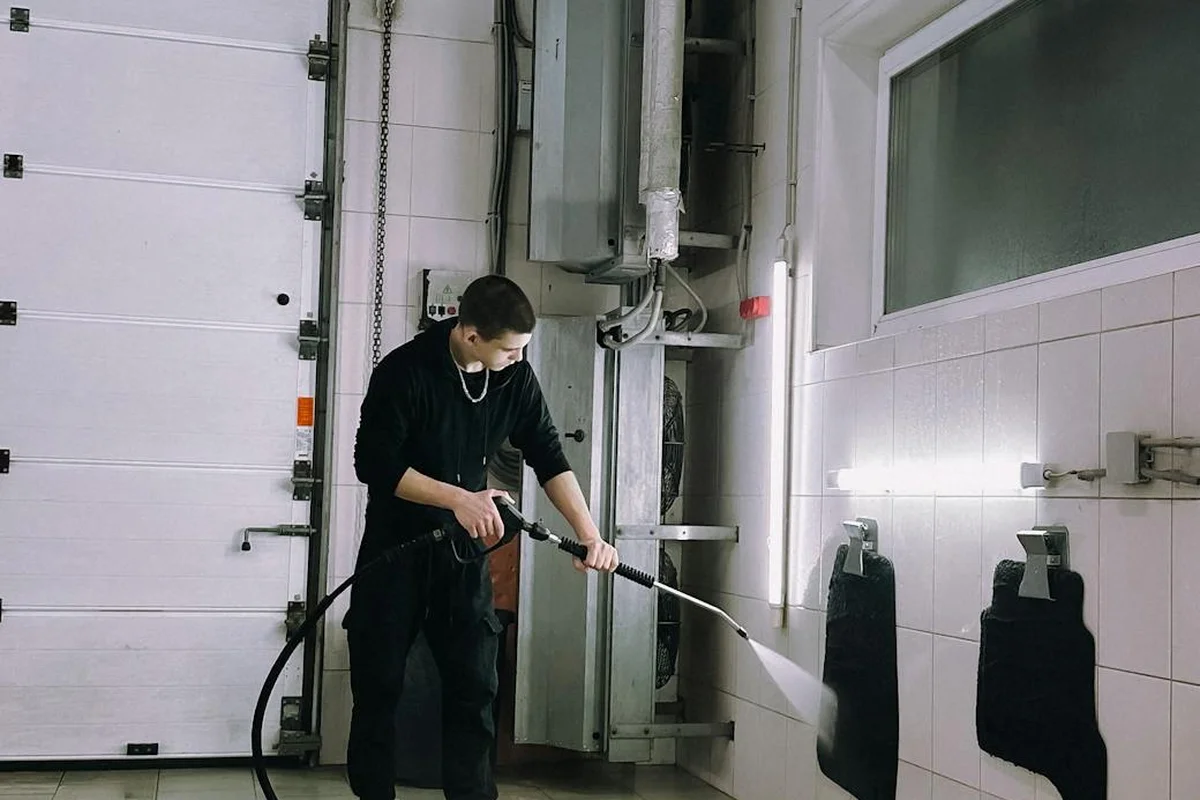
Let’s get your tools lined up on the bench. What specific tools and materials are needed? I’ll give you my exact list, the same one I use before any job. Having everything ready before you start prevents a mid-project panic run to the hardware store.
For prep and cleaning, you’ll need:
- A bucket of warm, soapy water (dish soap works fine) and a car wash mitt or soft sponge.
- A dedicated, heavy-duty degreaser like Simple Green or Krud Kutter for any oil spots or road grime.
- A garden hose with a spray nozzle and a squeegee or clean microfiber towels for drying.
- Sandpaper. I keep multiple grits on hand: 80-100 grit for rough spots or peeling paint, and 120-150 grit for final smoothing and scuffing the entire surface. A sanding block makes this much easier.
- Painter’s tape (1.5-inch blue tape is my go-to) and plastic sheeting or drop cloths to protect the driveway and surrounding trim.
For the paint job itself:
- A high-quality synthetic brush, like a Purdy or Wooster. I avoid cheap brushes because they shed bristles and leave a streaky finish, which ruins your hard work.
- A small 4-inch roller with a 1/4-inch nap microfiber sleeve. This nap is perfect for getting a smooth finish on the flat panels of a garage door.
- A roller tray and an extension pole if your door is tall.
- Paint. This is non-negotiable: 100% exterior acrylic latex paint. It’s flexible to handle temperature swings and durable against sun and moisture.
- A bonding primer. If you’re painting over bare metal, a glossy finish, or a different paint type, this is your best friend for adhesion.
Safety gear isn’t optional; treat it like another tool. You need safety glasses, a proper respirator (look for an N95 mask rated for dust and vapors, not just a paper mask), and nitrile gloves to keep chemicals off your skin.
Now, let’s talk tools. A synthetic brush versus a roller nap? I use both. The brush is for cutting in the edges, corners, and recessed panels-places the roller can’t reach. The roller covers the large, flat areas quickly and smoothly. When does a sprayer make sense? If you have a very detailed, multi-panel wooden door or you’re painting multiple doors, a sprayer is the fastest method. But for most single steel doors, the brush and roller method is less messy, easier to control, and gives a fantastic finish without the overspray headache.
Recommended Products (Category Focus)
Here’s a breakdown of the product categories you should focus on, based on what’s worked for me in the field.
- Exterior Acrylic Latex Paint: Look for paints labeled for trim, doors, and siding. Brands like Sherwin-Williams Duration or Benjamin Moore Aura are top-tier. A good mid-range option is Behr Marquee from Home Depot. The sheen is personal, but I recommend a satin or semi-gloss; they resist dirt better than flat paint and are easy to wipe clean.
- Bonding Primers: For metal, Zinsser Bulls Eye 1-2-3 is a reliable, water-based option. For tricky surfaces or severe adhesion concerns, an oil-based primer like Zinsser Cover Stain is unbeatable, but requires proper ventilation.
- Degreasers: Simple Green All-Purpose Cleaner is my standard. For tough, baked-on brake dust or oil, Krud Kutter is more aggressive and works wonders.
- Sandpaper Grits: Don’t buy just one pack. Get a multi-pack with assorted grits. The 80/100 grit is for heavy lifting, and the 120/150 grit is for the final, gentle scuff that gives the primer something to grip.
- High-Quality Synthetic Brushes: Purdy CLEAR-CUT or Wooster Silver-Tip brushes are shop staples. They hold paint well, don’t leave brush marks if used correctly, and last for years if cleaned properly.
My biggest piece of advice here is to avoid interior paint and the cheapest brushes on the shelf; they simply can’t stand up to the weather beating a garage door takes. For the best paint garage walls, choose a durable exterior-grade or epoxy-based finish that resists moisture and wear.
The Pro’s Prep and Paint Process
This is where the real work happens. How do you properly prepare the surface? Great prep is 90% of a great paint job. Follow these steps in order.
- Safety First. Disconnect the garage door opener by pulling the red emergency release cord. Manually lower the door until it’s fully closed and locked in place. Open any windows in the garage for ventilation and ensure your workspace is well-lit.
- Deep Clean. Wash the entire door with soapy water and your mitt. For any greasy spots, spray on your dedicated degreaser, let it sit for a minute, then scrub and rinse thoroughly. Let the door dry completely.
- Sand and Scuff. Use your 120-150 grit sandpaper to lightly scuff the entire painted surface. You’re not trying to strip it bare, just dull the gloss so the new paint can stick. For any peeling or chipped areas, sand them smooth with the coarser grit until the edges are feathered. Wipe away all dust with a damp cloth.
- Mask and Protect. Tape off any adjacent trim, windows, or hardware you don’t want painted. Lay down your drop cloths.
- Prime (If Needed). If you’re painting over bare metal, a glossy surface, or making a drastic color change, apply a thin, even coat of your bonding primer. Let it dry completely as per the can’s instructions.
Now for the painting technique. Always work from the top down to catch any drips as you go. Use your brush to first “cut in” all the edges, corners, and detailed recesses of the panels. Then, immediately use your roller to cover the large, flat areas of that same panel before the brushed edges dry. This method of maintaining a “wet edge” prevents visible lap marks. Apply thin coats. It’s better to do two thin coats than one thick, drippy one. Let the first coat dry completely before applying the second.
What’s the fastest method? Spraying. A sprayer applies paint incredibly quickly and evenly. The pros are speed and a factory-like finish on complex surfaces. The cons are the significant setup and cleanup time, the cost of the equipment, and the need to mask off absolutely everything nearby because of overspray. For a one-off homeowner project, mastering the brush and roller is often the simpler, more controlled path to a great result.
Working With the Weather and Temperature
Paint is fussy about its environment. How do you account for weather conditions? You plan around them. The sweet spot for painting is a dry day with temperatures between 50°F and 85°F and humidity below 70%.
Think of paint curing like baking cookies. If it’s too cold, the paint stays tacky forever and can’t form a hard shell. If it’s too hot, the surface skin forms too fast, trapping moisture underneath and causing blisters or poor adhesion. High humidity slows drying to a crawl.
My rule is to check the forecast and plan to start painting in the late morning, after the dew has dried, and finish in the early afternoon. Avoid painting in direct, hot sun, especially on a metal door. The surface can get scorching hot, causing the paint to dry almost instantly and leading to brush marks and poor leveling. Equally, never paint if rain is forecast within 24 hours. A sudden shower can ruin a freshly painted surface, causing runs or water spots that are impossible to fix without starting over.
Keeping Your Newly Painted Door Looking Good
You’ve put in the work to paint your garage door. Now, you need to protect that investment. The job isn’t truly done until the paint has fully set and you have a plan to keep it looking sharp. Here’s how I handle this phase on every job.
Give It Time to Dry and Cure
This is the step homeowners are most eager to skip, but patience here makes all the difference. Drying and curing are not the same thing.
Your door will be dry to the touch in a few hours, but it will be soft and easily damaged for much longer. I treat it like a wet nail polish job on a grand scale.
Here’s my rule of thumb, based on using brands like Sherwin-Williams Duration or Behr Premium for most exterior jobs:
- Do Not Operate the Door for 24-48 Hours: Leave it completely shut. Any movement can cause the panels to stick together or create hairline cracks in the fresh paint at the seams.
- Full Cure Takes Weeks: Paint reaches maximum hardness and durability over 2-4 weeks. Avoid washing it or pressing anything against it during this time. Humidity and cold weather can stretch this timeline.
A Simple Maintenance Routine
Once cured, maintaining your door is straightforward. I tell my clients it’s less work than washing their car.
Twice a year, give the door a gentle wash with a bucket of warm water and a few drops of mild dish soap, like Dawn. Use a soft car wash mitt or a microfiber cloth. Start at the top and work down to avoid streaks. Rinse thoroughly with a garden hose, using a gentle spray, not a power washer jet.
Once a year, do a close-up inspection. Walk along the door and look for any nicks, chips, or early signs of rust, especially along the bottom rail. Catching a small chip early lets you touch it up with a tiny brush before moisture gets behind the paint.
When to Consider Repainting
A quality exterior paint job on a garage door should last 5 to 10 years. You’re not on a strict schedule; you repaint based on condition. Choosing the right garage paint colors can also impact the longevity and appearance of the paint.
I look for three clear signals:
- The color has noticeably faded or chalked, losing its richness.
- There’s widespread minor chipping or peeling, not just a couple of isolated spots.
- The surface looks dull and chalky to the touch, even after a good cleaning.
If you see these signs, it’s time to plan for a refresh. Don’t wait until bare metal or wood is exposed, as that invites bigger repair jobs.
A Quick Note on Color Choice
This decision often comes up. For curb appeal, a door that contrasts with your house’s siding makes it a focal point. A white door on a dark gray house, for example, really pops.
For a unified look, matching your door to your trim or shutters is a classic, safe approach that always works. I’ve used color-matching services at the paint store to perfectly replicate existing trim colors with great success. In the end, choose a color you’ll enjoy seeing every day for the next decade.
Garage Door Paint FAQ: Pro Advice for Lasting Results
1. The paint can says “paint and primer in one.” Do I still need a separate primer?
Most of the time, yes. Those combo products work for surfaces in near-perfect condition. For garage doors-where you often deal with weathered paint, bare spots, or material changes-a dedicated bonding primer is your insurance for adhesion and durability. It’s a non-negotiable step for metal, wood, or vinyl.
2. How do I know if my door is properly prepped and ready for paint?
Run two quick checks. First, the “snag test”: lightly drag a nylon stocking over the sanded surface; if it snags, you have rough spots that need more smoothing. Second, the “water test”: sprinkle water on the door; if it beads up, the surface is still too glossy and needs more scuff-sanding for the paint to grip.
3. Can I paint my garage door if it’s damp from morning dew or humidity?
Absolutely not. Painting over moisture is the fastest way to cause blistering and peeling. The surface must be bone-dry. Always wait until the sun has fully dried the door and paint when the relative humidity is below 70% for proper drying and curing.
4. When would you actually recommend an oil-based paint over acrylic latex?
I rarely do. The only exception is for specific, oil-based rust-inhibitive primers on heavily corroded steel before topcoating with acrylic. For the final coats, modern 100% acrylic latex is superior in flexibility and UV resistance, which is critical for a garage door’s expansion and contraction.
5. What’s the most common safety mistake homeowners make during this project?
Inadequate respiratory protection. Sanding old paint creates fine dust, and painting releases fumes. A basic dust mask isn’t enough. Use a properly fitted NIOSH-approved N95 respirator for sanding and a vapor cartridge filter for painting in enclosed spaces.
Final Thoughts on Garage Door Painting
The one non-negotiable step is preparing the surface perfectly; no premium paint will stick to a dirty, flaking door, be it steel, wood, or aluminum. From there, your project’s success rests on three simple choices: picking the right paint for your door’s material, using the correct tools to apply it, and giving it the full time to cure. I keep my own doors looking sharp for years by sticking to a basic routine.