
How Do You Paint a Metal Garage Door (And Make It Look Like Wood)?
If your metal or roll-up garage door is looking faded, rusty, or just plain tired, you can absolutely restore it yourself. I’ll guide you through the professional steps to get a durable, great-looking finish that lasts.
In this guide, we will cover selecting the right type of paint and primer for metal, the non-negotiable prep work, application techniques for a smooth coat (or a convincing wood grain), and how to maintain the color for years.
My advice comes from hands-on experience restoring dozens of garage doors, from basic paint refreshes to full faux-wood transformations.
Yes, You Can Paint That Door: Clearing Up the Common Doubts
Let’s tackle the big questions head on. Can a metal garage door be painted? Absolutely. Can you paint your garage door black? You bet, but I’ll get to color choice in a bit. Most factory-painted steel and aluminum roll-up doors are excellent candidates for a fresh coat. The factory finish is just a starting point, not a life sentence.
The single most important lesson from my years in the shop is that your preparation work is more critical than the paint you buy. A cheap paint applied to a perfectly prepped surface will outlast a premium paint slapped over dirt and gloss. Your goal is to create a surface the new paint can grip onto for years.
I always tell homeowners to inspect their door closely first. Painting is not a fix for structural problems. If you have severe rust that’s eaten through the metal, dents that have cracked the finish, or panels that are buckling, address those issues with a professional before you even think about paint. Painting over major damage is just hiding a problem that will get worse.
The Truth About Painting Different Door Materials
Not all garage doors are created equal, and your approach changes with the material. For a standard steel door, the process is straightforward. The steel is usually coated at the factory, so you’re working over that existing layer. Aluminum doors are similar but can be trickier. If you’re planning to paint aluminum metal garage doors, start with a primer and a topcoat designed for aluminum to ensure lasting adhesion. Bare aluminum requires a primer specifically formulated for non-ferrous metals to prevent adhesion failure; I’ve had good results with a product like Rust-Oleum Clean Metal Primer.
What about fiberglass or vinyl doors? My general advice is don’t paint them. These materials are designed to flex, and most paints aren’t. You’ll likely end up with a cracked, peeling mess within a year or two as the door moves with temperature changes. If the color is faded, a dedicated restoration product for that specific material is a safer, though not always perfect, bet. This is especially important when compared to steel or wood garage doors that have different maintenance needs.
The Garage Pro’s Toolkit: Your Gearhead’s Checklist
You wouldn’t rebuild an engine with a screwdriver and a rock. Painting your garage door right requires the right tools. Skimping here is where DIY jobs go wrong, especially when it comes to properly removing old paint before applying new. Invest in quality tools once, and they’ll make this job—and every future painting project—easier.
Essential Tools for Preparation and Painting
Here’s my non-negotiable list, gathered from doing this more times than I can count:
- Cleaning: A pressure washer is ideal, but a garden hose with a strong nozzle and a stiff brush works. You’ll also need a degreaser. I use powdered TSP (trisodium phosphate) substitute because it cuts grime without being as harsh as the original formula.
- Sanding: Get 150-grit and 220-grit sandpaper sheets. A simple rubber sanding block makes the work consistent and saves your hands. For glossy finishes, the 150-grit dulls the surface. The 220-grit smooths everything out before priming.
- Protection: Good painter’s tape (I prefer FrogTape for sharp lines) and canvas drop cloths. Plastic sheets can get slippery when wet.
- Application: This is where preference comes in. I use a 2-inch angled sash brush from Purdy for cutting in around windows and edges-it gives me control. For the large panel areas, a 4-inch high-density foam roller on an extension pole is my go-to. It lays down a smooth finish without brush marks. A standard metal paint tray rounds it out.
Choosing the Right Paint and Primer
Walk into any store and you’ll be overwhelmed. Here’s how to cut through the noise. For the paint itself, you want a 100% acrylic latex exterior paint. The acrylic gives it the flexibility to expand and contract with the metal through summer heat and winter cold without cracking. Brands like Sherwin-Williams Duration or Benjamin Moore Aura are top-shelf, but Behr Dynasty from Home Depot is a very solid consumer-grade option I’ve used.
Primer is not optional. If your door is glossy, has bare spots, or you’re making a drastic color change (like going from white to black), you must use a primer. A high-quality bonding primer, such as Zinsser Bulls Eye 1-2-3, is perfect. It sticks to the sanded old paint and gives your new color a uniform base to cling to.
For sheen, I recommend satin or semi-gloss. A flat finish will show every fingerprint and water spot. A high-gloss can look too shiny and highlight any surface imperfections. Satin strikes the best balance-it’s durable, washable, and looks professional.
How Much Paint Do You Need?
Don’t guess. Running out mid-job is frustrating. A standard 16×7 foot double-car garage door has about 100 square feet of paintable surface per side. Since you’re painting the exterior, that’s your target. One gallon of quality paint will cover that area with two coats, with a little left over for touch-ups. To tailor this precisely, a paint garage door calculator can estimate the exact quantities based on door size and coats. If your door is significantly larger, has many windows, or you’re using a deep color like black or navy (which often require a third coat), buy a gallon and a quart to be safe.
Step-by-Step: How to Paint a Metal Garage Door for Good
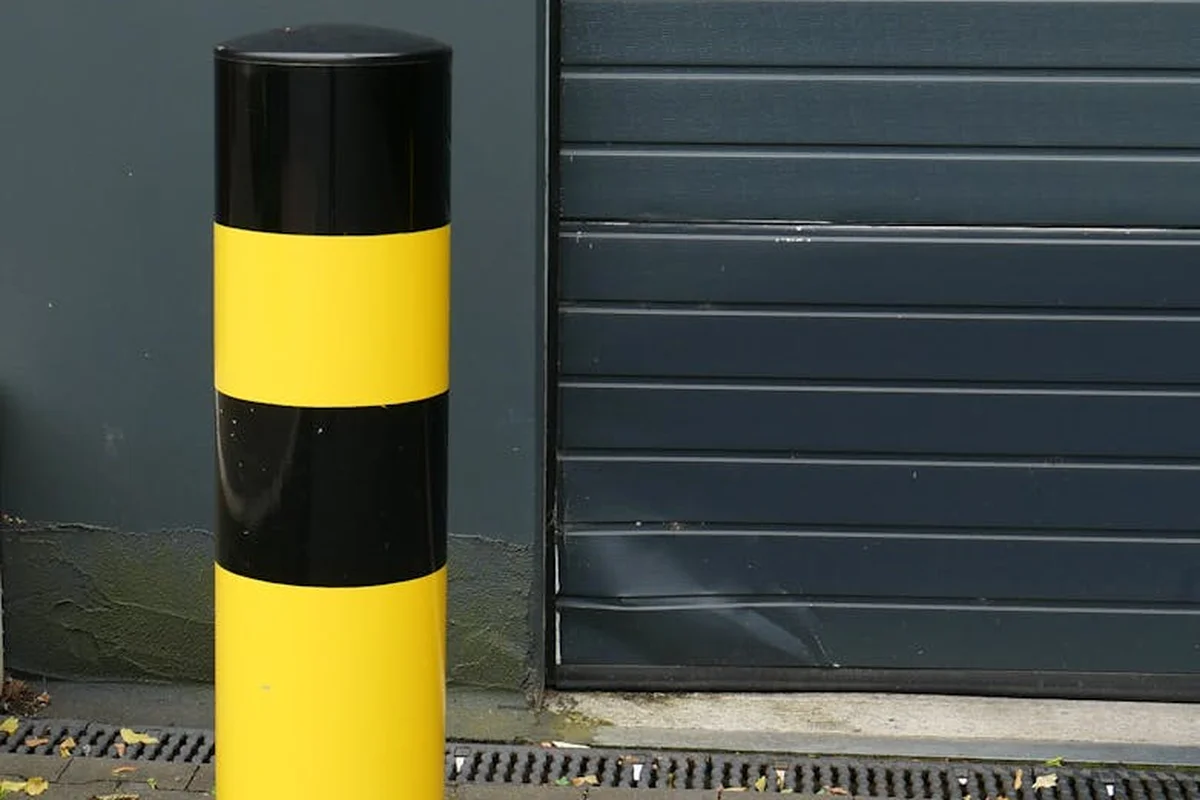
Before you touch a brush, you need to make the door safe to work on. Go to your garage door opener and find the manual release cord, usually a red handle. Pull it down to disengage the opener from the door. Now, manually lift the door about halfway up and lock it in place with a pair of vise-grip pliers clamped onto the track just below a roller. This stops the door from moving and protects your fingers. With that done, you can focus on the job.
Step 1: Deep Clean Every Surface
Paint will not stick to dirt or grease. I mix a solution of trisodium phosphate (TSP) substitute with warm water in a bucket. Brands like Krud Kutter work great for this. Using a stiff-bristle brush or a sponge, scrub the entire door, getting into every groove and around the windows. If you have a pressure washer, you can use it on a low, wide-fan setting (around 1,500 PSI) to rinse, but hold it at an angle. Do not blast water directly into the panel seams or weather seals. Let the door dry completely. On a sunny day, this might take an hour. On a humid day, give it three. Touch the surface to be sure it’s not cool or damp.
Step 2: Sand and Scuff for Paint Adhesion
New metal doors have a slick factory finish, and old paint gets glossy. You need to rough it up so the primer has something to grip, what painters call a “tooth.” I use 150-grit sandpaper. For the big, flat panels, I wrap the paper around a rubber sanding block. This keeps the pressure even and prevents finger grooves. For the detailed trim and grooves, I just fold a small piece and sand by hand. The goal isn’t to sand down to bare metal everywhere, just to make the entire surface uniformly dull. No matter whether your door is steel, wood, or aluminum, a thorough cleaning is essential before priming. Cleaning removes oils and dust so the primer and paint adhere evenly. Once you’re done, wipe the whole door down with a tack cloth. This sticky cheesecloth grabs the fine dust a regular rag will just smear around.
Step 3: Apply Primer – The Secret to Longevity
This step is your insurance policy against peeling and rust. I always use a high-quality bonding primer like Zinsser Bulls Eye 1-2-3. For tools, get a 2-inch angled sash brush for the edges and trim and a 4-inch foam roller with a 3/8-inch nap for the panels. Pour your primer into a paint tray. Use the brush to “cut in” all the edges of one panel, then immediately use the roller to fill in the center. Apply a thin, even coat-a thick, gloppy primer will take forever to dry and can cause problems later. Let it dry completely. Check the can, but in good conditions, this is often 2-4 hours. If you’re painting a door that’s already painted and isn’t chalking or peeling, you might skip primer if you’re using a high-quality paint-and-primer-in-one product. I still prime because I’ve seen it last years longer.
Step 4: Paint in Thin, Even Coats
For the topcoat, use a 100% acrylic exterior paint. I’ve had excellent results with Behr Marquee or Sherwin-Williams Duration for garage doors. They hold up to sun and weather. Use the same brush-and-roller technique as with the primer. Work on one panel at a time, cutting in the edges with your brush and then rolling the center. The key is to maintain a “wet edge,” which means you roll over the brushed areas before they start to dry, blending everything together seamlessly. Always work from the top of the door down so you catch any drips. Let the first coat dry for the time specified on the can, usually 4 to 6 hours. Then, apply your second coat the same way. Two thin coats will look more professional and last much longer than one thick one.
Painting a Roll-Up Garage Door: Special Techniques You Need
Painting a roll-up door isn’t like painting a wall or a solid wood door. The biggest challenge is that it’s a moving assembly of hinged sections that roll over a curved track. If you paint it while it’s open or partially open, the paint on the panels will crack and peel the first time you bend it around that track. I learned this the hard way on a client’s door early in my career, and it was a messy, time-consuming fix.
You must paint the entire door while it is in the fully closed and locked position. This ensures the panels are flat and the seams between them are consistent, giving you an even surface to work on. It also prevents the fresh paint from sticking adjacent panels together when you try to open it later.
Managing the Sections and Seals
Before you even think about opening a paint can, you need to protect the parts of the door that should never get paint. Grab a good quality painter’s tape, like the green 3M FrogTape. You’ll use it to mask off the rubber weatherstripping seals along the bottom and sides of the door frame. Paint on these seals will make them brittle and ruin their ability to keep out drafts and water.
The trickiest part is dealing with the horizontal seams where the door panels meet. When the door is closed, you see the front of each panel, but the top edge of the panel below is hidden. If you don’t paint that hidden edge, you’ll see a bright, unpainted line every time you open the door. Here’s my shop-tested method to fix that:
- Insert a slim 1-inch putty knife gently into the seam between two panels.
- Apply very light pressure to pry the seam open just enough to see the metal edge of the lower panel. You’re not forcing it, just creating a tiny gap.
- Use a small, angled trim brush (I like the Purdy 1.5-inch model) to carefully paint that exposed edge. A small brush gives you control and prevents drips inside the door.
- Remove the putty knife and move to the next seam, working your way up the door.
Be militant about keeping paint off the functional hardware. Do not paint the rollers, the hinges, or the steel tracks on either side of the door. Paint on the rollers will gum them up and cause noisy, jerky operation. Paint in the tracks acts like sandpaper, wearing down the rollers and straining your opener. If you get a drip there, wipe it off immediately with a rag dampened with the appropriate solvent (mineral spirits for oil-based, water for latex). This is especially important for proper garage door opener maintenance.
Keeping the Color Fresh: Your Maintenance and Cleaning Routine
The biggest secret to a long-lasting paint job isn’t a magic paint. It’s a simple schedule. A little regular care prevents big, expensive problems later. Think of it like changing the oil in your car. The most common question I get is, “How do I keep the color from fading?” The answer is straightforward: keep it clean and fix small damage fast.
Protecting your investment means creating a habit of looking at your door twice a year and spending thirty minutes on upkeep.
Bi-Annual Cleaning for a Like-New Look
I wash my own garage door every spring and fall. In the fall, I’m washing off summer pollen and bug splatter. In the spring, I’m removing winter’s road salt and grime, which are brutal on paint and metal.
Here’s my shop-tested method:
- Rinse the door thoroughly with a garden hose. Avoid a high-pressure nozzle, as it can force water behind seals.
- Mix a bucket of warm water with a capful of a pH-neutral car wash soap, like Meguiar’s Gold Class. Dish soap is too harsh and strips wax.
- Use a soft, long-handled car wash brush or a microfiber mitt. Start at the top and work down, scrubbing each panel gently.
- Rinse completely with the hose until the water runs clear.
- Dry the door with a clean, soft chamois or a microfiber towel. This prevents water spots, which leave mineral deposits on the finish.
This simple wash removes the corrosive dirt and salts that slowly eat through the clear coat and cause the color underneath to dull and fade.
Inspecting for and Fixing Minor Damage
When you do your bi-annual wash, that’s your time to inspect. Look closely at the bottom panels and edges where rocks and debris hit. Run your fingers along the trim. You’re looking for three things: paint chips, deep scratches, and the tell-tale rough, reddish-brown spots of rust.
Catching these early is everything. A nick you fix today won’t become a rust bubble you have to grind out next year.
Touching Up Paint Chips
For small chips from gravel, I keep a touch-up kit. I use the original paint, a small can of the matching primer, and a pack of cheap artist’s brushes from the craft store.
- Clean the chip with a cotton swab dipped in isopropyl alcohol to remove wax and oil.
- Lightly sand the edges of the chip with a 220-grit sanding sponge. You just want to smooth any lifted paint, not dig into the metal.
- Blow away the dust.
- Using the tiny brush, apply a dot of primer directly to the bare metal. Let it dry completely.
- Apply the color paint. Don’t try to make it perfectly level in one coat. It’s better to build up two or three thin dots of paint, letting each dry, than to glob it on and create a runny mess.
Dealing with Surface Rust
If you see a rust spot, don’t panic. Surface rust is fixable. You’ll need 80-grit sandpaper, a rust converter like Loctite Extend, primer, and paint.
- Sand the spot vigorously until you see only bare, shiny metal. The rust is gone when the orange powder stops appearing.
- Wipe the area clean with a tack cloth.
- Apply the rust converter fluid directly to the sanded metal with a small brush. It turns any remaining microscopic rust into a stable, paintable surface. Follow the can’s dry time.
- Prime the area. I use a rust-inhibitive primer like Rust-Oleum Clean Metal Primer for this job.
- Paint to match, using the same layering technique as for a chip.
Stopping rust is a game of complete removal and isolation; the converter and primer seal the metal off from moisture for good.
When Paint Isn’t Enough: Making Your Metal Door Look Like Wood

A solid color can look sharp, but a faux wood finish can completely change the feel of your home’s facade. This is a creative, advanced project for the homeowner who wants a high-end, custom look without the cost and maintenance of real wood.
Be realistic, this process demands more time, patience, and a steady hand than a simple paint job. I recommend this only if you’re comfortable with basic painting and willing to practice the technique first. The results, when done right, are stunning and last for years.
Gathering Your Faux-Finish Supplies
You’ll need special materials beyond standard paint. Here’s what I gather for a job:
- A high-quality exterior latex or acrylic paint for your base coat. Choose a dark brown, like a chocolate or espresso, as this will be your primary “wood” color.
- A water-based glazing liquid. I like the Floetrol by Flood brand because it extends drying time, giving you a longer window to work the grain.
- The lighter “glaze” color. This is your base color mixed with white to create a translucent tint. Mix 1 part of this lighter paint to 4 parts of the glazing liquid.
- A wood grain rocker tool or a graining comb. For doors, I prefer the rocker style. The Faux Effects wood grainer is a professional-grade tool that creates consistent, realistic patterns.
- A stash of clean, lint-free rags and a few cheap, disposable chip brushes.
Stick with a water-based glaze system; the cleanup with soap and water is far easier, and it gives you that critical extra working time before it sets.
The Faux Wood Process in Stages
This isn’t a race. Work on a cool, shaded day and focus on one panel or section at a time. Rushing is the fastest way to a blotchy, unconvincing finish.
Stage 1: Apply a Perfect Base Coat
This stage is non-negotiable. Your dark base coat must be flawless.
Apply two thin, even coats of your chosen dark brown paint, allowing each coat to dry completely according to the can’s instructions. This base is the foundation of your wood grain; any drips, thin spots, or dust nibs will be magnified by the next steps. I use a high-density foam roller for a smooth, texture-free surface on the flat panels.
Stage 2: Add Glaze and Create Grain
This is where the magic and the challenge happen. Do not start on your door.
First, practice on a large piece of scrap metal or primed cardboard. Mix your glaze and get a feel for the tool.
On the door, work on one raised panel at a time. Use a chip brush to apply a thin, even coat of your tinted glaze over the entire panel. Immediately, use your wood grain rocker in long, confident, slightly wavy strokes from the top to the bottom of the panel. Don’t press too hard. Wipe the tool clean with a rag after every few strokes to prevent glaze buildup. The goal is uneven, organic lines-real wood isn’t perfectly uniform.
If you mess up or don’t like the look, simply wipe the entire wet glaze off with a damp rag and start that panel over. This is why a slow-drying, water-based glaze is your best friend.
Stage 3: Seal and Protect the Finish
The glaze layer is delicate. Without protection, sun and rain will destroy your hard work in a single season.
After the glaze has cured for at least 24 hours, apply two coats of a clear exterior topcoat. I always use a water-based polyurethane in a satin or matte sheen, like Minwax’s Outdoor formula. Gloss can make the finish look plastic. This clear topcoat is your armor; it locks in the color and provides a durable, washable surface that will resist UV fading and moisture for years. Apply it with a clean foam brush for the clearest finish.
Recommended Products for Lasting Results
Choosing the right supplies isn’t about buying the most expensive brand. It’s about picking the right tool for a tough job. Your garage door faces sun, rain, dirt, and physical wear every single day. Using products designed for exterior or automotive use is the difference between a job that lasts one season and one that lasts for years. This list focuses on the categories I trust in my own work, regardless of the brand (expensive or not).
Paints and Primers That Stand Up to Weather
This is where you should not compromise. The paint is your door’s armor.
For your topcoat, look for a 100% acrylic-latex exterior paint. The key term is “exterior” and “acrylic.” This formula is flexible to handle temperature swings and includes UV inhibitors to fight sun fading. I’ve used a satin or semi-gloss sheen for years; it hides minor surface imperfections better than flat paint and is much easier to wipe clean than high-gloss. A gallon typically covers a standard double-car door twice.
Your primer is arguably more important than your paint, especially on bare or previously painted metal. You need a primer that chemically bonds to the surface. Look for a “direct-to-metal” or “bonding” primer. These are often oil-based or hybrid formulas. I keep a quart of Zinsser Cover Stain on my shelf for metal doors because it sticks to everything and sands smoothly. Always work in a well-ventilated area when using these.
Cleaning and Protection Supplies
Maintenance keeps your new paint job looking fresh. Harsh cleaners or abrasive tools will damage it.
For washing, a simple bucket of warm water with a few ounces of a pH-neutral cleaner, like car wash soap or dish soap, works perfectly. I switched from using a kitchen sponge to a plush microfiber wash mitt years ago because it holds more soapy water and doesn’t scratch. Rinse thoroughly with a garden hose; avoid high-pressure washers as they can force water behind seals.
Twice a year, after a good wash and dry, I apply a protective coat. A spray-on automotive wax or a spray ceramic detailer is my go-to. It adds a slick, hydrophobic layer that makes dirt slide off during the next rain and adds another shield against UV rays. A $15 bottle will last for several applications on a door.
Specialty Tools for Precision Work
The right tools make the job cleaner, faster, and more professional.
You’ll need a brush for cutting in around windows and trim. Skip the cheap, floppy ones. Invest in a high-quality 2-inch angled sash brush with synthetic bristles. The angled head lets you get a sharp line, and good bristles hold more paint and leave fewer streaks. Purdy or Wooster are brands I buy for myself.
For painting the large, flat panels of the door without hitting the tracks or weatherstripping, a paint edger tool is a secret weapon. The ones with a little roller and a guide wheel let you paint right up to an edge without tape. It takes a little practice, but it saves huge amounts of time on masking, especially when compared to painting garage walls.
Finally, keep a variety of detail sanding sponges on hand, from 220-grit for smoothing primer to 400-grit for scuffing between coats. The sponges conform to curved areas and are easier on your hands than folded sandpaper. A quick, light sand with a fine-grit sponge before your final coat ensures a perfectly smooth finish.
Your Garage Door Paint Questions, Answered by a Pro
1. Why is painting in direct sunlight such a bad idea?
Paint applied in hot, direct sun dries too quickly, preventing proper adhesion and leveling. This leads to visible brush/roller marks, blisters, and premature peeling. Always paint in the shade or work in the early morning/late afternoon for a durable finish.
2. How do I safely remove hard water stains or mineral deposits from my painted door?
Mix a solution of white vinegar and water (50/50) and apply it to the stained area with a soft cloth. Let it sit for a few minutes to dissolve the minerals, then gently scrub and rinse thoroughly. Always test this in an inconspicuous spot first to ensure it doesn’t affect the paint’s sheen.
3. Is a faux wood finish as durable as a standard paint job?
Not inherently. The glaze layer is delicate and porous. Its durability depends entirely on the quality of the clear protective topcoat you apply over it. Without multiple coats of an exterior-grade clear polyurethane, a faux finish will degrade and fade rapidly.
4. Can I repaint my door if I don’t like the faux wood look?
Absolutely. You are not locked in. Lightly sand the entire clear-coated surface with 220-grit sandpaper to dull the finish, then apply a high-quality bonding primer. Once primed, you can paint over it with any standard exterior paint color you choose.
5. What’s the single biggest maintenance mistake for a painted garage door?
Using abrasive cleaners or harsh brushes. They microscratch the finish, creating dull spots and breaking down the paint’s UV protection. Stick to a soft microfiber mitt, pH-neutral soap, and gentle rinsing to preserve the color and sheen for years.
Maintaining Your Garage Door’s New Finish
The single most important lesson I’ve learned from painting dozens of these doors is that the prep work matters far more than the paint you choose. A perfect finish starts with a perfectly clean and primed surface. To keep your door looking great for years, remember these points: Color choices can greatly boost curb appeal, and we’ll cover garage door colors that work best in the next section. Stay tuned for color ideas that complement your home’s exterior.
- Clean the door thoroughly at least twice a year to stop dirt and mildew from staining the paint.
- Inspect for chips or rust spots every few months and touch them up immediately with a small brush to prevent bigger problems.
- Stick with a high-quality 100% acrylic latex paint in a satin or semi-gloss sheen; it flexes with the metal and cleans easily.
- Listen to your door’s opener and tracks-any new straining or shaking after painting could mean the added paint weight needs a spring adjustment.