
How Do You Declutter and Deep Clean Your Garage for More Storage and Organization?
If your garage is so cluttered you can’t find anything, I understand your frustration. Let me share the step-by-step process I use in my own work to clear out the junk and build a garage that actually works for you.
We will cover a ruthless sorting strategy, my recommended tools for scrubbing floors and walls, and smart, durable storage options like slatwall and heavy-duty shelving.
My advice comes from over a decade as a garage care professional, where I’ve personally tackled hundreds of spaces just like yours.
How to Start Your Garage Declutter Project with a Plan
I never grab a broom first. My first move is always reconnaissance. You need to see what you’re up against without getting overwhelmed.
Grab a notepad and your phone’s camera, and just walk through the space with one job: to observe. Don’t touch or move anything yet. Write down zones like “lawn care corner,” “holiday decoration bins,” or “that pile of mystery boxes.” Take pictures from different angles. This gives you a map of the chaos and helps you plan your attack.
Your next step is to set a clear, small boundary. Trying to do the entire three-car garage in one Saturday is a recipe for burnout. Instead, pick a manageable zone. Promise yourself you’ll only tackle “the left wall and the floor in front of it this weekend.” Finishing that section feels great and builds momentum.
Before you lift a single box, gather your tactical gear. Being prepared saves hours of frustration. Here’s my pre-work checklist:
- Heavy-duty contractor bags: The 3-mil thick ones. Flimsy bags split open on rusty metal edges.
- A pack of magnum Sharpies: For labeling everything immediately.
- A basic first aid kit: For the inevitable scrapes.
- A large fan: To pull dust out and keep air moving.
Check the weather forecast. If you plan to move items to the driveway to sort, you need a dry, mild day. The last thing you want is to scramble with soggy cardboard boxes.
This leads right into safety, which is non-negotiable. Think of your garage as a workshop, not just a storage room. A safe garage storage items guide can help you choose secure containers and sturdy shelving.
- Gloves are mandatory. I use disposable nitrile gloves for general grime and heavier leather gloves for moving rough lumber or metal.
- Wear a basic N95 dust mask. Decades of dust live in garage rafters, and you don’t want that in your lungs.
- Lift with your legs, not your back. Bend your knees, keep the load close, and don’t twist.
- Before reaching into a dark corner or under a shelf, tap it with a broom handle. Check for signs of pests like rodent droppings or insect nests before putting your hands in.
The Garage Pro’s Sorting System: Keep, Donate, Toss, or Recycle
This is the heart of the operation. The goal is to make a decision on every single item. The fastest way to do this is to create four distinct zones in your driveway or on the cleared garage floor. Use blue painter’s tape or chalk to mark out big squares for: Keep, Donate, Toss, and Recycle. Apply the same four-zone method to organizing garage tools and equipment. Clear zones for tools, hardware, and consumables keep things easy to find and put away.
Be ruthless with the “Toss” pile. If you’re on the fence, it probably goes here. My definitive toss list includes:
- Dried-up paint cans or mystery chemicals (check local hazardous waste disposal).
- Broken electronics, toys, or tools beyond repair.
- Any container that’s rusted shut or leaking.
- Old, stained rags that might be soaked with oils (fire hazard).
- Half-used bags of potting soil from three seasons ago.
The “Donate/Recycle” pile is for items with life left in them. This clears space and feels good.
- Working tools or sporting goods you’ve upgraded from.
- Unopened bags of concrete, mulch, or other building materials.
- Gently used camping gear or coolers.
- Clean, reusable moving boxes (liquor stores often take these back).
Now, the hard part: the “Keep” pile. This is where emotion fights logic. I live by the “One-Year Rule.” If you haven’t used it, needed it, or even thought about it in the last 12 months, it likely goes to Donate or Toss. Be honest. That specialty cake pan for a shape you’ll never make again? The parts for an appliance you replaced? Let them go. Your future self will thank you for the clear floor space.
To execute this system efficiently, you need the right gear on hand. This is my Gearhead’s Sorting Checklist:
- A dozen heavy-duty plastic totes: I like the HDX brand from Home Depot. They’re affordable, stack well, and have secure lids.
- A fresh pack of those magnum Sharpies: Label every tote as you fill it. “Winter Gear,” “Electrical Supplies,” “Car Wash.” No mystery boxes allowed.
- A box of nitrile gloves: They’re better than cloth for fine dust and you can just toss them when they’re filthy.
- A portable radio or speaker: Morale is part of the job. Put on some music or a podcast you like.
How to Clean a Dirty Garage from Top to Bottom
Once everything is sorted and the floor is bare, you can finally clean. Always work from the top down. If you sweep the floor first, you’ll just have to do it again after dust falls from the ceiling.
Start with the ceiling and rafters. I use a telescoping duster with a microfiber head, like those from OXO. It grabs cobwebs and dust without just scattering it. For a seriously dusty garage, a shop vac with a true HEPA filter is my most important tool. I use it to vacuum cobwebs directly, clean off shelf tops, and suck up debris from corners. It contains the dust instead of kicking it into the air.
Move to the walls. Brush down any shelving or pegboard with a stiff brush. Use the shop vac here, too.
Now, the floor. First, do a dry sweep with a stiff-bristle push broom to get the bulk of the dirt, leaves, and granules. For the wash, you have two main choices.
For general grime and oil spots, a simple degreaser like Simple Green works well. I dilute it in a bucket, pour it on trouble spots, scrub with a deck brush, and rinse with a garden hose. For a truly deep clean on stained, old concrete, you need a dedicated concrete etcher or cleaner. These are acidic, so gloves and eye protection are critical. They open the concrete’s pores to lift stubborn stains. Oil stains on a concrete garage floor can be particularly stubborn, often requiring a dedicated oil-stain remover.
You can clean a garage floor fast with a pressure washer. I’ve used my Ryobi 2300 PSI model for this. The key is to be careful. Use a wide-angle tip and keep the wand moving to avoid etching the concrete. For a complete walkthrough, see a pressure wash garage floor guide. It covers prep, safety, and technique. Never spray directly at the bottom of your garage door or house siding, as you can force water underneath and into the walls.
Smart Storage Solutions That Actually Work Long-Term
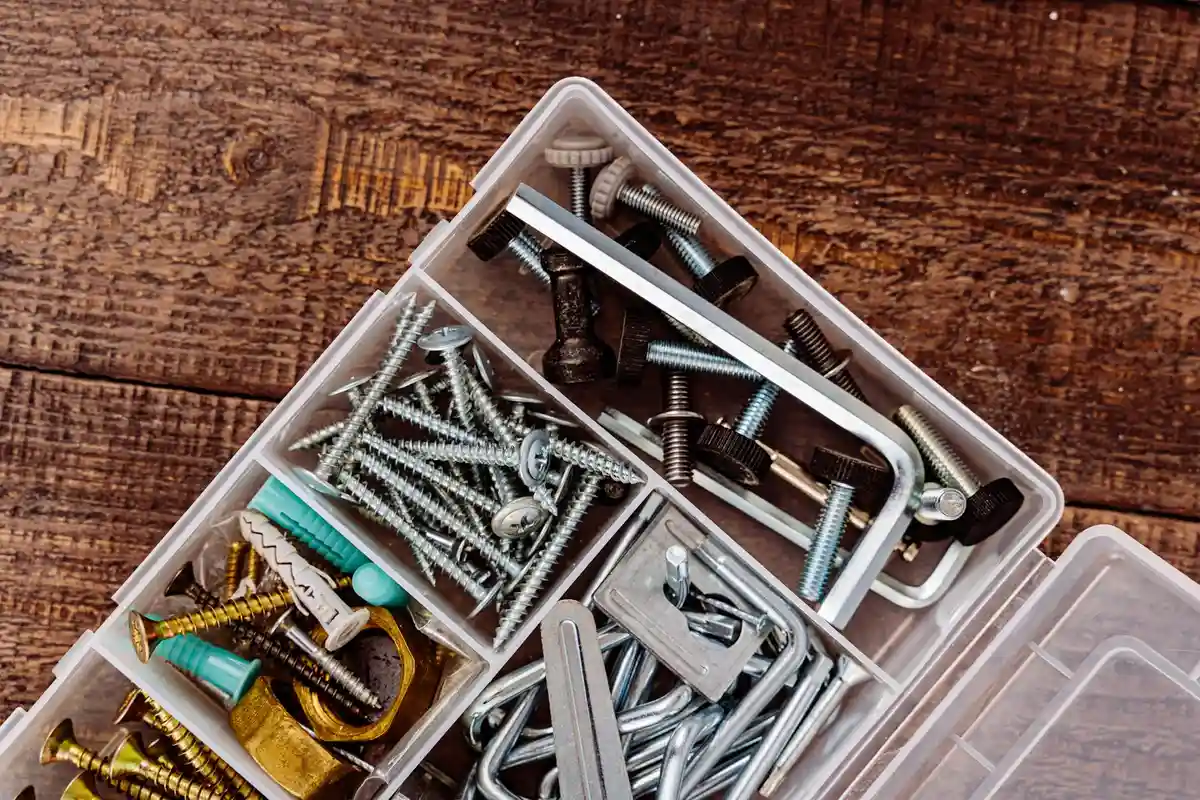
I see homeowners make the same mistake every spring. They buy a big shelf unit from the store and try to cram everything onto it. A few months later, it’s a mess again. The single best tip I can give you is this: never buy your storage systems until after you’ve sorted all your items into clear categories. The stuff you own tells you exactly what kind of storage it needs.
Before you hang a single hook, find your wall studs. I use a reliable stud finder like my Zircon model, tapping on the wall to double-check. Marking every stud across your walls with painter’s tape gives you a blueprint for mounting anything heavy securely. This simple step prevents wobbly shelves and ensures your heavy tools are anchored into solid wood, not just drywall.
Now, let’s match categories to containers. For heavy, bulky stuff like paint cans, car fluids, and toolboxes, you can’t beat open metal shelving. I’ve installed many Husky welded steel shelves; their weight capacity is clear, and seeing everything at a glance prevents things from getting lost in the back. For the bins of holiday decorations, old files, or messy hobby supplies, cabinets are the winner. They hide visual clutter and, more importantly, keep a shocking amount of dust and garage grit off your belongings.
For your everyday tools, you have two great wall system options. Slatwall panels, like the ones from NewAge or similar generic brands, are a clean, quick solution. You screw the panels into the studs and then use standardized hooks and baskets. Their limitation is that the accessory hooks can only slide horizontally along the grooves, which sometimes isn’t perfect for odd-shaped tools. I built a French cleat system in my own shop, and while it takes more time to cut the plywood strips, the flexibility is unmatched. You can make custom holders for any tool and move them anywhere on the wall instantly. It’s more work upfront but cheaper in materials than many slatwall kits.
Overhead and Vertical Space Hacks
Your ceiling is prime real estate. For seasonal items like camping gear or winter tires, a ceiling-mounted storage rack is fantastic. Safety is non-negotiable here: you must locate the ceiling joists and secure the rack’s mounting plates with long, thick lag bolts. Do not rely on drywall anchors or short screws. I use a 4×4-foot Racor rack, and securing it properly into the joists means I never worry about it holding heavy plastic bins.
To get bikes and ladders off the floor, start simple. Heavy-duty steel J-hooks, screwed directly into wall studs, work for most bikes. For a lighter bike or to save your back, a pulley lift system like the RAD Cycle Products hoist is a great investment. For a ladder, a pair of heavy-duty hooks mounted horizontally on studs is all you need to keep it secure and out of the way. Think of this in a garage context: hanging bikes, ladders, and tools keeps the floor clear. It’s all about maximizing space and accessibility.
Log Entry: The Above-Door-Track Bin Hack. Look up. See that empty, shallow space above your garage door track and below the ceiling? It’s perfect for long, flat storage bins holding holiday lights or wrapping paper. I mounted a pair of sturdy 1×4 boards horizontally to the studs on either side of the door with L-brackets, creating a simple ledge. Then, I slide in shallow, clear Sterilite bins. It uses space that was completely wasted and keeps fragile decorations safe—much better than the mixed plastic bins and cardboard boxes I’ve seen in other garages.
Keeping Your Clean Garage Organized for Good
The final step is to assign everything a permanent “home” based on how you use it. I organize my garage into clear activity zones: a Workshop Zone with the bench and tool wall, a Sports Gear Zone with bins for balls and racks for bikes, and an Automotive Zone with shelves for fluids and a hook for the detailing kit. Once you define these zones, the rule is simple: an item used in one zone always gets put back in that same zone. This stops the random pile from forming in the middle of the floor and helps you organize and store your garage equipment efficiently.
To stop new clutter from invading, adopt the “One In, One Out” rule. If you buy a new power tool, an old, unused one has to go. New camping chair? An old one gets donated. This discipline is what separates a permanently tidy garage from one that needs another big cleanout next year.
Your new system needs a little care. I follow this routine: every Saturday, I spend 10 minutes sweeping the floor and putting any stray items back in their zone. Then, twice a year, I do a systems check: I tighten any loose bolts on shelves, check that wall hooks are still firm, and wipe down cabinets and open shelves to prevent dust buildup. This minor maintenance keeps everything functioning perfectly and makes the big, overwhelming cleanout a thing of the past.
Garage Declutter & Deep Clean FAQ: Pro Tips for Lasting Results
How can I categorize and sort items effectively once I’ve created my Keep, Donate, Toss, and Recycle zones?
Immediately break your “Keep” pile into sub-categories like automotive, sports, or gardening based on use. Label every container with a bold, clear description of contents and intended zone. This step eliminates guesswork later and ensures everything has a logical home.
What are the most critical safety precautions I might overlook during decluttering and cleaning?
Beyond gloves and a mask, always wear safety glasses when handling chemicals or using a pressure washer. Ensure your garage is well-ventilated to avoid fume buildup, and never mix unknown cleaning agents. Keep a first-aid kit and fire extinguisher in an easily accessible location at all times.
How do I choose the right storage solutions based on item weight and frequency of use?
Match the solution to the item: heavy, frequent-use items like toolboxes require anchored, steel shelving. Light, seasonal goods are ideal for overhead racks or cabinets. Place daily-access items on wall systems between knee and shoulder height to minimize strain and maximize efficiency.
What is the best way to maintain overhead storage racks to ensure they remain safe and functional?
Conduct a bi-annual inspection: check that all lag bolts are tight and secure in the ceiling joists, and look for any signs of bending or fatigue in the rack framework. Always adhere to the manufacturer’s stated weight limit and balance loads evenly to prevent failure.
How can I implement a simple daily habit to prevent clutter from accumulating again?
Commit to a nightly two-minute “reset” to return any out-of-place items to their designated zones. Strictly enforce the “one in, one out” rule for all new acquisitions. This proactive discipline stops clutter before it starts and preserves your organized system.
Keep Your New Garage System Working For You
The single most important piece of advice I can give is to treat garage organization as a regular maintenance task, not a one-time project. Your new system will only last if you commit to putting things back where they belong and reassessing your storage needs every season. If your goal is to organize, declutter, and transform a messy garage, these steps will help. Here are the key takeaways to lock in your success:
- Always put safety first by securely mounting shelving and cabinets into studs or with proper wall anchors.
- Use clear, labeled bins so you can see what you have without creating a new mess.
- Schedule a quick 15-minute “reset” for your garage every month to prevent clutter from creeping back in.
- Don’t force a system that isn’t working; be ready to adjust your layout as your storage needs change.