
How Do I Organize and Declutter a Messy Garage for More Space and Better Functionality?
Is your garage so cluttered you can’t find your tools or park your car? I will walk you through my proven, shop-tested method to clear the chaos and build a garage that works for you.
We will cover emptying the space completely to assess what you have, sorting items into keep, donate, and trash piles, choosing robust storage solutions like Gladiator wall panels or Husky shelving units, and designing dedicated zones for automotive supplies, hardware, and seasonal items.
As a residential garage care professional with over ten years of hands-on experience, I have organized hundreds of garages and learned which techniques and products deliver lasting results.
Getting Your Head in the Game Before You Lift a Finger
I get it. Opening that garage door to a wall of stuff is paralyzing. I’ve walked into hundreds of garages like that, and the first step is always the hardest. You’re not just cleaning a room, you’re making decisions about your stuff, and that’s mentally exhausting.
The most successful garage projects start with a clear calendar and modest goals, not with a burst of frantic energy. Block out a full weekend on your schedule. Don’t try to squeeze it into a Saturday afternoon. You’ll need one full day for the brutal work of purging and sorting, and a second day for organizing and putting things back in a new way. This same planning mindset also applies to garage workshop conversion planning. Outline your layout, power needs, and storage first.
Here’s how I break it down for clients: Saturday is for the hard choices and heavy lifting. Sunday is for the satisfying part, building your new system. If the forecast is bad, you postpone. Trying to sort on a wet driveway is a nightmare.
Your goal isn’t a showroom from a magazine. Your goal is a floor you can see and space to change a tire or build a birdhouse. Aim for function, not perfection. A garage that works for you is always better than a picture-perfect one that doesn’t. That’s where a multi purpose garage design shines—flexible layouts and smart storage that adapt to any task. It keeps the space usable as your needs change.
Step One: The Great Garage Purge and Sort
Now, for the action. You have two main paths: the Total Pull-Out or the Phased Approach.
The Total Pull-Out method is my go-to for garages that are completely impassable. You move absolutely everything onto the driveway. This is intense, but it gives you a blank slate and forces decisions. It’s the only way to truly see what you have. You’ll need help and good weather.
Use the Phased Approach if you have limited time, help, or space. Work in zones. Start with one bay or along one wall. Clear, sort, and organize that single zone completely before moving to the next. It’s slower, but less overwhelming.
Setting Up Your Sorting Stations
On your driveway or cleared floor, mark out four distinct areas with painters tape or cardboard signs:
- KEEP: Items you use at least once a year, that are in good shape, and have a clear purpose.
- DONATE/SELL: Things that work fine but you don’t use. This is for the local charity thrift store or a quick Facebook Marketplace post.
- TOSS: Broken, rusty, or useless items with no future.
- MAYBE: The danger zone. Limit yourself to one small box for these “I can’t decide” items. Seal it, date it, and store it. If you don’t open it in a year, donate the whole box unopened.
What to Toss First (The Easy Wins)
Start with the obvious stuff to build momentum. Grab a heavy-duty contractor bag, like the ones from Husky, and go for:
- Broken tools with missing parts or cracked housings.
- Dried-up tubes of caulk and half-used cans of spray foam.
- Expired chemicals. Check the dates on lawn fertilizers, pesticides, and old gas stabilizer.
- Forgotten sports gear. That single rollerblade, the deflated soccer ball, the tennis racket with broken strings.
- Mystery cords, keys, and hardware. If you don’t know what it goes to, it goes out.
Purging these items first instantly reduces clutter and makes the rest of the job feel possible.
Responsible Disposal: A Non-Negotiable
This is where being a responsible homeowner matters. You cannot throw everything in the regular trash.
Old latex paint? Take the lid off, let it dry out completely into a solid with kitty litter mixed in, then dispose of the can. Oil-based paint, stains, and thinners are hazardous waste and must go to a designated collection facility. I use the county’s hazardous waste drop-off; it’s free for residents.
For old car batteries, used motor oil, and antifreeze, take them to any auto parts store. Most, like AutoZone or O’Reilly, will take them back for recycling at no charge.
Household batteries (AA, AAA, etc.) can often be dropped at big-box stores like Home Depot or Lowe’s, which have bins near the entrance. Rechargeable tool batteries, especially lithium-ion, should go to an electronics recycler. Proper disposal keeps dangerous chemicals out of our land and water, and it’s just the right thing to do.
Making Sense of the Mess: Smart Categorizing for Garage Items
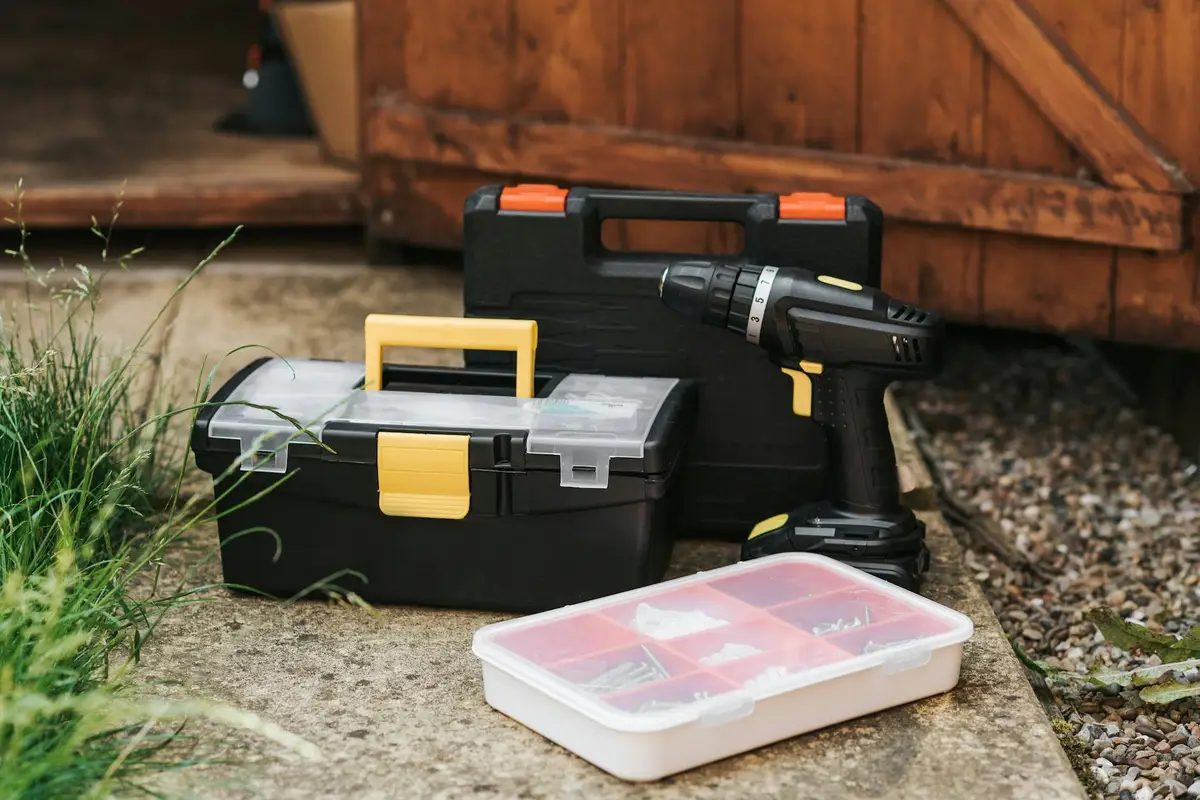
Your first job is to stop looking at the mess and start looking at the stuff. Get everything out onto your driveway if the weather allows. This step forces you to handle every single item. You can’t organize what you can’t see, so create a clean slate by moving everything out.
As you pull items out, sort them into piles on your driveway or lawn. I use these main categories every time: Automotive (oil, cleaners, fluids), Gardening & Lawn Care, Sports & Recreation, Holiday & Seasonal Decor, Tools & Hardware, and Paint & Chemical Supplies. Be ruthless and immediately create a “Donate/Trash” pile for anything broken, expired, or unused for years.
This sorting leads directly to the most powerful concept in garage organization: zoning. A zone is a dedicated area for each category. Think of it like a grocery store; you wouldn’t look for milk in the cereal aisle. Once your categories are clear, take a piece of sidewalk chalk or painter’s tape and map rectangles on your now-empty garage floor. Label each rectangle with a category name. Keep in mind that garage usage may be governed by local zoning laws. A quick check of your city codes can guide how you designate storage, workspace, and parking areas before you draw on the floor. Mapping your zones on the floor before you put anything back gives you a visual plan and prevents you from just shoving stuff against the nearest wall.
The Gearhead’s Checklist: Tools for the Job
You don’t need fancy gear, but you do need the right gear. Here’s my go-to list from years of shop work:
- Heavy-Duty Shelving: This is your storage backbone.
- Clear Plastic Bins with Lids: Visibility is key.
- A Label Maker: Not a luxury. Brother P-touch labels withstand dust and moisture.
- Work Gloves & Broom: Protect your hands and clean as you go.
Let’s talk shelves. You have two main types: wire and solid particleboard or steel. I use wire shelving, like the kind from Gladiator, for lighter items such as camping gear or decorations. Air can circulate, preventing mildew. For anything heavy-think paint cans, motor oil, or toolboxes-you need solid shelving. The Husky brand heavy-duty steel shelving units from Home Depot are my standard; they bolt together securely and won’t sag.
For wall systems, skip flimsy “easy assemble” units. Any system worth using must bolt directly into the wooden studs behind your drywall for security and weight capacity. Affordable DIY systems like NewAge Products’ Bold series or Gladiator’s modular panels are designed for this. They use a French cleat or similar mounting system that locks onto a track secured to the studs, which I find much more reliable than just screwing a cabinet into drywall anchors.
Building Your DIY Garage Organization System
Your floor space is for your car, not storage. The walls and ceiling are your new best friends. The goal is to get 80% of your stuff off the floor.
For hand tools, you have three main wall system options. Pegboard is classic and affordable, but hooks can pop out if you overload them. I use the tempered hardboard kind and always secure it with washers behind the board. Slatwall, like the PVC panels from brands such as ProSlat, is more modern. The slots hold a variety of hooks and baskets, and I find it looks cleaner. The winner for sheer adaptability and strength is the French cleat system. You screw a series of angled wooden cleats to your studs, and then build tool holders that slide onto them. You can customize it endlessly for odd-shaped tools.
For seasonal items like Christmas decorations or camping gear, look up. Overhead storage racks, like the Racor PHS-1R system, mount to your ceiling joists. Never mount these to drywall alone; you must locate the ceiling joists with a stud finder and screw the rack’s mounting brackets directly into them. Respect the load limit, which is usually between 250 and 600 pounds for a reputable brand. Spread the weight evenly and never store hazardous materials or liquids overhead.
Your bins and labels are the final touch. Use clear, uniform bins so you can see contents at a glance. I prefer the Sterilite 66-quart latch boxes for their durability. When you label, be specific. “Holiday” is okay. “Christmas Lights & Tree Skirt” is better. Put the label on the front and the side of the bin so you can read it from any angle on the shelf.
Maximizing Every Inch: Vertical and Dead Space Hacks
Look at the space above your garage door opener or near the ceiling. This is prime real estate for long-term storage. Install a simple 12-inch deep wooden shelf anchored into the wall studs up high. I use this for items I might need once a year, like a spare tire or empty luggage. To keep things safe up high, check out our safe garage storage items guide. It highlights which items are suitable for high-shelf storage and how to organize them. Use a sturdy stepladder to access it safely.
For bulky items like bicycles or kayaks, a ceiling-mounted pulley system is a game-changer. The RAD Cycle Products bike hoist is a model I’ve installed dozens of times. It uses a simple rope and pulley to lift the bike flush to the ceiling. The key is, again, mounting the hardware directly into a solid ceiling joist, not just the drywall.
Long, awkward items like ladders, lumber, and PVC pipes belong on the wall, not leaning in a corner. Simple metal ladder hooks or a DIY rack made from 2x4s screwed into the studs gets these items up and secure. This clears a huge amount of floor space and eliminates a major tripping hazard.
The Garage Log Entry: A Hidden Gem Organizational Hack
Here’s a trick from my own shop that most people miss: the space between your wall studs. It’s perfect for shallow, super-efficient shelving.
To build a between-stud shelf, you need a stud finder, a level, a saw, and some 1×4 or 1×6 pine boards. Find two studs and measure the gap between them (it’s usually 14.5 inches). Cut a board to that length to serve as your shelf. Then, cut two smaller pieces of the same board to act as ledges or cleats inside the stud bay. Screw these ledges into the sides of the studs at your desired height. Finally, drop your shelf board onto the ledges. You can add a small lip at the front to keep items from falling out.
This shallow shelf is ideal for spray cans, caulk tubes, rolls of tape, or small hand tools. It tucks items away that would otherwise clutter a workbench or a deep shelf, freeing up that more valuable space for your toolboxes and bulkier bins. It turns dead space into the most useful spot in your garage.
Creating Functional Zones for a Garage That Works
Think of your garage floor like a blank map. If you just put stuff back anywhere, you’ll get lost again fast. Setting up specific zones is what turns a chaotic storage dump into a garage that actually functions for your life. I break mine down into five common areas that fit most homes.
- Workshop: This is your project hub. It needs a solid bench, task lighting, and all your hand and power tools within arm’s reach.
- Garden Center: Group soil bags, pots, hand tools, and the lawn mower together. This keeps dirt and grass clippings contained.
- Sports & Recreation: Bikes, seasonal gear, and kid’s toys go here. Use wall hooks and bins to get this bulky stuff off the floor.
- Automotive: Dedicate a shelf or cabinet for motor oil, cleaners, jumper cables, and your detailing supplies. It saves time during an oil change.
- Bulk Storage: This is for the “once a year” items like holiday decorations or camping gear. Labeled bins on high shelves work best.
The magic is in the workflow. Keep items where you use them. Your screwdriver shouldn’t live with the holiday lights. If you change your car’s oil in the back-left corner, that’s where your oil filter wrench, drain pan, and rags should be stored. I use a simple rolling tool cart from Harbor Freight for my most-used mechanics tools so I can roll it right to the wheel well.
One of my favorite tips is to create a “landing zone” right inside the service door. A simple bench or a dedicated shelf near the door into your house is a game-changer for daily clutter. This is where you drop reusable shopping bags, library books to return, or that package waiting for the mail carrier. It stops those items from migrating onto your workbench or the hood of your car.
Finally, a non-negotiable safety rule. You must keep a completely clear, three-foot path to your home’s electrical panel and water heater at all times. An emergency is the worst time to be moving boxes and tripping over rakes. I use bright colored tape on the floor to mark this safety lane so everyone in the house knows not to block it.
Keeping It That Way: A Simple Maintenance & Cleaning Routine
Anyone can clean a garage once. The real success comes from keeping it usable. The difference between a temporary cleanup and a permanent solution is a simple, repeatable maintenance habit. If you don’t have a system, the clutter will win. I promise.
Commit to a 10-minute “reset” every week. Set a timer on your phone for Sunday evening. Use those ten minutes to do two things: sweep or blow out the main walking area with a cordless leaf blower, and return every single tool or item that’s out of its zone. That’s it. This small habit prevents the slow drift back into chaos. I use my shop vac with a concrete brush attachment-it’s faster than a broom.
Twice a year, do a deeper check. When you change your clocks in spring and fall, schedule a 30-minute garage audit. This is when you pull down those bulk storage bins and honestly ask, “Do I need to keep this?” Be ruthless with broken items or things you haven’t used in years. Wipe down your shelving and clean the dust off your toolboxes. This bi-annual touch-point stops small problems from becoming big messes again.
The single best rule to prevent backsliding is “one in, one out.” For every new tool, sports item, or bin that comes into the garage, one similar item must be donated, recycled, or thrown away. Bought a new cordless drill? Maybe it’s time to donate the old, underpowered one. This forces conscious decisions and makes clutter creep impossible. I apply this to my own tool collection, and it’s the only reason I still have room to work.
Garage Organization FAQ: Pro Tips for Lasting Results
What are the absolute first items I should target when decluttering?
Target expired, broken, and duplicate items first. This includes old chemicals, dried-up adhesives, mystery hardware, and any tool missing critical parts. Removing these “easy wins” immediately reduces bulk and mental clutter, creating visible progress to fuel the rest of the project.
How do I categorize items effectively after the basic “keep, donate, toss” sort?
Sort your “keep” pile by activity, not just item type. Think “Car Maintenance,” “Woodworking,” “Gardening,” and “Seasonal Decor.” This activity-based categorization is what naturally leads to creating functional zones, ensuring tools are stored where you actually use them.
What storage solution is best for heavy garage items versus lighter ones?
For heavy items like paint cans, motor oil, or toolboxes, you need solid-shelf steel units bolted together. For lighter gear like camping equipment or decorations, ventilated wire shelving is perfect to prevent mildew. Always anchor any freestanding unit to the wall for safety.
How do I create zones without overcomplicating it?
Start by mapping zones on your empty floor with chalk based on your categories and existing infrastructure. Place your “Automotive” zone near where you park the car and your “Workshop” zone near an outlet. This helps with organizing garage workshop layouts by clarifying flow and tool placement. The next steps will expand with concrete layout examples and tips. The goal is logical workflow, not a perfect grid.
What’s your top tip for maximizing vertical space safely?
For ceiling storage, the rule is non-negotiable: you must anchor racks directly into ceiling joists, never just drywall. Use a stud finder. When you’re installing overhead garage storage racks, anchoring into ceiling joists is what keeps heavy bins secure above your work area. Plan the layout to maximize vertical space and ensure easy access to items. For walls, a modular panel system bolted to studs (like Gladiator GearWall) offers the most flexible and secure use of vertical space.
What’s the fastest way to responsibly dispose of common garage items?
Have a disposal plan *before* you purge. Take old oil, batteries, and antifreeze to an auto parts store. Bring chemicals to a hazardous waste facility. For donations, schedule a pickup or have boxes ready to go immediately-don’t let them sit in a corner and become new clutter.
What is the single most important habit for maintaining an organized garage?
Implement the “one in, one out” rule religiously. For every new item that enters the garage, one must leave. This forces conscious consumption and stops clutter creep dead in its tracks. Pair this with a quick 10-minute weekly reset to return tools to their zones.
Staying Organized for the Long Haul
The most important lesson from my years of garage overhauls is that a great system starts with a thoughtful plan, not just a frantic weekend cleanout. Treating organization as an ongoing project, not a one-time event, is what keeps a garage functional for years. Your key takeaways are:
- Start with a clear plan and sort everything into keep, donate, or discard piles before you buy a single bin.
- Invest in robust, vertical storage like steel shelving units or slatwall to protect your items and free up floor space.
- Maintain your new system by scheduling a quick 10-minute tidy-up every month to catch clutter before it builds.
- Always prioritize safety by securely anchoring heavy shelving to wall studs and keeping walkways completely clear.
Evan Gunther
Evan is a general contractor operating in Columbus, Ohio servicing, maintaining and building residential and commercial garages for over two decades. He has personally redeveloped over 100+ garages and installed and reinstalled over 230+ garage doors in his long tenure. When it comes to giving your garage a face lift or fixing common issues, Evan's the pro. Feel free to reach out to him and follow his Garage Log blog for expert, fact based advice.