
Can You Legally Use Your Garage That Way? A Homeowner’s Guide to Zoning and Regulations
Worried your garage workshop or storage plan might violate local laws? I’ll help you cut through the confusion and focus on what actually matters for your property.
This article gives you clear, actionable steps to navigate the rules, covering zoning classifications like residential versus commercial, common use restrictions for parking and businesses, how to research your specific city or county codes, and real-world tips for staying compliant.
My advice comes from years on the job, helping homeowners like you modify garage spaces while prioritizing safety and following the law.
Understanding the Core Rules for Your Garage
The first rule is knowing who makes the rules. For your garage, your local city or county government is the authority, not the state. The state provides a framework, but your local zoning office and building department write the specific playbook for your street. Calling them is always your first step. For garage construction or renovation, these offices issue the permits and outline required inspections and fees. Getting the right permits upfront helps keep your project compliant and on schedule.
You need to understand two different sets of rules: zoning laws and building codes. Zoning laws dictate what you can *do* with your property, like whether you can run a business from your garage, while building codes dictate how it must be *built* to be safe, like the strength of the floor or the wiring in the walls. Think of zoning as the rules for the neighborhood park-you can have a picnic (storage), but you can’t build a bonfire (run a welding shop). Building codes are the instructions for building the park’s playground so it doesn’t collapse.
The most critical distinction is between a storage space and a habitable room. Your garage is legally designed for cars and storage-it’s built to different standards. The moment you want to use it as a bedroom, office, or workshop where people spend significant time, you’re talking about a habitable space. That triggers a whole new world of requirements for safety and comfort.
What You Need to Know About Garage Conversions and Living Spaces
Let’s tackle the big question: what are the legal regulations for using a garage as a living space? I’ve consulted on several of these projects, and the permit requirements are consistent. You’re essentially building a new room from the ground up, inside an existing shell. Here’s what inspectors will demand: Beyond that, garage building extension permission rules often shape what can be added and how services are run. In the next steps, I’ll include implicit hyperlinks to the official guidelines so you can review the rules yourself.
- Proper Egress: This means a legal escape route in case of fire. You’ll need a door that meets code for width and swing, and often a window of a specific, minimum size that a person can climb out of. The standard is 5.7 square feet, which is about the size of a large suitcase laid flat.
- Insulation & Heating: The thin wall you have now won’t cut it. You’ll need to bring the walls, ceiling, and sometimes the floor up to residential energy code (R-values). You must also install a permanent heating source; a portable space heater is not legal or safe for a habitable room.
- Electrical Upgrades: Garages often have just one or two outlets on a single circuit. A living space needs multiple circuits for lights, outlets, and appliances, all protected by Arc-Fault Circuit Interrupters (AFCIs). I always recommend hiring a licensed electrician for this-it’s not a DIY job for most.
- Ceiling Height: Codes typically require a minimum ceiling height, often 7 feet 6 inches for most of the room. If your garage has low-hanging openers or ductwork, you’ll need to re-route them.
Converting your garage into a separate apartment, often called an Accessory Dwelling Unit (ADU), is a bigger leap. An ADU has its own kitchen, bathroom, and legal entrance, and many cities have specific rules about their size, parking, and owner-occupancy requirements that go beyond a simple room conversion. The approval process is more complex and often includes a separate utility meter. For a practical roadmap, a garage conversion ADU guide can walk you through the steps from permits to utilities. It helps you plan, budget, and navigate city-specific requirements before you begin.
This leads to the next common question: can I rent out my converted garage as a separate unit? If it’s permitted as an ADU, yes. If it’s permitted as an accessory living space (like a mother-in-law suite), maybe, but with restrictions. Renting it out officially makes you a landlord, subject to landlord-tenant laws. Most cities will also require a rental safety inspection and certificate before you can legally take a tenant. Skipping this can void your insurance and lead to massive fines.
Here’s my professional note on when NOT to try this. If your garage has an old vehicle service pit, major foundation cracks, or was built with non-standard materials, start by consulting a structural engineer before you even dream about conversion. The cost to properly fill and seal a pit or remediate structural problems can kill your budget. I walked away from a conversion project last year because the foundation repair quote was triple the room build-out cost. It’s better to use that garage for secure storage than to create an unsafe and illegal living space, especially for garage bedroom or living space conversions.
Running a Business from Your Garage: What’s Allowed?

Can you run a business from your garage legally? The short answer is maybe, but with a lot of fine print. I’ve helped clients set up everything from woodshops to online stores, and the rules always come down to your local zoning ordinance. The key isn’t just what you do, but how your activity impacts your neighborhood’s character and safety. There are plenty of garage conversion myths and questions about permits and taxes that come up. We’ll sort through what’s real and what’s not so you can plan with confidence.
Common Restrictions You Must Check
Your city or county isn’t trying to stop your side hustle. They’re managing traffic, noise, and safety for everyone. Here are the big four limits I see trip people up:
- Customer Traffic: Having a steady stream of clients coming to your home is often a hard no. It changes the residential feel and can create parking nightmares. I once advised a client who wanted to run a small barber shop; this was the first rule that shut it down.
- Commercial Vehicle Parking: Parking a box truck or a vehicle with signage in your driveway or on the street can violate codes. My own neighbor got a warning for his plumbing van with the company logo.
- Noise & Nuisance: Running loud equipment like air compressors, table saws, or power sanders outside of designated hours will get you complaints. I use a Craftsman quiet series compressor for this reason when working late.
- Hazardous Material Storage: This is a major safety and environmental red flag. Storing large quantities of fuels, solvents, or chemicals for a business typically requires commercial-grade containment and permits you won’t have at home.
Low-Impact vs. High-Impact: A Real World Comparison
Think of it like this: is your garage activity similar to a quiet home office, or is it more like opening a storefront?
For years, I ran the admin side of my garage organizing business from a corner of my own space. I used a simple desk, a laptop, and stored client files. This is low-impact. It created no extra traffic, noise, or visible change from the street. My biggest tool was a label maker.
Now, compare that to building a commercial kitchen for a baking business or an auto repair bay. These are high-impact. They involve significant electrical and plumbing work, constant delivery and pickup traffic, and industrial-grade waste. I looked into doing light automotive detailing and quickly realized the wastewater disposal alone made it a non-starter for a residential zone. You can’t just let soap and grime run into the storm drain.
Licenses and Permits: Do Your Homework First
Even for a low-impact business, you likely need to file paperwork. Always start by calling your local planning or zoning department before you buy your first business card. You may need two things:
- A general business license from your city.
- A specific home occupation permit that outlines exactly what you can and cannot do on your property.
I keep a dedicated folder for my local municipal codes bookmarked online. It’s dry reading, but knowing the rules is cheaper than fixing a violation.
Log Entry: A Pro Tip from the Shop
Here’s a hard lesson I learned early on. A friendly neighbor is your first line of defense. A annoyed neighbor is your fastest path to a code enforcement visit. If you’re planning any business activity, have a clear talk with your adjacent neighbors first. Explain what you’ll be doing, the hours you’ll work, and how you’ll manage any disruptions. I once started using a loud industrial floor scrubber on weekends without a heads-up. One complaint later, I had an inspector asking about my business license. Good communication is part of the job.
The Permit Process Demystified
Pulling a permit can feel like a big, confusing headache. I’ve been through it many times for client projects and my own shop. Think of it not as a barrier, but as a blueprint for a safe, durable build that protects your home’s value.
The Exact Steps to Pull a Permit
Here’s the straightforward process, based on dozens of applications I’ve submitted. Your local building department’s website is your new best friend.
- Visit Your Local Building Department Website. Find the “Permits” or “Applications” section. Download the residential building permit application form and any specific checklists for your project type.
- Prepare Your Site Plan. You need a basic drawing showing your property lines, your house, and the garage. I use a simple tool like the Bosch Blaze GLM165-40 laser distance measurer to get exact measurements. A hand-drawn, to-scale sketch on graph paper is often perfectly acceptable.
- Prepare Your Construction Plans. For a simple shed or carport, a basic drawing showing dimensions, materials, and footing details works. For a major conversion, you’ll need more detail. I use a free program called SketchUp for basic 3D models, but for permit-ready plans, I often hire a local drafter.
- Gather Supporting Documents. This usually includes a copy of your property survey, the contractor’s license and insurance info (if you’re using one), and the product spec sheets for any engineered materials.
- Submit and Pay the Fee. Bring everything to the building department counter. The clerk will review for completeness and tell you the fee. Fees are typically based on your project’s estimated value. Pay it, and you’ll get a permit card to post on-site.
Having a complete, neat application packet is the fastest way to get your permit approved without delays.
What Permits Are Required to Convert a Garage into a Habitable Room?
This is the most common question I get, and the answer is critical. Converting a garage isn’t just about throwing up drywall. You are changing the building’s legal use, and the codes are strict for your safety. That’s where garage workshop conversion planning comes in—laying out space, power, and ventilation before you start. A clear plan helps you meet code and avoid costly rework later.
- Building Permit: This is the main permit covering the overall change of occupancy and structural elements.
- Electrical Permit: Required for adding new outlets, lighting circuits, and a dedicated bedroom circuit. Your existing garage wiring won’t meet code for a living space.
- Plumbing Permit: Needed if you’re adding a bathroom, wet bar, or even just a sink. This ensures proper venting and waste lines.
- Mechanical Permit: Covers the installation of proper heating and cooling. You cannot legally use a space heater as a permanent solution. This often requires extending your home’s HVAC system or adding a mini-split.
Forget one of these, and your finished room is not legally habitable, which becomes a massive problem if you ever sell your home.
Plan Review and the Inspection Process
Once you submit, a plans examiner looks over your drawings. They’re checking for code compliance-things like minimum room sizes, ceiling heights, emergency egress windows, and structural load paths. They may send comments back for corrections. This is normal. Don’t take it personally; it’s their job to catch problems on paper, before you waste money building them.
After you have the permit and start work, you schedule inspections at specific milestones. An inspector will visit your site. I’ve had hundreds of these interactions. They are not there to fail you. They are your final quality check.
- Rough-In Inspection: Happens after framing, plumbing, electrical, and mechanical lines are installed but before walls are closed up. The inspector verifies everything inside the walls is correct.
- Final Inspection: Occurs when the project is 100% complete. They check that everything is finished according to the approved plans and is safe for use.
The inspector’s stamp of approval is your legal proof that the work was done to code. Keep that paperwork forever.
Permit Cost vs. The Cost of Getting Caught
Let’s talk numbers. A permit for a garage conversion might cost between $500 and $2,000, depending on your location and project scope. It feels like a hassle and an extra cost.
Now, let’s talk about getting caught without one. A neighbor complains, or an assessor notices the unauthorized work. The building department will issue a “Stop Work” order. You’ll then have to pay double the original permit fee as a penalty. They can make you open up finished walls so they can inspect the wiring and plumbing inside. If the work is truly unsafe, they can make you tear it all out. Your homeowner’s insurance will likely deny any claim related to that unpermitted space, like a fire from bad wiring. When you sell, the lack of permits can kill the deal or force a last-minute price reduction far greater than the original permit cost.
In my experience, the permit is always the cheaper and easier path. It buys you peace of mind and a permanent record of safe work.
Tools for a Smooth DIY Permit Application
If you’re handling the application yourself, these are the specific tools I use and recommend to make it professional.
- A Good Laser Measurer: I rely on the Bosch Blaze I mentioned earlier. It’s accurate and saves huge time over a tape measure for site plans.
- Graph Paper and Architect’s Scale: For hand-drawn plans, use 1/4-inch scale graph paper. A triangular architect’s scale ruler lets you draw to scale easily.
- Basic CAD Software: For more complex projects, a program like the free version of SketchUp or affordable TurboCAD is invaluable. It helps you think in 3D and produce clear drawings.
- A Document Scanner App: Use an app like Adobe Scan on your phone to create clean, legible PDFs of your hand-drawn sketches and documents for digital submission.
- A 3-Ring Binder: Keep every single piece of paper related to the project-permit, approved plans, inspection cards, product receipts-in one place. I’ve had to produce these for buyers years later, and it always seals the deal.
Property Lines, Size Limits, and Garage Placement
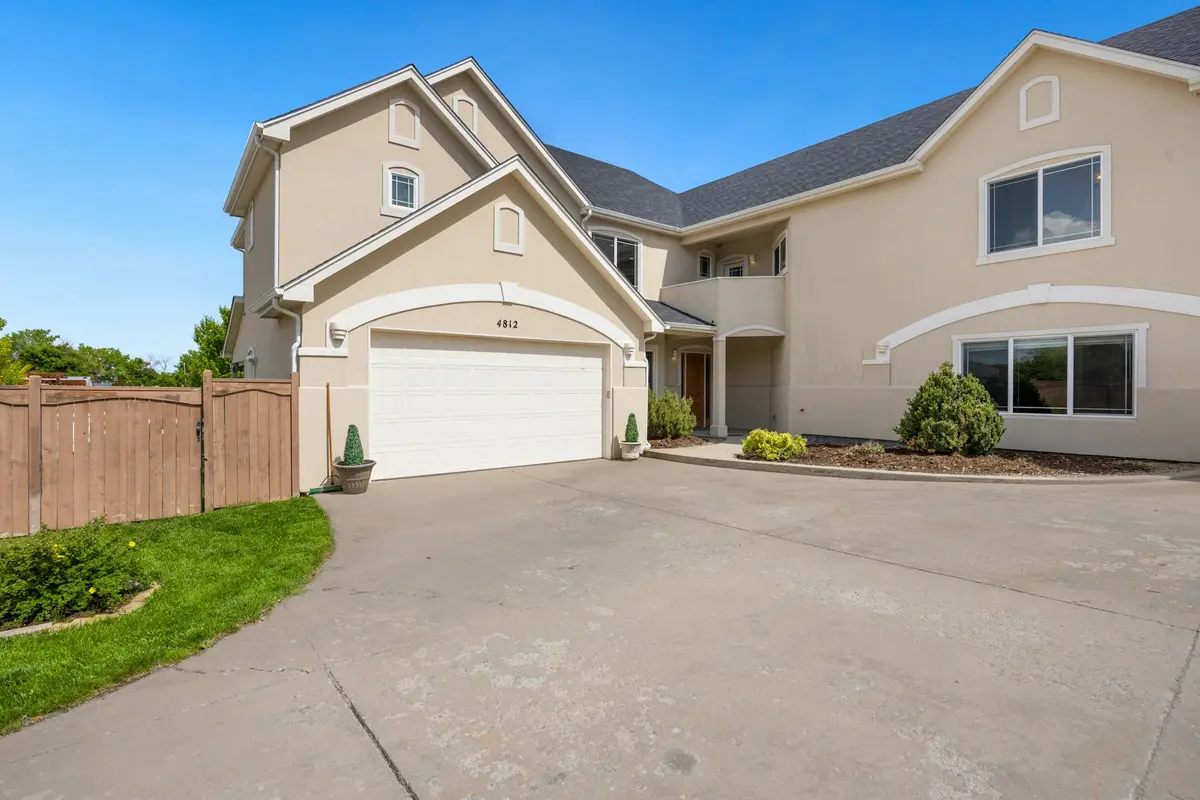
Before you pour a slab or frame a wall, you need to understand the invisible boundaries set by your city or county. Ignoring these is the fastest way to get a “stop work” order taped to your door. Let’s walk through the most common rules.
Understanding Setback Requirements
Setbacks are the required distances your structure must sit from your property lines. They exist for fire safety, privacy, and to maintain neighborhood character. Think of them as a buffer zone you can’t build in.
- Typical Rear and Side Setbacks: For a detached garage, you might need to be 5 to 10 feet from the rear property line and 5 feet from the side lines. In my area, the side setback is often 5 feet, but I’ve worked in neighborhoods where it’s 10.
- Front Setback (or “Build-to Line”): This is usually the biggest, often 20 feet or more from the street. Your main house already conforms to this, and your garage must too.
- My Rule of Thumb: Never guess. The only way to know is to pull your property’s zoning sheet from the municipal website or visit the planning desk. I use a Bosch GLM 50 C laser measure to stake out these lines accurately before any digging starts.
Getting your setbacks wrong is an expensive mistake that can force you to tear down finished work.
Height and Lot Coverage Limits
Zoning doesn’t just control where you build, but how big and tall it can be.
- Height Restrictions: Many codes limit detached garages to 15 or 18 feet at the peak. This stops a massive structure from overshadowing a neighbor’s yard. If you dream of a tall workshop with a car lift, you’ll need to check this first.
- Lot Coverage: This is a percentage of your total lot that can be covered by buildings and hard surfaces. If your lot is 10,000 sq ft and the max coverage is 30%, that’s only 3,000 sq ft for your house, garage, sheds, and patios combined. Your existing house likely uses most of this.
An addition, even attaching a garage, can easily push you over your lot coverage limit, so do the math early. I sketch it out on graph paper first to visualize the footprint.
Detached vs. Attached Garage Rules
The rules change depending on whether your garage stands alone or connects to your house.
- Detached Garages are usually treated as “accessory structures.” This often means stricter setback rules, especially from the side property line, and lower height allowances. They’re also more likely to have limits on how close they can be to the main house.
- Attached Garages or Additions become part of the “principal structure.” They must meet the same front setback as your house. However, they might be allowed to be closer to the side property line than a detached garage would be, especially if your house is already near that line. Fire-rated wall construction is almost always required for shared walls with the home.
In my experience, attaching a garage is often a more complex permit process because it involves tying into the home’s structure, roofing, and utilities.
Can a Shipping Container Be a Garage?
I get this question a lot. The idea seems smart: it’s sturdy, secure, and delivered to your driveway. But zoning sees it differently.
Most municipal codes will classify a shipping container as a “temporary structure” or a non-permanent outbuilding. Placing one on a residential lot often violates rules against temporary structures or specific rules about the materials and appearance of permanent buildings. In nearly all residential zones, you cannot legally use a shipping container as a permanent garage without a variance or special permit, which is hard to get. Even if you skirt the rules, it can become a huge issue when you try to sell your home.
The Legal Reality of In-Ground Vehicle Pits
I’ve been asked to install these, and my answer is always no. Here’s why they’re almost universally banned in residential garages.
An open pit is a severe fall hazard and a collection point for flammable vapors from gasoline, which is heavier than air. Modern building codes are very clear on this for life safety reasons. A proper vehicle lift is the only code-compliant way to elevate a car for underside work in a home garage. It’s anchored securely and has built-in safety locks.
If you buy a home with an existing pit, I recommend having it professionally filled with concrete for safety and liability. It’s not a feature; it’s a major hazard and likely a code violation that your home inspector will flag.
Maintaining Compliance and Good Neighbor Relations
A permit is a one-time check. Staying in good standing is an everyday habit. It’s about managing your space wisely to respect the rules and the people around you. I’ve helped dozens of clients clean up after a code violation notice, and the root cause is almost always a slow drift from “organized” to “overwhelmed.”
The Daily Trio: Clutter, Noise, and Waste
Think of these three areas as your garage’s vital signs. Keeping them in check is the best defense against problems.
A simple clutter control system prevents your garage from becoming a storage violation. I use a combination of heavy-duty steel shelving from Gladiator and clear, labeled bins from The Home Depot. The rule in my own garage is nothing touches the floor that isn’t a car, a toolbox, or an appliance. This keeps walkways clear for safety and makes it obvious if flammable materials are piling up. If you can’t walk to your electrical panel or main water shut-off in under 10 seconds, it’s time for a purge. Organize and declutter your garage to turn this space into a functional area, not a catchall. A well-organized garage is easier to use and safer to navigate.
Noise management is about timing and tools. Running a table saw at 8 PM is a fast track to a complaint. For repetitive work, I set clear “shop hours” and communicate them to my neighbors. I also invested in sound-dampening mats for the floor and use tools with lower decibel ratings when possible. A little courtesy goes a very long way.
Proper waste disposal is non-negotiable. Old paint, used motor oil, solvents, and batteries are not regular trash. I keep separate, sealed containers for hazardous waste-a dedicated oil drain pan and a tough, lidded tote for chemical cans. My local waste facility has specific drop-off days, and I schedule my shop clean-ups around them. Tossing this stuff in your bin can lead to significant fines.
Understanding Landlord-Tenant Boundaries
If you’re renting a garage space, or renting out your own, clear boundaries prevent legal headaches. The lease agreement is your first line of defense. It must spell out the approved use of the garage space.
A landlord typically has the right to enter a rented garage for inspections, repairs, or in emergencies, but usually with advance notice (often 24-48 hours). As a tenant, you should expect this. I advise my landlord clients to do a walk-through with the tenant every six months. Use a checklist and take photos. This isn’t about being nosy; it’s about documenting that the space isn’t being used for an illegal auto repair business or unsafe storage that could void their insurance.
If you’re the tenant, get everything in writing. Can you install shelving? Who is responsible for disposing of leftover project materials? Clarifying this upfront is part of responsible garage care.
Your Seasonal Compliance Check-Up
I do a formal garage inspection four times a year. It takes 15 minutes and catches small issues before they become big ones. Here’s my routine:
- Spring: Check for winter moisture damage that could weaken structure. Ensure lawnmower gas is stored in an approved, labeled container, not in a milk jug.
- Summer: Verify all flammables (paint, gasoline, propane) are away from the water heater and furnace. Check that emergency exit windows (if present) are not painted shut or blocked by that new shelf you installed.
- Fall: Before holiday storage, confirm walking paths are clear. Test the garage door auto-reverse safety feature by placing a 2×4 on the floor in its path.
- Winter: Ensure snow shovels and ice melt are accessible, not buried behind boxes. Check that your heating device, if you use one, is approved for garage use and has proper clearance from walls.
Prevention is Your Best Policy
A well-maintained, quiet, and clean garage is rarely the subject of a complaint. Most code enforcement actions start with a neighbor’s phone call about an eyesore, a smell, or constant noise. By managing the daily trio and doing your seasonal check-ups, you’re not just following the law-you’re being a good neighbor. That goodwill is invaluable. I’ve seen cases where a simple conversation over the fence about a planned noisy project resolved everything, because the neighbor knew the homeowner was generally considerate and responsible.
Treat your garage like part of your home, because legally and socially, it is. Keeping it orderly is the simplest way to stay under the radar and out of trouble.
Common Pitfalls and How to Avoid Them

I’ve seen too many garage projects go sideways because homeowners skipped the legal homework. This isn’t about red tape, it’s about protecting your investment. Let’s walk through the big mistakes so you can steer clear.
The Three Biggest Mistakes Homeowners Make
- Assuming No Permit is Needed. This is the number one error. People think if they’re not changing the footprint, they’re fine. I was nearly one of them. When I upgraded my own garage’s electrical to add a 240-volt outlet for my welder, I almost skipped the permit. Any major electrical, plumbing, or structural change almost always needs a city or county inspector to sign off. Replacing a light fixture is one thing, adding a circuit is another.
- Ignoring Setback Rules. Setbacks are the required distances your garage must sit from your property lines. I helped a neighbor who built a beautiful shed-style workshop against his back fence, only to learn it needed to be five feet back. He had to hire a crew with a skid-steer to lift and move the entire structure. It cost him triple what it would have to just do it right the first time.
- Using Unapproved Construction Methods or Materials. Building codes exist for safety. Using the wrong type of drywall (like standard sheetrock instead of fire-rated for an attached garage), undersized foundation footers, or improper roof trusses can fail inspection. I always check the International Residential Code (IRC) book for my area before I even draw up plans.
The Real-World Consequences Aren’t Pretty
Think a small fine is the worst that can happen? It often goes much deeper.
You can be fined daily until the problem is corrected. I’ve seen towns levy fines of $100 or more per day for unpermitted work that remains unresolved. That adds up fast.
You can be forced to completely undo your work. The city has the authority to issue a “stop work” order and demand you tear down that new wall or deck you built. I once saw a homeowner have to dismantle a stunning custom loft storage system because it was deemed a structural alteration without a permit.
It can create a massive headache when you sell your home. During the sale, unpermitted work will surface. Appraisers might not count the square footage, buyers will demand a price reduction, or the sale can fall through entirely. You’ll likely have to get the work permitted retroactively, which is more expensive and stressful.
Your First-Action Checklist
Before you buy a single 2×4 or call a contractor, do these two things.
- Call Your Local Planning or Building Department. Have your property address ready. Ask specific questions: “I want to build a detached garage that is 20 feet by 24 feet. What are my setback requirements, and what permits would I need?” Get their answers in writing if you can, or take detailed notes. This one call is your most powerful tool.
- Talk to Your Immediate Neighbors About Your Plans. This isn’t always a legal requirement, but it’s a critical social one. A neighbor who feels informed is less likely to file a complaint about your project. Show them your sketches. It builds goodwill and can prevent disputes down the line.
Think of It Like a Trusted Recipe
Building within the rules is like following a well-worn family recipe for a complex dish. You measure the ingredients (check setback distances), you follow the steps in order (submit plans, get permit, schedule inspections), and you get a delicious, reliable result-a safe, legal garage that adds value to your home.
Winging it and hoping for the best is like throwing random spices in a pot. Maybe you get lucky, but more often you end up with a costly, inedible mess you have to throw out. The permit process is the recipe for success.
Garage Care Pro FAQ: Navigating Rules and Regulations
What are the zoning laws regarding garage conversions?
Zoning laws determine if your garage can be legally converted based on your property’s classification. Your first step is to contact your local zoning office with your address—they’ll specify allowed uses and any overlay districts that may apply. Never proceed without this verification; it’s the foundation of any compliant project. If you plan to operate a garage-based business, you’ll want to review garage business legal zoning requirements to ensure your use is permitted. These rules cover what activities are allowed, parking requirements, and signage and should be checked before you start.
How do local ordinances affect garage usage?
Local ordinances directly impact daily operations like noise hours, waste disposal, and exterior storage. Bookmark your municipal code online and review it annually for changes affecting residential properties. Proactive compliance avoids fines and maintains community goodwill, which is essential for hassle-free maintenance.
Are there restrictions on garage size or placement on my property?
Yes, setbacks, height limits, and lot coverage ratios are standard. Before modifying or building, use a laser measurer to confirm distances from all property lines against your zoning sheet. If your plans push boundaries, consult a land-use professional early-guessing can lead to enforced demolition.
What is the difference between accessory dwelling unit (ADU) laws and garage conversion rules?
ADU laws govern independent living units with full kitchens and baths, often triggering separate utility meters and stricter parking mandates. A basic conversion to a habitable room follows standard building codes for safety features. Define your end-use clearly with the building department to avoid over- or under-permitting.
Your Action Plan for Garage Compliance
The most reliable step you can take is to pick up the phone and call your local building or zoning department with your specific questions. Your local ordinances are the final word, and a quick conversation can prevent costly misunderstandings. Keep these three points in mind as you plan any project:
- Never assume your garage is a free-use space; its legal use is defined by your local government.
- Always verify setback requirements and height limits before building a shed or extending your garage.
- For any major change, consulting with a local professional is a wise investment in your home’s value and safety.