
How Do You Handle Your Garage in Scorching Heat or Bitter Cold?
If extreme temperatures are making your garage unusable or damaging your belongings, you’re not alone. I’ll share the straightforward strategies I use to solve these problems, whether you’re battling desert sun or arctic chill.
This guide walks you through real steps you can take, focusing on insulating against deep cold, ventilating to combat intense heat, choosing the right door and window materials, and preventing moisture damage in both climates.
I’ve worked on countless garages in harsh conditions, testing tools and techniques to find what truly holds up.
What Extreme Heat and Cold Do to Your Garage
Let’s talk about your garage like it’s a member of the family. In extreme climates, the problems go way beyond a stuffy room or a cold floor. They become daily frustrations and real risks to your belongings and home’s foundation. Winterizing your garage to prevent freezing damage matters, especially as temperatures drop. A few quick steps now can save you headaches later.
If you live with desert heat, your garage is under constant assault. The biggest issue I see is the silent breakdown of materials you rely on every day. The rubber seals on your garage door and car windows can dry out and crack in just a few seasons, letting in dust and losing their grip. Plastic storage bins and tool housings become brittle. I’ve opened boxes to find old documents fused together by melted plastic from a bin. The heat also radiates into everything. Your car’s interior bakes, and metal tools can become too hot to handle safely, shortening the life of batteries and electronics.
For those in the arctic cold, the battle is against moisture and contraction. The single greatest structural threat is frost heave under your concrete slab, which can crack and tilt your entire garage. Water lines for a sink or wash station are at high risk of freezing and bursting. Cold makes plastics and rubber seals brittle, so your garbage can lids shatter and door gaskets fail. The most common headache is condensation. Warm, moist air from your house or your car exhaust hits cold surfaces, forms water, and then freezes. I’ve seen garages where the walls glisten with ice by morning, which then melts and leads to rust on tools and rot on stored wood.
Think of an uninsulated garage in the desert like a car left in the sun with the windows up. In the arctic, it’s like leaving your tools in a freezer that occasionally defrosts. Your goal is to stop it from being an oven or an icebox.
Building Your Best Defense: Insulation and Garage Doors
The right materials make all the difference. Your strategy needs to match your enemy: reflecting radiant heat or trapping warm air.
For desert garages, I prioritize stopping heat gain. Installing a radiant barrier, like foil-faced bubble insulation stapled to the rafters, reflects a huge amount of solar heat before it can warm the air. For walls, a combination of batts and a meticulous air seal with canned spray foam around outlets and seams is effective. But in attics or against hot roof decks, I’ve had the best results with a professional closed-cell spray foam kit. It seals every gap and adds R-value. If your garage has an attic, consider a “cool roof” coating or lighter-colored roofing materials to shed heat. These strategies are all part of garage temperature control insulation. They help keep heat out and the space comfortable year-round.
For arctic garages, the game is high R-value and moisture control. You need thick, high-density fiberglass or rockwool batts in every cavity, and a continuous plastic vapor barrier on the warm-in-winter side of the wall is non-negotiable. This stops household moisture from getting into the cold wall and condensing. Sealing thermal bridges-like where wood framing meets the exterior-with rigid foam and spray foam is critical to prevent cold spots and ice dams. I always use a moisture meter here to check for dampness before insulating to ensure your garage stays frost-free.
The Durability Verdict: Garage Doors
Your door is the largest opening and a major weak point. I’ve installed and serviced hundreds, and climate dictates the best choice.
In desert heat, the sun will bake an uninsulated steel door. The panels can warp, making the door noisy and compromising the seal. I recommend doors with a polyurethane foam core. The foam expands to fill the entire panel, providing excellent insulation and structural rigidity that resists warping. The factory-applied finishes on quality steel doors also hold up better to UV rays than a field-painted wood door.
For arctic cold, the seals are everything. A steel door with a polystyrene foam core can work, but the seams between foam boards can be a weak point. Again, a polyurethane-core door is superior because it forms a continuous thermal barrier. Look for doors specifically advertised with “thermal breaks”-a non-conductive material between the inner and outer steel skins that blocks heat transfer. The bottom rubber seal must be pliable in sub-zero temps; ask your supplier for a cold-weather compound. I’ve seen standard seals freeze stiff and let in a draft of snow.
For DIY, products like Reflectix foil-bubble insulation can be cut and fitted inside door panels for a quick radiant heat fix. For a permanent air seal in rim joists or tricky gaps, a two-part closed-cell spray foam kit from Tiger Foam or Froth-Pak is a tool-rental project that makes a professional difference. When choosing a door, focus on the core: polyurethane for performance in both extremes, polystyrene for moderate climates on a budget.
Managing the Air: Ventilation, Cooling, and Heating
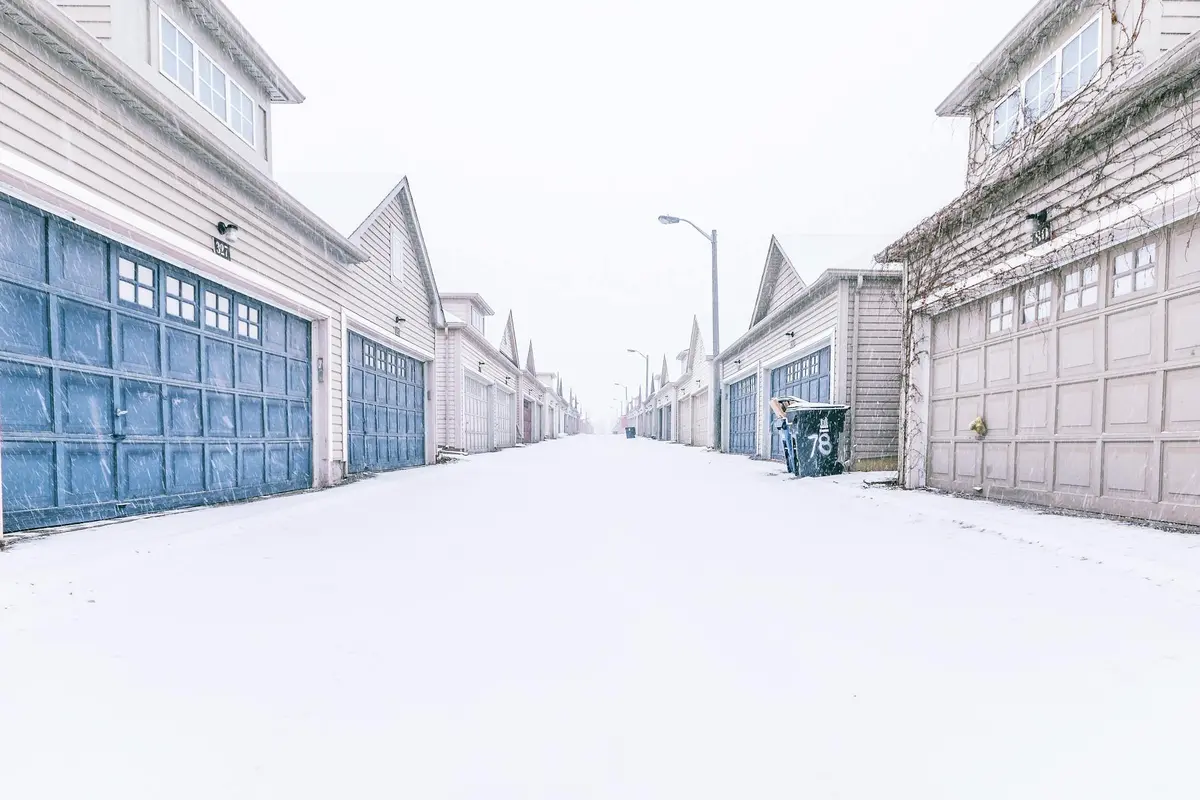
Your first job is figuring out which enemy you’re fighting. In the desert, you want to kick heat out. In the arctic, you need to trap warmth in. Getting your ventilation strategy wrong here makes everything else twice as hard.
Desert Ventilation: Exhaust the Oven
Still, hot air gets trapped at your peak. A basic ridge vent helps, but I’ve found adding power makes a real difference. I installed a Master Flow 6931-WC 16″ Galvanized Steel Power Gable Vent in a client’s Tucson garage, and it was a game-changer for pulling that stagnant air out.
A great alternative is a solar attic fan, like those from Natural Light. They run free during the hottest part of the day when you need them most. The real pro move is the night flush. As soon as the outside air is cooler than inside, open windows or vents on opposite walls. Use box fans to push that cool night air through. Seal it up tight at dawn to trap the coolness.
Arctic Ventilation: A Little Goes a Long Way
You can’t just seal it shut. Moisture from your car and projects will condense on every cold surface, leading to rust and mold. You need controlled, minimal air exchange. For a well-insulated shop, a Heat Recovery Ventilator (HRV) is the right tool. It exhausts damp indoor air and brings in fresh outdoor air, while transferring most of the heat from the outgoing stream to the incoming one. An HRV lets you manage moisture without throwing your expensive heat out the window. Panasonic makes reliable, quiet units that are common in cold-climate builds.
Cooling a Desert Garage
Portable evaporative coolers, or “swamp coolers,” work but only in dry heat. If your summer humidity climbs above 50%, they just make a muggy mess. They also add a lot of moisture to the air. For a permanent, effective solution, a through-wall AC unit is best. I’ve had good results with the MRCOOL DIY 12k BTU unit for a standard two-car space. It’s a self-contained system that only needs a hole in the wall and a dedicated electrical circuit. Don’t underestimate simple shade. An exterior shade sail or even planting a deciduous tree on the sun-facing side can drop the ambient temperature by 10 degrees.
Heating an Arctic Garage
You have two main choices: heat the objects or heat the air. Ceiling-mounted infrared heaters, like the Dr. Infrared DR-238, work like the sun. They warm the floor, your tools, and you directly, not the air. This is efficient if you’re moving in and out a lot, as you feel warmth instantly. Forced-air unit heaters, like a Modine Hot Dawg, heat the air volume. They’re better if you need uniform temperature for long projects. Always choose a sealed-combustion heater for a garage; it brings in outside air for burning and exhausts directly outside, so you never risk fumes or using up your oxygen.
Treating the Foundation: Concrete Slab Strategies
Everyone worries about the air and forgets the floor. That slab is a giant thermal mass, sucking up heat or cold and radiating it back at you. Ignoring it undermines your entire climate system.
The Desert Slab: Stop the Thermal Battery
A dark, bare concrete slab acts like a battery for the sun’s heat. It soaks it up all day and releases it all night into your garage. The fix is to reflect that energy away. I use a light-colored epoxy or polyaspartic floor coating. Polyaspartic is my go-to for garages now; it cures in a day and handles heat and UV better than traditional epoxy. The Rust-Oleum Rocksolid Polycuramine kit in a light gray or beige can lower the floor surface temperature by 15-20 degrees compared to bare concrete. It’s a transformative upgrade.
The Arctic Slab: Fight Frost Heave
In deep cold, the ground freezes and can push your slab upward unevenly, cracking it and your walls. This is frost heave. For an existing garage, your best move is insulating the slab perimeter. Dig down along the outside of your foundation wall to expose the footing, and attach 2-inch thick extruded polystyrene (XPS) rigid foam board, like Owens Corning FOAMULAR. This creates a thermal break that keeps the cold from penetrating under the slab. For a new build, under-slab insulation is non-negotiable. A layer of XPS foam goes directly under the concrete pour. Designing for garage construction in cold climates means anticipating frost depth and thermal bridging. The strategies above—perimeter insulation for existing garages and under-slab foam for new builds—help keep the space warm, dry, and energy-efficient.
Try the barefoot test. On a hot afternoon or a freezing morning, walk on your garage slab in socks. If you immediately feel extreme heat or cold coming through your feet, your slab is a major contributor to your comfort problem and needs to be addressed.
Sealing the Enemy Out: Air Leaks and Barriers

Your first job is finding where unwanted air gets in. The best tool for this is a simple incense stick.
Pick a windy day. Close all your garage doors and windows. Light the incense and slowly move it along every seam, corner, and penetration in your garage walls and ceiling. Watch the smoke-if it wavers or gets sucked out, you’ve found a leak. Pay special attention to these common trouble spots:
- The entire perimeter of your overhead garage door.
- Electrical outlets and light switches on shared house walls.
- The edges of your service (man) door.
- The joint where the wall framing meets the concrete floor, called the sill plate.
Desert Strategy: Locking the Heat Out
In the desert, you’re fighting radiant heat. Your goal is to create a tight seal so that blistering afternoon air can’t rush in. The biggest gap is always under your garage door.
I prefer a heavy-duty rubber T-style bottom seal, like the ones from M-D Building Products. The vinyl ones crack and crumble after a few summers. Here’s how to install it:
- Open your garage door fully and unplug the opener for safety.
- Pull out the old seal from the door’s bottom retainer channel.
- Measure the width of your door and cut the new seal to length with a sharp utility knife.
- Starting at one end, firmly press the seal’s fin into the channel. Use a rubber mallet to gently tap it all the way in if it’s tight.
For the vertical sides and top of the door, use high-quality vinyl weatherstripping with a durable adhesive backing. Clean the door jamb with rubbing alcohol first to make the adhesive stick. A tight seal here can drop the ambient temperature in your garage by several degrees.
Arctic Strategy: Blocking Moisture and Cold
In cold climates, the danger isn’t just cold air coming in-it’s warm, moist air from your house hitting cold garage surfaces and creating condensation. This leads to mold, rot, and rust on your tools, compromising garage climate and air quality for your equipment.
For insulated garage walls, a polyethylene vapor barrier is non-negotiable. I use 6-mil poly sheeting from a brand like Husky. It feels flimsy, but installed correctly, it works. Moisture control in a garage hinges on a continuous, well-sealed barrier that keeps humidity from saturating the insulation. When seams and overlaps are done correctly, the risk of mold and condensation drops.
- Staple the poly sheeting to the interior face of your wall studs before you install drywall.
- Overlap each sheet by at least 12 inches.
- Seal every seam and staple hole with Tuck Tape or UL-listed vapor barrier tape. Standard duct tape will fail.
- Ensure the barrier forms a complete, unbroken envelope. Any gap becomes a spot for condensation to form.
This barrier keeps moisture-laden air from ever reaching the cold backside of your drywall, where it would turn to water. Also, use foam gasket seals behind every outlet and switch plate on shared walls with your home.
Protecting What’s Inside: Vehicles, Tools, and Storage

Once your garage shell is tight, you need to shield what you store inside. The rules are completely different for Phoenix and Fargo.
Desert Storage: Beat the Heat and UV
Direct sun and extreme heat are brutal on vehicles and supplies. I never use a non-vented car cover here-it just traps heat and bakes the paint. A quality vented cover, like those from Covercraft, is worth the investment. For a car you aren’t driving often, connect a battery tender. The constant heat accelerates battery discharge.
Be smart about where you store things. Never store aerosol cans, paints, or plastic containers against a south-facing wall; the heat can cause them to leak or degrade. I keep all my chemicals on a shaded north wall shelf.
If you’re storing a vehicle for more than a month, inflate the tires to their maximum sidewall pressure to prevent flat-spotting. A piece of cardboard under each tire also helps insulate it from the hot concrete.
Arctic Storage: Fight Moisture and Freezing
Here, your enemy is condensation and cold-thickened fluids. For any gasoline-powered equipment (mower, snowblower, generator), add a fuel stabilizer like STA-BIL to a full tank before storage. Run the engine for five minutes to get it through the system. A full tank leaves less room for air, which means less condensation and water in your fuel come spring.
Your metal hand tools will rust overnight from condensation. I keep my wrenches and sockets in a sealed tool chest with a small, renewable desiccant pack. For daily-use tools on a pegboard, a light coat of WD-40 Specialist Corrosion Inhibitor works well.
An insulated, plastic storage bin is perfect for camping gear or fabrics; it keeps them dry and stops musty smells.
Maintenance & Cleaning Routine
Stick to a simple calendar. It prevents small problems from becoming big ones.
For Desert Climates:
- Spring (Before Summer): Inspect and clean all garage door seals. Check weatherstripping for cracks. Test your garage door opener’s auto-reverse safety feature.
- Fall: Clean dust and debris from garage door rollers and tracks. Check stored vehicle tires for pressure and dry rot.
For Arctic Climates:
- Fall (Before First Freeze): Apply weatherstripping to service door. Confirm vapor barrier integrity in any unfinished walls. Winterize equipment with fuel stabilizer.
- Winter: Monthly check for condensation, ice dams, or mold spots on walls and ceiling, especially near entry doors.
- Spring: Thoroughly clean floors to remove road salt and sand. Inspect hand tools for rust.
Finishing Touches: Exterior Paint and Electrical Safety
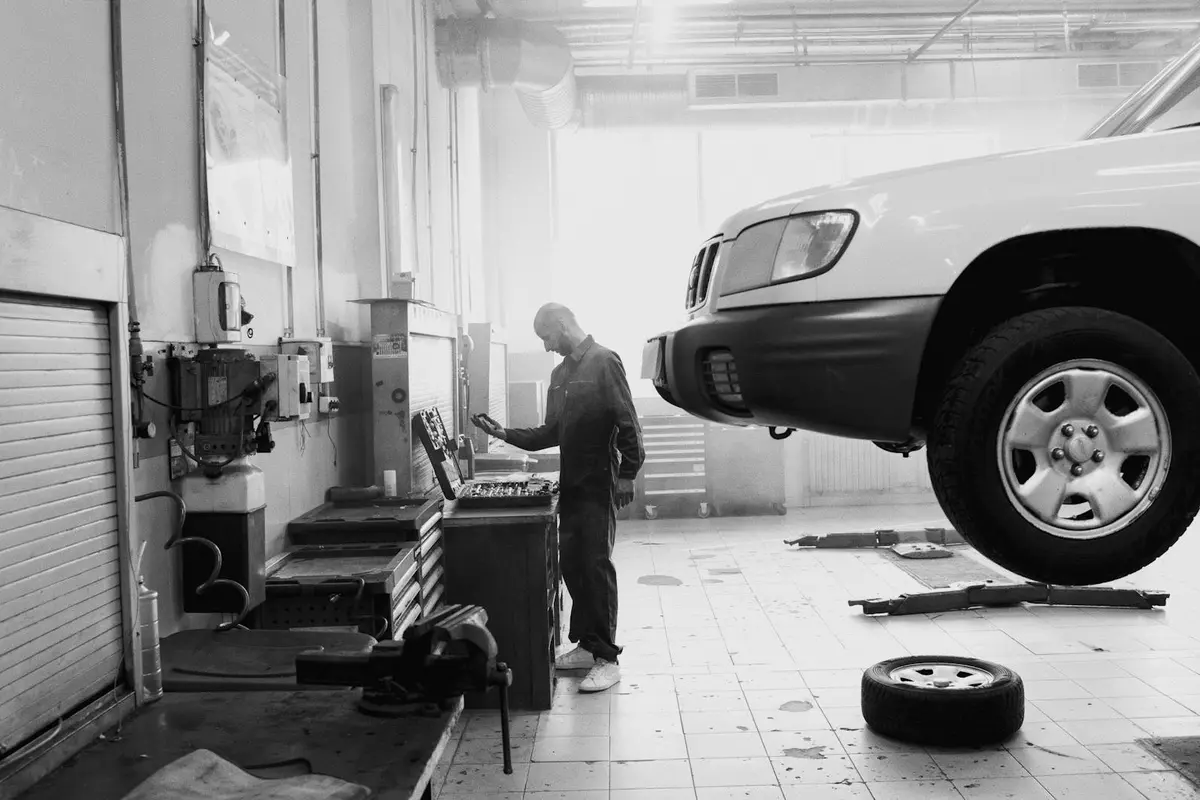
Your garage’s exterior and its power supply are the final shield and the lifeblood of your climate control system. Don’t leave these to chance.
Choosing the Right Exterior Armor
Paint is more than decoration; it’s a thermal barrier. The wrong type can fail quickly and waste all your hard work. I see this mistake often.
For Desert Climates, your goal is to reflect solar energy away from the building. You need a paint with a high Solar Reflectance Index (SRI). Look for this number on the can; a higher value means better reflectivity. I’ve had great results with products like Sherwin-Williams Duration or Behr Premium Plus in their lightest colors. A flat white or very light tan can make a measurable difference in your garage’s internal temperature compared to a dark brown or gray. Prepare the surface well, use a high-quality primer, and apply two topcoats for lasting protection against UV degradation.
For Arctic Climates, your paint must be flexible to survive constant expansion and contraction without cracking. Standard paint will fail, letting moisture in to freeze and cause damage. You need an elastomeric coating. These paints stretch like a rubber band. I used Behr’s Premium Elastomeric Masonry Paint on a client’s garage in Minnesota and it held up for years without the hairline cracks that plagued his neighbor’s standard paint job. The application is thicker, so follow the manufacturer’s instructions for surface prep and temperature windows during application closely.
Electrical and Tool Considerations for Extreme Temps
Your tools, batteries, and wiring are vulnerable to the elements. Heat and cold don’t just make you uncomfortable; they degrade equipment.
In Desert Heat, plastic tool housings can become brittle and warp. I left a popular brand of cordless drill in a Phoenix garage for one summer, and the housing developed fine cracks. Lithium-ion batteries are also sensitive; prolonged exposure to high heat permanently reduces their capacity and lifespan. Store your cordless tool batteries inside your house if your garage isn’t climate-controlled. For tools you must keep out there, consider insulated storage cabinets.
In Arctic Cold, plastics and rubbers become dangerously brittle. Extension cords and power tool cords can crack when uncoiled on a freezing morning, exposing live wires. Before using any cord, gently flex it along its length and check for damage. Lubricants inside tools and door openers thicken, causing motors to strain and wear out prematurely. I switch to a synthetic, low-temperature grease like Super Lube 21030 for garage door tracks and openers in cold climates. It flows much better in sub-zero conditions than standard white lithium grease.
Non-Negotiable Electrical Upgrades
No matter your climate, two electrical upgrades are critical for safety and functionality.
First, install GFCI (Ground Fault Circuit Interrupter) outlets for all receptacles. This is a code requirement in garages for good reason. In a damp environment from melted snow or where you might use a portable cooler, a GFCI can prevent a lethal shock by cutting power in a fraction of a second. I prefer the outlet type over a GFCI breaker because it’s easier to reset right where you’re working.
Second, plan for dedicated circuits. If you’re installing a heavy-duty forced-air heater or a large-capacity mini-split for cooling, it will likely need its own dedicated circuit from the electrical panel. A standard 15-amp garage circuit will not handle that load. Hire a licensed electrician for this work. They will ensure the wire gauge and breaker are sized correctly, preventing overloaded wires-a major fire hazard. It’s a worthwhile investment for safe, reliable climate control.
Garage Climate Control FAQ: Expert Answers for Extreme Climates
What are the primary challenges of maintaining a garage in extreme desert heat?
Heat degradation is the enemy-it cracks seals, warps materials, and bakes belongings. Your strategy must focus on reflecting radiant energy and sealing out hot air. Immediately inspect and replace any dried-out weatherstripping to prevent further damage.
What are the primary challenges of maintaining a garage in extreme arctic cold?
Moisture control and thermal retention are critical to avoid condensation, frost heave, and brittle failures. Prioritize a complete vapor barrier and high-density insulation. Conduct a seasonal check for ice buildup or damp spots on walls to catch issues early.
How does ventilation strategy differ between a desert garage and an arctic garage?
In the desert, aggressively exhaust heat with powered vents and night flushing. In the arctic, use a Heat Recovery Ventilator (HRV) for minimal, moisture-controlled exchange. Always balance airflow to avoid undermining your insulation efforts in either climate.
What considerations are needed for electrical systems and tools in a desert garage versus an arctic garage?
Desert heat demands indoor storage for batteries to preserve lifespan, and arctic cold requires low-temperature greases for moving parts. For both, upgrade to GFCI outlets and ensure dedicated circuits for any added climate control units to prevent overloads.
Final Thoughts on Climate Control for Your Garage
The single most important rule is this: treat your desert or arctic garage as a unique space that demands a tailored plan. A passive approach will lead to problems, from ruined tools to a dangerous environment. Your key action steps are straightforward:
- Seal and insulate your garage envelope first; this is your foundation for any climate control.
- Actively manage heat with ventilation or cooling, and cold with targeted, safe heating.
- Choose tools and systems rated for your specific temperature extremes to ensure they last.
- Never compromise on electrical safety, especially when adding new circuits for heaters or AC units.
Industry References
- r/Tucson on Reddit: Garage climate control suggestions
- Climate Controlled Garages | Welsch Heating & Cooling
- Garage Cooling Solutions: 9 Tips To Help You Beat The Heat
- Building a Climate-Controlled Garage
Evan Gunther
Evan is a general contractor operating in Columbus, Ohio servicing, maintaining and building residential and commercial garages for over two decades. He has personally redeveloped over 100+ garages and installed and reinstalled over 230+ garage doors in his long tenure. When it comes to giving your garage a face lift or fixing common issues, Evan's the pro. Feel free to reach out to him and follow his Garage Log blog for expert, fact based advice.