
Power Outage? Here’s How to Manually Open Your Electric Garage Door
When the lights go out, your automatic garage door can leave you stranded. I’ll show you the proven, safe way to override it and get moving.
This guide walks you through locating the emergency release cord, safely disengaging the opener, and lifting the door without straining your back or the hardware.
I’ve been a residential garage technician for fifteen years, fixing and maintaining these systems daily.
Why Every Homeowner Should Know This Garage Door Trick
Picture this: a storm knocks out your power just as you pull into the driveway. You’re sitting in your car with a trunk full of groceries, and your electric garage door is just a big, silent wall. Knowing how to open your garage door by hand turns a stressful situation into a simple, 60-second task. I’ve been there, fumbling in the dark, and I can tell you that this basic skill is a game-changer for any household.
A power outage is the most common reason, but it’s not the only one. I’ve seen garage door opener motors burn out, circuit boards fail, and remotes just stop talking to the unit. When the high-tech solution fails, the low-tech manual release is your reliable backup plan. This isn’t just about convenience; it’s a core piece of home safety. In an emergency where you need to evacuate quickly or allow emergency services access, that door needs to open.
Think of it like knowing how to turn off your home’s main water valve. You hope you never need to, but when you do, that knowledge is priceless. Treating your garage door’s manual operation as a fundamental self-reliance skill empowers you and keeps your family secure.
The Gearhead’s Checklist: What You Need Before You Start
You don’t need a toolbox full of specialty gear. The system is designed for a simple, manual release. Based on hundreds of service calls, here’s exactly what I gather before I show a homeowner how to do this.
A sturdy step ladder is non-negotiable. You must reach the garage door opener unit safely, which is mounted on the ceiling. A wobbly kitchen chair is an accident waiting to happen. I keep a basic 4-foot Werner fiberglass ladder in my service van because it’s stable, light, and doesn’t conduct electricity. If you’re stocking up, a store that carries garage ladders and heavy equipment has plenty of options. Keeping gear properly stored makes setup quick and safe.
Your light source is critical. The area near the opener is often dark, even during the day. A handheld flashlight works, but it ties up one of your hands. I always recommend a headlamp like the Energizer models you can find at any hardware store. They’re inexpensive, leave both hands free to work the release mechanism and lift the door, and they point exactly where you’re looking. This one tip makes the whole process twice as easy.
For optional items, consider a pair of basic work gloves. They give you a better grip on the release cord and the door itself, and they keep your hands clean. Safety glasses aren’t a bad idea either, as you’ll be looking up near the ceiling where dust and debris can fall. Remember, no wrenches, pliers, or hammers are required; if you feel like you need to force anything, stop and reassess.
A Step-by-Step Guide to Opening Your Garage Door Without Power
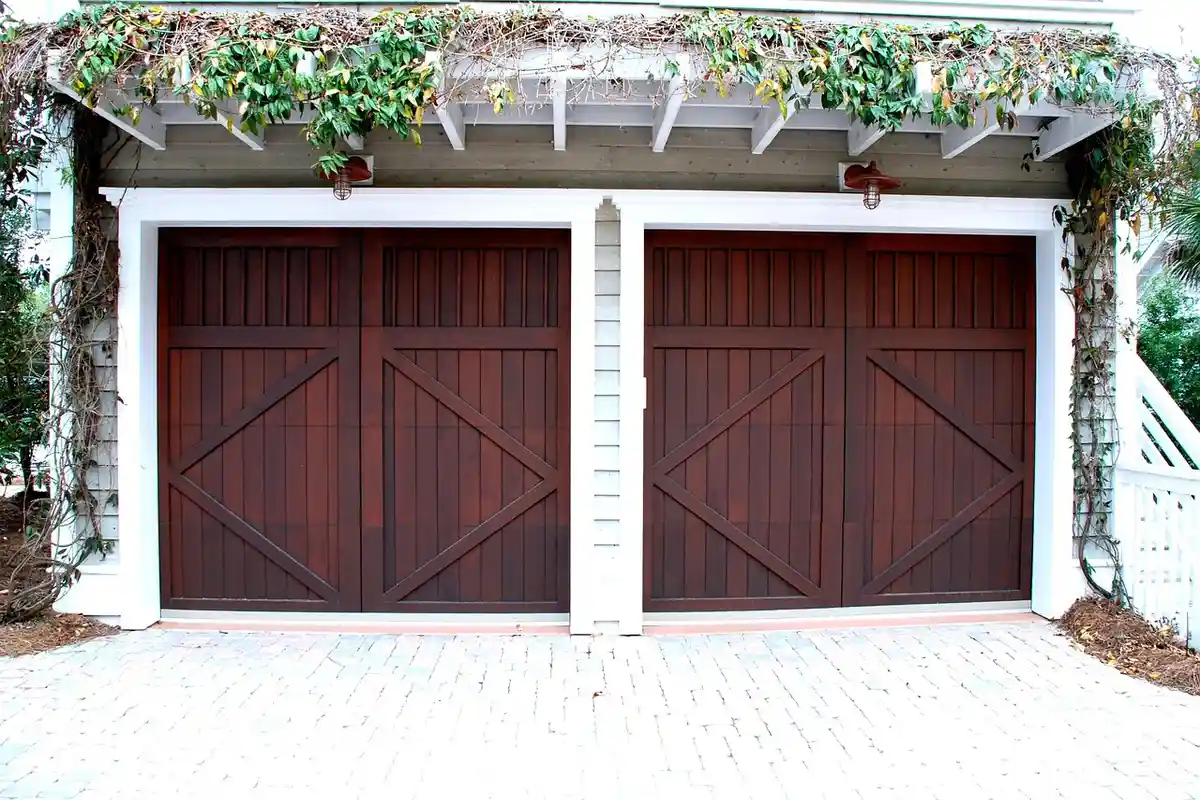
When the power goes out, your garage door isn’t stuck. If you don’t have a remote, you can still open it using the built-in emergency release. Follow this sequence and you’ll have it open in under a minute.
Step 1: Safety First – Disconnect the Opener
Before you touch the door, you must stop the opener from trying to work. Look up at the metal rail the opener trolley rides on. You’ll see a thin rope with a red handle hanging from it. That’s your emergency release cord.
Grab a sturdy step ladder, climb up, and give that red cord a solid pull towards the door. This action trips a lever that physically disconnects the trolley from the opener’s drive system. It’s like putting a manual car in neutral-the motor is now out of the equation, which prevents it from suddenly engaging if the power comes back on.
Step 2: Find and Pull the Manual Release Cord
This step answers the common question, “How do you locate the manual release mechanism?” That red handle you just pulled is attached to a longer rope or cord. Follow it with your eyes to where it connects to the moving part (the trolley) on the opener rail. You need a good grip on this.
I keep a 6-foot Gorilla Ladder in the corner for this exact reason. Position it safely under the opener. Standing on the ladder gives you the control to pull the release straight down, not at an angle. Get a firm hold on the red T-bar or handle.
Step 3: Disengage the Door from the Opener
Now for the main event: “What is the process for disengaging the opener from the door?” With a firm grip on the red handle, pull down in one smooth, steady motion.
You’re not yanking a lawnmower cord. You’re pulling a lever. You should feel definite resistance, then a solid “clunk” as the trolley unlocks from the door’s attachment bracket (called the J-bar). If you yank it, you can jam the mechanism, and fixing that is a whole other project. A steady pull works every time.
Step 4: How to Manually Lift the Garage Door
Here’s “How do you lift the garage door manually?” The door is now free from the opener, but it’s still connected to its springs. Walk to the center of the door, crouch down, and place one hand on the bottom panel near each edge. Make sure to take precautions and manually open the garage door carefully.
Keep your back straight and use your leg muscles to lift. Push through your heels. A door with good torsion springs will feel surprisingly light for the first half of its travel. Lift evenly to keep the door on its tracks; if one side gets ahead, it can bind. If the door is stiff or jerky, that’s a sign the springs or rollers need service-proceed with extra care.
The “Log Entry” Pro-Tip: The Handle Tie-Off
Here’s a lesson from my shop: I’ve been to too many homes where a homeowner disengaged the door, got it open, and left the red release cord dangling. That’s a mistake.
A loose cord can swing and get caught in the opener sprocket or the door itself. Later, when you go to reconnect the opener, that snagged cord will stop the trolley from latching back into place. After you pull the release, immediately tie the cord’s loop to the opener rail or hook it on a provided bracket. This keeps it taut and out of trouble. I use a simple zip-tie from my tool bucket to secure it.
Critical Safety Rules You Must Follow
Once that opener is disengaged, the rules change. Your garage door is a heavy, free-swinging object. Treat it with respect, especially when manually opening it in an emergency.
First, clear the area. Make sure kids and pets are not in the garage or near the door’s path. Before you lift, visually check that nothing and no one is in the way of the door’s travel, both inside and out. This is especially important if you have children and pets around.
Never, ever walk under a door that is only partway up. Those springs are under immense tension. If a component fails, the door can drop faster than you can react. If you need to prop the door open, use a dedicated door prop or a solid wooden 4×4 block—never rely on the opener mechanism or a flimsy object.
This final point answers “What safety precautions should be taken?” The door is heavy, under tension, and now fully manual. Your awareness is the primary safety feature.
Getting Back to Normal: Re-engaging Your Opener
You can only do this next part once your home’s electricity is completely back on. I always wait until I see the opener’s lights come on solid, not just flickering, before I touch anything.
First, you need to lower the door all the way down. Do this by hand, guiding it down the tracks smoothly until it sits flush on the floor. Never try to reconnect the opener with the door in the up position, as the sudden re-engagement can cause it to slam down dangerously.
Now, find that red release cord again. Instead of pulling it straight down to disconnect, you’ll pull it firmly toward the garage door. On most models, you’ll hear and feel a solid “click” or “clunk” as the carriage re-engages with the opener’s drive mechanism. Think of it like shifting a manual transmission into gear. Once you hear that click, you’re set to reconnect the garage door opener system and test its operation. In the next steps, you’ll find a quick guide to complete the reconnection and verify smooth operation.
Here’s the step everyone asks about: How do you re-engage the automatic opener after power is restored? Pull the release handle toward the garage door until it clicks back into place, then immediately test it with your wall button.
Finally, press the wall button to operate the opener. The door should lift smoothly. If it doesn’t move, or if the opener motor strains, pull the release cord again and repeat the re-engagement process. Sometimes it takes two tries to get it seated perfectly.
Maintenance & Cleaning Routine for Your Manual Release
That red cord is your emergency exit. You don’t want to find out it’s broken when you’re in the dark. I set a reminder in my phone to check mine every six months, usually when I change the batteries in my smoke detectors.
Grab your step ladder and get a close look at the cord, especially where it ties to the handle and where it passes through any guides. Look for fraying, dryness, or cracking. I’ve replaced a few that were brittle from garage heat and looked like old twine.
Once a year, with the door closed and the opener disconnected for safety, simply pull the release handle. It should move smoothly without sticking or grinding. A stiff release is a safety problem when you’re in a hurry. If the release lever feels gritty or resists, a light lubricant on its pivot point will save you a headache later.
My go-to is a pure silicone spray, like the one from WD-40 Specialist. I avoid heavy grease or all-purpose oils here because they attract more dust and grime. One short burst on the moving joint is all you need. Wipe away any excess with a rag.
While you’re up there, take a second to clear away any cobwebs or debris around the release mechanism and the opener’s carriage. Keeping the area clean helps everything last longer and work right when you need it most.
When This Job Requires a Professional Garage Door Technician
Knowing when to call a professional is a critical part of being a responsible homeowner. While pulling the release cord is a straightforward task, your garage door system is under tremendous tension. If you encounter any of these signs, stop immediately and call a qualified technician.
First, let’s talk about the release mechanism itself. You pull the red cord, and it should feel like a firm, smooth release, followed by a distinct *clunk* as the trolley disconnects. If you pull the cord and nothing happens-no resistance, no sound, no disengagement-you likely have an internal problem with the release assembly. I’ve seen this where the plastic gears inside a Chamberlain or LiftMaster unit strip out. This isn’t something you can force; it requires taking the opener head apart, which is a job for a pro with the right parts.
The weight of the door is your biggest clue. A properly balanced garage door should feel heavy but manageable, like lifting a full suitcase. If the door feels extremely heavy, sags to one side, or you hear loud popping or grinding noises when you try to lift it, your high-tension springs are almost certainly the issue. I always tell homeowners to treat torsion springs (the long spring over the door) with extreme caution. They store enough kinetic energy to cause severe injury. Replacing them requires winding bars, specific knowledge, and the right safety gear. This is never a DIY repair. Adjusting garage door springs should be left to professionals.
Finally, pay close attention to the door’s behavior after you’ve disengaged it. Lift the door about halfway and let go. It should stay firmly in place. If the door slides back down on its own or suddenly reverses direction, your door is dangerously out of balance or has a broken component. I once diagnosed this on a Wayne Dalton door where a cracked top bracket was the culprit. A door that won’t stay open is a major safety hazard and needs immediate professional attention to prevent it from crashing down.
FAQs: Manual Garage Door Operation from a Pro
What if my emergency release cord is missing or broken?
First, check if the cord is tied up on a bracket near the opener rail; it’s often secured out of the way. If it’s truly broken, you cannot safely disengage the door-this is a critical safety repair. Call a technician immediately to replace the release assembly.
Is it safe for one person to lift the door alone?
It can be, but only if the door is properly balanced. Before an outage, test it: disconnect the opener and lift the door halfway. If it stays in place, it’s balanced. If it’s very heavy or falls, the springs need adjustment-a job for a pro due to extreme danger.
The door lifted manually, but now it’s crooked on the tracks. What do I do?
Stop. This means the door was lifted unevenly or a roller has jumped. Do not force it. Carefully lower the door back down until it sits on the floor, which often realigns it. If it remains crooked, a track or roller is damaged and requires professional service.
How do I know the opener is truly re-engaged after pulling the cord back?
Listen and look. You should hear a definitive “click.” Then, visually confirm the trolley (the moving part on the rail) is flush with the door’s J-bar bracket. Finally, test with the wall button; the motor should lift the door smoothly without strain or unusual noise.
My door opened manually, but it’s incredibly heavy. What does that mean?
It means your counterbalance springs have lost tension or failed. This puts excessive strain on the opener and is unsafe. Do not use the automatic function until a technician inspects and replaces the springs. Forcing it can burn out the opener motor.
How often should I practice this manual release procedure?
Practice it once a year during daylight hours. This ensures you know the feel of the release, verifies the cord is functional, and tests the door’s balance. Log the date in your home maintenance record. Familiarity is key for performing it safely under stress.
Staying in Control When the Power Fails
When the lights go out, your first move should always be to find and pull that red release cord hanging from your garage door opener carriage. Keep these points fresh in your mind: know exactly where your manual release is before you need it, keep the area in front of the door completely clear so you can lift it safely, test the release mechanism every few months to ensure it operates smoothly, and never neglect the general maintenance of your door’s springs, rollers, and tracks.