
Is Your Garage Floor Coating Harming Your Home and the Environment?
If you’re concerned about the smell of fresh coating or what chemicals might be lingering in your garage, I get it. I’ll help you cut through the confusion and find a floor solution that’s tough on stains but easy on the planet.
This article provides practical steps to make an informed choice, covering what VOCs are and why they’re a problem, how to spot truly eco-friendly products, and my tested methods for a safer application and cleanup.
I’ve personally applied and maintained dozens of floor coatings in home garages, from standard epoxies to newer, greener formulas, so you’re getting advice from the shop floor.
What Are VOCs and Why Should You Care?
Think about that powerful smell when you open a new can of oil-based paint, or the sharp fumes from a gas can. That smell is volatile organic compounds, or VOCs, escaping into the air. They are chemicals that evaporate easily at room temperature, which is a process called off-gassing. In a garage, these fumes can come from gas, oil, and solvents, making garage odor removal a common concern. Proper ventilation and moisture control help reduce VOCs and prevent mold in damp spaces.
In your garage, the most common source of these fumes comes from floor coating products. I’ve worked with dozens of them, and the high-VOC ones are unmistakable. The main culprits are:
- Solvent-based epoxy kits (the ones that come in two parts you mix)
- Polyurea and polyaspartic coatings that use solvent carriers
- Many concrete sealers and acrylic finishes
- The harsh acid etchants and cleaners used for surface prep
Breathing in those fumes during application can cause immediate headaches, dizziness, and eye or throat irritation, which is why I never skip ventilation. The bigger concern is the long-term effect. As that coating cures over days or weeks, it continues to off-gas VOCs into your home’s air and the outdoor environment, contributing to ground-level ozone and smog.
You can spot a high-VOC product before you buy it. I always turn the can or box over and read the label. Look for warning words like “Danger,” “Poison,” or “Flammable.” Check the ingredients for chemicals like toluene, xylene, methyl ethyl ketone (MEK), or benzyl alcohol. Many quality manufacturers now proudly list “Low-VOC” or “Zero-VOC” right on the front label, which makes your choice much easier.
The Hidden Environmental Cost of Traditional Coatings
That glossy, durable floor has an impact long before and after you roll it on. Let’s break down the lifecycle of common garage coatings from my shop’s perspective, and see how they compare to vinyl flooring’s durability.
A traditional 100% solids epoxy is incredibly tough, but its resin components are petroleum-derived. Polyurea coatings are fast-curing and durable, but many rely on solvents to make them sprayable or rollable. Even standard acrylic concrete sealers often use solvents as carriers. The environmental cost starts with the energy and non-renewable resources needed to manufacture these petroleum-based chemicals, not to mention the preparation involved in applying sealers to concrete surfaces.
The real issue, which many homeowners don’t consider, is disposal. Leftover solvent-based product, used rollers, and empty cans are household hazardous waste. I take mine to my local facility because tossing them in the trash means those solvents can leach into soil and groundwater. When an old coated floor is eventually ground down for replacement, that dust contains microplastics and chemicals that must be contained.
Handling these materials safely is non-negotiable in my book. For any solvent-based product, my minimum safety kit includes:
- A proper organic vapor respirator with P100 cartridges (not a dust mask)
- Chemical-resistant gloves, like nitrile
- Safety goggles that seal to your face
- Exhaust fans creating cross-ventilation in the garage
I learned the hard way early in my career that skimping on a respirator leads to a pounding headache that ruins your whole day. The right gear protects you and minimizes your direct exposure to the very chemicals that make these products problematic.
Your Guide to Eco-Friendly Garage Floor Coating Options
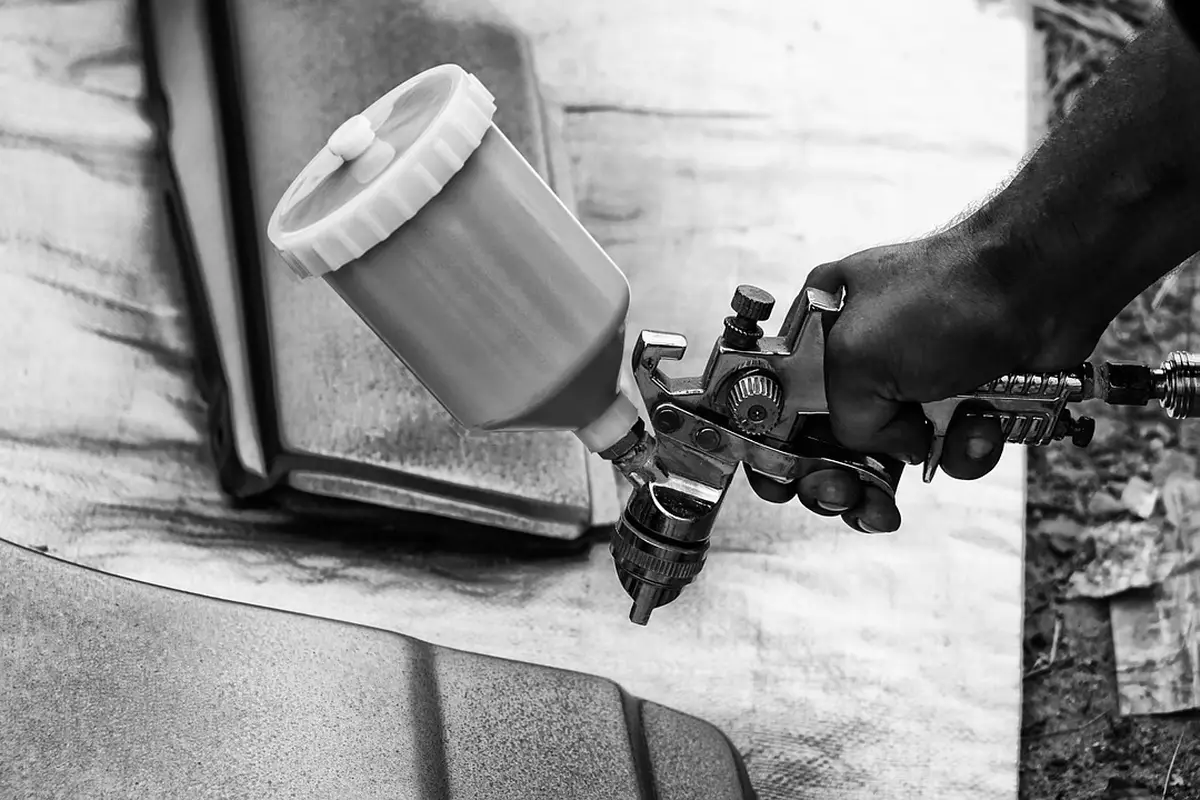
When I talk about an “eco-friendly” coating, I’m not just talking about a green label on a can. I’m talking about a product designed to minimize its impact on your home’s air and the environment. For garage floors, this focus comes down to three main formula types.
Low-VOC formulas are the baseline standard, releasing far fewer volatile organic compounds that create that harsh, headache-inducing chemical smell. Water-based epoxies use water as a carrier instead of harsh solvents, making them much easier on the lungs during application. The newest frontier is bio-based or plant-derived resins, which replace a portion of the petroleum-based chemicals with renewable materials.
Comparing the Three Main Contenders
You’ll generally choose from three coating families. Each has a different balance of environmental friendliness and performance, especially when compared to traditional insulation types.
100% Solids Epoxy contains no solvents or volatiles that evaporate, so it has near-zero VOCs and cures into an incredibly thick, durable layer. It’s the professional’s choice for heavy-duty shops. Water-based Epoxy is the go-to for most DIYers seeking a greener option. The odor is mild, cleanup is with soap and water, and it provides good protection for typical garage use. Polyaspartic coatings are a premium, fast-curing option. Many are low-VOC and offer superior UV resistance and durability, but their rapid cure time is a double-edged sword.
The Durability Verdict: Eco-Friendly Materials Compared
Choosing a greener coating doesn’t mean sacrificing performance. This table breaks down how the top options stack up for garage life.
| Coating Type | Chemical Resistance (Oil, Gas, Antifreeze) | Weight & Impact Resistance | Long-Term Wear & Lifespan |
|---|---|---|---|
| 100% Solids Epoxy | Excellent. Forms a non-porous barrier. | Best. Handles jack stands, tool drops, and heavy cabinets. | 10+ years with proper prep. Very high abrasion resistance. |
| Water-Based Epoxy | Very Good to Excellent. May stain with prolonged chemical puddles. | Good. Suitable for passenger vehicles and standard tools. | 5-7 years. Can wear in high-traffic tire paths over time. |
| Polyaspartic | Excellent. Similar to 100% solids epoxy. | Excellent. Extremely tough and flexible. | 15+ years. Superior resistance to abrasion and UV degradation. |
My biggest lesson on cure times came from a polyaspartic job on a hot summer day; the pot life was under 20 minutes, and it forced my two-person crew to work in a rushed panic. For a DIY homeowner working alone, that speed is a recipe for application errors. A water-based epoxy gives you a much more forgiving 30-45 minute working time. The 100% solids epoxy I use, like the kits from Legacy Industrial, has a workable window, but you must mix perfectly.
UV resistance is critical if any sunlight hits your floor, as many budget solvent-based epoxies will amber or yellow within a year. Most polyaspartics and aliphatic (UV-stable) topcoats are formulated to resist this. I always recommend a UV-resistant topcoat, even over a 100% solids epoxy, for a lasting, bright finish.
The Right Tools for the Job: Prep and Application
The coating is only as good as the floor underneath it. Proper surface prep is non-negotiable.
- Diamond Grinder (Rental): This is my preferred method. A concrete grinder with diamond abrasive pads, like those from EDCO, mechanically abrades the surface for a perfect, consistent profile. It’s dusty, so you need a vacuum shrouded grinder and proper respirators, but it creates the best bond.
- Acid Etching: The traditional DIY method involves muriatic acid. It’s less expensive upfront but inconsistent and involves neutralizing and thoroughly rinsing hazardous chemicals. I find grinding to be more reliable and safer to manage.
- Application Tools: For the coating itself, you’ll need a medium-nap roller frame and covers, a 2-gallon bucket and grid, stiff mixing paddles for a drill, and spiked shoes for applying topcoats. A quality brush, like a Purdy, is needed for edges.
Why Eco-Friendly Coatings Are a Smart Choice for Your Garage
The benefits extend beyond just feeling good about your choice. They translate to real advantages for your home and family.
Improved indoor air quality is the most immediate benefit, as low-VOC and water-based coatings won’t fill your home with toxic fumes during the days-long cure. You can often re-enter the space comfortably within hours, not days. There’s no lingering odor that seeps into your living area.
The superior durability of these options means you won’t be chipping up and landfilling a failed coating in just a few years. A product that lasts 10-15 years instead of 3-5 significantly reduces material waste over the lifetime of your garage. You invest once and enjoy it for longer.
Safety is another factor. Many of these systems are designed with added grip. You can broadcast anti-slip additives like aluminum oxide or polymer granules into the topcoat. This creates a textured surface that provides traction even when the floor is wet from rain or snow melt off your car.
Aesthetically, you have the full range. From clear sealers that show the natural concrete to full flake systems, the color-fastness of quality UV-stable topcoats keeps them looking new. I’ve seen water-based epoxy flake floors that still look vibrant after eight years in a sun-exposed garage.
Let’s talk cost. The upfront price for a premium low-VOC polyaspartic or 100% solids epoxy kit is higher than a big-box store solvent-based kit. But when you factor in the longevity, performance, and that you’re paying for a professional-grade product without the professional installation fee, the long-term value is clear. You’re buying a permanent floor solution, not a temporary cosmetic cover-up.
How to Install, Maintain, and Dispose of Green Coatings Responsibly
Choosing an eco-friendly coating is the first step, but applying it correctly makes all the difference. I’ve seen too many failed jobs where someone skipped the preparation to save an hour. That prep work is your entire foundation.
Here’s my shop-tested method for a durable, long-lasting finish.
- Clear and clean the space completely. Get everything off the floor and out of the garage. This gives you room to work and prevents dust from settling on your fresh coat.
- Degrease the concrete. You must remove every trace of oil. I use a concentrate like Simple Green or Zep Citrus. Scrub it in with a stiff-bristle push broom, let it sit, and pressure rinse it out. If stains remain, use a dedicated concrete degreaser.
- Etch or grind the surface. This is the non-negotiable step. The coating needs a rough, “toothsome” surface to grip. For a small garage in good condition, a liquid etcher from the kit might work. For a reliable, professional-grade bond, I rent an electric angle grinder with a diamond cup wheel. It’s messy and loud, but it opens the pores of the concrete like nothing else. Wear a proper respirator (not a dust mask) and eye protection.
- Vacuum and final clean. After grinding or etching, vacuum every speck of dust with a shop vac. Then, mop the floor with clean water and let it dry completely for at least 24 hours.
- Apply the coating. Follow the kit instructions to the letter for mixing and pot life. Use a quality roller frame with a 3/8-inch nap roller cover designed for epoxy. Start in a back corner and work your way toward the door. Maintain a “wet edge” to avoid lap marks. Most water-based or low-VOC products have shorter working times, so don’t mix more than you can apply in 20 minutes.
- Allow full cure. Resist the urge to park on it or set up your toolbox early. Give it the full cure time listed on the can, which is often longer in cool, humid weather.
Maintenance & Cleaning Routine for Your Coated Floor
A coated floor is easy to care for, but it’s not maintenance-free. A simple routine keeps it looking new for years.
Do a quick weekly sweep. Use a soft-bristle broom or a dry dust mop to pick up grit and debris. This prevents fine scratches from getting ground in underfoot.
Mop monthly with a pH-neutral cleaner. I mix a capful of a cleaner like Bona for Stone & Tile into a bucket of warm water. Avoid acidic cleaners (like vinegar) or harsh degreasers for routine cleaning, as they can dull the finish over time.
Deal with spills immediately. This is critical. For motor oil, transmission fluid, or antifreeze, soak it up with an absorbent clay (like Oil-Dri) right away. Let it sit for 10 minutes to pull the spill from the surface, then sweep it up. Wipe the area with a rag and your pH-neutral cleaner. Quick action prevents permanent stains.
Perform a seasonal inspection. Every spring and fall, take five minutes to look over your floor. Check for any chips from dropping a tool or areas where wear is starting to show. Most eco-friendly kits sell small touch-up bottles. Fixing a small spot prevents moisture from getting underneath and causing a bigger failure later.
Recommended Product Categories for Eco-Friendly Coatings
Walking down the coating aisle can be confusing. Here’s what I look for when I want a lower-impact product that still performs.
First, read the labels for certifications. Look for the specific terms “Low-VOC” or “VOC-Free.” A “Green Seal” or similar third-party certification is a good sign. Be wary of products that just say “eco-friendly” or “green formula” without any verifiable specs on the can or data sheet.
For most DIY garages, a water-based epoxy or acrylic sealer is a great start. Brands like Rust-Oleum EpoxyShield now offer water-based, low-VOC kits. They provide good chemical resistance, are easier to apply than solvent-based epoxies, and clean up with soap and water. The fumes are minimal, so you can often work with the garage door just cracked open.
For heavy-duty use, consider a 100% solids epoxy. These contain no VOCs because they have no solvents or water to evaporate. They are extremely durable and chemically resistant. The trade-off is they are more expensive, harder to apply, and usually require professional-grade tools. I’ve used brands like Legacy Industrial for shop floors that see constant abuse.
For simple protection and a natural look, a penetrating water-based sealer is an option. These won’t give you a glossy, coated film. Instead, they soak into the concrete to repel water and stains. It’s a lighter-duty, low-VOC choice if you just want to protect a basic parking area from salt and drips.
Responsible Disposal of Materials
What you do with leftover product matters just as much as what you put on the floor.
Never pour leftover coating, rinse water, or cleaner down a drain, into a ditch, or on the ground. This contaminates water supplies and is often illegal.
For leftover mixed product, you must harden it. Spread the unused mixture thinly in the bottom of the mixing tray or on a piece of cardboard. Let it cure completely into a solid. Once solid, that disk can be placed in your regular household trash for landfill disposal.
Empty or partially full cans must go to a Household Hazardous Waste (HHW) facility. Even empty cans can have residue. Search online for “[Your County] household hazardous waste disposal” for locations and drop-off days. They take the cans and ensure they’re processed safely.
Taking these extra steps ensures your project is truly green from start to finish.
Your Garage Floor Coating Questions, Answered by a Pro
How do I quickly check if a garage floor coating product is high in VOCs before I buy it?
Turn the can or box over and read the label. Look for signal words like “Danger,” “Poison,” or “Flammable,” which are red flags. Many quality low-impact products now clearly state “Low-VOC” or “Zero-VOC” on the front label to make your choice easy.
Beyond air quality, how do traditional coatings harm the local environment near my home?
Improper disposal is the major culprit. Tossing solvent-soaked rollers or half-full cans in the trash leads to chemicals leaching into soil and groundwater. Always treat these materials as household hazardous waste and take them to a designated collection facility to prevent local contamination.
As a DIYer, what is the most practical eco-friendly coating type to start with?
For most homeowners, a water-based epoxy kit is the best entry point. It offers very good protection, has minimal fumes for safer application, and cleans up with soap and water. It’s a forgiving product that balances environmental concerns with solid DIY performance. Epoxy provides a more durable finish than paint, making it well-suited for garage floors.
Does choosing an eco-friendly coating mean I’m sacrificing durability or spending more?
No. Products like 100% solids epoxy or polyaspartic are top-tier in durability and have low environmental impact. While the upfront cost is higher than a budget solvent-kit, their superior longevity of 10-15+ years makes them more cost-effective over time, saving you from a redo in just a few years.
What’s the one non-negotiable step for responsible disposal after my project?
Never pour anything down a drain or into the ground. For leftover liquid coating, you must harden it completely on cardboard before placing it in the trash. All cans, empty or not, must go to a Household Hazardous Waste (HHW) facility-search for your local drop-off point online.
Making a Smart Choice for Your Garage and the Environment
When selecting a garage floor coating, the single best decision you can make is to prioritize a product with verified low or zero VOCs for the safety of your home and our shared environment. This choice protects your air and makes the application process far more pleasant. My experience in hundreds of garages has taught me that a good result starts with the right materials. Keep these points in mind:
- Understanding VOCs is not about fear, it’s about making an informed choice for your indoor air quality.
- True eco-friendly alternatives like water-based epoxies and polyaspartics are now durable enough for a residential garage.
- Always read the product’s technical data sheet yourself to confirm its VOC content and application requirements.
- Disposing of old coatings and chemicals responsibly is a final, critical step in being a good steward.
- Being informed also helps you sift through common myths about floor coatings to make a sound choice.
Evan Gunther
Evan is a general contractor operating in Columbus, Ohio servicing, maintaining and building residential and commercial garages for over two decades. He has personally redeveloped over 100+ garages and installed and reinstalled over 230+ garage doors in his long tenure. When it comes to giving your garage a face lift or fixing common issues, Evan's the pro. Feel free to reach out to him and follow his Garage Log blog for expert, fact based advice.