
How Often Should You Service Your Garage Door? A Complete Maintenance Schedule Guide
Is your garage door quietly heading for a costly breakdown? I will help you set a simple, effective maintenance routine to ensure it operates safely and reliably for years.
We will cover key visual inspections, proper lubrication steps, critical spring checks, and clear timelines for professional service.
With years of hands-on experience servicing residential garage doors, I have developed this schedule through trial and error in my own shop.
The Real Service Schedule: Balancing DIY and Pro Care
You asked the core question, so here’s the direct answer. For a standard residential garage door, plan on a thorough check twice a year. This simple twice-a-year rule works for about 90% of the homes I service. It catches wear before it becomes a failure. For a quick, structured reference, the garage door opener maintenance checklist covers the key steps. It complements the twice-a-year cadence and helps keep everything running smoothly.
A common follow-up is about electric models. Electric garage doors need servicing on the same schedule, but your checklist includes critical opener and safety sensor checks. Every spring and fall, I wipe down the sensor eyes with a microfiber cloth and test the auto-reverse by placing a scrap 2×4 on the floor. If the door doesn’t immediately reverse when it touches the wood, that’s a major safety issue you must address.
This routine directly answers another big worry: how long your door will last. A well-maintained steel or wood door can easily last 20 to 30 years. I see doors fail in half that time when owners only call after something breaks. Regular care is how you avoid a costly, premature replacement.
Here’s a pro-tip from my own log book. One fall, I got busy and skipped my own inspection. Come January, the door started groaning on cold mornings and the opener was straining. I finally looked and found the roller hinges bone-dry and grit in the track. I spent a weekend fixing what 30 minutes in the fall would have prevented. That noise and strain was the system crying out for a simple lube and cleaning.
Your Bi-Annual Maintenance Windows
Mark your calendar for two key times: early spring and late fall. This isn’t random. The spring check fixes all the wear from a wet, freezing winter. You’re looking for rust, moisture damage, and tightening any bolts that shook loose. The fall check prepares the door for winter, ensuring it seals tightly and moves smoothly as temperatures drop.
Committing to this spring and fall routine is the definitive answer to whether you need regular service. It’s the difference between controlling small upkeep costs and facing a sudden $500 repair for a snapped spring or a failed opener gear.
Listen to Your Garage Door: Warning Signs You Can’t Ignore
Your garage door will tell you when it needs help, often long before it quits. Learn its language by understanding the common repair and maintenance services. The clear signs it needs servicing include loud grinding from the opener, a door that moves slower than usual, or visible gaps in the weather seal. Any sudden change in operation is a message.
Watch how it moves. If the door hops or shakes as it travels, it’s out of balance. I explain this to clients by comparing it to a car with a flat tire. You wouldn’t keep driving on it; you’d fix the problem before it ruins the wheel. A jumping door puts massive stress on every other part.
Prioritize safety signs above all else. If the door doesn’t instantly reverse when it hits an obstacle, stop using the automatic opener immediately. This test is non-negotiable. Also, never ignore a frayed lifting cable-it’s under extreme tension and can snap without much warning.
Visual and Auditory Red Flags
During your checks, look for these specific issues. Run your eyes along the steel cables for any broken wire strands; they’ll look like a tiny brush. Check for rust spots on the bottom panel or hinges. Look down the vertical tracks from the bottom-they should be perfectly straight. Any bow or gap means the track is bent.
Your ears are just as important. New squeaks usually mean dry hinges or rollers; I use a silicone-based lubricant like Blaster Garage Door Lube for these. A popping sound can indicate a loose bolt or bracket. The most concerning sound is a harsh metal-on-metal scraping, which often points to a damaged roller or misaligned track.
Your Step-by-Step Maintenance & Cleaning Routine
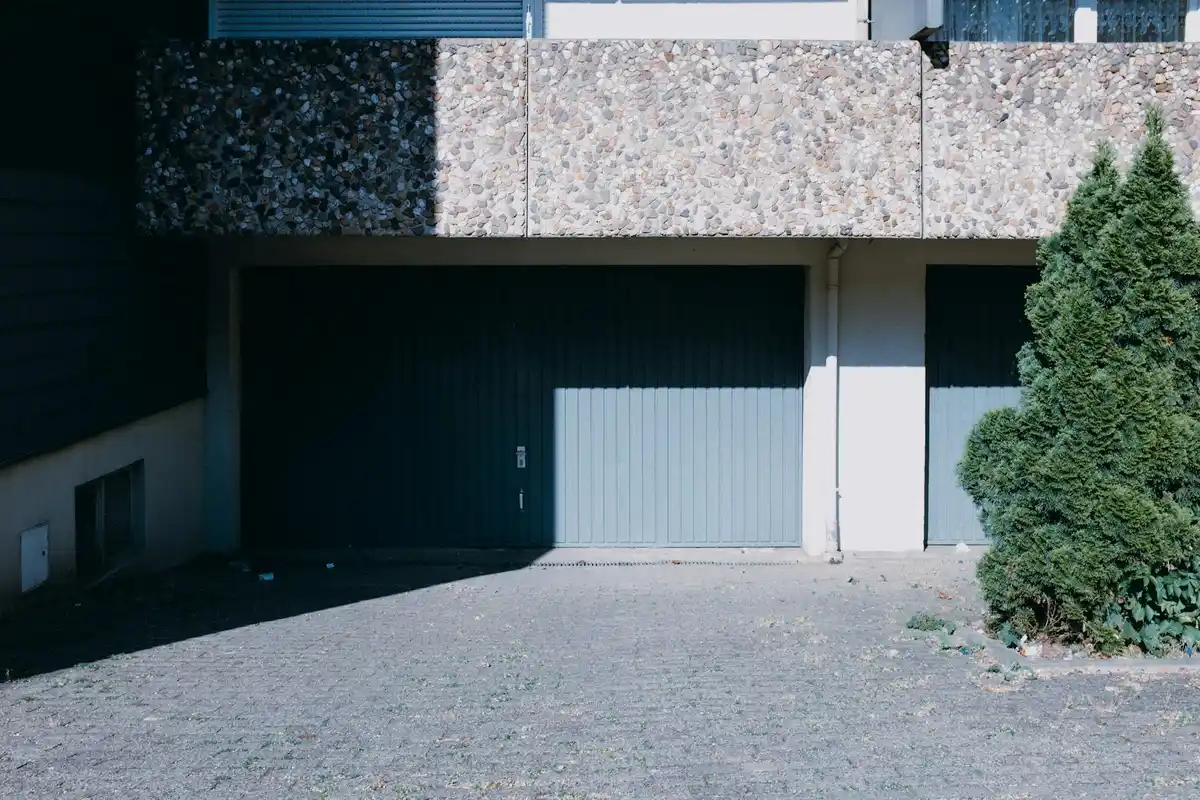
Before your hands touch any part of the door or opener, you must do this one thing. Always disconnect the garage door opener by pulling the red emergency release cord, or by unplugging the unit entirely. This prevents the door from moving unexpectedly, which is the number one safety rule for all garage work. If you ever need to manually open the door in an emergency, this disengagement is your first safety step. We’ll outline the manual opening process in the next section.
The Monthly Quick Check (5 Minutes)
This quick routine catches small issues before they become expensive problems. Start with the safety disconnect. For the auto-reverse test, I grab a scrap 2×4 or a solid roll of paper towels. Place it upright on the floor directly under the center of the door. Push your wall button to close the door. The door’s bottom edge must hit the object and immediately reverse back to the fully open position. If it doesn’t reverse, your opener’s safety sensors are misaligned or faulty, which is a serious hazard.
Next, bend down and look at the rubber weatherstripping along the bottom of the door. Run your fingers along it. You’re checking for cracks, chunks missing, or if it has become stiff and brittle. A damaged seal lets in drafts, pests, and water, so catching a tear early saves on energy bills and prevents a bigger mess later.
The Bi-Annual Deep Clean and Inspection
I schedule this for spring and fall, aligning with other seasonal home maintenance. This is where you ensure smooth, safe, and quiet operation for the next six months.
Start with lubrication. I exclusively use a silicone-based spray like Blaster Garage Door Lubricant. Oil attracts dirt and turns into a grinding paste, so avoid it. With the door disconnected, spray a small amount onto the roller stems and the hinges where the door sections pivot. Wipe away any excess drips. Regular lubrication of garage door components with the right lubricant helps keep the system running smoothly and extends the life of its parts. Never spray lubricant directly into the vertical tracks, as it will cause dust and grime to stick, creating drag.
Hardware inspection comes next. Using a ⅜-inch drive socket set (I’ve used Craftsman for years), go to every bolt and bracket you can see. Check the roller brackets on the door, the track brackets on the wall, and the bolts holding the tracks to the ceiling. Tighten any that feel loose. I’ve seen doors develop a dangerous wobble just from a couple of loose lag bolts in the top track.
Now, check the balance. With the opener still disconnected, lift the door manually about halfway up and let go. A properly balanced door will stay in place, not drift up or slam down. If it moves on its own, the torsion spring system is out of calibration. This is a job for a professional technician, as the springs are under extreme tension.
Look closely at each roller. Nylon rollers are quiet but wear out; I replace them every 5 to 7 years as they get flat spots or cracks. Steel rollers last decades but are noisy. If you hear grinding or see a roller wobbling in its bracket, replace the set.
Revisit the weatherstripping you checked monthly. If it’s cracked or no longer springs back when you pinch it, replace it. I keep a spare 16-foot roll of bottom seal in my garage supplies bin. It’s an easy job that makes a huge difference in comfort.
The Gearhead’s Checklist: Tools and Supplies You’ll Need
Having the right tools makes this job faster and safer. Here’s exactly what I keep in my service bin.
- ⅜-inch Drive Socket Set: This is the workhorse. The sockets fit the most common bolt sizes on garage door hardware. A ratchet handle gives you better leverage than a wrench in tight spaces.
- Torque Wrench: If you ever need to adjust spring tension bolts, this is non-negotiable. Over-tightening can damage components or cause a spring to fail. I use a basic click-type torque wrench set to the manufacturer’s specification.
- 4-Foot Level: Used to check that your vertical tracks are perfectly plumb. A door running on out-of-plumb tracks will wear out prematurely and operate noisily.
- Safety Glasses & Work Gloves: Glasses protect your eyes from falling debris or a stray spring clip. Gloves keep your hands clean from old grease and protect them from sharp metal edges.
- Step Ladder: A stable 6-foot ladder lets you safely reach the top rollers, hinges, and track hardware.
Essential Lubricants and Cleaners
Not all lubricants are the same. I use two types for different jobs.
For rollers, hinges, and chains: A silicone spray like Blaster’s is my top choice. It dries clean, doesn’t attract dirt, and quiets squeaks effectively. For opener chains, I’ve also had great results with Park Tool’s synthetic chain lubricant; it’s designed for bicycle chains but works perfectly on a dry garage door opener chain.
For heavy-duty pivot points: On very old, stiff hinges, a white lithium grease can provide a thicker, longer-lasting coating. I use it sparingly on the center pivot of older hinges where metal grinds on metal.
Here’s my pro-tip: store all these items-lubricants, your socket set, gloves, and spare rollers-together in one plastic storage bin. Label it “Garage Door Maintenance.” When it’s time for your bi-annual service, you grab the bin and have everything you need right there. No searching through messy drawers.
Knowing When to Call a Professional Garage Door Technician
Knowing your limits is the most important part of garage door safety. I handle 95% of my own home maintenance, but there are three jobs I will never touch on my garage door. If your door has a broken spring, a bent track, or an opener with electrical issues, your job is to pick up the phone, not a tool.
Garage door springs are under extreme tension and can cause severe injury or death if handled incorrectly; this is not a DIY repair. I keep spare extension springs in my shop for emergencies, but I call my local pro for torsion spring work every time. They use special winding bars and clamps I don’t own, and their experience is what keeps them safe. Replacement of a garage door spring is a high-risk task that can cause serious injury if mismanaged. Even a small mistake can lead to a dangerous spring release, which is why professionals are the safer choice.
Track realignment looks simple but isn’t. A track that’s out by a fraction of an inch can bind the rollers and strain the opener. Whether you’re looking to install or repair the garage door track, precision matters. Even a small misstep can lead to binding or misalignment later. Doing it right requires precise measurement and sometimes forceful persuasion with a rubber mallet and pry bar without damaging the track. If you’re not confident, a pro can fix it in minutes.
For opener problems, if it’s a simple gear and sprocket replacement on a chain-drive model, many homeowners can manage it. But if the logic board is fried-maybe from a power surge-that’s a professional diagnosis. I’ve seen people waste money on a new motor when a $50 circuit board was the real issue.
Schedule a Professional Inspection Once a Year
Think of this like an annual physical for your car. Even if nothing seems wrong, a trained technician will spot wear you might miss. I schedule mine every fall, before the cold weather sets in. This timing catches any summer wear and ensures the door runs smoothly in winter when you use it the most.
A comprehensive pro check looks at everything: spring tension, roller condition, cable fraying, and safety system function. They have the tools and knowledge to measure tension accurately and predict when a part will fail, which can save you from a catastrophic breakdown later.
How to Choose the Right Professional
Not all garage door companies are equal. Here’s how I vet them:
- Ask for proof of licensing and insurance before they set foot on your property. This protects you if something goes wrong.
- Get a detailed written estimate. It should list all potential parts and labor costs. Be wary of anyone who gives a vague price over the phone.
- Look for local, established companies. They rely on their reputation in your community. The technician who shows up should be in a marked vehicle and willing to explain what they’re doing.
What Happens During a Pro Tune-Up
When the technician arrives, a thorough service follows a specific checklist. Here’s what you should expect them to do, based on the service calls I’ve observed and requested for my own doors.
The technician will methodically check and adjust every critical system, from the deadly tension in the springs to the sensitive electronic eyes of the safety sensors. They start with the heaviest-duty components and work their way down.
Their process typically includes:
- Spring Inspection: For torsion springs, they’ll measure the spring’s length and count the remaining cycles to estimate its life. They check for gaps between coils and signs of rust or wear.
- Mechanical Safety Test: They test the door’s balance by disconnecting the opener and manually lifting the door halfway. A properly balanced door should stay in place. They also check the force settings on the opener to ensure it will reverse if it hits an obstruction.
- Sensor and Limit Verification: They clean the photo-eye sensors and verify the beam is perfectly aligned. They adjust the travel limits so the door opens and closes completely without straining.
- Hardware Tightening and Lubrication: Every bolt on the hinges, roller brackets, and track supports gets checked and tightened. Finally, they apply a professional-grade silicone-based lubricant to all moving parts-springs, rollers, hinges, and the opener chain or screw. I avoid white lithium grease here; it attracts too much dust.
Your Job During the Service Call
You can make this service visit more valuable. Before the technician arrives, write down any quirks you’ve noticed. When they get there, give them this simple script:
“I’ve noticed it makes a grinding noise when it starts to close,” or “It sometimes reverses for no reason when the afternoon sun hits the sensors.”
This direct information guides their inspection. Instead of a general check, they can focus on the opener’s gear assembly or double-check your sensor wiring in the sunlight. It turns a standard tune-up into a targeted diagnostic visit, which often provides better long-term value.
Garage Door Maintenance FAQ: A Pro’s Direct Answers
How often should you lubricate garage door parts?
Lubricate all moving parts-roller stems, hinges, springs, and the opener chain-during your bi-annual spring and fall service. Use a silicone-based lubricant; it won’t attract dirt and grime like oil. If you hear new squeaks between services, a spot treatment is needed.
When should you inspect and tighten garage door hardware?
Inspect and tighten all bolts and brackets on the door sections, roller brackets, and track supports every six months during your deep clean. Vibration from daily operation can loosen hardware, leading to misalignment, wobble, and premature wear on other components.
How often should you check the garage door balance?
Test the door’s balance during each bi-annual maintenance session. With the opener disconnected, manually lift the door halfway; it should stay in place. If it drifts up or down, the spring tension is off-this is a job for a professional technician only.
How often should you test the garage door auto-reverse feature?
Test this critical safety feature every month. Place a solid object like a 2×4 on the floor in the door’s path. If the door does not immediately reverse upon contact, stop using the automatic opener and address the sensor alignment or force settings immediately.
When should you replace garage door rollers?
Inspect rollers every six months. Replace nylon rollers every 5-7 years or if you see flat spots, cracks, or chips. Noisy or wobbly steel rollers should also be replaced. Always replace rollers in complete sets to ensure even operation and prevent track wear.
When should you schedule a professional garage door inspection?
Schedule a pro inspection once a year, ideally in the fall. Even with diligent DIY care, a trained technician has the tools and expertise to accurately measure spring wear, assess cable integrity, and spot subtle issues you might miss, preventing costly emergencies.
Final Thoughts on Garage Door Servicing
My most important piece of advice is to set a reminder in your calendar to service your garage door every six months, in spring and fall, without fail. Stick to this routine: conduct a visual inspection for wear, listen for new grinding or scraping noises, and lubricate the moving parts with a silicone-based spray like Blaster Garage Door Lube. A consistent, biannual check is the single most effective habit for preventing major repairs and ensuring safe, reliable operation for years. Remember the key takeaways: safety first-always disconnect the opener before any hands-on work, address small problems like a misaligned sensor immediately, and don’t hesitate to call a certified pro for spring repairs or any issue that feels beyond your comfort zone. Should you encounter common garage door problems, a concise guide to fix common garage door problems is available to help you triage issues safely before calling a pro.