
Which Garage Door Design Trends Are Dominating 2024?
Ready to refresh your home’s exterior but worried about choosing a garage door that’s both stylish and sensible? Let me cut through the noise with shop-tested insights from the field.
In this guide, we’ll walk through the top color choices shaking up neighborhoods, a hands-on comparison of modern materials like steel composites and fiberglass, and the smart tech upgrades that actually simplify your daily routine.
My advice comes from installing, repairing, and maintaining hundreds of garage doors, so you get practical tips that work in real life, not just on paper.
How Homeowners Are Choosing Garage Doors This Year
I’m seeing more people choose their garage door as the first major curb appeal update, not the last. It’s no longer just the big white door you drive under. Homeowners are treating the garage door as a key architectural feature, which means they’re picking materials and styles that complement their home’s overall look. This shift is about blending good design with smart, long-term function.
In my shop, this means conversations have changed. Instead of just asking for the standard insulated steel door, clients bring me photos of their house’s exterior. They’re looking at the window grids on their home and asking for matching ones on the garage door. They’re choosing carriage-house styles not just for the look, but for the heavier-gauge steel construction that often comes with them. The trend is towards investment, not just replacement, with a focus on durability and security from the start.
This approach saves money on maintenance later. A client last spring chose a fiberglass-composite door from Clopay that looks like wood but won’t warp or rot in our humid climate. It was a higher upfront cost than a basic steel door, but they won’t be spending weekends sanding and staining it every few years. I’m also installing more doors with integrated smart openers, like the LiftMaster myQ system. Pairing a robust door with a smart opener is the single best upgrade for daily convenience and security I recommend to homeowners. You can check if the door is closed from your phone and get alerts if it opens unexpectedly, which is peace of mind you can’t put a price on.
Popular Garage Door Colors and Finishes for 2024
Plain white garage doors are becoming the exception, not the rule. Homeowners are making intentional color choices that tie their garage door into the home’s palette. I’m applying more bold, monochromatic colors than ever before, with deep charcoal and all-black doors leading the way. These colors make a modern statement and, practically speaking, they hide road dust and dirt incredibly well between washes—contributing greatly to overall curb appeal.
But dark colors have a trade-off. While they hide dirt, they can show fine scratches and scuffs more easily than lighter tones. If you have kids who play street hockey or frequently load bikes in and out, a matte finish in a dark color is a smarter choice than a glossy one, as I’ll explain below. The other big palette I’m using is earthy neutrals: greige, olive green, and warm taupe. These colors work with stone, brick, and modern siding without overpowering the house. For carriage-house styles, I’m painting accent colors on the faux hinges and handles, often in a bronze or deep red, to make those details pop.
My advice for matching colors is simple. Take a photo of your home’s front. Use a basic photo editor to block in different garage door colors against your siding, trim, and front door. Your garage door should not match your siding exactly, it should coordinate with your trim or your front door for a pulled-together look. Bring several paint sample chips from the store home and tape them to the door in the morning, noon, and evening light to see how the color changes.
The Rise of Matte and Textured Finishes
High-gloss finishes show every fingerprint and minor ding. That’s why I’m recommending matte and lightly textured finishes for most of my installations now. A matte finish on a garage door acts like a car’s clear coat, diffusing light to hide small imperfections and surface scratches that are inevitable with daily use. Textured steel or composite materials go a step further, adding a grain that breaks up the flat surface and conceals even more.
There’s a maintenance detail here you need to know. You can’t clean these finishes with a glossy all-purpose cleaner; it will leave streaks. Use a cleaner made for matte automotive finishes or a gentle, non-abrasive soap like Simple Green diluted in water, and always dry with a microfiber cloth. I keep a bottle of Krud Kutter Matte Finish Cleaner on my truck specifically for servicing these newer doors. It cleans without leaving a shiny residue, keeping that smooth, modern look intact.
Comparing 2024’s Top Garage Door Materials
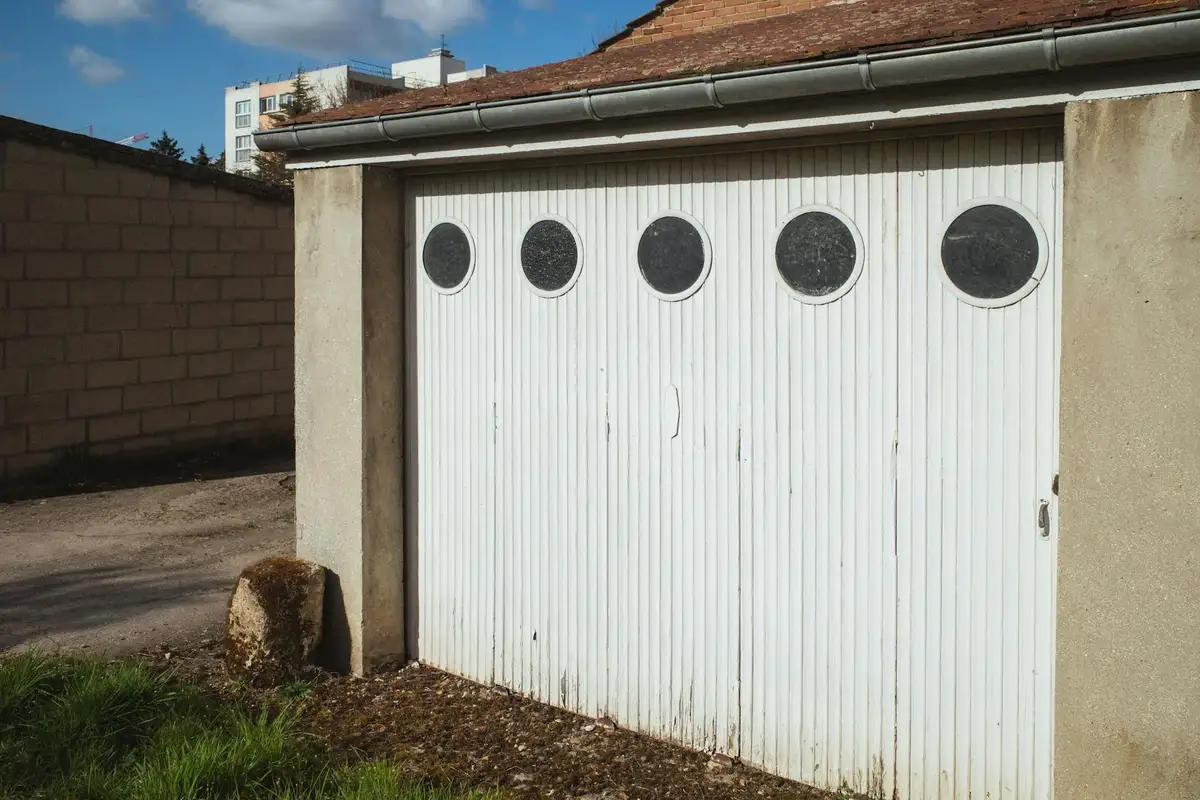
Choosing a new garage door comes down to three things for most homeowners: your budget, the look you want, and how much time you want to spend on upkeep. Let’s break down the main materials you’ll see, using the same comparison method I do with my clients when deciding between different brands.
Insulated Steel Doors: The All-Around Workhorse
In my shop, this is the material we install most often for a full replacement. The reason is simple. It gives you the best balance of cost, durability, and availability. You can get a good-looking, insulated steel door that will last for years without breaking the bank.
The key spec to understand is steel gauge, which refers to thickness. A lower gauge number means thicker steel. Most residential doors are 24-gauge or 25-gauge. I always steer clients toward 24-gauge for the main garage door, especially if you have kids or a busy driveway. A 24-gauge steel door resists dents from stray basketballs or bike handlebars significantly better than a thinner 25-gauge door. For a single-car door or a side garage door, 25-gauge might be fine, but for your main door, the upgrade is worth it.
Modern Aluminum and Glass Doors
This style is all over modern home designs right now, and for good reason. The combination of sleek aluminum frames and large glass panels creates a clean, minimalist look that floods your garage with natural light. Brands like Clopay and Amarr have some beautiful contemporary designs.
You need to go into this trend with your eyes open, though. All that glass means anyone can see into your garage, so if it’s a catch-all storage space, that’s on display. The trade-off for fantastic natural light is less privacy and the constant pressure to keep your garage interior tidy. The glass is usually tempered or laminated for safety, but it’s still a consideration. In very cold climates, you’ll also want to look for doors with thermal breaks in the frames and insulated glass options to prevent condensation and heat loss.
The Classic Appeal of Wood and Composite
Nothing beats the authentic, warm look of a real wood carriage-house style door. It’s timeless. If you have a historic home or just love that classic craftsmanship, it’s a strong contender. I’ve installed beautiful doors from brands like Haas and Overhead Door that are true works of art.
Here’s my frank assessment. Real wood is a commitment. It requires seasonal maintenance-staining or sealing every year or two-to protect it from the sun and weather. If you neglect it, it will warp, crack, and fade. For a homeowner who loves woodworking and upkeep, a real wood door is a rewarding project, but for someone with a busy schedule, it can become a chore. That’s where composite wood alternatives, like those from Clopay’s Coachman line, shine. They give you 90% of the classic wood look with a polyurethane or polymer coating that needs just a wash now and then. They cost more upfront than steel but save you countless weekend hours.
The Durability Verdict: Material Face-Off
Let’s put them side-by-side. This table is based on my hands-on experience with hundreds of installations and service calls.
| Material | Dent Resistance | Weather Performance | Weight | Typical Insulation (R-Value) |
|---|---|---|---|---|
| Insulated Steel | Very Good (24-Gauge) | Excellent with proper paint/seal | Heavy | R-8 to R-17+ |
| Aluminum & Glass | Poor (dents easily) | Good (can have thermal issues) | Light | R-1 to R-6 (varies greatly) |
| Real Wood | Fair (can splinter) | Good with constant maintenance | Very Heavy | Low (R-2 to R-5, unless insulated) |
| Wood Composite | Good | Excellent (won’t rot or warp) | Heavy | R-6 to R-12 |
My experience-based opinion is clear. For a busy family in a harsh climate who needs durability and efficiency, I consistently recommend a 24-gauge insulated steel door; it’s the best value-for-material for most people. If your priority is curb appeal on a modern home and you can manage the privacy aspect, aluminum and glass makes a statement. Choose real wood only if you’re prepared for the maintenance ritual; otherwise, a high-quality composite gives you the classic look without the weekend work.
Smart Garage Door Openers and Features Homeowners Want
Smart openers are now the standard, but it’s not just about opening your door with a phone. The real benefit is control and awareness. I can check if I closed my garage door from the airport. I can give a one-time access code to a contractor. More importantly, my opener integrates with my home security system, so if the door opens unexpectedly, I get an alert alongside my motion sensors.
This integration with systems like Google Home or Alexa is also about convenience. After hauling groceries in, I just say, “Hey Google, close the garage door.” I don’t have to fumble for a button. The practical benefit of smart features is peace of mind and seamless control, not just gadgetry.
Built-In Battery Backup is Now Essential
A few years ago, this was a premium feature. Now, after helping too many clients manually wrestle their heavy doors open after a storm, I tell everyone it’s non-negotiable. A power outage shouldn’t trap your car inside or leave your garage insecure.
The system works like a large uninterruptible power supply (UPS). A sealed lead-acid battery inside the opener unit takes over automatically when the power cuts. You can realistically expect about 2-3 days of normal use (a few open/close cycles per day) on a full battery backup charge. You might be wondering if garage door opener battery backups are worth it. In practice, many homeowners find them worth it for outage reliability. Look for models, like the Chamberlain myQ or LiftMaster 87504, where the backup is built into the main unit, not an bulky external add-on. Just remember to test the battery light every six months, like you do your smoke detectors.
Quiet Operation Motors and Belt Drives
This is the quality-of-life upgrade that clients thank me for the most. A traditional chain-drive opener works fine, but it sounds like a tractor in your ceiling, especially if your garage shares a wall with a bedroom or living room. LiftMaster garage openers offer a quieter, smoother operation that you’ll appreciate every day.
Belt-drive openers, which use a reinforced rubber belt, are dramatically quieter. I’m talking about the difference between a loud rumble and a quiet hum. Screw-drive openers are also quieter than chains. I often install the LiftMaster 8550W belt-drive model for this reason. Upgrading to a belt-drive system is a major QoL upgrade that reduces noise pollution in your home, making it ideal for garages adjacent to living spaces. The trade-off is that belt-drives can be slightly more expensive, but for the quiet they bring, most homeowners find it a worthwhile investment.
Your Plan for Choosing and Caring for a New Garage Door
Now that you’ve seen what’s popular, let’s turn those trends into a real project. A new garage door is a significant investment, so getting the process right matters. I’ve helped hundreds of homeowners through this, and the most successful ones follow a clear plan. It keeps you focused and prevents costly mistakes, such as falling for common garage door myths.
- Decide on Your Look and Feel. Walk outside and look at your house. Is your goal curb appeal with a bold color, or a seamless blend with a wood-look composite? Do you want the light and modern feel of glass panels? Lock in your primary material and color direction first.
- Set Your Tech Budget. Smart features are fantastic, but you need to decide what’s essential. Is a WiFi-connected opener with battery backup a must-have, or can you add it later? I often advise clients to prioritize a robust, quiet belt-drive opener first, then add smart controls if needed.
- Get Professional Quotes. This is not a place to guess. Reach out to three reputable, local garage door companies. Give them your material and feature ideas, and ask for detailed quotes that include installation, hardware, and the opener system. A trustworthy pro will offer an in-person measurement.
- Review Warranty and Service. Before you sign anything, read the warranty details for the door sections, the hardware, and the labor. A company that offers a strong warranty and has its own service technicians is one that stands behind its work. I’ve seen cheap installers vanish when a problem arises six months later.
How to Measure Your Garage Door for Replacement
Even if you’re getting a professional install, knowing your own measurements is powerful. It helps you verify quotes and spot potential issues with your existing frame. Grab a metal tape measure, a notepad, and a step ladder. Never use a cloth tape; they stretch and are inaccurate.
- Measure the Width. Inside the opening, measure the width from left to right at the top, middle, and bottom. Write down all three numbers. Older frames can bow or settle, so these numbers might differ slightly. Use the smallest measurement as your guide.
- Measure the Height. Measure from the floor to the bottom of the header (the horizontal beam above the opening) on the left side, the right side, and the center. Again, record all three numbers and use the smallest.
- Measure the Side Room. This is critical for the new track. On the inside left and right walls, measure from the edge of the opening to the nearest obstruction (like a light switch, outlet, or wall). You typically need a minimum of 3.5 inches of clear space on each side for the vertical track.
- Measure the Headroom and Backroom. This is for the installer, but good to note. Headroom is the space from the top of the door opening to the ceiling. Backroom is the space from the opening back into the garage, needed for the horizontal track when the door is open.
I always measure in multiple places because an old wooden frame is rarely perfectly square, and ordering a door based on one bad measurement is an expensive headache. If your numbers vary by more than an inch, mention it to your installer-it could indicate a structural issue that needs addressing first.
Maintenance & Cleaning Routine for Your New Door
A little regular care prevents 90% of the service calls I get. I recommend a simple bi-annual check, ideally in spring and fall. It takes 30 minutes and saves you hundreds.
Seasonal Inspection Checklist:
- Listen and Look. Operate the door. Does it run smoothly, or does it jerk, screech, or bind? Strange noises are the first sign of a problem.
- Test Safety Features. Place a 2×4 piece of wood on the floor under the door. Close it. The door must reverse immediately upon hitting the wood. Clean the photo-eye sensors on each side of the door near the floor with a soft cloth and check they are aligned.
- Inspect Weather Seals. Look at the rubber bottom seal and the side seals. Are they cracked, torn, or brittle? A damaged seal lets in drafts, water, and pests.
- Check Hardware. Look for loose bolts or nuts on the hinges, track brackets, and roller brackets. Tighten them with a socket wrench, but do not over-tighten.
Lubrication is Key. Once a year, lubricate all moving metal-on-metal parts. I use a dedicated garage door lubricant like White Lithium Grease spray or a silicone-based spray. Avoid WD-40; it’s a degreaser and will dry out. Spray a small amount onto the roller shafts, hinges, and the springs (just the coils, not the center cable). Wipe off any excess.
Cleaning Different Materials:
- Steel & Aluminum: Mix a few drops of mild dish soap (like Dawn) in a bucket of warm water. Use a soft microfiber cloth or sponge to wash, then rinse thoroughly with a hose. Avoid abrasive brushes or harsh cleaners that can strip paint.
- Wood-Composite: Use the same mild soapy water. Always wipe with the grain of the wood finish to avoid streaks. Rinse well.
- Glass Panels: Use a dedicated glass cleaner (like Invisible Glass) and a lint-free paper towel or microfiber cloth. Spray the cleaner on the cloth, not directly on the glass, to avoid overspray on the frame.
Recommended Products for Installation and Upkeep
Having the right tools on hand makes any job easier and safer. Here’s what I keep in my truck for door upkeep calls.
- High-Quality Silicone Lubricant: For rollers and hinges. I prefer the spray tube that comes with brands like Blaster or Liquid Wrench for precise application.
- Non-Abrasive Cleaner: For most surfaces, a bottle of concentrated cleaner like Simple Green diluted in a spray bottle works great. For glass, a dedicated cleaner is best.
- Basic Tool Kit: A sturdy step ladder, a 4-foot level to check track alignment, a set of socket wrenches (typically 7/16″ and 1/2″ sizes), and a cordless drill/driver.
- Safety Gear: A good pair of leather-palmed work gloves and safety glasses. Metal burrs on old hardware are sharp.
My strongest piece of advice is to leave torsion spring and opener installation to the professionals. The springs are under extreme tension-a mistake can cause serious injury or property damage. A pro will also ensure the opener force is correctly calibrated for your new door’s weight, which is vital for safety and longevity. It protects your warranty and your peace of mind.
Garage Door Trend FAQs: A Pro’s Practical Perspective
How do the 2024 trends differ from what was popular just a few years ago?
The shift is from pure aesthetics to integrated performance. Earlier trends focused on a specific look, like the carriage-house boom. Now, homeowners demand that style *plus* better insulation, durable composites, and built-in smart tech from the start, making the door a true home system, not just a facade.
Are any of these popular trends more prone to damage or wear?
Yes. The popular deep matte colors show fine scratches more easily than lighter, glossy finishes. Similarly, large aluminum and glass doors are stunning but dent and scuff with minimal impact. Choose these trends with a clear understanding that their beauty requires a more careful handling routine.
Do smart garage door features create more maintenance for me?
No, they simplify monitoring but add a new checklist item. You must periodically test the battery backup and ensure the Wi-Fi connection and app are updated. I recommend adding a quarterly check of your smart opener’s alert system and battery status to your maintenance calendar.
I have a door from 2021. Is it worth upgrading to these new trends, or should I wait?
If your door is functional, focus on easy upgrades first. You can often add a smart opener to an existing door for immediate benefits. However, if your door is a dated style, poorly insulated, or showing wear, upgrading to a modern, composite material or better-insulated steel is a sound investment in efficiency and curb appeal now.
What’s the most important question to ask an installer about a “trendy” door?
Ask, “What does the warranty *not* cover on this material/finish?” Get specifics on finish wear, glass breakage, or smart component failures. A reputable pro will detail the limits, ensuring you understand the long-term care commitment for your chosen trend.
Making Your 2024 Garage Door Choice a Smart One
In my shop, the best advice I give is this: a garage door is a long-term investment, so pick one for its strength and safety features first, and its style second. When evaluating options, many customers compare steel vs wood garage doors to weigh durability, maintenance, and curb appeal. That steel-vs-wood comparison often guides the final choice. Here are the key points to walk away with:
- Select a timeless, neutral color like Sherwin-Williams’ Iron Ore or a warm beige that resists fading and hides dirt between cleanings.
- Choose low-maintenance materials such as insulated steel or fiberglass composite, which I prefer over real wood for their resistance to dents and weather.
- Integrate smart openers like the Chamberlain myQ with battery backup, but ensure they have rolling-code encryption to prevent hacking.
- Plan for professional installation and biannual maintenance checks to keep everything running smoothly and safely for years.
Expert Resources and Citations
- Garage Door Trends 2024
- 2024 Garage Door Trends
- 2024 Garage Door Trends
- Top Trends in Garage Door Design for 2024