
How Much Does a Garage Cost to Build and What Size Should You Plan For?
Thinking about building a garage can feel overwhelming, with the two biggest questions always being the budget and the final size. I’m here to break down the real-world costs and sizing logic I’ve used on countless projects.
This guide will walk you through the process I use with clients, covering how to find your true cost per square foot, the three key factors that determine your final size, the real price difference between attached and detached builds, and the smart upgrades you should plan for from the start.
I base this advice on years of planning garages, from simple workshops to full-scale hobbyist builds.
Setting Your Realistic Garage Budget
Let’s tackle the big question first. Nationally, you’re looking at a wide range: a basic, no-frills detached garage shell often starts between $20,000 and $40,000. A more finished space can run $50,000 to $80,000, and a premium, fully-outfitted build can easily exceed $100,000. These numbers are a starting point, but your final cost is a personal equation of what you want, what you need, and your local labor and material prices. I frame projects in three value tiers: a basic shell, a finished utility space, and a premium build-out. Thinking in these tiers helps you match your budget to your vision from the start. If you’re planning a two-car garage, you’ll likely see costs lean toward the upper end of the basic shell or into the mid-range, depending on width, doors, and insulation. Those choices also drive the two-car garage cost as you decide on finishes and extras.
Good, Better, Best: The Three Price Tiers
In my shop, we categorize jobs this way to set clear expectations with homeowners.
The “Good” tier is your basic, functional shell. Think standard stick-built construction with wood or vinyl siding, a single manual garage door, concrete slab floor, and minimal electrical-maybe just one light and one outlet. This gets your cars out of the weather, but it’s not a place you’ll want to spend much time. I’ve used basic 8-foot steel doors from brands like Clopay or Wayne Dalton for these; they do the job but can feel flimsy over time.
The “Better” tier is where you create a true multi-use room. This adds insulation in the walls and ceiling, a durable automatic garage door with a quiet opener (I prefer LiftMaster belt-drive models), an upgraded electrical panel with several more circuits for tools and lighting, and a sealed concrete or basic epoxy floor coating. This is the sweet spot for most homeowners, transforming the garage from a storage bin into a usable workshop or clean storage area.
The “Best” tier is a premium, finished extension of your home. We’re talking drywalled and painted walls, a high-end insulated door (like an Amarr or Haas door), dedicated 20-amp circuits for heavy tools, a mini-split for climate control, and a professional-grade floor like polyaspartic. I switched to polyaspartic coatings from Legacy Industrial a few years ago for my own garage; it cures faster and is more UV-resistant than traditional epoxy, but it costs about 30% more.
The Hidden Costs Every Pro Knows About
Your contractor’s quote might not include everything. Always budget an extra 15-20% for these hidden items that can derail your finances. Here’s what I’ve learned to factor in:
- Site Prep: Clearing trees, grading the land, and bringing in a gravel base. If your yard is sloped or has poor drainage, this can add thousands.
- Permits & Engineering: Fees vary wildly. My town charges a flat rate, but the next county over bases it on project value. Don’t forget potential soil tests or engineered stamp fees for your plans.
- Utility Trenching: Running a new electrical line from your house or adding a water line for a sink means digging. Renting a trencher or hiring an electrician for this work is a separate cost.
- Final Touches: Landscaping to repair your yard, and the cost to rent a dumpster for construction debris. You can’t just leave old concrete or framing scraps at the curb.
Finding Your Perfect Garage Size
Picking a size isn’t about choosing a number from a list. It’s about solving a functional puzzle for your life. Remember, the interior space will always be less than the footprint because of the wall framing. A 24-foot wide building might only give you 23 feet of clear space inside. My rule is simple: build the largest structure your lot zoning and budget comfortably allow. I’ve never met a homeowner who said, “I wish my garage was smaller.”
Garage Sizes Decoded: From Parking to Projects
Let’s break down what common dimensions actually mean for you. Here’s a quick reference from jobs I’ve planned:
A 24×24 garage is the most popular size I build because it balances cost with utility, letting you park two cars and actually use the space around them. A 30×40 is a game-changer if you have projects in mind; it gives you that dedicated workshop zone without squeezing your vehicles.
Think Beyond the Cars: Planning for Your Actual Use
Cars are just the beginning. Map out what else lives in your garage. You need swing space – clearance to open car doors and walk around without scraping paint. Plan for at least 3 feet of clear space on the sides and front of each parked vehicle. Now, add your other items:
- A workbench with tool cabinets needs a zone about 8 feet wide and 4 feet deep.
- Lawn equipment (mower, trimmer) needs a 4×4 foot spot, easy.
- A home gym with a rack and bench requires a 10×10 foot area.
Ask yourself: Do you need vertical space for a ladder or shelves? Where will the bicycles hang? Is there a spot for a deep freezer? Jot this all down before you finalize plans.
The Height and Depth Factors You Shouldn’t Ignore
Don’t get stuck thinking only about length and width. For modern SUVs and the dream of a future car lift, I recommend a minimum ceiling height of 10 feet, with 12 feet being ideal. An 8-foot tall garage door might clear your sedan, but a 9-foot door gives you peace of mind for taller vehicles or roof racks.
Depth is critical. A 20-foot deep garage might fit your car, but the bumper will nearly touch the wall. Opting for a 24-foot or deeper garage provides that crucial 3-4 feet of space in front of the car for storage shelves, a freezer, or a project table. In my own 24-foot deep garage, that front zone is where I keep my recycling bins and a small parts cabinet-it’s invaluable real estate. If you’re planning a more involved setup, pit requirements can influence overall garage length and headroom. Knowing these early helps you balance vehicle space with storage and work areas.
The Durability Verdict: Comparing Build Materials
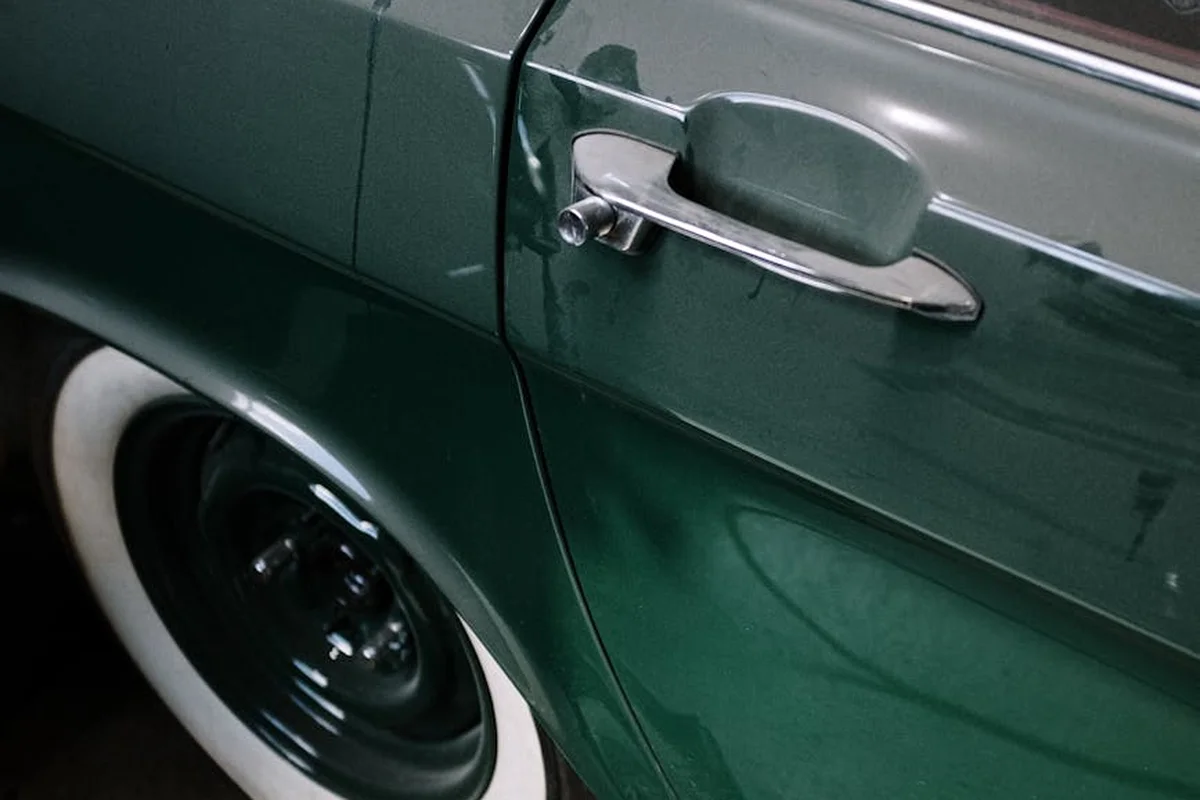
When you’re picking what your garage is made of, you’re really choosing your future maintenance chores. The frame of your garage is its skeleton, and its durability depends entirely on the material you pick. Let’s put the two most common types side-by-side.
Stick-built wood framing is what you see on most houses. I’ve worked on hundreds of them. The big thing to watch is moisture. If your siding or roof has a leak, wood soaks it up. That can lead to rot and it’s a perfect welcome mat for carpenter ants or termites. You need to keep an eye on your exterior and maintain a good paint or sealant barrier. On the other hand, a pre-fabricated metal building has a steel frame. It won’t rot or attract bugs, which is a huge plus. The main enemy for a metal building is corrosion, so you need to make sure any scratches in the protective coating are touched up quickly to prevent rust.
Your garage door is the biggest moving part you’ll own, so its material matters a lot.
- Steel Doors: These are the workhorses. Most have a baked-on finish. They’re strong and dent-resistant, but if you get a deep scratch, it can rust. I use a touch-up paint pen from the manufacturer to fix small chips before they become a problem.
- Aluminum Doors: Lighter and rust-proof, which is great for coastal areas. The downside is they dent more easily. I wouldn’t recommend one if your kids play street hockey nearby or if you’re frequently loading bulky items.
- Wood-Composite Doors: These give you the wood look without as much hassle. They’re made from engineered wood and resins. They hold paint better than real wood and don’t warp as much, but they still need to be painted or stained every few years to protect them from the sun and moisture.
Flooring Showdown: Concrete, Epoxy, and Polyaspartic
Your floor takes the most abuse, from oil spills to jack stands. I’ve installed and maintained all three common types.
Plain concrete is tough as nails and can handle immense weight, but it’s porous. It will stain from oil, brake fluid, and even tire marks. If you go this route, sealing it with a good penetrating sealer (I’ve had good results with Ghostshield Siloxa-Tek 8510) is a non-negotiable first step. It buys you time to clean spills.
Epoxy coatings are a popular upgrade. They create a seamless, chemical-resistant shield. A two-part professional-grade epoxy kit will resist most auto fluids and is easier to clean. The catch is that cheaper box-store kits can yellow in sunlight and may not bond well if the concrete isn’t perfectly prepared. I always use a diamond grinder to profile the slab first.
Then there’s polyaspartic. I switched to recommending this for most of my clients’ new builds. It cures rock-hard in a day, has fantastic UV resistance (no yellowing), and stands up to harsh chemicals even better than epoxy. For a homeowner who wants a “install it and forget it” floor with the highest durability, polyaspartic is the best long-term value, despite the higher upfront cost. All these coated floors have similar weight and impact resistance-they’ll handle a dropped tool, but a sharp, heavy impact from something like a steel corner can still chip them.
DIY vs. Hiring a Builder: The Difficulty & Time Estimate
Building a garage is a major project. For an experienced DIYer who’s comfortable with framing, roofing, and following complex codes, I’d rate the difficulty a solid 8 out of 10. The challenge isn’t just one skill, it’s coordinating a dozen different trades and passing inspections at the right time. In garage addition construction, that coordination is essential, from footing and foundation to framing and utilities. Getting the sequencing right helps inspections stay on schedule and the project move smoothly.
You need to plan for two types of time: active work and waiting. The active work-digging footings, framing walls, setting roof trusses, hanging siding-might be 3-4 weeks of full-time labor for a small crew. The “waiting” time is often longer. Your concrete slab needs at least 7 days to cure properly before you can frame on it. You’ll also wait for permit inspections at each phase. From breaking ground to a weather-tight shell, a 2-car garage can easily take 2-3 months of real-world time.
Some phases are not a one-person job, no matter how skilled you are. Setting roof trusses requires a crew; they’re too big and dangerous to handle alone. Hanging a 16-foot wide garage door is another task where you absolutely need multiple helpers to get it aligned safely and correctly.
What You Can Realistically Do Yourself
If you’re handy and want to save money, focus your effort on the finish work. Here’s my breakdown from years on job sites.
DIY-friendly tasks I often see homeowners handle well:
- Final site cleanup and grading around the foundation.
- Painting the interior walls and trim.
- Installing slatwall or shelving systems (like the Gladiator GearWall I use in my own shop).
- Running low-voltage wiring for lights or outlets, if your local code allows homeowner electrical work.
You should always hire a licensed pro for the critical structural and system work. This isn’t just about skill, it’s about liability and insurance.
- Concrete Slab Pour: Getting the mix, finish, and slope right is a pro job. A bad slab cracks and causes endless problems.
- Main Electrical Panel Work: Connecting to your home’s service is dangerous and must be permitted and inspected.
- Complex Roofing: If your design has valleys, hips, or a low pitch, leave it to roofers. Water damage is the most expensive repair you’ll face.
One final, critical point: you must pull the proper building permits even if you do the work yourself. The inspection process exists to catch mistakes that could make your garage unsafe. Skipping permits can also cause huge headaches when you try to sell your house later, especially for garage construction or renovation projects.
Your Step-by-Step Planning Checklist
Jumping from an idea to a finished garage is a process. I’ve helped plan dozens, and this is the exact sequence I follow to avoid costly mistakes and get it right the first time.
1. Measure Your Lot and Check Zules
Grab a 100-foot tape measure, like the one from Stanley I keep in my truck. Go outside and physically measure your property lines. This is your first reality check. You need to know exactly where you can and cannot build.
Next, call your local planning or zoning department and ask for the setback rules for an accessory structure. They’ll tell you how many feet you need to stay from your property lines, the house, and any easements. I’ve seen projects halted because someone assumed they had 15 feet when they only had 10. Don’t guess on this.
2. Sketch What You Really Need
Forget fancy software at this stage. Use graph paper and a pencil. Think about your vehicles. A full-size crew-cab truck needs about 22 feet in length and 12 feet in width just for the vehicle itself. Now add space for opening doors, walking around, and your workbench. That compact car sketch can quickly turn into a 24-foot deep garage. Remember to consider practical aspects when laying out your garage space.
Draw every item you plan to store: lawn mower, bikes, trash cans, cabinets. This sketch isn’t for a builder yet-it’s to force you to think in three dimensions and avoid the regret of a garage that’s too small the day you move in.
3. Get Rough Quotes to Ground Your Budget
Take your basic sketch and dimensions to 3-4 reputable local builders. Ask for a “ballpark square foot estimate” for a basic finished structure. Be clear about your must-haves: slab foundation, basic electrical, one service door. This isn’t a formal bid, but it gives you a financial range.
I’ve found builders are more responsive with clear sketches. This step will quickly show you the difference between a simple drywalled box and a fully insulated shop with HVAC, which can double the cost.
4. Finalize Your Construction Plans
This is where you invest in clarity. You have two main paths. For a simple, standard garage, a good builder can often work from detailed drawings. For anything custom, or if your local permit office requires it, hire a residential draftsperson or architect.
These final plans should detail everything: wall heights, door sizes, roof pitch, electrical outlet locations, and siding material. This document is your instruction manual and your contract’s backbone, preventing “I thought that was included” conversations later.
5. Secure Your Building Permits
Your builder will usually handle this, but you should understand the process. They submit your final plans to the building department. The city reviews them for code compliance (structural, electrical, etc.). This can take weeks.
Permit costs vary wildly but are typically based on your project’s valuation. Never let a contractor talk you into building without a permit; the fines and headaches of selling a non-permitted structure aren’t worth the risk.
6. Prepare the Site for Construction
Before the excavator shows up, you have homework. Call 811 or your local utility locator service to mark underground lines-it’s free and required by law. I can’t stress this enough; hitting a gas line is a disaster.
Clear the area of any shrubs, sheds, or debris. Discuss with your builder where the excavation spoils will go and where trucks can access. A clean, marked site means work starts on day one without expensive delays.
Garage Care Pro FAQ: Cost and Size Maintenance Insights
What ongoing maintenance costs should I expect after building a garage?
Plan for annual upkeep costs of 1-3% of your build price, covering floor resealing, door lubrication, and seal inspections. Prioritize a maintenance fund for unexpected issues like opener repairs or weather stripping replacement to avoid larger expenses down the line.
How does choosing the right garage size simplify long-term upkeep?
A properly sized garage with ample clearance reduces clutter and makes routine cleaning, painting, and sealing more efficient. Opt for extra depth and height to prevent vehicle damage and ensure easy access to all areas, minimizing wear and tear.
What materials offer the best durability for lowest maintenance?
Steel framing resists rot and pests but requires periodic rust checks. For doors, steel with a baked-on finish balances dent resistance and corrosion protection. On floors, invest in polyaspartic coatings for superior UV and chemical resistance with minimal resealing needs.
What’s one critical maintenance check I should do annually on my garage?
Conduct a thorough inspection of all weather seals and door auto-reverse safety features. If you find gaps or wear, you may install or replace garage door weather seals to restore a tight, energy-efficient barrier. This helps ensure long-term protection against leaks. Replace any cracked or worn seals immediately to prevent moisture intrusion, which can lead to structural damage and costly repairs.
Final Thoughts on Budgeting and Building Your Garage
The single most important piece of advice is to treat your garage as a permanent investment, not just a cost. This means budgeting for quality from the ground up. My key takeaways are simple: start by listing your absolute must-haves, always plan for future needs you can foresee, spend your money on the structure itself and not just the finish, and never skip the permit process to save a few dollars. Getting these priorities straight from the beginning is the most reliable way to end up with a garage you’re proud of for decades. To turn these priorities into a practical plan, the building garage complete guide offers a step-by-step walkthrough. It ties these ideas into a full project roadmap.