
Can You Really Store Gasoline Safely in Your Garage?
Mixing volatile fuel with your living space sounds risky, but with the right system, you can manage it safely. I’ll show you the exact, shop-tested methods I use.
This guide walks you through the practical steps, covering the only type of container you should ever use, the single best spot in your garage to place it, and the non-negotiable daily habits to keep your home safe.
My advice comes from two decades of maintaining home garages and learning from real-world mistakes.
Is Storing Gas in Your Home Garage a Good Idea?
Can you store gasoline in your home garage? The direct answer is yes, but it comes with a major “if.” If you follow very strict safety rules, it can be done. You need to weigh real risks against the convenience of having fuel ready for your lawn mower or backup generator.
Gasoline is dangerously flammable. Its vapors are heavier than air, can travel along the floor, and can be ignited by a single spark from a water heater or power tool. These vapors also degrade the fuel over time, turning it into a gummy mess that can ruin small engines.
I learned this the hard way one winter. My snowblower was buried in the back of the garage, and I kept a red plastic gas can next to it for quick refills. After a few months, the blower wouldn’t start. The old gas had turned to varnish and clogged the carburetor. The cleanup was a frustrating afternoon job I could have avoided. The experience taught me that safe storage is about more than just keeping a fire hazard away; it’s about protecting your equipment and your time. That same discipline also applies to storing electronics in the garage—tidy cords, sealed batteries, and safe charging setups protect both you and your gear. Good garage safety means treating electronics storage as part of the plan, not an afterthought.
Storing gas is about managing risk with clear, non-negotiable rules. Let’s walk through them.
Picking the Right Gas Can Isn’t Just About Color
What type of container is required? This is the most important rule. You must use a container specifically designed and certified for flammable liquids. Look for labels showing it meets DOT, OSHA, or UL standards. A milk jug, old oil bottle, or random plastic bin is a disaster waiting to happen.
You’ll choose between metal and plastic. In my shop, I prefer metal cans from brands like Eagle or Justrite. They’re more durable, they naturally dissipate static electricity (a big safety plus), and they block sunlight which helps fuel last longer. The downside is they can rust if you don’t keep them dry.
Modern plastic cans, like the VP Racing Utility Jug I use for my yard equipment, are excellent if you worry about rust. The best ones have built-in vapor barriers to reduce fumes and are made of high-density polyethylene that resists the fuel’s corrosive effects. Just make sure any plastic can is clearly marked for gasoline.
Look for these key features from my experience:
- Flame Arrestor: A small metal screen in the spout. It stops an outside flame from traveling back into the can if there’s a flashback.
- Self-Venting Spout: Allows air in as you pour for a smooth flow without glugging. The no-spill types are worth the extra few dollars.
- Child-Resistant Closure: A cap that requires a deliberate push-and-turn action to open. It’s a simple barrier that adds a huge layer of safety.
The Gearhead’s Checklist
Here is the specific kit I keep in my own garage for handling gasoline. Don’t skip the last two items.
- Primary Storage Can: A 5-gallon metal Eagle Type I safety can. It’s my main reservoir for fresh fuel.
- Working Can: A 2.5-gallon VP Racing Utility Jug. It’s easier to carry and pour into my mower.
- Funnel with a Fine Metal Screen: This catches any dirt or debris before it enters your equipment’s tank. I use a basic stainless steel one.
- Absorbent Pads or Granules: Keep a bag of clay-based absorbent (like Oil-Dri) or a roll of shop pads nearby. If you spill, you can smother it immediately.
Finding the Safest Spot in Your Garage
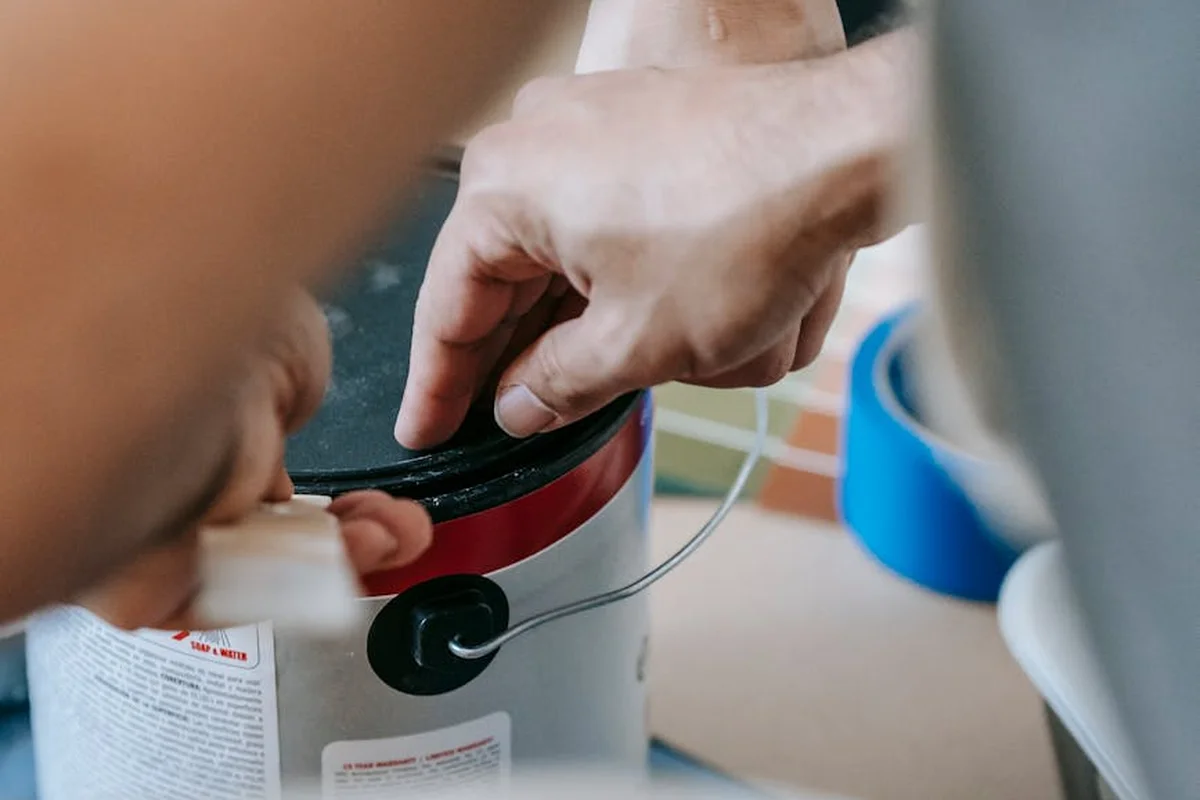
The right spot is just as important as the right container. You can’t just stick it by the door and call it a day.
What is the proper location to store gasoline in a garage? You need to think like a fire marshal. The absolute best place is on your concrete floor slab, away from everything that can make a spark or get hot. Your gas containers must rest directly on a non-flammable surface like a concrete floor, never on a wooden shelf or a rubber mat. Unlike propane tanks or charcoal briquettes, gasoline is highly volatile and requires extra caution.
I map out a zone in my own garage that’s a clear five to ten feet from specific ignition sources. This means keeping it far from your water heater, your furnace, your electrical panel, and any appliance with a pilot light. I’ve seen garages where the water heater is tucked in a corner, and that corner becomes a no-go zone for fuel storage.
A common question I get is, can a gas meter be inside a garage? Yes, it can be, especially in older homes. If you have a natural gas meter or connection inside your garage, this is a major red flag for your gasoline storage plan. Treat any utility meter or connection as a permanent ignition source and keep your stored fuel containers as far from it as physically possible, ideally on the opposite wall.
Beyond ignition, think about the environment. Gasoline breaks down faster in heat and light. You want a cool, dark, and well-ventilated area. This is why storing gasoline in a basement or an attached, unventilated sunroom is a terrible idea-fumes can build up and seep into living spaces. A detached, well-ventilated garage is your best bet.
Finally, pick a low-traffic spot. Don’t put the container where you might bump it with a bike or a trash can. I use a dedicated corner behind my rolling trash bin, which rarely moves. The goal is a stable, out-of-the-way location where the container simply won’t get knocked over.
The Non-Negotiable Safety Steps You Must Follow
Owning gasoline means adopting a strict safety mindset. These aren’t suggestions; they are the rules that keep your home safe.
What precautions should be taken? Start with the basics you can control. Never, ever smoke anywhere near your storage area. It sounds obvious, but you’d be surprised. Never use a gas can as a makeshift step stool or table; one slip and you’ve created a major spill and vapor cloud. When you’re filling a container at the pump, always let the nozzle touch the can’s rim before you start to ground it and prevent static sparks. I keep a small alligator clip jumper cable in my car to clamp from the can to my truck’s frame if I’m feeling extra cautious.
Keep the immediate area surgically clean. This means no pile of oily rags, no cardboard boxes, no bags of lawn clippings, and certainly no stacked newspapers. These are combustible tinder waiting for a single fume to find an ignition source.
Your safety gear is non-negotiable. Mount a Class B fire extinguisher on the wall near your garage entry, not on a shelf above where you store the gas. If there’s a fire, you don’t want to reach through flames to grab your extinguisher. I use an Amerex 5-pound ABC unit because it covers common combustibles, flammable liquids, and electrical fires. Check the gauge monthly. This approach also aligns with garage fire code safety requirements for accessible, properly mounted extinguishers. Check your local code to confirm placement, clearance, and inspection intervals.
What should never be done near stored gasoline? Let’s talk about transferring fuel. Never siphon gas by mouth. Not only is it toxic, but a single hiccup and you’ve ingested gasoline. It’s not worth the risk. Instead, buy a simple, dedicated fluid transfer pump. I have a SiphonPro manual pump that cost less than twenty dollars. You stick one end in the gas tank, pump the bulb a few times, and fuel flows cleanly into your can. It’s foolproof and eliminates the single most dangerous habit I see homeowners try.
How Much Gas Can You Actually Keep, and For How Long?
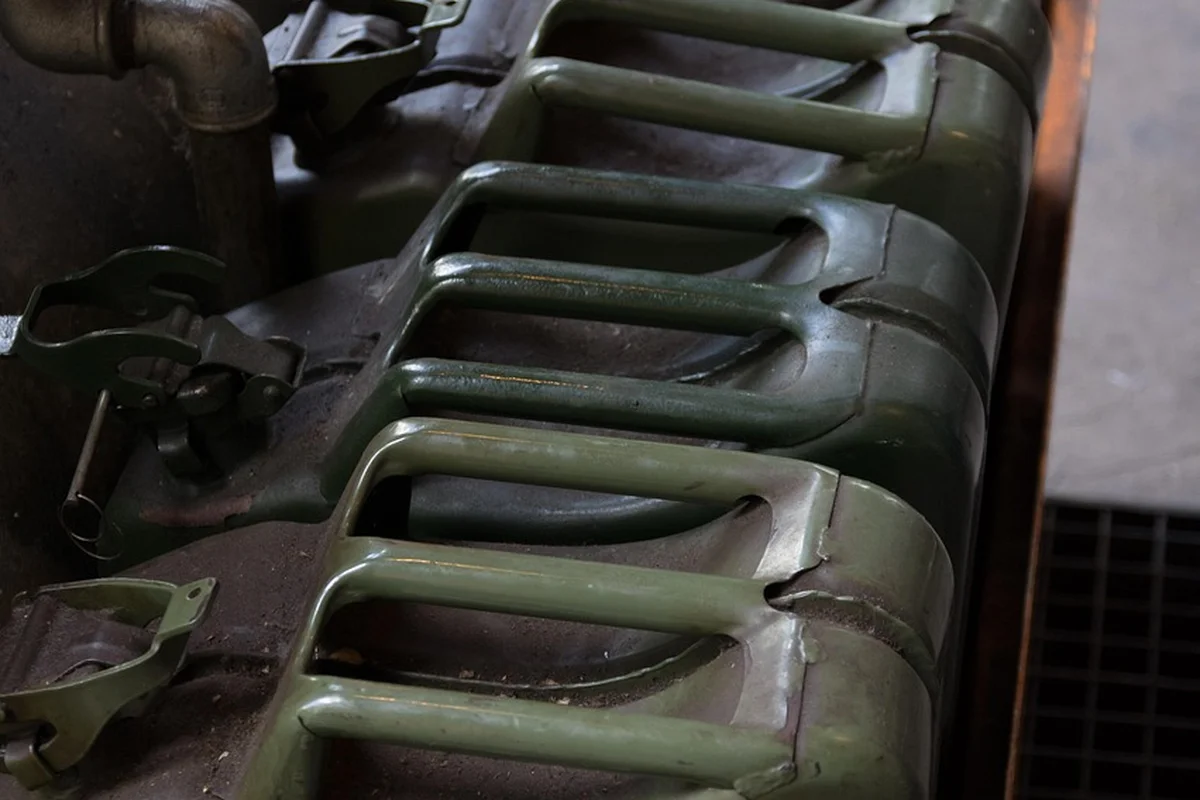
Most local fire codes set a common limit of 25 gallons for residential storage. That sounds like a lot, but it’s a total volume limit for your whole property, spread across multiple approved containers. You must check your own city or county’s fire code-this rule is not optional, and it’s your first step. I keep far less, usually just two 5-gallon cans, to ensure I’m always rotating through fresh fuel.
Unstabilized gasoline begins to degrade and lose its combustibility in as little as three months. After about six months, it can become “stale,” forming gums and varnishes that can clog the small fuel lines in your lawn mower or pressure washer.
My routine is simple: I treat every gallon with a fuel stabilizer the moment I fill the can at the station. I’ve had consistent results with the red STA-BIL Storage formula. Pouring it in at the pump ensures it mixes thoroughly as the gas sloshes during the drive home. This practice can keep fuel usable for up to two years.
Before the can even goes on the garage floor, I stick a piece of masking tape on the side and write the date with a permanent Sharpie. Labeling with the purchase date eliminates the guesswork and forces you to use the oldest fuel first.
Your Gas Can Maintenance and Inspection Routine
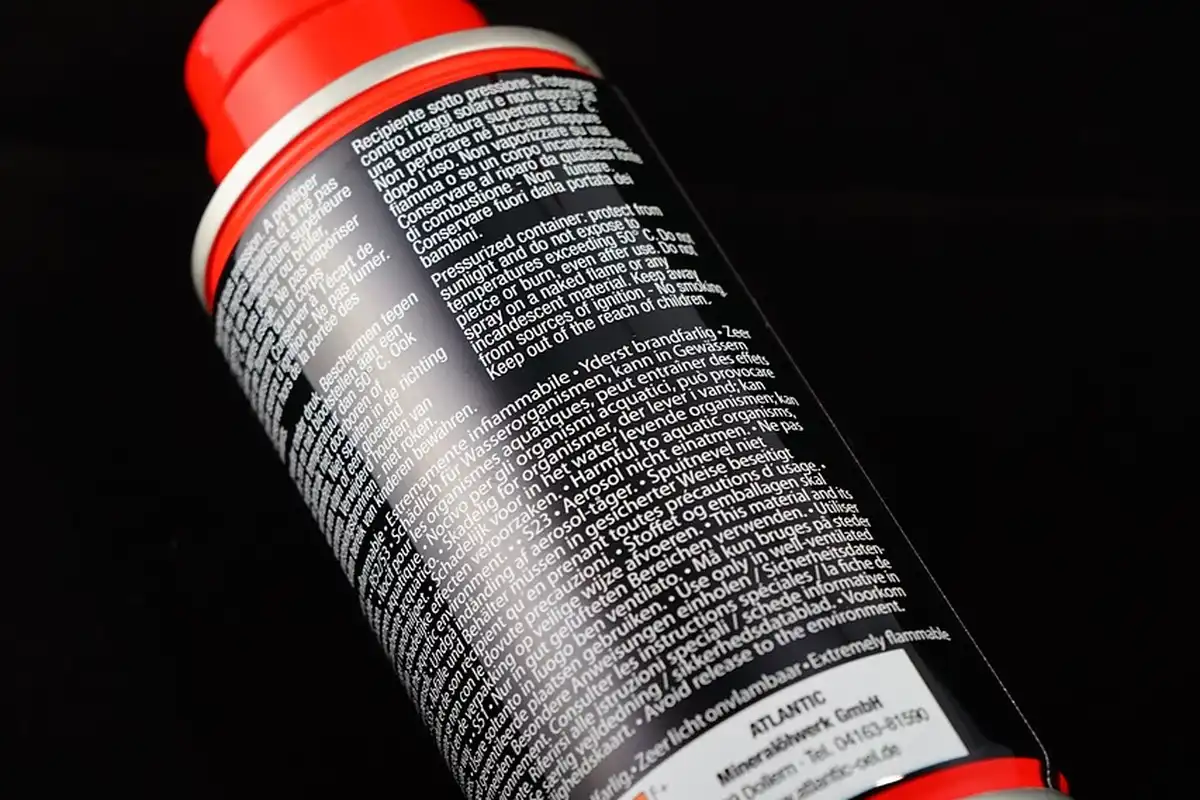
A monthly visual check takes two minutes and prevents big problems. I do mine on the first weekend of the month when I’m already tidying up.
- Look for Leaks or Damage: Wipe the bottom and seams of the can with a paper towel. Any wetness or persistent smell means it’s compromised.
- Check for Rust: If you use a metal can, look for any bubbling paint or orange spots, especially around the base where condensation collects.
- Verify Cap Security: Ensure both the main cap and the vent cap (if your can has one) are hand-tight. They shouldn’t be loose, but you also shouldn’t need a wrench.
Proper labeling goes beyond just the date. On my cans, the masking tape label shows three things: “UNLEADED GAS,” the date, and the octane rating (e.g., “87”). This full label prevents you from accidentally putting the wrong fuel in a piece of equipment, which can cause expensive damage.
To check fuel condition, I carefully pass my hand over the closed cap to waft the air toward my nose for a half-second sniff. Never put your nose directly to the can and inhale. Fresh gas has a sharp, pungent odor. Old gas smells sour or flat, like varnish. If you get that sour note, it’s time for safe disposal at a hazardous waste facility.
Store motor oil and other automotive fluids on a separate, sturdy shelf. While less volatile than gasoline, an oil leak creates a huge slip hazard and cleanup mess. I keep mine in their original sealed containers on a metal wire shelf from Gladiator, which contains any potential drips on its lower rack.
What to Do With Old Gas and If You Smell Fumes
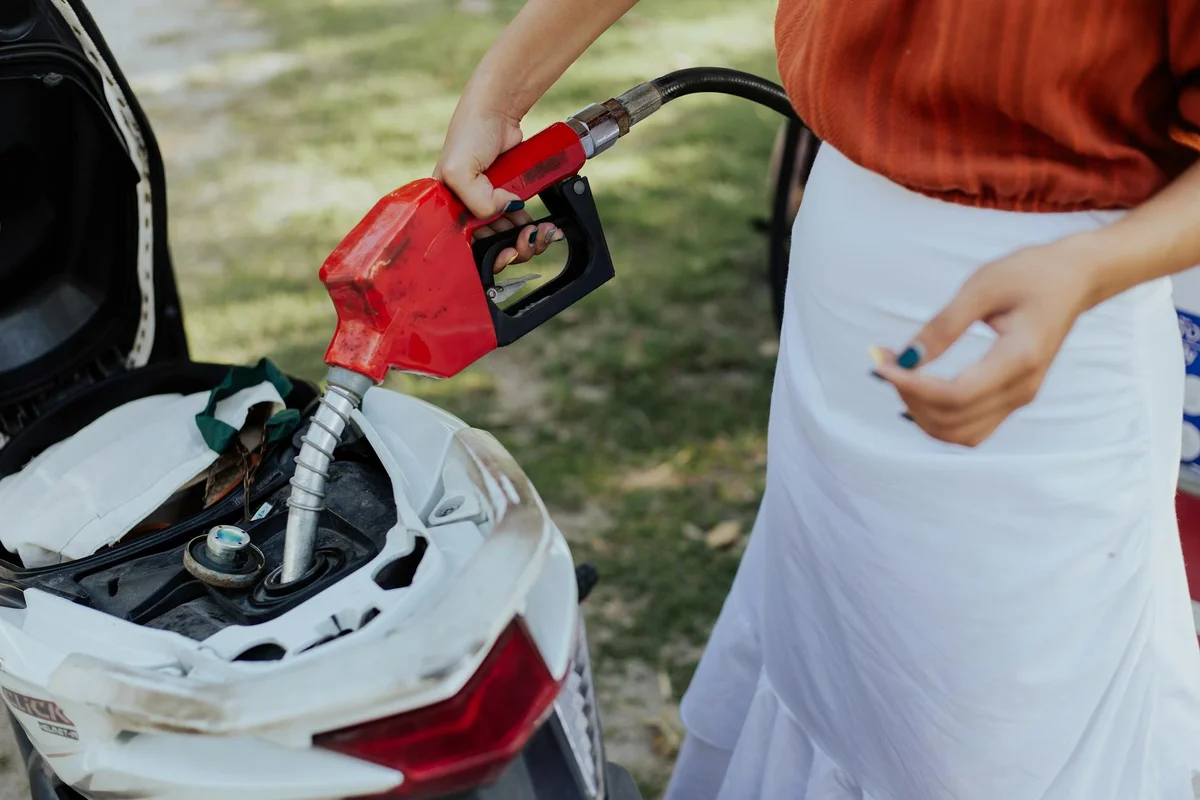
If you walk into your garage and catch that sharp, unmistakable scent of gasoline, do not ignore it. Your immediate reaction is critical. If you smell gasoline fumes, your first step is to calmly evacuate everyone from the garage and the adjacent areas of your home. Do not turn any light switches on or off, and do not plug in or start any tools or vehicles. That simple action could create a single spark with catastrophic results. Even if you are used to cleaning gasoline spills in your garage, fumes can be particularly dangerous when accumulated in an enclosed space.
Once everyone is out, open the main garage door and any side or rear doors to ventilate the space thoroughly. Only after several minutes of good airflow should you re-enter to try and find the source. Check for a tipped-over container, a loose cap, or a sheen on the floor. I keep a battery-powered LED work light, like one from Milwaukee, on a shelf for exactly this reason; it provides bright, spark-free light to investigate safely.
Disposing of Old or Bad Gasoline
Gasoline doesn’t last forever. After about six months, untreated fuel begins to degrade and form gums and varnishes that can ruin small engines. You cannot just pour it on the ground or down a storm drain. The only correct way to dispose of old gasoline is to take it to a local household hazardous waste (HHW) facility. A quick online search for “[Your City] HHW disposal” will give you the location and hours. They take it for free.
Transferring old, questionable fuel requires care. I would not recommend pouring it. Instead, use a dedicated fluid transfer hand pump. I have a simple, inexpensive one from Briggs & Stratton that screws onto a standard one-gallon gas can. It creates a sealed path from the old container to your disposal jug, minimizing spills and fumes. Label that jug clearly as “Waste Gasoline for Disposal” with a permanent marker so there’s never any confusion.
When You Should Not Store Gas in Your Garage
Sometimes, the safest answer is not to store gasoline at all. Here are the clear situations where I advise homeowners to find another solution.
If your garage is attached to your house and does not have a solid, fire-rated door separating it from the living space, do not store gasoline inside. Many modern garage entry doors are not rated to contain a fire or fumes. The risk to your family is too high. Understanding garage door fire safety requirements can guide you to a compliant, fire-rated option. It also covers proper installation and maintenance to ensure ongoing protection.
Excessive dampness is another deal-breaker. I’ve seen metal gas cans in humid garages develop heavy rust on the bottom in just a season. That corrosion weakens the container and can lead to leaks. If your floor feels damp or tools rust easily, your garage fails the environment test.
Think about your garage’s primary use. If you run a table saw, angle grinder, or welder regularly, your garage is a spark factory, and gasoline has no business being there. The consistent use of tools that create heat, sparks, or arcs dramatically increases the chance of ignition, even from fumes you might not smell.
Finally, any ignition source is a major hazard. If your garage houses a gas-fired water heater or furnace, the pilot light and burner are constant ignition sources. The same goes for a clothes dryer. In these cases, a detached, well-ventilated storage shed placed a safe distance from the house is a much better alternative for fuel storage. It’s especially important if you’re considering one of the vented gas heaters for your garage.
Gasoline Storage FAQ: Quick Answers from a Pro
I only need a gallon for my lawn mower. What’s the best small container?
Opt for a 1 or 2-gallon metal safety can. Small plastic cans are acceptable if they are UL/DOT-certified and have a flame arrestor. A smaller container means you’ll cycle through fuel faster, reducing the chance of it going stale.
Is a corner of the garage an acceptable storage spot?
Only if it’s a cool, low-traffic corner with a concrete floor and is still at least 5 feet from any ignition source. Avoid corners that trap fumes or are near a hot water heater or electrical panel.
Are those pour spouts with built-in pumps a good idea?
Yes, a dedicated, sealed transfer pump is a pro move for safe dispensing. It prevents spills and eliminates the need for siphoning. Ensure the pump is listed for gasoline and you use it in a well-ventilated area.
How do I practically manage a “first-in, first-out” fuel rotation?
My system is simple: I use two cans. The “new fuel” can stays sealed. I only draw from and refill the “active use” can. When it’s empty, I refill it from the “new” can and immediately refill the “new” can with fresh, stabilized fuel.
How should I label a can I’ve dedicated for old fuel disposal?
Use a bold, red permanent marker. Write “WASTE GASOLINE – DO NOT USE” and the date it was declared bad. This prevents a catastrophic mistake in your equipment and signals its purpose to anyone else.
I use a battery charger and a welder in my garage. Any special rules?
Yes. Never charge batteries or weld in the same area where gasoline is stored. Move the containers to a safe distance (at least 10 feet) or, better yet, perform this work outside. These activities create sparks and heat you cannot control.
With stabilizer, what’s the absolute maximum storage time I should ever attempt?
Even with a high-quality stabilizer, do not plan on storing gasoline for longer than 24 months. Treat it as an emergency reserve, not a permanent fixture. Mark the date clearly and plan to cycle it into an engine or dispose of it before this point.
I smell gas. I’ve ventilated and see no spill. What’s my inspection checklist?
After ventilation, do a spark-free inspection. Check for a loose or cracked cap, a compromised seam on the container, and trace the scent to its strongest point. If the source isn’t obvious, the container itself may be failing and must be emptied and replaced.
Smart Gasoline Storage Protects What Matters
The core rule is simple: always use a container built for the job, marked with “UL” or “FM” and “Gasoline.” From there, your plan is straightforward. Keep your fuel in a certified safety can placed on the floor away from living spaces, heaters, and tools. Store only what you need for a month or two to keep it fresh. Finally, make checking the seal on your can and wiping up any drips part of your regular garage routine. Treat gasoline with respect, and it becomes just another tool you manage with confidence, especially when it’s stored safely in your garage.