
What’s the Best Garage Roofing Material and How Much Does It Cost to Build?
Choosing a garage roof involves balancing durability, cost, and installation effort. I’ll help you navigate these decisions with clear, shop-tested advice.
In this article, we will cover common roofing materials like asphalt shingles and metal panels, the key factors that drive up cost, and how to ensure a long-lasting installation.
I’ve installed and maintained garage roofs for over a decade, so I know what materials hold up and where you can save money.
Your First Step: Roof Type and Material Harmony
The best roof for your garage starts with its shape. You can’t just pick a material you like; it has to work with the roof’s design. I see three main types in residential neighborhoods. When you’re weighing a garage versus a carport, the roof design and structure can influence protection and cost. A quick garage vs carport comparison can help you see how those choices affect your home’s look and function.
- Gable: The classic peaked roof with two sloping sides. It sheds water and snow well, giving you the widest choice of materials.
- Hip: A roof with slopes on all four sides. It’s more stable in high winds but has more seams and angles, which can make some materials trickier to install.
- Flat/Low-Slope: Almost level, these roofs need special materials that form a continuous, watertight seal, as water doesn’t run off quickly.
Match your material to your local weather and your roof’s pitch. In snowy areas, a steeper pitch with asphalt or metal helps shed weight. For intense sun, lighter colors or reflective membranes on low-slope roofs fight heat. In rainy climates, the quality of the underlayment matters as much as the shingle.
Before you dream of a heavy clay tile roof, you must check if your garage’s rafters and trusses can support it. A slate or concrete tile roof can weigh three to four times more than asphalt shingles. I always tell homeowners to have a contractor or structural engineer assess the framing. It’s a critical safety step that prevents a costly and dangerous failure down the line.
Pitched Roof Champions (Gable & Hip)
For most garages with a slope, you’re choosing from these three workhorses.
Asphalt Shingles
This is the standard for a reason. They’re affordable, familiar to every contractor, and easy for a confident DIYer to handle. You have two main choices.
- 3-Tab: The basic, flat shingle. It’s the budget option but only lasts 15-20 years. I find they can curl and crack sooner in harsh sun.
- Architectural (Dimensional): My strong preference. These are thicker, layered shingles with a more textured look. Brands like GAF Timberline or CertainTeed Landmark are common. They last 25-30 years, resist wind better, and simply look more substantial on your garage.
To estimate materials for a standard 24×24 foot garage with a gable roof, you calculate the roof’s “square” footage, not the floor’s. A rough estimate: a 24×24 building with a medium pitch has about 1,200 to 1,400 square feet of roof area. One “square” in roofing equals 100 sq ft. Asphalt shingles typically come 3 bundles per square. So, you’d need roughly 36 to 42 bundles for that job, plus 10% for waste and starter courses. Always buy extra, especially when you’re looking to repair or construct a garage roof.
Metal Roofing (Steel & Aluminum)
Metal is a fantastic long-term investment. The upfront cost is higher, but the lifespan makes up for it.
- Corrugated Panels: These are the classic wavy panels. They’re often sold in kits and are the most DIY-friendly metal option. I’ve installed them using simple screws with neoprene washers. The downside is the exposed fasteners, which are potential leak points over decades.
- Standing Seam: The premium choice. The panels have raised seams that clip together, hiding all the fasteners. It’s a cleaner, more weathertight system, but the installation is for pros with specific tools. Expect to pay $9-$14+ per square foot installed.
People always ask about noise. With a solid plywood deck and proper underlayment, rain noise on a metal roof is a dull thrum, not a drum solo. It’s never been an issue in the garages I’ve worked on.
Composite/Synthetic Shakes
If you love the look of wood shake but not the fire hazard, maintenance, or weight, this is your answer. Products like DaVinci or Brava are made from engineered polymers or rubber. They are incredibly durable, Class A fire-rated, and resist mold and insects that destroy real wood. They are lighter than real cedar, so your existing structure is more likely to handle them. The cost is similar to high-end metal, but you get a very specific, upscale aesthetic.
Flat & Low-Slope Solutions
These roofs are all about creating a monolithic, water-shedding surface. Leaks are the enemy.
EPDM (Rubber) Roofing
EPDM is a black, rubber-like membrane that comes in large rolls. For a detached single-car or small two-car garage, this is the most straightforward DIY flat roof option. You can roll it out, cut it to fit, and adhere it. There are two main installation methods.
- Fully Adhered: You trowel on a special adhesive across the entire deck, then roll the membrane into it. This is the most secure method.
- Mechanically Fastened/Ballasted: You screw down the membrane edges and seams with special plates, or simply lay it loose and cover it with smooth river stones. The ballast method is simple but very heavy.
I used a Firestone 45-mil EPDM kit on my own garden shed. The pre-fab corners and seam tape made it a one-weekend job.
TPO/PVC Roofing
These are single-ply membranes like EPDM, but usually white or light grey. The key difference is the seam: instead of tape, a professional uses a hot-air welder to fuse the seams into one solid piece. This makes the roof highly reflective (great for cooling) and very resistant to chemicals and oils, which can be a factor if you work on cars in the garage. TPO is generally more affordable than PVC. This is not a DIY material-the welding equipment and technique are specialized.
Modified Bitumen
Think of this as a high-tech, roofing-tar roll. It comes in rolls like EPDM but has a granulated surface. It’s installed either by “torch-down” (melting the underside with a propane torch) or as a “peel-and-stick” product. The torch-down method is effective but involves open flame on your roof-I never recommend a homeowner attempt this. Leave it to licensed, insured professionals. It’s a durable, mid-priced option commonly used on house garages with a low slope.
The Durability Verdict: What Really Lasts?
Longevity isn’t just about the product in the box. It’s about the system on your roof. The table below gives you a realistic baseline.
You must read the warranty fine print. A “50-year warranty” is almost always pro-rated. This means after the first 10 years, the company covers a decreasing percentage of replacement cost, not a free new roof. Also, check if the warranty is transferable to the next homeowner-it can add value to your property. The best warranties often require installation by a certified contractor using all the manufacturer’s approved accessories.
What Roofing Material Lasts the Longest?
If pure lifespan is your only goal, the answer is natural slate or standing-seam copper. A properly installed slate roof can last over a century. But for a garage, that’s often impractical due to immense weight and extreme cost.
For a realistic “longest lasting” choice, I point homeowners to painted steel standing seam or high-quality synthetic slate. A 24-gauge steel roof with a good paint system (like Kynar 500) will easily last 50 years with almost zero maintenance. A top-tier composite shake from a brand like DaVinci carries a 50-year warranty and won’t rot, crack, or burn. Both are lighter than natural materials and offer a fantastic return in durability for the investment on a garage.
Cost & Budget: The Good, Better, Best Breakdown
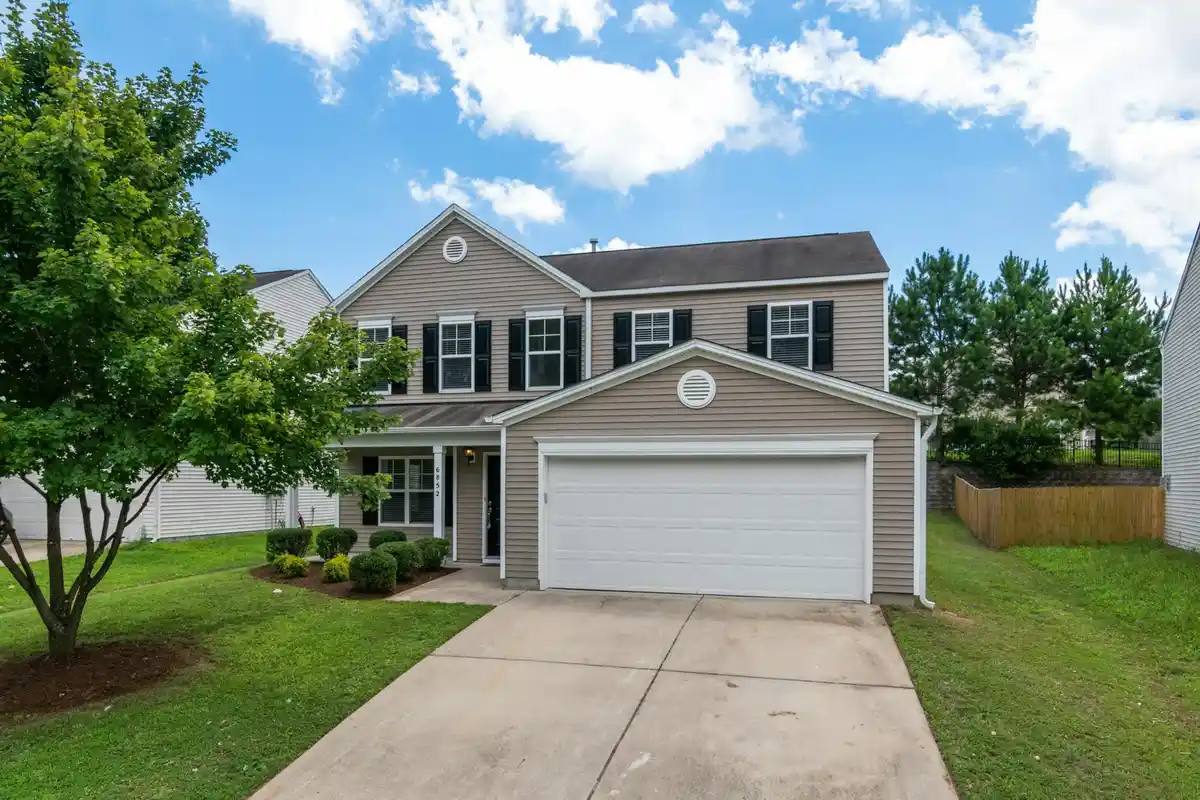
You want a roof that lasts, but your wallet has a vote. Here’s how the costs break down for the two most common materials you’ll see on garages.
Asphalt shingles give you clear quality tiers. The basic 3-tab shingle is the budget pick. You’ll pay around $100 to $150 per “square” (100 sq. ft. of roof) for the material itself. They do the job but won’t last as long. The “better” option is architectural or dimensional shingles. These are thicker, look better, and have a longer warranty. I use GAF Timberline or Owens Corning Duration series for my projects. Material costs jump to $120 to $200 per square. For a “best” option, look at premium architectural shingles with special coatings for algae resistance, like CertainTeed Landmark. These can run $180 to $300 per square, especially if you’re replacing garage roofs which often require more attention to detail.
Metal roofing costs are more about the profile. The “good” option is corrugated steel or R-panel you can get at a big-box store. It’s functional but can be noisy and less refined. Material runs $120 to $200 per square. The “best” option is standing seam metal. The panels lock together with hidden fasteners, creating a clean look that expands and contracts. This is what I’d put on my own dream shop. Material costs are much higher, typically $300 to $600 per square.
The most common question I get is, “How much will this cost to build?” For a total installed price, you need to think in cost per square foot.
- Asphalt Shingles: $4.50 to $8.50 per sq. ft.
- Metal Roofing (corrugated): $6.00 to $10.00 per sq. ft.
- Metal Roofing (standing seam): $9.00 to $14.00 per sq. ft.
Your real budget must include hidden costs, or you’ll be caught short. When I give estimates, I always factor these in.
- Roof Deck: You won’t know its condition until you tear off the old roof. Budget for replacing 10-20% of the plywood sheathing.
- Ice & Water Shield: This self-adhesive membrane is code for eaves in cold climates. It’s not optional and adds cost.
- Ventilation: Proper ridge and soffit vents are cheap insurance against mold and ice dams.
- Dumpster Fees: Renting a 30-yard dumpster for shingle debris costs $400-$600 in my area.
- Permits: A roofing permit usually runs $100 to $300 depending on your locality.
Let’s take a specific example. A standard 24’x24′ detached garage has a gable roof with about 1,400 square feet of surface area (that’s 14 “squares”). Even with a roof that size, it’s crucial to calculate the load accurately to ensure the structure can handle the weight.
Using mid-grade architectural shingles, here’s a realistic cost snapshot:
- Shingles (14 sq. x $160): $2,240
- Underlayment, nails, drip edge: $350
- Ice & water shield (eaves): $200
- Ventilation (ridge/soffit): $250
- Decking repair (15%): $400
- Dumpster: $500
- Permit: $150
- Professional Labor: $4,200 (based on $6/sq. ft.)
Your total for a professional install would be in the $8,000 to $9,000 range. Doing it yourself saves the labor but adds time, tool rentals, and risk.
DIY vs. Pro Installation Costs
I’ve done both sides. Going DIY on a simple gable roof can save you 50-60% of the total project cost. That’s a huge amount. But you trade dollars for your own sweat and equipment.
What you save in labor, you spend in tools and time. For a shingle job, you’ll need a good coil nail gun, like a Bostitch or Hitachi. You’ll need an air compressor to run it. You absolutely need a proper fall-arrest harness and roof anchors. Renting this safety gear is smart. You also need a heavy-duty ladder with stabilizers. Factor in $500 to $800 for tool rental and purchases for a one-time job.
The biggest hidden DIY cost is mistakes. Misaligned shingles cause leaks. Improper nailing leads to blow-offs in a storm. I’ve seen DIYers use too few nails per shingle, which voids the warranty instantly.
My firm rule is to call a pro for three situations. First, any roof with a pitch steeper than 6/12. That’s too dangerous without daily experience. Second, roofs with complex elements: valleys, dormers, or multiple hips. Third, any installation requiring a torch, like modified bitumen or some flashing details. The fire risk and skill required are too high.
DIY Difficulty & Time Estimate: Can You Handle This?
Not all roofs are equal for a DIYer. Here’s my honest, from-the-ladder assessment.
Rate the installation ease from 1 (easy) to 10 (leave it to the experts).
- Asphalt Shingles (3-tab or architectural): 5/10. It’s straightforward but physically demanding. Precision on starter courses and alignment is key.
- Corrugated Metal Panels: 6/10. Lifting is hard, and getting the overlaps and fastener placement right takes patience. It’s unforgiving if you drill a hole in the wrong spot.
- EPDM Rubber (glued): 7/10. Handling the big, floppy sheets is a two-person minimum. Seaming and gluing require a clean, dry deck and a practiced hand.
- Standing Seam Metal: 9/10. This requires specialty seaming tools and a deep understanding of thermal movement. I do not recommend this as a DIY project.
Time is your other big commitment. For that 24×24 garage roof with architectural shingles:
Active Work Time: 3-4 full days for a motivated DIYer with one helper. Day one is tear-off and disposal. Day two is deck inspection, repair, and laying underlayment. Days three and four are for shingling, focusing on one roof plane per day.
Waiting/Drying Time: Minimal for shingles. The main wait is for roofing cement or sealant on vent flashings to skin over, usually a few hours. For adhesive-based systems like EPDM, you need a full 24-48 hours of dry weather for the adhesive to cure.
Decide if you’re flying solo or need a crew. You can lay underlayment solo with a staple hammer. Installing full bundles of shingles or long metal panels is a two-person lift, minimum. For safety and speed, I plan for a three-person team: one on the roof cutting and placing, one feeding material, and one on the ground managing supplies and safety.
Your safety gear list is non-negotiable. Beyond gloves and safety glasses, you need three specific items.
- A proper roof harness and shock-absorbing lanyard, tied to a rated roof anchor.
- A sturdy, type 1A ladder with ladder stabilizers (stand-offs) to keep it off the gutters.
- Roof jacks and planks if you’re working on a pitched roof. They give you a stable platform to work from.
Buying this safety gear can cost as much as the roofing tools themselves, which tells you how critical it is.
Practical How-To: Sizing Up Your Garage Roof
Let’s get straight to the numbers. The most common question I get is, “How many square feet in a 24×24 garage?”
You find the floor area by multiplying length by width: 24 feet x 24 feet = 576 square feet. But your roof area is bigger.
For a simple gable roof, you have two sloping sides. To find the roof’s surface area, you need the slope, or “pitch.” A common pitch is 4/12, meaning the roof rises 4 inches for every 12 horizontal inches.
The easiest way I’ve found is to use a roof pitch multiplier. For a 4/12 pitch, the multiplier is about 1.054. Take your floor area (576 sq ft) and multiply it: 576 x 1.054 = roughly 607 square feet of roof area.
From Square Feet to Roofing Squares
Roofing materials are sold by the “square.” One square equals 100 square feet of roof area.
For our 24×24 garage example: 607 sq ft ÷ 100 = 6.07 squares. I always round up, so you’re looking at 6.5 to 7 squares for a clean install. Knowing the garage space square footage helps tailor the plan to your actual space. This topic will be linked in the next steps for quick reference.
For a 24×24 garage with a simple 4/12 gable roof, you’ll need approximately 21 bundles of standard 3-tab shingles covering about 7 squares. Most shingles come 3 bundles to a square. So, 7 squares x 3 bundles = 21 bundles. I’ve had good results with GAF’s Timberline series for durability on outbuildings. Of course, the number of shingles is just one factor in the overall cost and size considerations for garage projects.
Estimating the Rest of the Materials
Shingles are just the top layer. You need a solid base. Here’s my shop-tested method for a quick estimate:
- Plywood Decking: Standard sheets are 4’x8′ (32 sq ft). Take your roof area (607 sq ft) and divide by 32. That gives you about 19 sheets. Always use at least 1/2-inch CDX plywood. I prefer 5/8-inch for a more solid feel underfoot.
- Fascia Board: This is the vertical trim board under the roof edge. For a 24×24 gable roof, measure the perimeter. You have two eaves (24 ft each) and two rakes (the sloped edges). The rakes will be longer than 24 ft due to the pitch. A safe estimate is about 120 to 140 linear feet total. Use pressure-treated 1×8 pine or PVC boards like Versatex, which won’t rot.
The Golden Rule for Buying Materials
My hardest-learned lesson is to always buy extra. A cut goes wrong, a sheet gets damaged, or you find a soft spot in the decking.
I always add 10% for standard jobs and 15% for complex roofs with lots of hips, valleys, or dormers. For our 24×24 example: buy 23 bundles of shingles (21 + 10%) and 22 sheets of plywood. Having leftover shingles is a gift-you’ll have the exact match for future repairs. Store them flat in a dry section of your garage.
Before you buy, get up on a sturdy ladder with a tape measure and notepad. Sketch your roof, write down your measurements, and take that list to the pro desk at your local home center. They can double-check your math. I rely on my 25-foot Stanley PowerLock tape and a basic construction calculator for this job every time.
Garage Roofing FAQ: Quick Answers from a Pro
What’s the better investment: a longer lifespan or a lower upfront cost?
For a garage you plan to keep, prioritize lifespan. The higher initial cost of metal or composite roofing pays off over decades with near-zero maintenance. If you’re on a tight budget or might remodel soon, quality architectural shingles offer the best balance of cost and a solid 25-30 year service life. Don’t forget that the durability of your garage roof trusses is equally important for long-term performance.
Beyond material, what’s the most common hidden cost that blows a budget?
Roof deck repair. You often don’t know the condition of the plywood sheathing until the old roof is off. Always budget to replace 10-20% of the decking. Also, never skip proper ice & water shield at the eaves; it’s code in most areas and critical for preventing leaks.
I have a flat garage roof. What’s the most DIY-friendly material?
For a small, detached garage, a fully-adhered EPDM (rubber) roofing kit is your best bet. These kits include pre-fab corners and seam tape, making a watertight seal manageable for a careful DIYer over a weekend. Ensure you have a clean, dry deck and a helper to handle the rolls. That watertight roof helps keep moisture from reaching the concrete garage floor. A complete moisture-control approach also considers sealing the floor itself to prevent dampness and cracking over time.
My garage faces intense afternoon sun. What material should I avoid?
Avoid basic 3-tab asphalt shingles. They degrade fastest under UV exposure, leading to curling and granule loss within 15 years. Opt for lighter-colored architectural shingles with UV/algae resistance or a reflective TPO/PVC membrane if you have a low-slope roof to fight heat absorption.
When is DIY roofing a bad idea, no matter how handy I am?
Leave it to the pros for roofs steeper than a 6/12 pitch, those with complex hips/valleys, or any installation requiring a torch (like modified bitumen). The risk of falls, water infiltration from improper flashing, and fire is too high. Your safety and a leak-free result are worth the labor cost.
Wrapping Up Your Garage Roof Decision
Your garage roof isn’t just about looks; it’s a critical shield against sun, snow, and storms. Choosing the right material means balancing your local climate, your long-term budget, and the structural limits of your garage. If you’re thinking about raising or modifying the garage roof structure, plan for extra load and headroom. Permits may be required. Here are the key points to take with you:
- Prioritize durability and warranty over the lowest upfront cost; a cheap roof often costs more in repairs.
- Always get a professional assessment for weight and code compliance before you commit to a material like tile or slate.
- Factor in the total installed cost, including underlayment, flashing, and labor, not just the shingles or panels themselves.
- Schedule your project for dry, mild weather to give your contractor the best chance for a perfect, lasting installation.