
How Do You Seal a Garage Roof and Concrete Floor to Stop Leaks and Moisture?
Is water dripping from your garage ceiling or is your floor always damp? I will guide you through the same reliable process I use in my own shop to fix these issues for good.
We will cover finding the exact source of roof leaks, picking the right sealant like Henry or Drylok based on your materials, applying roof coating with a brush or roller, and sealing concrete with a quality penetrating sealer.
I have been sealing garages professionally for years, learning what works and what doesn’t through hands-on repairs.
First, Find the Problem: Diagnosing Garage Moisture
You can’t fix what you can’t see. Before you buy a single tube of sealant, you need to play detective. Water has a way of traveling, so the wet spot on your floor might start with a leak ten feet away on your roof.
Look for these clear signs of a leaking roof:
- Brown or yellow water stains on your ceiling drywall or the underside of roof sheathing.
- Damp, clumpy, or missing insulation in the attic space above the garage.
- A persistent, musty smell that hints at mold or mildew growth.
- Visible drips during or after a rainstorm, or rust stains on metal fixtures.
For a sweating concrete floor, the clues are different:
- Persistent damp spots that never fully dry, even when the air feels dry.
- A white, powdery residue called efflorescence. This is minerals left behind after water evaporates through the concrete.
- Peeling paint or bubbling epoxy on the lower sections of your garage walls, caused by moisture wicking up from the slab.
If you suspect floor moisture, try the plastic sheet test. Tape a 2′ x 2′ square of clear plastic sheeting tightly to a clean, dry section of concrete. Wait 24 hours. If you see droplets of moisture on the underside of the plastic, you have moisture vapor coming up through the slab. A dry plastic sheet means your humidity is likely from the air.
Before you start poking around, remember safety: always use a sturdy, well-balanced ladder to inspect ceiling stains, and be hyper-aware of any electrical fixtures or wires near a leak area.
The Garage Roof Sealing Process
So, how do you properly seal a garage roof against leaks? First, understand that sealing is a repair and maintenance tactic. It’s perfect for small cracks, worn spots, and preventing new leaks. It is not a replacement for missing shingles, sagging rafters, or widespread rot. If the structure is compromised, call a professional roofer.
How Do I Know What Kind of Garage Roof I Have?
You must know your roof material. Using the wrong sealant is like using cooking oil in your car engine. Here are the most common types:
- Asphalt Shingle: The most common. Looks like overlapping rectangles with a gritty surface.
- Metal: Large, ribbed panels or corrugated sheets, usually steel or aluminum.
- Flat/Built-Up Roof: A nearly flat surface covered in a layer of gravel or a smooth, black asphalt-like coating.
- Rubber (EPDM): A single, smooth sheet that looks like an inner tube, often black or white, common on flat or low-slope garages.
The sealant must be compatible with your roof material, or it will peel, crack, and fail quickly. An elastomeric coating made for metal will not bond properly to asphalt shingles.
Gearhead’s Checklist for Roof Sealing
Don’t start a job halfway. Gather your tools and materials first. I learned this the hard way on a steep roof, having to climb down three times for forgotten items.
Tools:
- Putty knife for scraping.
- Stiff bristle brush and a wire brush for stubborn areas.
- A reliable caulk gun. I prefer a heavy-duty dripless model.
- Paint roller with a thick nap roller cover and an extension pole.
- A garden sprayer for applying liquid cleaners or certain sealants.
Safety Gear (Non-Negotiable):
- Non-slip shoes with good rubber soles.
- Safety glasses to keep debris out of your eyes.
- Durable work gloves.
- For any roof with a steep pitch, a proper roof harness anchored to a secure point is essential. I use a simple fall arrest system from a brand like Guardian.
Materials:
- Roof Sealant: This is your main weapon. Categories include:
- Elastomeric Coatings (for metal, concrete, or flat roofs, they stretch).
- Silicone Sealants (great for sealing gaps around pipes and vents on most roofs).
- Asphalt-Based Roof Cement (the go-to for patching and sealing asphalt shingles).
- Roof Patch Fabric (a mesh that reinforces repairs over cracks).
- A good-quality roofing cement for small patches. I’ve had consistent results with Henry’s Wet Patch for emergency repairs in damp conditions.
Step-by-Step: Prepping and Patching Your Roof
Good sealing is 90% preparation. A clean, dry, and solid surface is everything. Rushing the prep will guarantee you’re doing this job again next year.
Step 1: Clean and Dry the Surface Thoroughly
Start by removing all leaves, pine needles, and dirt. I use a leaf blower first for the big stuff. Then, get on your hands and knees and scrub the repair area with a stiff brush. For moss or heavy grime on asphalt shingles, a mix of water and oxygen bleach sprayed on and gently scrubbed works well. Never use a pressure washer on a roof, as it can force water under the shingles.
After cleaning, the roof must be bone dry. I wait for a forecast of at least two full sunny days and use a leaf blower on a cool morning to chase away any dew from the surface. Applying sealant to damp material traps moisture, which leads to rot and mold underneath your repair.
Step 2: Fix Cracks, Holes, and Lifted Shingles First
Your sealant coat is not a structural patch. Fix the big problems first.
For a lifted asphalt shingle, lift the tab carefully and apply a liberal dollop of roofing cement underneath with a putty knife. Press the shingle down firmly and wipe away any excess.
For a small hole or crack in a flat roof, cut a piece of patch fabric larger than the damage. Apply a layer of roof cement, embed the fabric into it, then cover the fabric completely with a second layer of cement, feathering the edges. Let this cure completely per the product instructions before applying any overall sealant.
If you have a section of rotten wood, multiple missing shingles, or a sagging area, stop. This is where your job ends and a professional roofer’s begins.
Step 3: Apply the Roof Sealant Correctly
Now for the final coat. Application depends on the product. Thick, asphalt-based coatings are best applied with a brush and roller. Liquid elastomeric sealants can be rolled or, if the label allows, sprayed with a heavy-duty garden sprayer for large, flat areas. Spraying is faster but messier and requires more masking for protection.
The golden rule is to follow the manufacturer’s directions for temperature, drying time between coats, and coverage rate religiously. Do not apply sealant in direct, hot midday sun or if rain is forecast within the cure time.
Pay special attention to all penetrations. This is where most leaks start. Apply a thick bead of a flexible sealant (like a high-quality silicone) around roof vents, plumbing stacks, and where the roof meets a side wall. Use your finger dipped in soapy water to smooth the bead for a tight, waterproof seal.
The Concrete Garage Floor Sealing Process
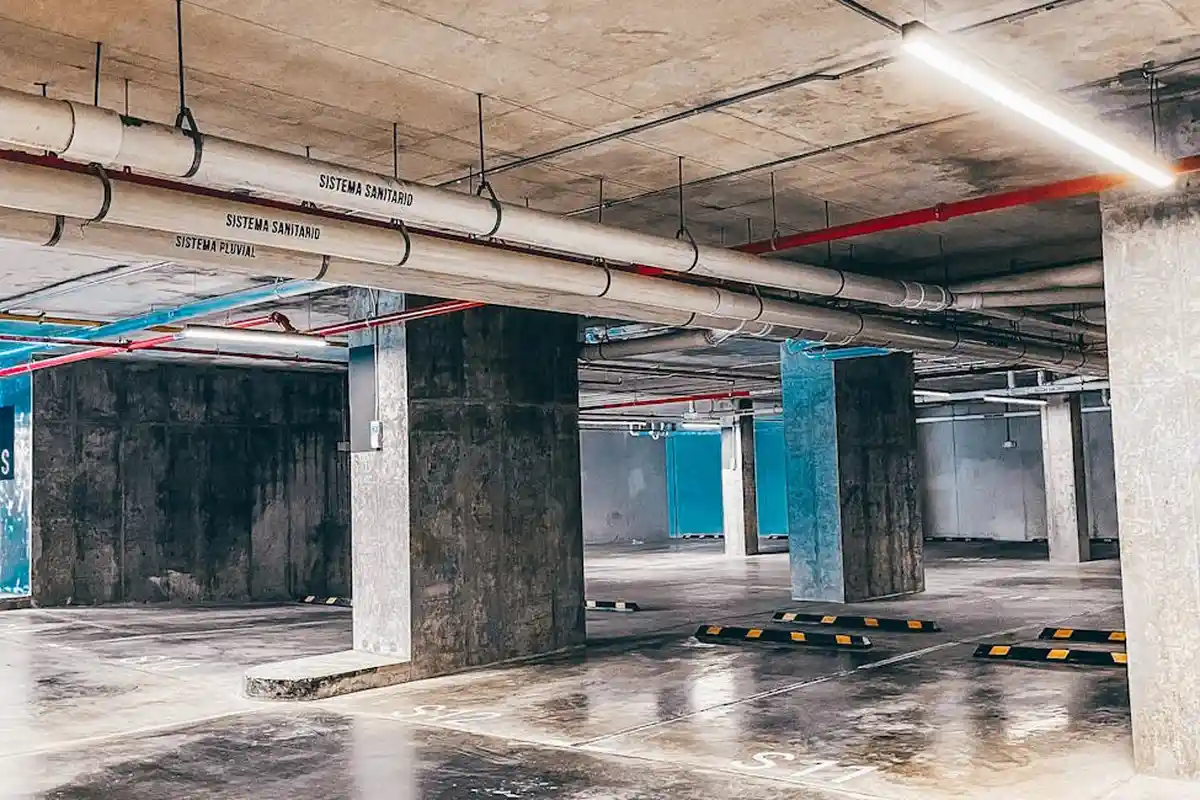
You asked how to properly seal a concrete floor against moisture. The first question to answer is whether you should do it at all. Sealing your floor is like putting a good coat of wax on your car—it doesn’t change the engine, but it protects the finish and makes it easier to clean. The main benefit is that a proper sealer stops water, salts, and oils from soaking into the concrete, which prevents dusting, staining, and freeze-thaw damage over time. Your floor will also sweep and mop much easier. The trade-off is that some sealers, especially glossy epoxy coatings, can become slippery when wet. You can add anti-slip additives to the topcoat, which I always recommend for any high-traffic area. For garages specifically, a slip-resistant surface is especially important when the floor is wet or oily. Look for slip-resistant garage floor coatings or textures that stay safe without sacrificing durability.
Gearhead’s Checklist for Floor Sealing
Do not start this project without the right gear. Trying to improvise will waste time and give you subpar results. Here is the kit I put together for every floor job.
Tools You’ll Need:
- Concrete crack chisel and a 3 lb hammer
- A powerful shop vacuum (a small dustbuster won’t cut it)
- A stiff push broom
- Acid etching kit (muriatic acid) OR, my preferred method, a diamond grinding cup for an angle grinder
- Heavy-duty paint roller with a long handle and 1/2″ nap roller covers
Non-Negotiable Safety Gear:
- Chemical-resistant gloves (nitrile is good)
- ANSI-rated safety goggles
- A half-face respirator with organic vapor/P100 cartridges for sealing, and acid gas cartridges if etching
- Knee pads-you’ll thank me later
Materials to Buy:
- Concrete degreaser/cleaner (I use Simple Green Concrete and Driveway Cleaner)
- A flexible, sandable concrete crack filler (Sikaflex Self-Leveling Sealant is excellent for control joints)
- Your chosen floor sealant: a penetrating silane/siloxane sealer for moisture blocking, or a 100% solids epoxy/polyurethane kit for a thick, durable coat.
How to Prep Your Garage Floor: This is Everything
I cannot stress this enough: the sealer only sticks to the floor you give it. Ninety percent of a failed floor coating, whether it’s peeling or bubbling, can be traced back to poor surface preparation. This isn’t just cleaning; it’s about creating the perfect surface for the product to grab onto.
Step 1: Deep Clean and Etch the Concrete
First, move everything out. Then, sweep aggressively to get all loose dirt and dust. For any oil stains, follow these steps to remove oil stains from concrete. Spray a dedicated concrete degreaser, let it sit for 10 minutes, and scrub it with the stiff broom. Rinse thoroughly. Now, you must “open” the concrete’s pores. You have two main options: acid etching or mechanical grinding.
Acid etching is the common DIY method. You dilute muriatic acid, apply it, let it fizz, and rinse. It works, but it’s messy, dangerous, and the results can be uneven if the concrete has a previous sealer. For a more reliable and controlled profile, I rent a floor grinder or use a diamond cup wheel on my angle grinder to mechanically abrade the surface. It creates more dust, but with a good shop vac attached, it’s cleaner and you can see exactly what you’re getting. Whichever method you choose, the concrete must feel like 80-grit sandpaper when you’re done. After etching or grinding, you must vacuum and then mop the floor with clean water until no dust remains. Let it dry completely for at least 24 hours.
Step 2: Repair All Cracks and Control Joints
Your garage floor already has expansion joints (those lines cut into the concrete). You don’t need to add them, but you must fill the existing ones. A proper sealer is not flexible enough to bridge these gaps; they will crack. Using your chisel and hammer, clean out any loose debris from every crack and control joint. For hairline cracks, you often need to widen them slightly to create a “V” shape so the filler can get in and bond properly. This is especially important when dealing with concrete garage floors.
Fill all cracks and joints with a high-quality, flexible polyurethane or silicone-based concrete sealant. I avoid cheap latex-based crack fillers for garage floors because they shrink and crack again under the weight of a car. Apply the filler slightly proud of the surface. Once it’s fully cured (check the product label), you can sand it flush with the surrounding concrete for a smooth finish before sealing. This is a key step in repairing cracks on a concrete garage floor. If you’re dealing with larger or moving cracks, additional repair methods may be needed before sealing.
Step 3: Apply the Floor Sealant
Now, choose your sealant. Before deciding, make sure the concrete is clean, dry, and free of oil. This garage-floor sealer preparation step helps every option perform better. A penetrating sealer (like Ghostshield Siloxa-Tek 8500) soaks into the concrete, blocking moisture vapor while leaving an invisible, non-slippery finish. It’s my go-to for basements or garages with moisture issues. A topical epoxy or polyurethane coating (like Rust-Oleum EpoxyShield) creates a thick, glossy, and chemical-resistant shell. It’s tougher but more expensive and labor-intensive.
One common question I get is about Flex Seal. Can you use Flex Seal on a garage floor? As a permanent sealant, no. It might work as a very temporary patch on a dry, clean crack, but it will degrade quickly under UV light, chemicals, and foot traffic. It’s not a replacement for proper materials when trying to fix garage cracks.
To apply, start at the back corner farthest from the door. Mix your product exactly as directed. Pour it onto the floor in a manageable section and spread it with the roller. Work in small sections and always maintain a “wet edge,” meaning you roll new product into the still-tacky edge of the previous section to avoid visible lines. Two thin coats are always better than one thick, runny coat. Once the final coat is down, follow the manufacturer’s cure time to the letter before you even think about parking a car on it-this can take up to 72 hours or more for epoxies.
Maintenance & Cleaning Routine for a Sealed Garage
Once your roof and floor are sealed, the job isn’t over. Maintenance is different for each, but it’s what protects your investment for years. Think of the roof as a shield you check for dents, and the floor as a workbench you wipe down.
Sealed Roof Upkeep
Set a calendar reminder to visually inspect your sealed roof every spring and fall. Your goal is to catch small problems before they let water in. Walk around the perimeter and look up. Are the gutters full of leaves? Clean them. Are tree branches scraping or hanging over the roof? Trim them back. Get on a ladder (safely) and look closely at the sealed seams, flashings, and any patches. You’re looking for new, thin cracks (craze cracking), bubbles, or areas where the sealant has pulled away from the roofing material. If you spot any, a quick application of a compatible sealant can fix it.
Sealed Floor Upkeep
For a sealed floor, consistency is key. Sweep it weekly to remove abrasive grit. Once a month, mop it with a pH-neutral cleaner-I use Bona Hardwood Floor Cleaner diluted in water, as it won’t degrade the sealer. The most important rule: clean up oil, antifreeze, or other chemical spills immediately. Letting them sit will stain and break down the coating.
Avoid using harsh de-icing salts in the winter. These can leave a white, chalky residue and degrade the sealer over time. Use sand or a chloride-free ice melt instead. You’ll know it’s time to plan a re-coat when the floor starts to look consistently dull, loses its water-beading effect, or shows signs of wear in high-traffic areas. A good epoxy floor might last 5-10 years with proper care before needing a refresher. Make sure to clean your epoxy floors regularly to extend their lifespan.
Recommended Products for Garage Sealing
You don’t need the most expensive brand, but you absolutely cannot cheap out on sealing products. The wrong product fails, wasting your time and money. I organize my recommendations by job type, because choosing the right category is more important than picking a fancy label.
For Your Garage Roof
Most garage leaks come from flat sections or seams. For flat, rolled roofing or weathered asphalt, a thick elastomeric acrylic coating is your best bet. It dries into a rubber-like skin that bridges small cracks and expands with temperature changes. I’ve had good results with products like Henry’s 587 or similar; they go on with a thick-nap roller and last for years.
For sealing seams, gaps, or where the roof meets a wall (called flashing), you need a high-grade silicone roof caulk. Do not use cheap painter’s caulk from a tube. A professional-grade silicone, like those from GE or Dow, remains flexible forever and bonds to almost anything. I keep a bulk cartridge of NP1 or a similar polyurethane sealant on hand for bigger gaps, as it’s more durable than standard caulk for vertical applications.
For Your Concrete Floor
Fighting moisture is different than fighting wear and tear. For a floor that feels damp or shows water marks, you need a penetrating sealer. Look for a professional-grade silane/siloxane blend. These are thin, watery liquids that soak into the concrete and chemically repel water from within. I use a basic garden sprayer to apply it. It doesn’t change the look or create a film, so it won’t peel like paint or stains.
If your goal is a tough, glossy, easy-to-clean surface for a workshop, you want a 100% solids epoxy kit. The “solids” content is key-the higher it is, the thicker and more chemical-resistant the coating. A good 100% solids epoxy kit, when applied correctly, can handle jackstands, hot tires, and oil spills for a decade or more. I’ve used kits from Rust-Oleum’s professional line and from Legacy Industrial for client jobs where durability was non-negotiable.
The Right Tools for the Job
The best product can fail with the wrong tool. For applying a penetrating concrete sealer, a standard paint brush sheds bristles and doesn’t scrub the liquid in. I use a stiff, high-quality masonry brush-it looks like a scrub brush and forces the sealer into the pores.
For spreading epoxy, a cheap roller cover will fall apart and leave fuzz in your finish. You need a heavy-nap roller cover (usually 3/4″ or more) designed for epoxy. The thick nap holds the viscous material and lays it down evenly. I pair this with a heavy-duty roller frame because a flimsy one will bend under the weight of the material. Trust me, buying these specific tools once is cheaper than redoing the floor.
Troubleshooting Common Sealing Problems
Even with perfect prep, things can go wrong. Here’s how to diagnose the most common issues I see.
Leaks That Come Back After Sealing
If you’ve coated a roof or caulked a seam and water still gets in, the sealant is not the problem. Water is traveling from somewhere else. Ninety percent of the time, this is a flashing issue. Flashing is the metal or rubber trim that directs water away from walls, vents, and edges. Inspect the area above your leak. Is the metal bent, rusted, or pulled away? Is a roof vent boot cracked? Sealing over bad flashing is a temporary fix. You need to repair or replace the flashing itself.
Peeling or Bubbling Floor Epoxy
Epoxy peeling up in sheets is almost always a preparation failure. Three main causes:
- Moisture: Water vapor pushing up from the concrete (called hydrostatic pressure) blows the epoxy off. A simple plastic sheet duct-tape test overnight will tell you if you have moisture.
- Grease/Oil: You can’t see a thin film of oil. I always scrub the floor with a strong degreaser and then etch it with muriatic acid or a commercial etcher to open the pores.
- Poor Adhesion: The concrete wasn’t rough enough. New concrete needs to cure for 30 days. Old concrete needs mechanical grinding, not just acid etching, to give the epoxy something to grip.
To fix it, you must remove all the failed epoxy, diagnose and solve the root cause (often with a moisture barrier primer), and reapply the system.
Cloudy or Sticky Sealant
Whether it’s roof coating or floor sealer, a cloudy finish or a surface that stays tacky for days was applied in the wrong conditions. This happens when humidity is too high or the temperature is outside the product’s range (usually below 50°F or above 90°F). The solvents or water can’t evaporate properly. Always check the weather forecast and the product label for temperature and humidity limits before you start. There’s no fix for this except to wait for it to fully cure, which can take weeks, or to remove it and reapply under proper conditions.
When to Call a Professional
Know your limits. My rule is simple: call a pro roofer if a leak involves structural sheathing, major flashing repairs on a steep roof, or if you’re not comfortable working at height safely. For floors, call a concrete contractor if you discover major cracks (wider than a quarter), significant settling, or if moisture testing shows extreme vapor emission. Paying an expert once is better than paying for your own attempts twice, plus the cost of fixing any damage a failed DIY job might cause.
Garage Sealing FAQ: Quick Answers from a Pro
Is there a best time of year to seal my garage roof and floor?
Absolutely. Work in dry, mild conditions-aim for temperatures between 50°F and 80°F with low humidity for at least 48 hours. Fall and spring are often ideal. Sealing in extreme heat, cold, or before rain guarantees a failed cure.
Penetrating sealer vs. epoxy for my floor: how do I decide?
Choose based on your primary enemy. Use a penetrating silane/siloxane sealer to block moisture vapor from within the concrete, along with vapor barriers in your garage. Choose a 100% solids epoxy kit for a durable, chemical-resistant surface coat if your slab is already dry and you need heavy-duty protection.
I sealed my roof, but water is still getting in. What’s the first place I should check?
Check all flashings first-the metal or rubber seals where the roof meets walls, vents, or pipes. Sealant can’t fix bent, rusted, or detached flashing. This is the most common source of persistent leaks after a DIY seal.
How can I quickly test if my old floor sealer is still working?
Sprinkle water on the floor. If it beads up, your sealer is still effective. If it darkens the concrete and soaks in within a few minutes, the protection is gone and it’s time for a new coat.
Can I apply a new coat of sealant over the old one, or do I need to strip it first?
Never coat over a failed or peeling layer. For a sound but worn coating, you must perform a thorough adhesion test and ensure the new product is compatible. When in doubt, mechanically strip it for a guaranteed bond.
Keeping Your Garage Dry and Protected
From my shop experience, the biggest mistake is treating the roof and floor as separate projects; a successful seal requires you to address them as a single system to block water from every angle. Here are the key habits I’ve built over years to ensure lasting results:
- For roof seams, I skip basic silicone and use a polyurethane sealant like Sikaflex 221. It bonds stronger to old, weathered surfaces and won’t shrink or crack in extreme heat or cold.
- Always test concrete for moisture before sealing. I lay a 2-foot square plastic sheet on the floor, tape the edges, and check after 24 hours. Dampness means you need a vapor barrier primer.
- On floors, I prefer a two-part epoxy coating (like Rust-Oleum EpoxyShield) for heavy use areas. It’s tougher than acrylic sealers, but if you’re new to this, a quality acrylic like Drylok is simpler to apply and still works well.
- Mark your calendar for a yearly inspection each spring. A quick walk-around to check caulk lines and floor coatings catches small issues before they become big leaks.