
How Can I Protect My Car from Winter Damage in an Unheated Garage?
If you’re anxious about your car facing freezing temperatures in an unheated garage, you’re right to be-moisture and cold can lead to rust, battery failure, and engine trouble. I’ve fixed these issues for years, and I’ll show you how to stop them before they start.
This article will give you my shop-tested methods, including picking a heavy-duty car cover like the Covercraft WeatherShield, switching to a synthetic oil such as Mobil 1, and using a battery maintainer like the NOCO Genius1.
I’ve personally winterized dozens of cars in unheated spaces, learning which products and routines actually work through trial and error.
Start with a Spotless Exterior to Prevent Rust
You cannot skip this step. Putting a cover over a dirty car is like putting a blanket over a muddy dog. You’ll trap grime and moisture against the paint, which is a fast track to scratches and rust. A clean, protected finish is your car’s primary winter coat.
My process starts at the coin-op car wash. I spend most of my quarters on the high-pressure wand to blast the undercarriage and wheel wells. Road salt is your car’s worst enemy in winter, and a direct spray underneath is the only way to remove it before storage. I then use the soap brush only on the lower body panels to avoid swirling the main paint, finishing with a gentle rinse.
For protection, I’ve moved away from traditional carnauba wax for winter storage. It looks fantastic but breaks down faster. I now use a synthetic polymer sealant like Meguiar’s Hybrid Ceramic Wax. It goes on easily and creates a harder, longer-lasting barrier against the damp garage air. Think of carnauba as a cozy wool sweater and the polymer sealant as a waterproof rain shell.
Choosing and Using a Winter Car Cover
For an unheated garage, you need a cover that breathes. The humidity from a cold concrete floor will condense on your car’s surface. A plastic or vinyl tarp traps that moisture, creating a perfect rust incubator. I learned this the hard way years ago with a musty-smelling cover and new paint speckles. That’s why protecting classic cars from garage humidity matters. A few simple steps can keep your finish pristine.
Look for a soft, multi-layer fabric like a cotton-polyester blend. Brands like Covercraft and Budge make good options. The material should feel thick and allow air to pass through. It’s not about keeping the car warm, it’s about letting moisture vapor escape.
The single most important rule for using any cover is to only put it on a car that is completely clean and bone-dry. Any leftover grit becomes sandpaper under the cover flap. I always wash my car in the morning on a sunny day and let it sit in the driveway until late afternoon before covering it for the season.
Fortify the Interior Against Moisture and Pests
While you’re protecting the outside, the inside needs just as much attention. A damp, dark car interior is a target for mold and unwelcome visitors. Your goal is to make it as clean, dry, and uninviting as possible.
Here is my pre-storage interior routine:
- Remove every single item: old napkins, charging cables, and especially any food crumbs or wrappers.
- Give the carpets and seats a thorough vacuum. I use a shop vac with a stiff brush attachment to pull dirt from the fibers.
- Wipe down and condition all vinyl, plastic, and leather surfaces with a product like 303 Protectant. This prevents drying and cracking.
To combat dampness, I place moisture absorbers inside. The disposable DampRid buckets work well. I put one in the front footwell and one in the rear, cracking open a window just a hair to allow for air circulation without letting in pests. Silica gel packs are a good alternative for smaller spaces like the glove box or center console. I also use desiccant bags for garage moisture control.
How to Keep Rodents from Moving In
Mice and rats see a parked car as a five-star insulated hotel. Wiring insulation and air filter material are prime nesting supplies. Prevention is straightforward but needs to be consistent, especially when trying to keep mice out of your garage.
I prefer natural deterrents. Soak several cotton balls in 100% peppermint essential oil and place them in small bowls or on jar lids under the car, in the engine bay (away from hot components), and inside the cabin. Refresh the oil every few weeks as the smell fades. Commercial repellent packets can work, but I’ve found their effectiveness varies wildly by brand.
The best defense is to deny them access to the garage itself. Before storing the car, I do a sweep of the garage perimeter with a can of spray foam. I seal any gaps around the door frame, utility lines, and the bottom of the garage door. A tight seal keeps the cold out and the critters out, solving two problems at once—especially when coupled with pest-proofing measures to protect other items in the garage.
Protect the Engine, Battery, and Fluids
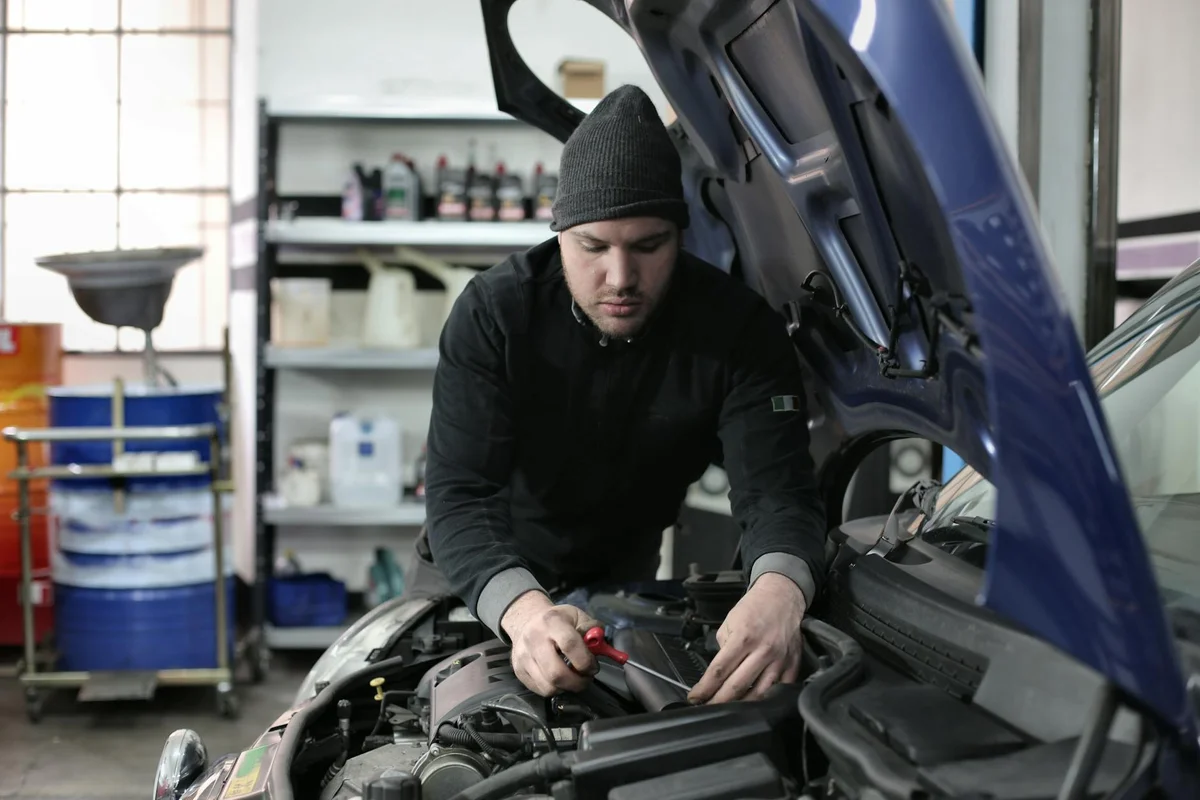
Before the deep cold sets in, take twenty minutes to care for your car’s internals. This work pays off when you turn the key next spring.
Should you change the oil before storing a car for winter? Yes, absolutely. I do this on every vehicle I winterize. Old oil contains acids and contaminants from normal engine use. Letting that sit in your crankcase for months can lead to internal corrosion. Fresh oil coats and protects the engine’s metal surfaces. Think of it as putting a fresh, protective blanket inside your engine before it takes a long nap.
Is a fuel stabilizer necessary? Yes, for any car sitting more than a month. Today’s ethanol-blended fuel can separate and absorb moisture from the air, which leads to corrosion in your fuel lines and injectors. I’ve cleaned gummed-up carbs from neglected lawn equipment; you don’t want that in your car. I use Sta-Bil. Pour it in, then run the engine for five minutes to get the treated fuel through the entire system.
Managing the Battery in the Cold
A car battery slowly discharges even when the car is off, and cold temperatures dramatically speed up this death. You have two main choices: disconnect it or maintain it.
Disconnecting the battery is free. Pop the hood, loosen the negative terminal clamp with an 8mm or 10mm wrench, and lift it off. This stops the drain. The downside? You lose radio presets and computer memory, and you’re handling heavy, awkward acid-filled boxes.
I vastly prefer using a battery maintainer, often called a tender. Plugging in a smart charger is the single easiest way to guarantee a start on the first try, and it keeps the battery at peak health. I use a NOCO Genius 1. It’s a “smart” charger, so it automatically switches to a safe float mode once the battery is full. You plug it into a standard outlet. Run the cord safely along a wall-I use a heavy-duty outdoor extension cord-and clip the leads directly to the battery terminals. It uses less power than a nightlight. Just make sure the outlet you use is on a circuit without other heavy loads.
Control the Garage Environment
Cold alone won’t hurt your car, but the dampness that comes with it will. Your enemy is condensation, which leads to surface rust on brake rotors, undercarriage, and even inside the fuel tank if it’s low.
To dehumidify, you have two good options: passive and active solutions. For a passive, low-cost fix, get a few moisture-absorbing buckets like DampRid. Place one near the car and one in a corner. They pull water from the air and need replacing every month or two. For a more active solution, a small portable dehumidifier works better. I’ve used a TOSOT model in my workshop. You’ll need to empty its tank regularly, but it pulls far more moisture. Choose based on your budget and how damp your garage gets.
Melting snow off your car creates a huge puddle. That standing water raises humidity and can stain your floor. Contain the melt with a heavy-duty, water-absorbent mat placed directly under the engine and front wheels. I use the kind made for commercial entries, like the Water Hog by Ruggable. It soaks up gallons. Keep a floor squeegee handy-the type with a rubber blade-to push any runoff toward a floor drain or out the door immediately.
Simple Ways to Take the Edge Off the Cold
You don’t need to heat the whole space like your living room. The goal is to knock the chill off for an hour of tinkering.
For quick, focused heat, a radiant propane heater like a Mr. Heater Buddy can work. If you use a propane heater, you must crack the garage door open at least one inch for ventilation-carbon monoxide is a silent, deadly risk. Never leave it unattended, and keep it away from any flammables. I only use mine for short periods when I’m actively working in there.
A smarter, permanent investment is insulating your garage door. A DIY foam board or reflective kit from a brand like Frost King is straightforward to install. It creates a thermal barrier that keeps the space several degrees warmer and reduces drafts. My door faces north, and adding insulation made a noticeable difference in how long the morning frost stayed on my tools.
Your Winter Storage Maintenance Routine
You might wonder how often you should start the car. My advice is don’t, unless you can take it for a proper 20 to 30 minute drive to get the engine fully hot and recharge the battery.
Starting it for just a few minutes in the cold does more harm than good, as it creates corrosive condensation inside the engine and exhaust system without burning it off.
Instead, set a calendar reminder for a simple monthly check. This takes five minutes and catches small issues before they become big ones.
- Look for new signs of moisture on the cover, under the car, or on windows.
- Check for rodent droppings, nesting materials, or chew marks on wires and hoses.
- Verify tire pressure with a good gauge; cold temperatures can cause significant drops.
- Confirm your battery maintainer’s status light shows it’s functioning correctly.
Preventing Tire Flat-Spotting
When a car sits for months, the weight can flatten the bottom of the tires where they touch the ground. This flat-spotting can cause a rough, thumping ride when you drive again.
Your first defense is to inflate all tires to the maximum PSI listed on the tire’s sidewall, not the door sticker pressure you use for daily driving. The higher pressure helps the tire carcass resist deforming.
If you can, shift the car’s weight every month. You don’t need to drive it. Just release the parking brake, roll the car forward or backward about half a tire rotation, and re-engage the brake. This simple move puts a new part of the tire in contact with the ground.
Recommended Products for the Job
Having the right gear makes winter storage much easier. You don’t need the most expensive brands, but you do need the right type of product.
- Breathable Car Cover: Look for a soft, woven fabric that says “indoor” or “all-weather.” Avoid plastic or vinyl tarps, as they trap moisture against the paint.
- Smart Battery Maintainer: Get a maintenance charger that automatically switches between charge and float modes. The ones with microprocessor control are worth it to prevent overcharging.
- Portable Dehumidifier: A small, plug-in unit for your garage space can pull a surprising amount of moisture from the air. Look for one with a drain hose option or a large tank.
- Moisture Absorber Buckets: These disposable buckets with crystal pellets are a great backup. Place one near the car and under it if possible.
- Polymer Sealant: For your paint, a good synthetic sealant (not a traditional wax) applied before storage will offer longer-lasting protection against any ambient moisture.
- Undercarriage Wash Attachment: A simple wand that hooks to your garden hose lets you blast off salt and grime from below before you park it for the season. It’s one of the best tools for rust prevention.
From The Log: A Pro’s Hard-Learned Tip
I learned this lesson the expensive way. I once prepped a classic car perfectly, or so I thought, and stored it on a bare concrete floor for the winter. Concrete “sweats” as the temperature changes, releasing moisture from below.
By spring, I had a perfect ring of surface rust starting on the frame rails and floor pans right where they met that damp floor. Now, I never park a car for long-term storage without first laying down a vapor barrier. I use a heavy 6-mil plastic tarp or, even better, a dedicated interlocking garage floor mat. It creates a simple, dry island for your car and is one of the most effective things you can do. That dry surface also makes under-car storage practical, letting you stash lightweight bins and tools beneath the vehicle. It’s a simple tweak that frees up wall and shelf space while keeping moisture out.
FAQ: Winter Car Storage in an Unheated Garage
What steps should I take to protect the car’s battery during cold months?
Opt for a smart battery maintainer-clip it directly to the terminals and leave it plugged in. This provides a steady, safe charge that prevents drain and extends battery life. Avoid periodic starting; it’s insufficient and risks condensation buildup.
How can I protect the tires from flat-spotting in cold storage?
Inflate tires to the maximum PSI listed on the sidewall for added rigidity. If accessible, consider using tire cradles or parking on interlocking foam mats to evenly distribute weight and minimize direct pressure points.
Is it necessary to use a fuel stabilizer for winter storage?
Absolutely. Ethanol-blended fuels degrade and attract moisture, which can corrode fuel system components. Add a stabilizer like Sta-Bil to a full tank, then run the engine briefly to ensure it circulates through the entire system.
What are the best practices for protecting the car’s interior during winter?
Remove all personal items and vacuum thoroughly to eliminate crumbs. Apply a UV-protectant to surfaces like dash and seats, and use disposable moisture absorbers in footwells to combat dampness without requiring power.
Final Thoughts on Winter Car Protection
The single most important thing you can do is take action before the first deep freeze hits. Proactive preparation beats reactive repair every time when it comes to winter. Focus on these key actions: use a soft, breathable car cover, keep your battery on a maintainer like a Battery Tender, check your antifreeze and washer fluid strength, and always clear snow off the car before driving. Winterizing your garage to prevent freezing damage complements these steps. A quick check of door seals and insulation boosts protection for stored vehicles and gear.
Evan Gunther
Evan is a general contractor operating in Columbus, Ohio servicing, maintaining and building residential and commercial garages for over two decades. He has personally redeveloped over 100+ garages and installed and reinstalled over 230+ garage doors in his long tenure. When it comes to giving your garage a face lift or fixing common issues, Evan's the pro. Feel free to reach out to him and follow his Garage Log blog for expert, fact based advice.