
Does Your Homeowners or Renters Insurance Cover Garage Damage, Theft, and Liability?
If your garage gets hit by a storm or your tools are stolen, you’re probably worried about the insurance fine print. I’ll give you clear, actionable advice to understand your coverage.
This article will explain what typical policies cover for garage structure damage, how theft of tools and stored items is handled, and the liability protection if someone gets hurt in your garage.
As a residential garage care pro who has navigated these claims with homeowners, I provide shop-tested guidance you can trust.
The Garage Owner’s Guide to Insurance Basics
Let’s clear up the biggest confusion first. If you own the home and the garage, you need a homeowners policy; if you rent the place, you need a renters policy, and that changes everything for your garage. I’ve been in thousands of garages, from pristine showrooms to packed rental units, and this fundamental difference is where most folks get tripped up.
In your homeowners policy, look for the term “Coverage B: Other Structures.” This is the part that handles your garage. Think of it like a built-in shelf system in your garage. The main house is the primary wall (Coverage A), and the shelving unit bolted to it is separate but connected. “Other Structures” coverage typically gives you protection for structures on your property that aren’t your main dwelling, like a detached garage, shed, or fence, usually for a percentage of your main home’s coverage limit.
Now, for renters, it’s a different toolset. A standard renters insurance policy does not cover the physical garage structure at all. The landlord’s insurance handles that. Your renters policy is there for two things: your stuff inside the garage (like tools, bikes, or holiday decorations) and your personal liability if someone gets hurt in that space. I’ve had clients lose expensive equipment thinking their policy covered the building, only to find out it didn’t—such as when a home warranty doesn’t provide garage door coverage.
Before you do anything else, get two documents. First, your policy’s declaration page. It’s the summary sheet that lists your coverage types and limits. Second, create a simple home inventory for the garage. Use your phone to take a quick video, panning slowly, opening cabinets, and saying what items are. Having a visual record is the single best way to speed up a claim and ensure you’re made whole. I keep a digital folder for mine, updated every time I make a major new purchase.
When Homeowners Insurance Has Your Garage’s Back
When we talk about “Coverage B: Other Structures,” it covers both attached and detached garages. This means the walls, roof, foundation, and the built-in electrical work. I see a lot of variation in policies, but generally, if a tree falls on your detached workshop or a fire damages your attached carport, this is the coverage that should respond to repair or rebuild it.
Covered perils are the specific events your policy agrees to pay for. Common ones include:
- Fire or lightning: I responded to a garage fire once where faulty wiring in an old shop light was the cause. The homeowner’s policy covered the full rebuild.
- Hail & Windstorm: I’ve replaced countless garage door panels and sections dented by hail. The damage to the structure and door was covered.
- Vehicle Impact: If someone accidentally drives into your garage, the damage to the building is typically covered. I had a client whose teen misjudged the brake; the policy paid for the new door and frame repair.
Yes, your garage door is covered. Your garage door is considered a permanent part of the structure, just like a window or an exterior door on your house. Whether it’s a basic steel door or a high-end insulated model, if it’s damaged by a covered peril, replacement should fall under your “Other Structures” coverage. The opener motor, however, often falls under personal property coverage.
Speaking of personal property, that’s for everything inside the garage that isn’t nailed down. This includes your lawnmower, tool chest, sports gear, and stored furniture. There are usually sub-limits for certain categories, like expensive power tools or golf equipment. For my own specialty tools, like my Festool track saw system, I schedule them separately on my policy for full value. They’re also organized carefully to ensure they’re protected and easy to find, unlike other tools that might be scattered around.
Be aware of the common exclusions. Standard policies almost always exclude damage from floods and earthquakes; you need separate, specific policies for those. It’s like trying to use a standard socket wrench on a Torx bolt-you need the right tool for the job. Normal wear and tear, like a door spring breaking from age, is also not covered. That’s a maintenance item, which is why I recommend a professional inspection and lubrication schedule.
What Renters Need to Know About Garage Coverage

If you’re renting a house with a garage, your insurance situation is different. I’ve helped many renters sort this out after they’ve had a problem. The key thing to remember is that you don’t own the building, so you may not be covered by garage keeper’s liability insurance.
Your renters insurance policy does not cover the physical garage structure, the door, or the opener-that’s your landlord’s responsibility through their property insurance. Your policy is for your stuff and your liability, not for landlord garage door maintenance.
It does, however, cover your belongings inside that garage. If a tree limb crashes through the roof and destroys your workbench and power tools, your renters insurance can help replace them. The same goes for theft. If someone kicks in the side door and steals your mountain bike and storage bins, that’s typically a covered loss.
The part I tell every renter to pay close attention to is liability coverage. This is critical. If a guest trips over your extension cord in the garage and gets hurt, you could be responsible. If your kid’s scooter rolls into the street and causes a car accident, your liability coverage may step in. I recommend carrying at least $300,000 in personal liability coverage; it’s inexpensive for the massive protection it offers.
One practical step you should take right now is to ask your landlord a simple question: “Who is responsible for maintaining and repairing the garage door?” Get the answer in writing, like in an email. I’ve seen disagreements where a broken spring led to a big argument over who pays. Knowing this upfront prevents headaches later. Generally, the landlord handles the door mechanism, but you might be responsible for keeping the tracks clear of debris.
Filing a Claim for Garage Damage or Theft: A Step-by-Step Walkthrough
When something goes wrong, you need to act quickly but carefully. Having walked clients through this, here’s the process I advise.
Step 1: Immediate Actions (Safety & Security)
- Ensure everyone is safe and call emergency services if needed. For major damage like a fire or a car through the wall, get people out first.
- Secure the area to prevent further damage or theft. If the garage door is broken, you may need to board up the opening. Your policy requires you to take reasonable steps to mitigate loss.
- Contact your insurance company or agent to report the incident and start a claim. Do this as soon as possible.
Step 2: Document Everything
This is where most people fall short. Be thorough.
For damage: Use your phone to take clear, well-lit photos and videos from multiple angles. Get wide shots of the overall scene and tight close-ups of specific damage. Before you clean anything up or move debris, document it all. If a tree fell, photograph the tree, the point of impact on the roof, and the interior damage.
For theft: Create a detailed list of every stolen item. For each item, note:
- The brand, model, and serial number (this is why I keep manuals in a file box).
- The approximate date and price you paid.
- Where you bought it.
Dig up any receipts or credit card statements you have. For expensive items like a DeWalt table saw or a Specialized bike, having the serial number is the best way to prove you owned it and establish its value.
Step 3: The Adjuster’s Visit
Your insurance company will send an adjuster to inspect the damage. Be present for this visit. Walk them through what happened, point out all the damage you documented, and provide your list of stolen items. Have your photos and videos ready to share. They will assess the cause and cost of repairs. Be honest and stick to the facts.
Can You Claim a Broken Garage Door on Insurance?
This is a common question with a clear answer. Insurance is for sudden, accidental events-not maintenance.
A claim is typically valid if the damage is sudden and accidental, like if your car accidentally drove into the door, a hailstorm dented it, or a fallen tree crushed it.
Insurance will not cover a broken door due to normal wear and tear, lack of maintenance, or a broken spring from old age. That’s a homeowner repair cost. I use a simple analogy: insurance is for the tree that falls on your roof during a storm; it’s not for the shingles that wear out after 20 years. If your 15-year-old door finally gives out, that’s on you to fix or replace.
Proactive Garage Care to Satisfy Your Insurer (and Prevent Headaches)
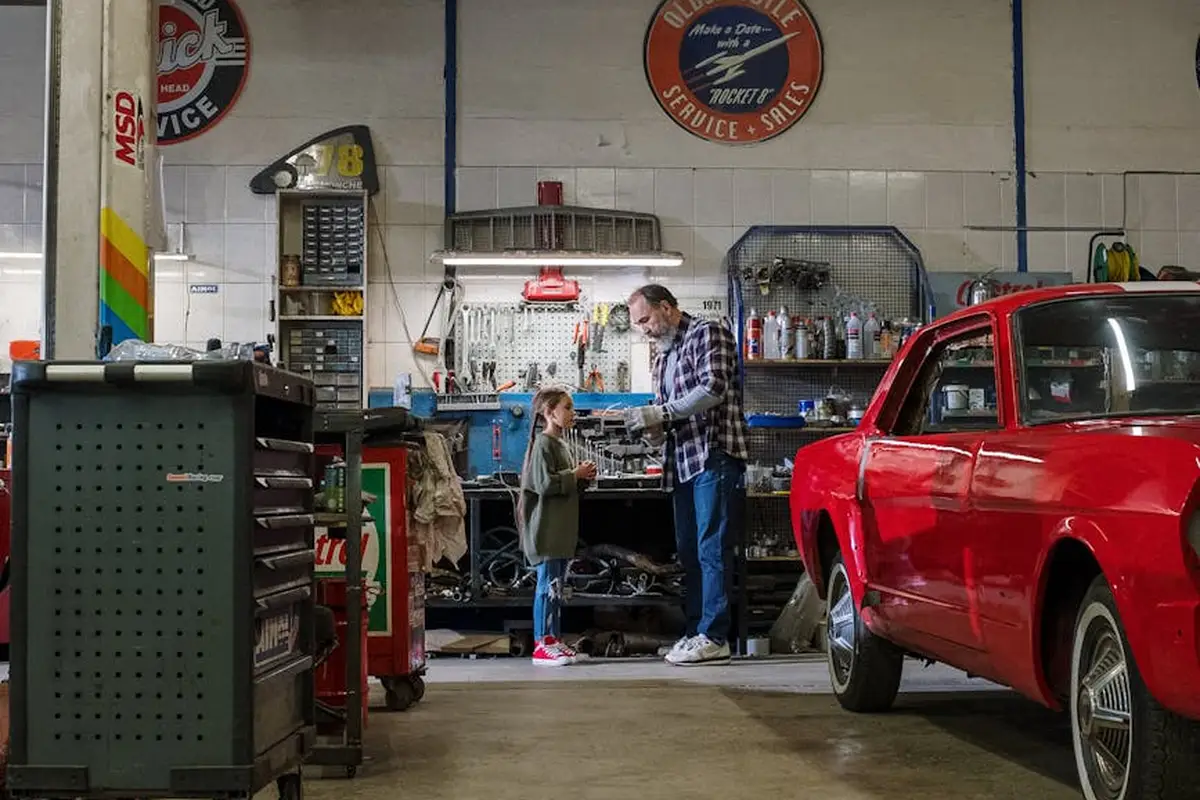
Think of your garage like a car. You don’t just call your mechanic when the engine seizes. You change the oil. A well-maintained garage is less likely to have a catastrophic failure, and it shows your insurance company you’re a responsible homeowner. That due diligence matters if you ever need to file a claim.
I tell clients to do a quick garage health check twice a year, like when you change your clocks. It takes 30 minutes and can save you thousands.
Your Bi-Annual Garage Inspection
- Check the Door Balance: Disconnect the opener by pulling the red emergency release cord. Manually lift the door halfway up and let go. It should stay in place. If it slams down or rises, the springs are out of balance. This is a job for a pro.
- Listen to the Opener: Run the automatic opener and listen for grinding, screeching, or hesitation. A smooth, relatively quiet operation is what you want.
- Inspect the Structure: Look at the concrete floor for new, major cracks. Check the walls and ceiling for signs of water stains or leaks, especially around the roof line.
- Test the Safety Features: Place a 2×4 on the floor under the door and close it. The door should reverse immediately upon hitting the wood. Also, check that the photo-eye sensors near the floor are clean and aligned.
Consistent checks like these prove you’re not neglecting your property, which is a big plus in the eyes of an insurance adjuster.
Lock It Down, Day and Night
The most common entry point for a home burglary is the garage. A secure garage protects your stuff and limits your liability if someone gets hurt trespassing.
- Install a heavy-duty deadbolt on the service door. I’ve used the Schlage B60N for years. It’s a solid, single-cylinder deadbolt you can key to match your house.
- Add motion-sensor floodlights outside. They’re a powerful deterrent. The Ring Solar Pathlight is a good, wire-free option I’ve installed for clients who don’t want to run wiring.
- Keep the overhead door closed, even when you’re home. An open garage is an invitation.
Know What You Own
After a fire or theft, you’ll need to list every lost item. Doing that from memory while stressed is nearly impossible.
I keep a simple digital inventory. Twice a year, I take a video walkthrough of my garage, opening cabinets and drawers, narrating brands and models. “Here’s my Dewalt 20V drill set, the Milwaukee M18 fuel impact driver, the Cannondale mountain bike.” I store that video in the cloud. For big-ticket items, I keep photos of the receipts in a folder on my phone. This documented proof is invaluable for getting a fair settlement if you need to make a claim for your belongings.
Recommended Tools & Products for a Safer Garage
You don’t need a pro’s full toolkit, but a few key items make maintenance easy and your space safer.
- Security & Safety: A Schlage deadbolt, a smart garage door opener (like Chamberlain myQ) that sends alerts, a 5-lb ABC fire extinguisher mounted near the door, and a simple moisture alarm (like the Govee WiFi model) placed near the water heater or floor drain.
- Organization: Closed cabinets (NewAge or Husky) beat open shelving for keeping dust off tools and hiding clutter. Reduced clutter means fewer trip hazards and easier inventory tracking.
- Maintenance Tools: A can of white lithium grease for door hinges and rollers (not the chain). A reliable 4-foot level to check door panel alignment. A basic 3/8-inch drive socket set for tightening loose roller brackets and track bolts.
When Insurance Won’t Help: Common Exclusions and Grey Areas
Insurance is for sudden, accidental damage. It is not a maintenance warranty. Knowing the difference saves you frustration and denied claims.
The Clear “No’s”
Your policy almost certainly will not cover:
- Intentional Damage: You can’t file a claim for something you broke.
- Wear and Tear: A spring that breaks from fatigue after 10,000 cycles, rotting weatherstripping, or a faded door are maintenance issues.
- Vermin or Pest Infestation: Mice chewing wiring or squirrels nesting in insulation is considered preventable.
- Mechanical Breakdown: If your garage door opener motor burns out, that’s on you to repair or replace.
The Tricky Grey Area: Water
This is where I see the most confusion. The difference between “seepage” and a “burst” is everything.
Slow seepage through a foundation crack over months that ruins stored boxes is almost always excluded. Insurance sees that as a maintenance flaw. A sudden, accidental burst of a washing machine supply line that floods the garage is typically covered. The key is the word “sudden.” If you see a small leak, fix it immediately. Don’t let it become a long-term problem that an adjuster will deny.
Understanding Your Liability Limits
Your homeowners policy has a liability limit, often $300,000. If a guest trips over a garden hose in your garage and suffers a severe, permanent injury, their medical bills and a lawsuit could easily exceed that.
If you use your garage for anything business-related-like storing inventory, doing handyman work for pay, or even just packaging a lot of online sales-your homeowners liability likely won’t cover incidents related to that activity. For these situations, an umbrella liability policy is smart, affordable extra protection that sits on top of your home and auto policies. It’s for the “what if” that could wipe you out, especially when your garage is used for business and storage purposes.
The best move? Don’t wait for disaster. Pick up the phone and call your insurance agent with specific “what if” questions about your garage. Describe your exact setup. It’s a free conversation that gives you real peace of mind.
Garage Insurance FAQ: Straight Answers from a Pro
How does my garage maintenance routine affect an insurance claim?
Poor maintenance can lead to a denied claim. Insurers expect you to perform reasonable upkeep, like lubricating door parts and clearing drains. Documenting bi-annual inspections with date-stamped photos proves you’re responsible, which strengthens your position if a sudden, covered event occurs.
As a renter, what happens if my negligence damages the garage structure?
Your renter’s liability coverage is key here. If you cause a fire or major water leak through clear negligence, such as failing to prevent water damage from flooding, the landlord’s insurer will pay to fix the garage but will likely sue you to recover costs. Your policy’s liability portion should defend you and cover damages up to your limit.
Are my tools covered if they’re stolen from a detached shed, not the garage?
Yes, typically. Homeowners policies generally cover personal property anywhere on your premises, including sheds. The main risk is your policy’s sub-limit for high-value items like pro tools. For renters, the same applies-your stuff is covered in any structure on the rental property.
What’s one immediate, low-cost upgrade to boost garage security for insurance?
Install a sturdy deadbolt on the service door. Many garages only have a weak latch handle. A quality deadbolt is a visible deterrent that insurers appreciate. Pair it with automatically closing the main door every time you leave-an open garage is the top target for theft. For added protection, consider garage door security safety locks that secure the door from both the inside and outside. They pair well with automatic doors and reinforce overall garage security.
If a tree limb damages my garage, will insurance pay for both removal and repair?
Usually, yes. Your “Other Structures” coverage typically handles repairs to the garage. Most policies also include a set amount (e.g., $500-$1,000) for debris removal. If the limb is massive, check your policy’s removal limit and call a pro for a separate removal quote alongside the repair estimate.
Does using my garage for a hobby/business void my coverage?
It can create serious gaps. Standard policies exclude liability and property damage related to business activities. Even frequent hobby sales (like online reselling) can be deemed a business. If you run power tools for side income or store business inventory, you need a separate business policy or endorsement.
Putting Your Garage Insurance Knowledge to Work
The single best thing you can do is read your policy documents from start to finish. I keep my policy in a drawer next to my toolbox, and I glance at it once a year. For a quick recap, remember these three actions.
Examine your policy’s declarations page and any garage-specific endorsements to know your exact coverage limits and deductibles.
Create a simple video inventory of your garage tools and belongings; your phone’s camera is the perfect tool for this job.
Proactive maintenance, like installing a solid deadbolt or motion-sensor light, can prevent incidents and often satisfies your insurer’s safety requirements.