
How Do I Fix a Garage Door That’s Sticking, Squeaking, or Won’t Open?
A stuck or noisy garage door throws off your whole routine. I will help you solve these common issues with clear, shop-tested steps.
This article provides practical fixes for diagnosing the problem, selecting and applying lubricant, checking track alignment, and performing safety inspections.
My advice comes from years on the job as a residential garage care professional, handling these repairs daily.
Start Here: Diagnosing Your Garage Door Problem
Before you touch a tool, you need to know what you’re dealing with. Think of it like checking your car for a strange noise before a long trip. You listen, you look, and you rule out the simple stuff first.
The single most important safety step is to disconnect the garage door opener before you do anything else. There’s usually a red emergency release cord with a handle. Pull it down. This lets you test the door’s balance and movement by hand, without the motor fighting you or accidentally engaging.
Listen and Look: The First Clues
With the opener disconnected, lift the door manually about halfway and let go. It should stay in place. Now, slowly open and close it by hand and use your senses.
- Grinding or scraping: This usually means metal is dragging on metal. Your rollers might be shot, or a track is bent out of alignment.
- High-pitched squeaking: This is almost always dry metal hinges or roller bearings crying out for lubrication.
- Loud popping or banging: This can point to a broken torsion spring or a cable coming off its drum, which is a job for a pro.
- Complete silence and no movement: If the door is physically stuck, look for a rogue toy, rock, or debris in the track. If it moves freely by hand but not with the opener, your problem is likely electrical.
As you work the door, visually scan everything. Look for rust on the bottom roller brackets, loose bolts on the track mounts, or a hinge that looks crooked.
Is the Problem Mechanical or Electrical?
Now, reconnect the opener. Stand clear and try to operate it using the wall-mounted button inside your garage.
- If the wall button works but your remote doesn’t, you likely just need to replace the battery in your remote or reprogram it.
- If nothing works-no sound, no movement-check if the opener unit is plugged in and that the circuit breaker hasn’t tripped.
Modern garage door openers talk to you with their lights. Most models have an LED that will flash a specific number of times to indicate an error code. Grab your opener’s manual or look up the model online; that flashing light is the key to diagnosing safety sensor misalignment, force setting issues, or internal motor faults.
Fixing a Sticking Garage Door That Won’t Move Smoothly
A door that binds, jerks, or struggles is telling you its moving parts are dirty, dry, or worn out. This is the core of basic garage door fixing. Let’s get it rolling smoothly again.
Check and Clean the Tracks
The vertical and horizontal tracks are the highway your door rolls on. If they’re dirty or crooked, everything gets hard.
- Grab a reliable level. I keep a 4-foot Stanley FatMax in my truck for this. Place it against the vertical track. It should be perfectly plumb (vertical). If it’s leaning in or out, the track is misaligned.
- Loosen the bolts or screws that hold the track bracket to the wall framing, but don’t remove them completely. You just want them loose enough to gently tap the track into alignment with a rubber mallet.
- Once the track is straight, re-tighten the bolts firmly. Check another spot to make sure it stayed true.
For cleaning, use a damp rag and a stiff brush, like an old paintbrush. Get all the old grease, dirt, and bug debris out of the track channel. Avoid household cleaners or degreasers; they can leave a residue that actually attracts more grime. A simple wipe-down is often all it takes.
How to Spot and Fix a Bent Garage Door Track
If your door hits a specific spot and jolts, you might have a dent or bend. Inspect the track closely, running your fingers along the inside curve.
A minor bend can often be repaired on the spot. For a small inward dent on a steel track, I’ve carefully used an adjustable wrench as a lever. Open the wrench jaws to just wider than the track, place it over the bent section, and gently apply pressure to straighten it. Go slow, check your progress often.
This directly answers the question, can a damaged garage door be repaired? For tracks, often yes. But if the bend is severe, the track is kinked, or it’s a plastic track that’s cracked, replacement is the only safe, lasting fix. A compromised track can derail rollers and cause the door to fall.
Inspect and Replace Worn Rollers
Cracked, chipped, or flat-spotted rollers are a major cause of sticking and noise. Crouch down and look at each roller where it meets the track.
- Nylon rollers are quiet but can crack with age and cold weather.
- Steel rollers are durable but can rust and chip, creating a rough surface.
I prefer nylon rollers for most residential doors. They run quietly and don’t need lubrication. The brand I install most often is LiftMaster’s Quiet-Glide series. To replace them, you only need one tool: a wrench to remove the nut on the bolt holding the roller bracket to the door section. Support the door section you’re working on with a clamp or a block of wood so it doesn’t shift when you remove the roller. Swap the old roller for the new one and re-tighten.
Lubricate Moving Parts the Right Way
This is where I see the most mistakes. WD-40 is not a lubricant; it’s a water displacer and cleaner. It will dry out and make things squeak worse in a few weeks.
You need a proper garage door lubricant. I use a white lithium grease spray for hinges and a silicone-based spray for rollers. Blaster and Liquid Wrench make good, readily available products. Regularly lubricating garage door components can extend their life and quiet operation. Choosing the right lubricant for each part helps keep everything moving smoothly.
- Apply a light spray to the hinge pivot points where metal moves against metal.
- For steel rollers, put a small amount of lubricant on the bearing at the center of the roller (avoid getting it on the wheel itself). Nylon rollers don’t need it.
- Operate the door up and down twice to work the lubricant in.
More is not better. Over-lubrication creates a sticky paste that attracts dust and dirt, which turns into a grinding compound that wears parts out faster. A light coating is all you need for a year or more of smooth operation.
Silencing a Squeaking or Noisy Garage Door

When you ask “What causes garage door squealing?”, the answer is almost always metal-on-metal friction without proper lubrication. That high-pitched squeak you hear is a cry for help. Different noises point to different problems. A consistent squeak often comes from hinges. A loud grind or rumble usually means your rollers are failing. A metallic rattle typically signals loose hardware.
Target the Hinges and Rollers
Start your fix by tightening every hinge bolt you can find with a 9/16-inch socket. Over years of opening and closing, these bolts work loose, creating play that leads to noise. A good socket set, like the one from GearWrench I keep in my truck, gives you the leverage to snug them up without stripping the heads.
After tightening, apply lubricant to the pivot point of each hinge. Lift the door about halfway to take pressure off the hinges, making it easier to work. If the squeak disappears for a day but comes back, your roller bearings are likely worn out. I’ve seen this hundreds of times. Lubricant can’t fix cracked nylon rollers or seized steel bearings; they need to be replaced.
The Right Lubricant for the Job
Don’t just grab any can from your shelf. I’ve tested household products side-by-side in my shop. While a general-purpose oil like 3-in-1 or WD-40 will quiet things temporarily, it attracts dust and gums up faster. For a lasting fix, I use a dedicated garage door silicone spray, like the one from Blaster, because it dries to a clean, protective film that doesn’t trap dirt. Spray it directly onto the hinge pivots and the roller stems, not just the outside of the roller wheel.
Don’t Forget the Springs and Cables
Springs can also cause noise. For the torsion spring mounted above your door, a light spray of silicone lubricant on the spring coils can reduce winding noise. You must never, under any circumstances, attempt to adjust, loosen, or repair a torsion spring yourself. The stored energy in that spring is lethal; this is strictly a job for a certified technician. I’ve seen the damage a failed spring can do, and it’s not worth the risk.
If you have extension springs (the ones that run parallel to the tracks on the sides), you can safely lubricate them only when the garage door is fully closed. At this point, the springs are unloaded and have little tension. Apply a very light coat of dry lubricant to the coils. Never oil the steel lifting cables themselves, as this can cause them to slip on the drum. Regular maintenance includes lubricating the springs to reduce wear and keep the door operating smoothly. This approach helps ensure the garage door remains reliable over time.
When Your Garage Door Won’t Open or Close Properly
A door that won’t budge or one that reverses immediately is frustrating, but the cause is often simple. You can usually solve these problems by working through a logical checklist. For sensor and alignment issues, I keep a garage door fix kit handy; the Genie brand kit has a great plastic alignment tool that takes the guesswork out of leveling the safety eyes. When the sensor light blinks, realign the safety eyes until the light stays steady. That quick realignment often fixes the blinking and restores smooth operation.
Quick Electrical Checks: Remotes and Sensors
Always start with the simplest fixes first. More often than not, the problem is with the signals, not the machinery.
The first thing I do is test the remote control by holding it right next to the opener motor. If it works there but not from your car, the remote battery is likely dying. Pop it open-most use a standard CR2032 battery. Swap it for a fresh one from a name brand like Duracell; I’ve had cheap batteries fail in just a few months.
If a new battery doesn’t help, you may need to reprogram the remote. The steps are usually on the inside of your opener’s light cover. It typically involves holding a “learn” button on the motor unit and then pressing the button on your remote. If those steps don’t resolve the issue, you might be facing a garage door remote programming problem. In the next steps, you’ll find a concise guide addressing common remote fix problems.
For the safety sensors, look at the little lights on each unit. One should have a steady green (power) light, and the other a steady amber or green (alignment) light. If the alignment light is off or blinking, they aren’t seeing each other.
- Unplug the opener for safety.
- Wipe the sensor lenses with a clean, dry cloth. A speck of spider web can block the beam.
- Check that nothing is physically blocking the path between them.
- Loosen the wing nuts and use a small bubble level to make sure both sensors are perfectly square to the ground and to each other. I never eyeball this; even a slight tilt will break the beam.
- Tighten the nuts and plug the opener back in. The alignment light should go solid.
Testing the Wall Switch and Opener Power
If the remotes and sensors check out, the issue might be closer to the source. Start with the wall control button inside your garage.
Press the wall button. If nothing happens, the switch itself could be bad, or the opener might have no power. First, check if the opener’s light comes on when you press the button. If the light works but the motor doesn’t, the switch is likely sending a signal, so the problem is elsewhere.
If there’s no response at all, I use a voltage tester to see if the low-voltage wires from the switch are getting power. No power here usually points to an issue at the opener unit or a tripped GFCI outlet on the same circuit. Also, check the power cord for the opener motor; make sure it’s firmly plugged into the outlet.
For openers with a backup battery, a complete power failure can cause strange behavior. Locate the battery compartment (often on the side of the motor unit) and check the battery’s age or indicator light. A dead backup battery won’t stop a plugged-in opener from working, but it can cause errors in some models.
Manual Operation Test: Is It the Opener or the Door?
This is the most important diagnostic step. It tells you instantly whether the problem is with the electric opener or the physical door.
- Locate the emergency release cord hanging from the opener’s trolley. It usually has a red handle.
- Pull the cord straight down (you’ll hear a click) to disengage the opener from the door.
- Now, try to lift the door by hand using the bottom handle. Lift it slowly about halfway up.
If the door lifts smoothly and feels reasonably light, the problem is with your opener, its wiring, or its settings. You’ve successfully narrowed it down.
If the door is extremely heavy, drops quickly, or won’t move at all by hand, the problem is with the door itself. This almost always points to broken or slack torsion springs, or binding tracks. Do not force it. A door that is out of balance is dangerous and can cause further damage. This is the point where I call in a professional technician to handle the high-tension springs.
The Gearhead’s Checklist: Tools You’ll Need for Garage Door Repair
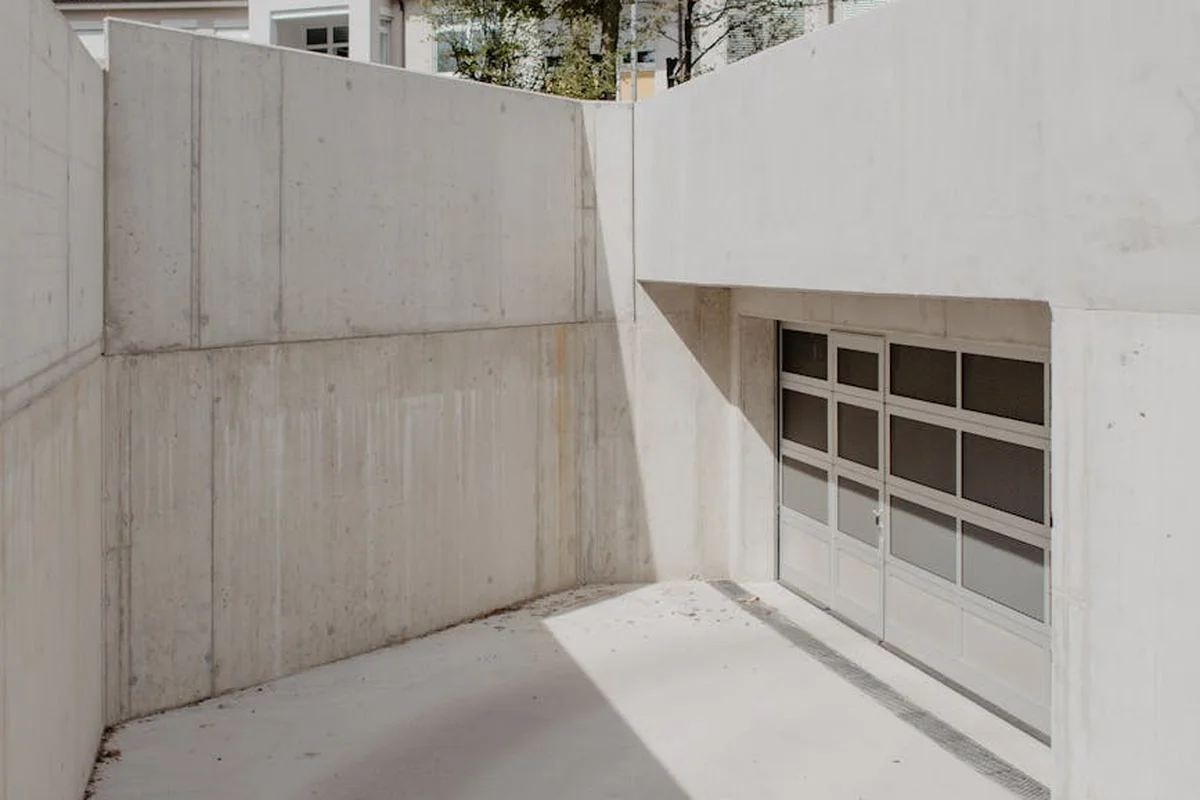
A smooth garage door repair starts with having the right gear on your bench. I keep a dedicated toolbox for this work. You’re not just tightening a loose screw; you’re adjusting heavy tracks under tension, cleaning years of grit, and ensuring everything moves in a straight line. Having proper tools makes the job safer and gets a longer-lasting result.
Essential Hand Tools
Your basic mechanics’ set gets you 90% of the way. For the bolts on garage door brackets and track, a quality socket wrench set is my first reach. An adjustable wrench is handy for the odd-sized nut, but sockets give you better torque and are less likely to round things off.
You need both flat-head and Phillips screwdrivers. The motor unit and safety sensors are held in place with screws, and you’ll need them for removing light covers or adjusting limit switches.
A rubber mallet is your best friend for gently persuading a bent track section back into alignment without damaging the metal. Never use a steel hammer here.
Do not skip the 4-foot level. When I hear a door is sticking or running rough, the first thing I check is track plumb and level. A short level won’t give you an accurate reading over the long run of the track. This one tool can diagnose a huge number of problems.
Specialized Supplies and Safety Gear
The right lubricant stops the squeaks. I use only a silicone-based spray lubricant designed for garage doors. It doesn’t attract dirt and dust like petroleum-based oils or WD-40, which can make things gummier over time. Keep a clean rag and a stiff parts brush nearby to wipe away old grease and grime before you apply new lube.
Safety is non-negotiable. Wear safety glasses when you’re under the door or brushing debris from the track. Heavy-duty work gloves protect your hands from sharp metal edges and pinching points.
You might see “garage door fix kits” for sale. In my experience, these are usually just a bag of generic replacement rollers and a few hinges. A quick look at our garage door parts terminology replacement guide can help you choose the right parts. It’s smarter to diagnose your specific problem first; you often only need a $5 tube of lubricant, not a $40 kit of parts you may never use. If a roller is truly shattered, then buy the specific replacement roller for your door.
Your Garage Door Maintenance & Cleaning Routine
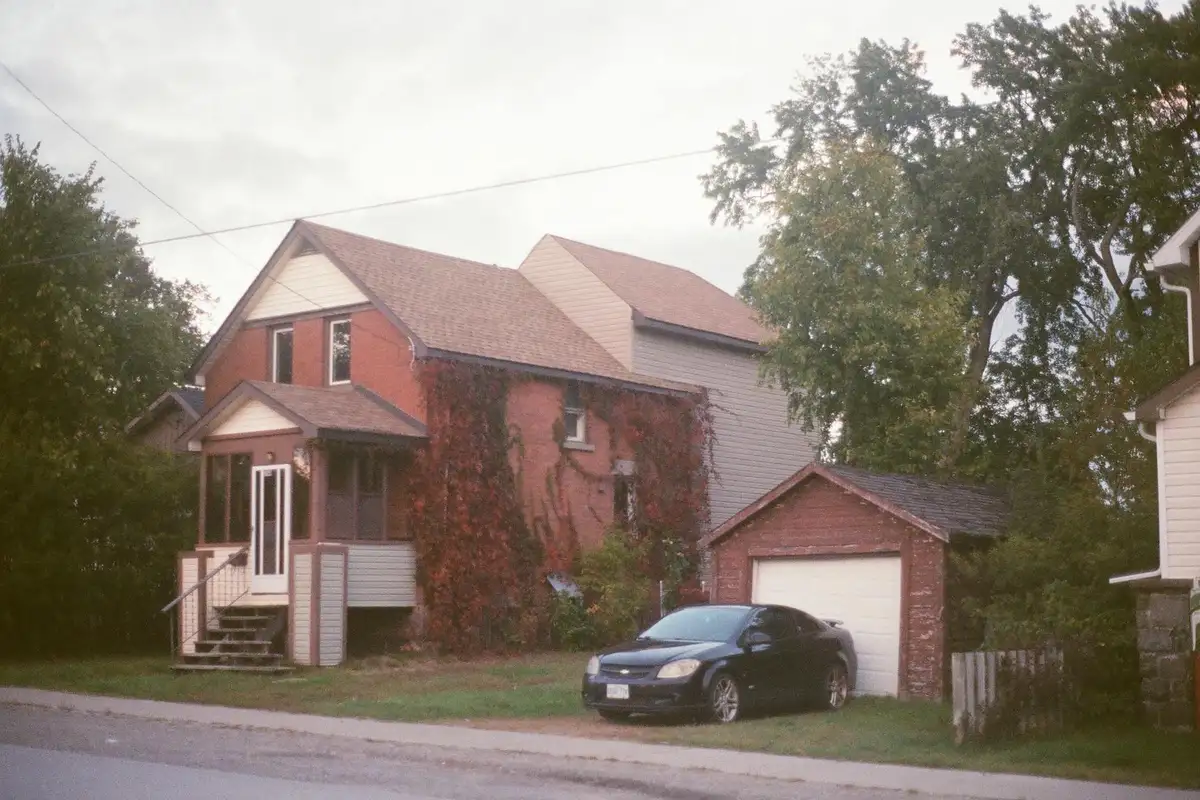
The best way to fix a garage door problem is to stop it from happening in the first place. I tell every homeowner I work with that consistent, simple maintenance makes expensive, sudden repairs rare. Think of it like changing the oil in your car; a small, scheduled task prevents a major engine failure. Proactive care is the most effective and cheapest garage door fix you can perform.
Twice-a-Year Deep Clean and Inspection
I do this every spring and fall, without fail. It takes me about 30 minutes per door now, but it will take you a bit longer the first time as you get familiar. This routine addresses the root causes of sticking, squeaking, and premature wear.
First, safety is non-negotiable. Unplug the garage door opener from its power outlet. This prevents the door from activating while your hands are near the tracks and rollers. If you ever need to manually open the garage door, you can use the emergency release to disengage the opener. We’ll cover the manual steps in the next section.
- Clean the Tracks: Use a vacuum with a brush attachment, like my Stinger Cordless Wet/Dry Vac, to suck out dirt, dead bugs, and cobwebs from the inside of the vertical and horizontal tracks. Then, wipe the tracks down with a damp rag. For stubborn grime, I use a little Simple Green cleaner. A clean track is the single biggest factor in preventing a sticking door.
- Inspect the Hardware: With a good flashlight, look closely at every roller and hinge. Nylon rollers can develop flat spots or cracks; metal rollers can get pitted. Hinge brackets can become bent. If you see any damage, note it for replacement. This visual check often explains a new grinding noise.
- Lubricate: This is where many people use the wrong product. Do not use WD-40 (the classic blue can) or thick grease. They attract dust and gum everything up. I use WD-40 Specialist Dry Lube with PTFE. It’s a spray that dries to a clean, protective film. Spray a small amount onto each roller’s stem and bearing, and on the hinges. Then, manually move the door up and down a few times to work it in.
- Check Cables and Springs: From the ground, look at the lift cables on either side of the door. Do you see any strands fraying, like a worn-out rope? Look at the torsion spring above the door (the long, coiled spring on a bar) or the extension springs on the sides (the long springs that stretch). Do you see any gaps in the coils? If you see cable fraying or a broken spring, stop. Do not touch them. This is the time to call a professional. The energy stored in these parts is extremely dangerous.
After your inspection, plug the opener back in and run a full cycle. Listen. The door should operate more smoothly and quietly than before.
Monthly Quick Checks
This is your five-minute early warning system. I do it on the first weekend of the month. It’s not about fixing, it’s about noticing.
- Listen for New Noises: When you open or close the door, pay attention. A new squeak often means a hinge needs lube. A new grind or rumble points to a roller failing. Catching a noise early means a ten-cent squirt of lube instead of a $150 service call.
- Test the Auto-Reverse Safety Sensors: Put a cardboard box or a roll of paper towels on the floor in the door’s path. Close the door. The bottom of the door should touch the object and immediately reverse back open. If it doesn’t, the sensors are misaligned or dirty. Wipe the sensor lenses with a soft cloth and check that nothing is blocking the beam between them.
- Check the Weather Stripping: Look at the rubber seal along the bottom of the door. Is it cracked, torn, or missing chunks? Peer at the weather seal on the sides of the door frame. These keep out drafts, water, and pests. A small tear you fix today with rubber cement prevents a big water stain on your floor next season.
This monthly habit takes almost no time, but it trains you to spot small changes before they turn into a door that won’t open on a rainy night. It puts you in control of your garage’s biggest moving part.
When NOT to Try This: Limits of DIY Garage Door Repair

I love empowering homeowners to handle their own fixes. But a garage door is a large, heavy object under extreme tension, and recognizing your limits is the most important repair skill you can have. Let’s directly tackle the common questions I hear in the shop.
You might ask, “do I need a new garage door?” or “can a cracked garage door be repaired?” The honest answer is: it depends entirely on the damage and your door’s age. A small, superficial dent in a steel panel is one thing. A cracked wooden panel or a badly bent track is a different story. Your primary goals must always be personal safety and code compliance.
Spring Repairs Are For Professionals Only
This is non-negotiable. The torsion spring mounted above your door is wound with enough tension to lift several hundred pounds. If that spring breaks or a winding cone slips while you’re working on it, the released energy can cause severe injury, property damage, or worse. I treat these springs with the same caution I would a loaded gun.
I use specialized winding bars-two long, solid steel rods-when I service springs. An amateur trying to use screwdrivers or makeshift tools is asking for trouble. The risk isn’t just during a break. Adjusting the spring tension to balance your door requires precise calibration. This is the number one time to call a pro, no exceptions.
Structural Damage and Major Component Failure
Not every part of a garage door can be patched. You need to know when a repair is a waste of money and a safety risk.
Take a cracked panel. On a modern steel door, a crack often means the internal structure is compromised. You can’t just glue or weld it. The panel will be weak and could fail. For a sectional door, you can sometimes replace a single panel, which I’d still recommend a pro for due to spring tension. On a very old door, a single new panel might not match, making full replacement the smarter choice.
A badly bent or misaligned track section is another red flag. You might get it somewhat straight with a rubber mallet and a level, but if the steel rail has a sharp kink, it will never guide the rollers smoothly again. This constant friction wears out everything else. Replacing a long track section is a precise, two-person job that involves fully supporting the door’s weight.
For renters wondering, “does landlord have to fix garage door?”, the answer is generally yes. A non-functional garage door is a habitability and security issue in most jurisdictions. Report it in writing immediately. Do not attempt a major repair on a property you don’t own.
What About Garage Door Opener Gears?
This is a common point of confusion, and I have direct experience here. Many modern openers, like those from Chamberlain or LiftMaster, use a plastic gear as a deliberate “failsafe.” After years of use, this gear strips out. The motor runs but the door doesn’t move.
Replacing these worn plastic gears is a middle-ground DIY job if you are comfortable with basic mechanical work and can follow a guide for your specific model. I’ve done it on my own opener. You must unplug the unit, remove the cover, and carefully swap the gear assembly. The kit for my model was about $25 from the manufacturer. The trickiest part for me was using a punch and hammer to tap out a stubborn retaining pin. A pro would charge a standard service-call fee.
But if the motor itself is dead-you hear no hum or buzz at all when you press the button-the whole unit usually needs replacing. Diagnosing a burned-out motor capacitor is possible, but at that point, especially with an older opener, upgrading to a newer, quieter model with better safety features is often the more reliable path.
Understanding Garage Door Repair Costs and When to Call a Pro
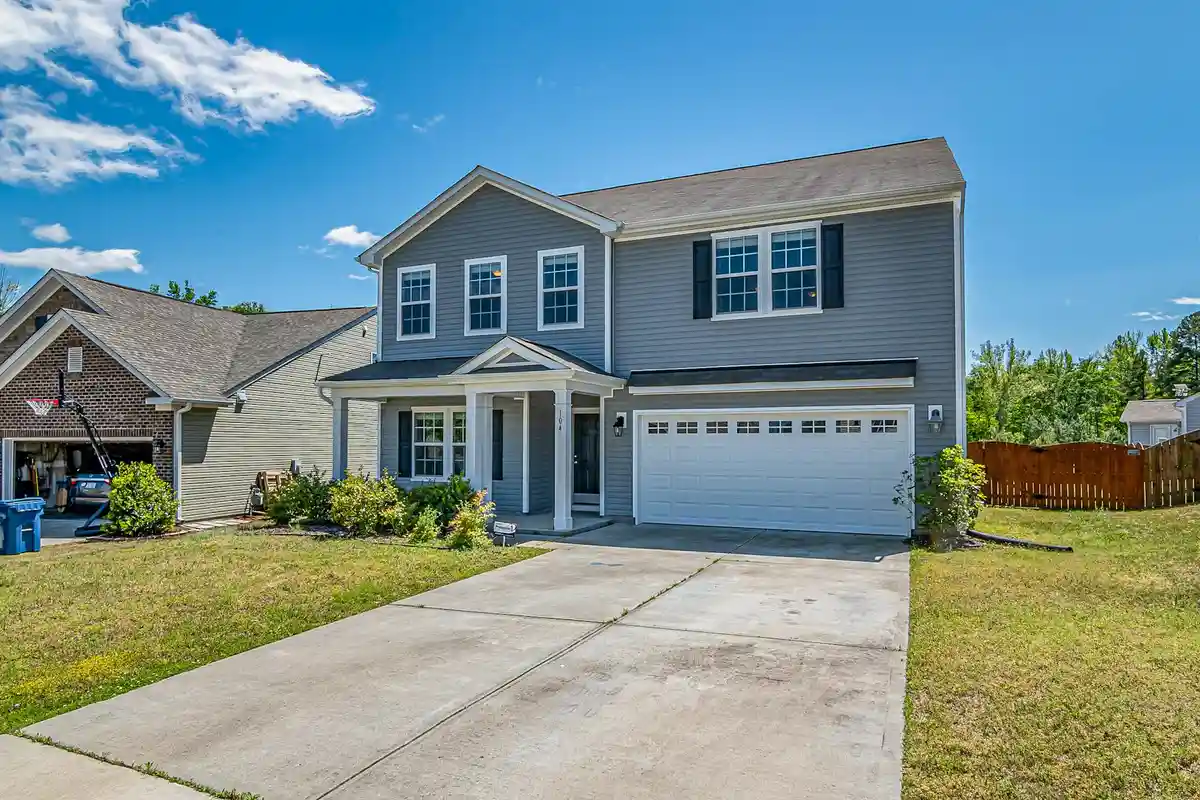
Before you grab your tools, it’s smart to know what you’re getting into. People often search for “garage door fix cost” because they’re worried about a surprise bill. A good understanding of costs helps you decide between a DIY afternoon and calling a professional. Getting a few estimates is the best defense against overpaying for any repair.
What Do Common Repairs Typically Cost?
Costs vary by region and door size, but I can give you honest, shop-tested ballpark figures. I keep a running log of job costs from my own work and talking with other pros.
Let’s compare three common fixes:
- Roller Replacement (Low Cost, High DIY): A full set of 10 standard nylon rollers costs about $40-$60. Steel rollers are a bit more. This is a great DIY job. A pro might charge $150-$250 total. I always recommend nylon rollers; they’re quieter and don’t need lubricating like the old steel ones.
- Torsion Spring Replacement (Higher Cost, Always Pro): This is not a DIY task. The springs are under extreme tension and can cause serious injury. For a standard two-car garage door, expect a professional replacement to cost between $250 and $450, including labor and parts. This is the one repair I tell every homeowner to leave to a licensed technician.
- Safety Sensor Realignment (Low Cost, Often DIY): This fix usually costs nothing but your time. If a pro comes out just for this, they might charge a $75-$100 service fee. I’ve fixed countless sensors just by gently adjusting their brackets so the little green lights are solid.
If the “garage door fix cost” in a single quote seems high to you, get two more estimates. Prices should be in a similar range for the same scope of work. Understanding garage door cost prices helps you compare quotes more accurately. It also helps you budget and spot unusually high or low estimates.
How to Find a Reliable Garage Door Technician
When your search turns up dozens of “garage door fixers in my area,” you need a system to vet them. I’ve been on both sides of this, as a homeowner hiring help and as a pro getting calls. That’s where a legitimate garage door repair company comes in—look for transparent pricing, licensed technicians, and real customer reviews. In the following steps, I’ll outline how to verify these signs before you hire.
Follow these steps:
- Check for Proper Credentials: A legitimate company will have a state-required license (check your local regulations) and liability insurance. Don’t hesitate to ask for proof.
- Dig Into Local Reviews: Go beyond the star rating. Read the actual reviews on Google or Nextdoor. Look for comments about punctuality, clarity in explaining problems, and fair pricing.
- Ask the Right Questions: When you call, ask: “Do you offer a free, written estimate?” and “What is your warranty on both parts and labor?” A trustworthy pro will answer these easily.
A reputable technician will diagnose the issue in front of you and explain your options, much like I’m trying to do in this guide. If they’re vague or pushy, thank them for their time and call the next name on your list.
When “Garage Door Fix Near Me” is the Best Search
That general search will get you national chains and maybe some regional players. For better results, get specific. Search for “garage door repair” along with your actual town or neighborhood name. This focuses the results on local, often family-owned, businesses.
These local pros live in your community. Their reputation is everything. They’re more likely to offer personalized service and might even recognize your door model from working on others in your subdivision. Finding a good local technician means you have a reliable number in your phone for the next time something goes wrong, and in my experience, that peace of mind is worth the extra bit of searching.
Garage Care Pro FAQ: Your Quickfire Questions, Answered
How do I vet online reviews for a garage door repair company?
Look beyond the star rating. Read detailed reviews mentioning punctuality, clear explanations, and fair pricing on platforms like Google or Nextdoor. A pattern of positive comments about professionalism and warranty offerings is a strong green light.
Are “garage door fix kits” from the hardware store worth buying?
Often, no. These kits typically contain generic parts you may not need. It’s smarter to diagnose your specific issue first; usually, a quality lubricant or a single, specific replacement part is all that’s required, saving you money and clutter.
My search shows “garage door fix ct” – does service cost more in certain areas?
Yes, labor rates and operational costs vary by region, which will be reflected in quotes. However, the relative cost of common repairs (like springs vs. rollers) compared to each other should remain consistent. Always get 2-3 local estimates to gauge the fair market price in your area.
When I search “garage door fixers near me,” what separates a good pro from a bad one?
A reputable technician will provide a free, written estimate and clearly explain the required work and warranty. They should be licensed and insured. Avoid anyone who is vague on details, pressures for an immediate decision, or refuses to put the quote in writing.
Keeping Your Garage Door Reliable and Safe
The most reliable garage door is one that gets your attention before it demands your time with a breakdown. Consistent, simple maintenance is the single most effective way to prevent the vast majority of common garage door problems. Keep these points in mind: always lubricate the metal rollers and hinges with a dedicated garage door spray, check your safety sensor alignment with a simple cardboard box, treat the high-tension springs as a job strictly for certified professionals, and listen to your door-new noises or hesitation are its way of asking for help. For broader support, many homeowners rely on common garage door repair maintenance services for diagnostics and regular tune-ups that keep everything in good working order.
Research and Related Sources
- r/washingtondc on Reddit: Garage Door Company Recommendations for DC
- Garage Door Repair Washington DC – (202) 301-8574 – Low Price!
- TOP 10 BEST Garage Door Repair in Washington, DC – Updated 2025 – Yelp
- Garage Door Repairs – Find Garage Door Repair Services Near Me
- DC Garage Door | Garage Door Services Washington DC