
Steel or Wood Garage Door: Which Lasts Longer and Looks Better?
Choosing between a steel or wood garage door often feels like picking between a practical workhorse and a showpiece, leaving you unsure which material truly fits your home and budget. I will help you cut through the hype by comparing them based on my years of hands-on installation and maintenance.
This guide breaks down the real-world pros and cons, covering long-term durability in your climate, the actual maintenance each requires, upfront and lifetime cost differences, and how each material impacts your home’s curb appeal.
I have installed, repaired, and maintained hundreds of both types over fifteen years, so my advice comes from the shop floor, not a sales brochure.
What You Need to Know Before You Shop
The biggest choice isn’t steel or wood. It’s about your money now versus your time and money later.
You pay more upfront for a wood door, but you commit to regular maintenance; a steel door costs less initially and asks for very little over its life. I’ve seen homeowners surprised by the ongoing cost of stain, sealant, and repairs on a wood door they fell in love with at the showroom.
Your local weather makes this decision for you. In coastal areas with salt air, or places with high humidity and big temperature swings, steel is the clear, durable winner. I’ve replaced rotted bottom panels on wood doors in Florida that were only eight years old. Conversely, in a stable, dry climate, a well-kept wood door can last beautifully.
Think about installation safety. A single-car steel door section might weigh 80-100 pounds. A similar wood section can easily be 150 pounds or more. If you’re considering a DIY install, the weight and unwieldy nature of wood doors make professional installation a much safer, smarter choice. I use a Genie GWSD1000 door stand for steel doors, but I bring in a second person and specialized lifts for heavy wood units.
Finally, be honest with yourself. Does the classic, authentic look of wood match your home’s style enough to justify staining it every other year? Or does the low-maintenance, clean look of steel better match your lifestyle? There’s no wrong answer, only the right one for your house and your habits.
Steel and Wood Garage Door Basics
Let’s break down how these doors are built. Most modern steel doors aren’t just a sheet of metal. They have galvanized steel skins-the outside layer is treated to resist rust. Inside, the cavity is filled with polyurethane foam that expands to stick to both skins. This creates a rigid, insulated panel.
The thickness of the steel, called the gauge, is a key indicator of quality and durability. A lower gauge number means thicker steel. Residential doors are typically 24-gauge or 25-gauge. I always recommend 24-gauge for its resistance to dents; it’s worth the small upgrade. Brands like Clopay and Amarr offer good options in both gauges.
Wood door construction is different. You’ll find doors made from cedar, which is naturally insect-resistant, or hemlock, which is straighter-grained and often painted. The style is a major factor. A raised-panel door is common, but the popular carriage-house style mimics old-fashioned swing-out doors.
Be sure to ask if the door is solid wood or composite wood construction. Solid wood is gorgeous but can warp. Composite doors, like those from Haas Door, use wood strands bonded with resin for more stability. They still have a real wood veneer you can stain, but they hold up better to weather changes in my experience.
Why focus on just steel and wood? Aluminum is lightweight and rust-proof but dents incredibly easily. Fiberglass can crack in cold climates. For most homeowners, steel provides the best blend of durability and value, while wood offers unmatched traditional style for those willing to care for it.
The Real-World Durability Verdict

In my shop, I’ve repaired both materials more times than I can count. The type of damage you’ll face is completely different.
A steel door takes a hit from a bike handle or a rogue soccer ball and it dents. It’s a surface deformation. I’ve fixed plenty with a suction cup dent puller from a company like Lisle. You can often pop it out and touch up the paint. A wood door in the same collision? It’s more likely to crack, split, or get a deep gouge. Fixing wood damage usually means filling, sanding, and re-staining an entire section, which is a much more involved repair to get looking right.
Rust Versus Rot, and Other Annoyances
Both materials have a natural enemy. For steel, it’s moisture leading to rust, especially on the bottom edge or where the paint chips. A good galvanized steel door with a baked-on polyester finish (like from Clopay or Haas) fights this well. For wood, the enemy is rot from sustained moisture. This is why I tell every wood door owner that flawless sealing on all six sides of every panel is non-negotiable.
Other failures happen too. On cheaper steel doors, I’ve seen the paint “oil-can” or look wavy in the sun as the metal expands. On wood, the big issue is warping. If one panel warps, the whole door can bind and stick. Preventative care is your best defense: keep steel painted and sealed, and keep wood meticulously stained and sealed.
Strength, Weight, and Your Opener
People often ask which is stronger. Structurally, a well-built, insulated steel door is incredibly strong and rigid, making it excellent for high-wind areas. Wood is plenty strong, but its strength can be compromised by the elements over time. The bigger practical difference is weight, especially when comparing insulated versus traditional garage doors.
A solid wood door is heavy, often requiring a more robust garage door opener like a Chamberlain B750 or LiftMaster 8500 wall-mount jackshaft model. A standard steel door is lighter and easier on a typical chain-drive opener. Always check your opener’s lift capacity against the door’s weight; it’s a simple spec sheet check that prevents costly motor burnout due to excessive power demands.
Realistic Lifespan With Care
In a typical mixed climate with proper upkeep, here’s what I’ve observed. A quality insulated steel door, with its paint touched up every 5-8 years and hardware kept lubricated, can easily last 30 years or more. A premium wood door, with a full re-seal and stain job every 2-4 years, can have a similar lifespan, but it demands that consistent attention. Neglect a wood door, and you’ll see problems in a decade.
Style and Customization: What Can You Really Get?
This is where the choice gets fun. Modern manufacturing has blurred the lines.
Today’s better steel doors have embossed wood-grain textures that are surprisingly convincing. Brands like Clopay’s Coachman line or Amarr’s Cambridge series use stamped steel and multi-layer paint finishes that catch the light just like real wood grain from a few feet away. For about half the cost of real wood, you get 90% of the visual appeal with a fraction of the maintenance. It’s a fantastic option for most homes.
But real wood has a feel and depth that is impossible to fully replicate. You can run your hand over a cedar or hemlock door and feel the grain. More importantly, you can stain it any color. Want to match your front door’s exact cherry stain? You can. Want to go from a dark walnut to a light oak in five years? You can sand and re-stain. The customization with real wood is limited only by your stain sample deck.
Windows, Hardware, and Future Changes
Both materials offer extensive window and hardware options. Inserting windows into a steel door is straightforward at the factory. With wood, it’s a classic craftsman’s task. The real flexibility comes later. Changing the handles, hinges, or decorative strap hardware is simple on either door. However, if you ever want to change the door’s fundamental color, steel requires a full repaint, while wood can be sanded and re-stained, which many find to be a cleaner, more forgiving process.
Matching Your Home’s Style
Think about your home’s architecture. For a clean, modern look, a flush steel door with rectangular windows is a perfect, low-maintenance fit. For a traditional or colonial home, a steel door with raised panels and a wood-grain finish works beautifully. For a craftsman bungalow, a rustic farmhouse, or a coastal home, the authentic character of a real wood door-especially in cedar or with crossbuck detailing-is often worth the extra effort. It becomes a defining feature of your home’s curb appeal.
The Required Maintenance & Cleaning Routine

A garage door is a moving part of your home, and like any machine, it needs regular care to last. The routine for steel and wood doors is very different. A steel door is about protecting a finish, while a wood door is about preserving the material itself. I’ve seen both types fail from neglect, and I’ll show you how to avoid that—so you don’t fall for common garage door myths.
Keeping a Steel Garage Door Looking New
Steel doors are low-maintenance, but “low” doesn’t mean “none.” The enemy is rust, and you stop it with a simple cleaning and inspection routine twice a year, ideally in spring and fall.
- Wash it down. Use a bucket of warm water with a squirt of a mild, phosphate-free dish soap like Dawn. A long-handled car wash brush or a soft microfiber mitt works best. Start at the top and work down, rinsing each section with a garden hose (not a pressure washer) before the soap dries. The goal is to remove dirt and road salt, which hold moisture against the steel.
- Inspect for chips. Once the door is dry, look closely at the bottom panel and along the edges for tiny paint chips or scratches. This is where rust starts. For small spots, I’ve had good results with Rust-Oleum spray paint and a small artist’s brush. Lightly sand the area with 220-grit sandpaper, clean it with rubbing alcohol, and dab on the paint. Let it dry completely.
- Lubricate the moving parts. Steel doors are heavy, so their hinges, rollers, and torsion spring need proper lubrication. I use a white lithium grease spray for the spring and a silicone-based lubricant for the hinges and rollers. Spray a small amount on the hinges and the roller pins, then run the door up and down a few times to work it in. Never use WD-40 as a lubricant; it’s a water displacer and will dry out, leaving the parts squeaky and prone to wear.
Caring for a Wood Garage Door
A wood door requires a more watchful eye. It’s a living material that reacts to sun, rain, and humidity. I treat mine with an annual inspection and a refresh of the protective finish every few years.
Every spring, I do a thorough inspection with this checklist:
- Run your hand over the panels. Feel for warping, where a panel might bow in or out.
- Look for cracks or splits along the grain, especially near the joints.
- Check the sealant or caulk around the windows and the perimeter of each panel. Is it cracked or peeling away?
- Press on the finish. If it feels chalky or powdery, the protective layer is gone.
To clean it, you must be gentle. Mix 1/4 cup of a gentle cleaner like Murphy Oil Soap into a gallon of warm water. Use a soft cloth or a sponge to wash a section, then immediately rinse with clean water from a bucket or a very gentle hose spray. Never let soapy water sit on the wood, and never scrub with a stiff brush.
Re-staining or resealing is not an optional task; it’s the only thing preventing rot. For a stained door, you’ll likely need to re-stain and seal every 3-4 years. I prefer an oil-based, exterior-grade stain like Cabot or Ready Seal for deeper penetration. For a painted or sealed door, a fresh coat of a high-quality exterior acrylic latex paint or solid-body stain every 5-7 years does the job. Sand lightly, clean thoroughly, and apply the finish on a dry, overcast day.
Comparing Garage Door Costs: Upfront and Over Time
When clients ask me about cost, I tell them to think beyond the price tag on the door. You’re buying a long-term relationship with maintenance, potential repairs, and energy bills.
For a standard double-car garage door with professional installation, you’re looking at a clear split. A basic, non-insulated steel door starts around $1,000 to $1,500. An insulated steel door, which I recommend for any attached garage, runs $1,500 to $2,500. A true custom wood door, like one made of cedar or mahogany, typically starts at $4,000 and can easily reach $10,000 or more for high-end designs. These figures illustrate how garage door cost prices vary by material and feature. Knowing the typical price ranges helps you plan your budget and compare options as you shop.
The long-term costs tell the real story. For my steel door, my annual maintenance cost is about $20 for a can of lubricant and some touch-up paint. A wood door requires stain or sealant, brushes, cleaners, and more of your time. If you hire a pro to sand and re-stain a wood door every few years, you could be adding $500 to $1,000 to your maintenance budget each time.
For home value, a handsome, well-kept wood door can be a stunning curb-appeal feature. But a dented, rusting steel door or a peeling, warped wood door hurts your home’s look equally. On energy efficiency, the winner is clear: a modern, polyurethane-insulated steel door has an R-value (insulation rating) of R-16 to R-18. Most wood doors, unless specially built with an insulated core, have an R-value closer to R-5 or R-6, similar to the wall of your house.
This cost dynamic isn’t unique to doors. It’s the same choice you face with a pole barn or home framing (steel siding vs. wood). Steel is a predictable, lower-maintenance material cost, while wood offers natural beauty at a premium price that demands ongoing care to retain its value.
My Pro Recommendation and What I’d Install
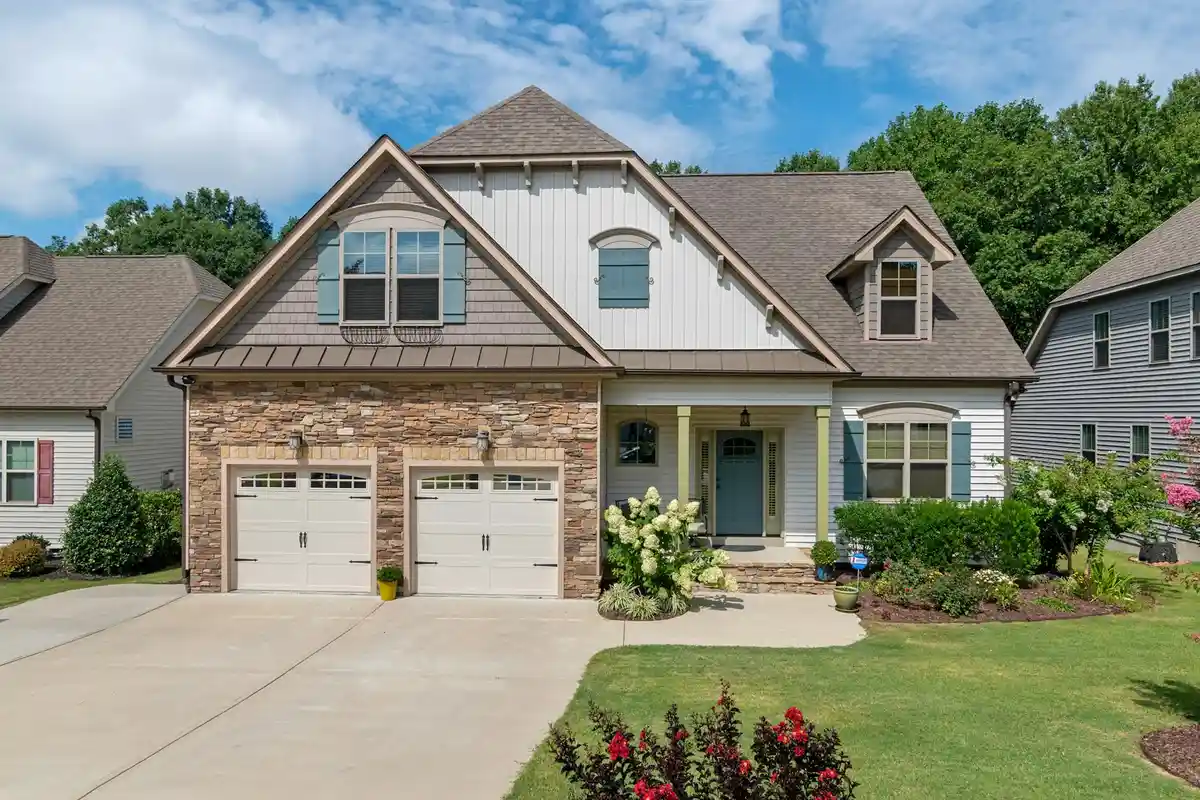
For nine out of ten homes I work on, my recommendation is a steel garage door. It’s the reliable, low-fuss workhorse. For the classic home where curb appeal is the top priority and you don’t mind the upkeep, a wood door is a beautiful, worthwhile investment — especially for historic homes.
Choose a steel door if your main goals are durability, security, and minimal maintenance. This is the right call for busy families, harsh weather climates, and modern or suburban homes. You get excellent value for your money.
Choose a wood door if authentic style and custom character for your home are non-negotiable. This fits traditional, craftsman, or high-end homes where you’re willing to treat the door like a fine piece of exterior furniture that needs regular care.
Specific Products I Trust
When I install steel doors for clients, I look for a 24-gauge steel exterior skin. It’s the sweet spot: thicker than the flimsy 28-gauge you might find on budget models, so it resists dents from bikes or wayward basketballs, but it won’t break the bank. Brands like Clopay and Amarr offer good options in this category. I always insist on a door with a bonded, polyurethane foam core. It’s not just for insulation; that solid core makes the door incredibly rigid, quiets operation, and adds a satisfying, substantial feel.
For wood, I steer clients toward a true cedar door. Cedar’s natural resistance to rot and insects makes it the best performer. The critical step is the finish. I recommend a high-quality, opaque stain with UV inhibitors, not a thin, clear sealant. Think of it like sunscreen for your door; it blocks the sun’s rays that cause the wood to gray and crack. A brand like Sikkens Cetol makes excellent, durable products for this. Plan to re-coat it every two to three years.
A Lesson from a Warped Door
I learned the “buy once, cry once” lesson on a job years ago. A homeowner had a beautiful, stained wood door on a south-facing garage. It looked stunning. After about four years, they called me because it was sticking and wouldn’t seal at the bottom. The issue? The seasonal expansion and contraction had taken its toll, and the door had warped slightly. The previous owner had used a basic deck sealant, which didn’t hold up. We had to carefully plane the bottom rail and completely strip and re-stain the entire door with a proper system. The repair bill was almost half the cost of a new door, a tough lesson in the long-term commitment of wood. That experience cemented my view: if you go wood, you must commit to its maintenance schedule from day one.
A Non-Negotiable Safety Note
This isn’t a DIY suggestion; it’s a requirement. Both steel and wood doors are extremely heavy, and the spring system that counterbalances them is under immense tension. A garage door spring can cause severe injury or death if handled incorrectly. I’ve seen professionals get hurt. The installation and any future spring repairs are strictly for trained technicians with the proper tools and liability insurance. Your job is to choose the material and find a qualified installer-let them handle the dangerous part. It’s the only responsible way. Even routine spring replacement carries serious risk. A mis-tension or sudden release can cause severe injury.
Garage Door Material FAQ: Steel vs. Wood
Is a steel or wood front door a similar choice to a garage door?
Yes, the core trade-off is identical. A steel front door offers superior security, insulation, and minimal upkeep. A wood front door provides unparalleled classic beauty but requires a strict regimen of staining and sealing to prevent weathering, just like its larger counterpart.
For a barndominium or pole barn, do the steel vs. wood lessons apply?
Absolutely. The principle is the same: steel siding and roofing provide a lower lifetime cost with almost no maintenance, while wood offers a traditional aesthetic at a higher upfront price and demands regular treatment to prevent rot and insect damage.
You mention strength-is a steel garage door actually stronger than wood?
In terms of structural rigidity and resistance to bending or warping, a quality insulated steel door is superior, making it my choice for high-wind areas. Wood has excellent tensile strength but is more vulnerable to having that strength compromised over time by moisture, leading to rot or warping that weakens the structure.
Should I use the same logic for my deck’s framing material?
Professionally, it’s a different calculation. For deck framing, pressure-treated wood is the standard, cost-effective choice. Steel framing is more expensive and specialized but offers unmatched resistance to rot and insects-consider it if you’re building in a very wet climate or want a maintenance-free sub-structure, accepting the higher initial investment.
If I have a wood-framed garage, does that mean I need a wood door?
Not at all. The framing of your garage and the material of the door are independent choices. Match the door to your maintenance willingness and style goals, not the wall studs. I install steel doors on wood-framed garages every single day-it’s the standard and works perfectly, regardless of garage wall framing.
Final Decision on Garage Door Material
After years in the shop, my top advice is this: choose your garage door based on your willingness to maintain it and the style that complements your home. Here are the key points to remember:
- Steel doors, like those from Clopay or Amarr, are tough against dents and need only a quick hose-down, which I prefer for most families.
- Wood doors, such as cedar or fir, offer timeless looks but demand annual sealing-I’ve spent many weekends helping clients re-stain them.
- Always match the material to your climate; steel handles salt air better, while wood can warp in high humidity.
- Have a licensed pro install it. I use my own impact driver and level to ensure it’s square and safe, preventing spring failures.
Sources and Additional Information
- Wood vs. Steel Garage Doors | AAA Garage Door
- Wood vs Steel Garage Doors: Which is Best? | A Better Door
- Benefits of Wood Garage Doors vs Steel Garage Doors – Creative Door Services
- Wood vs Steel Garage Door – Pros, Cons, Comparisons and Costs | Fixr.com
- Simulated vs Real Wood Garage Door….Which do you suggest? | The Garage Journal
- Wood Garage Doors vs. Steel Garage Doors