
Will Your Garage Ruin Your Furniture and Wood?
You bring a good piece into the garage, only to find it warped or moldy months later. I’ll show you how to stop that from happening with a straightforward storage plan.
This guide walks you through the process, covering prepping wood and furniture for storage, controlling your garage’s climate, and organizing for maximum airflow.
My advice comes from years in the garage, fixing the exact moisture and spacing mistakes that damage stored items.
Why Your Garage is a Danger Zone for Furniture and Wood
Think of your garage like a shed, not your living room. The temperature and humidity change with the weather outside. This is a problem for wood, especially if you are using your garage as a woodworking shop.
Four main enemies attack your stored items: humidity, temperature swings, pests, and physical damage. Humidity makes wood swell. Then, when the garage heats up, that moisture evaporates and the wood shrinks and cracks. This cycle of swelling and shrinking is what causes warping and splits.
Damp wood also grows mold and attracts pests like powderpost beetles or carpenter ants looking for a home. A stray basketball or a falling shovel can dent and scratch your pieces.
Your job isn’t to control the whole garage, it’s to build a protective bubble around your wood.
The First Step: What to Do Before Anything Goes in the Garage
Never move a dirty piece of furniture or a stack of wet lumber into storage. You are just locking in problems. This prep work is non-negotiable.
Start with the garage itself. Sweep the floor completely. Look for water stains on walls or floors that signal leaks you must fix. Clear a dedicated space off the ground. I use concrete blocks or a simple 2×4 frame to keep everything elevated. This setup helps prevent garage flooding and water damage by keeping items off damp floors. Regularly check drainage and seal gaps to prevent costly repairs later.
A clean, dry, and prepared garage space is the foundation of safe storage.
Cleaning and Treating Wood Furniture
Here’s my shop method for cleaning furniture. You’ll need a bucket, warm water, Murphy Oil Soap (the diluted kind in the spray bottle is fine), and clean, lint-free cloths. Avoid all-purpose cleaners, they can damage the finish.
- Dust the piece thoroughly with a dry cloth.
- Mix a small amount of Murphy’s with warm water in your bucket. Dampen a cloth in the solution, wring it out until it’s just barely wet.
- Wipe the furniture following the wood grain. Work on one section at a time.
- Immediately dry the section with a second clean, dry cloth.
- Let the piece air dry completely for 24 hours in a dry space before moving it.
Applying a fresh coat of a paste wax, like Minwax, can add a protective barrier. I do this for my nicer pieces. The wax seals the wood, but it is extra work. A polish just makes it shiny and won’t help much in storage.
Avoid silicone-based “dusting” sprays. They create a film that can actually seal moisture against the wood, leading to cloudiness and damage.
Inspecting and Preparing Raw Lumber
Raw wood needs different care. First, check for moisture. You can buy a basic pin-type moisture meter for about $30. For indoor furniture projects, you want wood under 8% moisture content. If it’s higher, it needs to dry more before long-term storage.
To prepare boards for storage, you “sticker” them. This means placing uniform spacers between each board in a stack so air can flow on all sides.
- Use dry, 1×1 inch strips of wood as stickers.
- Place stickers every 16 to 24 inches along the length of the boards.
- Make sure every sticker is directly above the one in the layer below, creating solid columns. A wobbly stack can cause bows and twists.
Finally, brush off all sawdust and bark with a stiff brush. Sawdust is a welcome mat for bugs. A clean, stickered stack is your best defense. It’s especially important when you’re trying to keep bugs and pests out of your garage.
Stickering is not optional for raw lumber. It’s how you prevent costly warping and ruin.
The Right Way to Store Finished Furniture
Think of storing furniture in your garage not as dumping it, but as building a protective system. This system has three layers: elevation, covering, and positioning. Get all three right, and your pieces will come out looking as good as they went in.
Get It Off the Concrete Floor
Placing furniture directly on a concrete slab is a sure path to damage. Concrete constantly wicks moisture from the ground, so leaving wood or upholstery on it is like forcing it to stand in a cold, damp puddle all year long. That moisture leads to warped wood, rusted hardware, and moldy fabric.
You need a physical barrier. I’ve had excellent luck with simple, DIY pallets made from pressure-treated 2x4s. They’re cheap, keep items several inches off the ground, and allow air to flow underneath. For a faster solution, rigid plastic storage platforms like the ones from Husky or HDX work well. Standard metal shelving units are another great option for stacking boxes or smaller items. Even a plastic tarp laid on the floor isn’t a complete fix, as moisture can still condense on top of it and get trapped, creating a wet blanket under your stuff.
Choose Your Cover Wisely: Breathable is Best
The biggest mistake I see is people draping plastic sheeting or a vinyl tarp over their furniture. This creates a “sweat tent” that traps every bit of humidity against the surface. Within a season, you’ll likely find a fuzzy coat of mold.
You need a breathable cover. I recommend heavy-duty canvas or a poly-cotton blend fabric. These materials shield from dust and light while letting moisture vapor escape. Brands like Duck Covers or Grizzly make durable ones in various sizes. For an heirloom dresser or table with a delicate finish, I take an extra step: I first wrap it in a soft, old cotton bedsheet, then put the canvas cover over that. The cotton adds a gentle buffer and helps manage condensation.
Strategic Placement in the Garage
Where you put the furniture matters as much as how you prep it. Keep pieces at least a foot away from exterior walls and windows. These areas have the biggest temperature swings, which cause condensation to form. You also need to plan for airflow. Don’t shove everything into a corner. Leave a few inches of space between pieces so air can circulate around them, which helps keep everything dry. Never stack heavy items on top of delicate furniture, like placing a toolbox on a wooden chair; the weight can distort frames and crack joints. Treat each piece as its own unit.
Special Case: Can You Store a Mattress in the Garage?
I get this question all the time. My direct advice is to avoid it if you can. The thick, absorbent core of a mattress is a magnet for mold and mildew in a garage’s variable climate.
If you have no other option, you must be strict. First, buy a dedicated mattress storage bag. Look for one that is breathable, not a solid plastic bag. Second, place the bagged mattress on a solid, flat platform-like a piece of plywood on my DIY pallets-so no air can get trapped underneath. An air mattress is slightly less risky since it doesn’t have a fibrous core, but it’s still not ideal for long-term storage. Always check a stored mattress frequently for any signs of moisture or odor.
The Right Way to Store Raw Lumber and Wood
Storing project wood is a different game than storing a finished couch. Here, your main enemy isn’t just moisture, but movement. Your primary goal is to prevent boards from warping, twisting, or cupping before you even make your first cut.
Storing Lumber Flat and Supported
Leaning long boards vertically against a wall is convenient, but it invites bowing. Gravity will slowly pull the center of the board down, creating a permanent curve.
The right way is horizontal storage on a rack. I built a simple rack using 2x4s screwed into the wall studs to form sturdy “L” brackets. The key is to support the entire length of the board, not just at the ends. For an 8-foot board, I use three supports: one at each end and one in the middle. This keeps the weight evenly distributed and the board perfectly straight. I space my brackets about 24 inches apart for standard dimensional lumber.
Protecting Sheet Goods: Plywood and Panels
Large, thin sheets like plywood or MDF have their own rules. Storing them flat on the floor or on uneven supports can cause them to warp under their own weight.
For sheet goods, vertical storage is often best, but it must be done carefully. Lean the sheets perfectly flat against a wall, but ensure the entire bottom edge is supported on a level base, like a 2×4 laid on the floor. I made a simple “sheet goods rack” by nailing a few furring strips to the wall and floor to create a tight, vertical slot that holds the sheets upright and prevents them from leaning and bending. This keeps them organized and flat.
Managing the Garage Environment for Wood
Wood reacts to the air around it. To stay in control, start by monitoring the temperature and humidity in your garage. Pick up an inexpensive hygrometer from a hardware store. This tool tells you the humidity level in your garage. Ideally, you want to keep it below 50% to 60% to prevent wood from absorbing too much moisture.
For a single storage area, passive options work. I’ve used products like DampRid buckets in enclosed corners where I keep my best oak boards. They pull moisture from the air and are easy to check and replace. If you’re running a serious workshop with valuable hardwood, investing in a dehumidifier is the only way to guarantee a stable, dry environment long-term. I use a compact model from Frigidaire in my own shop during the humid summer months.
Recommended Products for Garage Storage
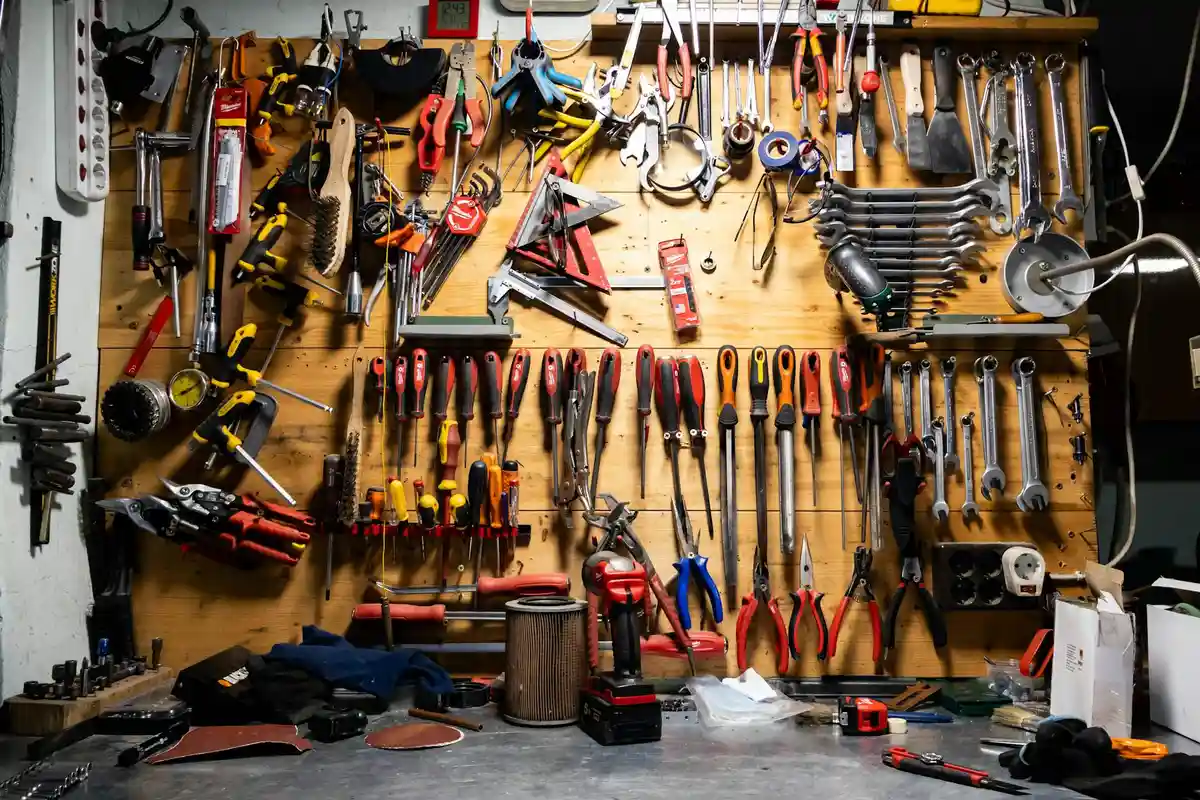
Over the years, I’ve tested a lot of gear in my own garage and for clients. This shortlist covers the category types that consistently work, saving you money and hassle in the long run. I’ll tell you what I use and why it earns a spot in my shop.
Protective Covers and Barriers
The right barrier stops damage before it starts. For furniture, I always use breathable covers. I learned the hard way that plastic tarps trap condensation and ruin wood finishes. Now, I buy canvas or poly-cotton blend covers, like the ones from Duck Covers. They let air circulate while keeping dust off.
Get everything off the concrete floor. I’ve used rigid plastic pallets from Uline to build quick platforms. They don’t absorb moisture and are easy to hose down. For a permanent solution, painting your floor with a vapor barrier epoxy, like Rust-Oleum’s garage floor kit, seals the concrete. It’s a solid secondary defense against ground moisture and helps prevent garage floor sweating.
Storage Hardware and Supports
Good hardware prevents sagging and collapse. For lumber, I bolt heavy-duty steel wall brackets directly into the studs. Brands like Simpson Strong-Tie make brackets I trust for holding hundreds of pounds of wood securely. Avoid lightweight shelf brackets; they bend under the load.
For boxes or items placed on top of stored furniture, I use adjustable freestanding shelving units. The Husky heavy-duty shelving from Home Depot is my go-to. The bolt-free assembly is fast, and you can rearrange shelves as needed.
Don’t stack lumber flat. Use simple wood stickers-small strips of 1×2 pine-between each board to allow air flow on all sides. I cut my own from scrap. It’s a free trick that prevents warping.
Environmental Control Aids
You can’t manage what you don’t measure. I keep several digital hygrometers around my garage. The AcuRite models are cheap and reliable. Knowing your humidity level lets you act before problems like mold set in.
For active moisture control, I use rechargeable moisture absorber tubs. The DampRid refillable tubs and silica gel desiccant packs work well to remove moisture from the garage and other areas. I pour out the collected water every few months. For inside sealed boxes or furniture drawers, toss in silica gel desiccant packs. I save them from electronics packaging or buy large bags online.
Your Ongoing Maintenance and Inspection Routine
Products set the stage, but regular checks are what keep your items safe. This five-minute seasonal habit is the non-negotiable key to preventing major damage. I do it like clockwork.
What to Check Every Season
Make a quick walk-through part of your seasonal home care. After a wet spring or a dry winter, always check. Here’s my simple list:
- Look for new moisture spots or water stains on wood, fabric, or the floor underneath items.
- Check cover integrity-are there tears or areas where dust is getting through?
- Scan for pest droppings (small pellets) or sawdust piles, especially near wood piles.
- Ensure nothing has shifted, fallen, or is putting uneven pressure on shelves or furniture.
A seasonal glance catches small issues before they become expensive repairs.
When to Act Fast on Problems
Some signs demand immediate action. If you see active mold or mildew-fuzzy black, green, or white spots-move the item outside right away. Wipe it down with a 50/50 white vinegar and water solution, then let it dry thoroughly in the sun before returning it to the garage. These steps fit into a broader remove and prevent garage mold mildew plan. Following them reduces recurrence and helps keep your space safe.
Fresh pest evidence is a red flag. Look for new, fine sawdust (frass) or small, clean holes in wood, which often mean carpenter ants or powderpost beetles. Don’t just spray generally. Use targeted bait stations or, for severe infestations, call a professional exterminator to treat the specific area and prevent spread.
Limitations: When Garage Storage is a Bad Idea
A garage can be a great storage space, but it’s not a universal solution. I’ve seen too many homeowners learn this the hard way after a prized piece is ruined. You should think of a standard, unconditioned garage as a “sheltered outdoor space,” not an extension of your living room.
Items That Should Almost Never Go in a Standard Garage
Be ruthless with this category. If an item can be damaged by temperature swings, humidity, or pests, it’s a poor candidate for garage storage.
- Upholstered Furniture: Sofas, fabric chairs, and mattresses are sponges for moisture and a five-star hotel for mold and mites.
- Important Paperwork & Books: Paper absorbs humidity, leading to warping, yellowing, and providing a food source for insects and rodents.
- Photographs, Artwork, and Vinyl Records: Heat warps them. Humidity ruins them. Sunlight fades them. I store my own family photos in a closet inside the house.
- Hazardous or Flammable Materials: This includes old paint cans, gasoline, and certain solvents. Beyond the fire risk, temperature fluctuations can degrade the chemicals and create pressure inside sealed containers.
The Climate-Controlled Storage Rule
This isn’t a suggestion; it’s a rule I follow in my own home. Anything of high sentimental or high monetary value deserves a stable, indoor environment. Your great-grandmother’s heirloom oak dresser? That belongs in your home or a professional storage unit. Your vintage guitar collection or classic film camera gear? Same story. The cost of a climate-controlled storage unit is always less than the cost of repairing or replacing a cherished item destroyed by garage conditions.
The High-Risk Reality of Humid Climates
If you live in a region with high humidity, like the Southeast or Pacific Northwest, the risk multiplies. I once helped a client in Florida move a wooden bookshelf out of their garage; the bottom had turned soft and black with rot in under a year. In damp climates, storing porous materials like wood and fabric in a garage is a near-guarantee of damage without aggressive, constant moisture control. Even with a dehumidifier running, you’re fighting an uphill battle against the outdoor air that seeps in every time the door opens.
Solve Water Problems First
This is the most critical preparatory step. Storing a cardboard box on a floor that gets wet is just creating a future mess. Before you store a single vulnerable item, you must ensure your garage is dry and sealed.
- Inspect for active leaks, especially around the garage door seal, windows, and where the walls meet the floor.
- Look for signs of past flooding or water intrusion. A damp concrete floor often means moisture is wicking up from the ground.
- Solve these issues first. This might mean installing a better door seal, regrading your driveway, or applying a concrete moisture barrier epoxy like Rust-Oleum EpoxyShield, which I’ve used to stop persistent dampness on my own garage floor.
Only after your garage passes this “dry test” should you consider it for semi-sensitive storage.
Frequently Asked Questions: Garage Furniture & Wood Storage
What’s the single most important environmental number to track in my garage?
Track the relative humidity. Buy an inexpensive hygrometer and aim to keep it consistently below 60%. Above that, wood absorbs moisture and the risk of mold and warping skyrockets. A dehumidifier is your best tool for active control.
How often should I really check on my stored wood and furniture?
Conduct a formal, hands-on inspection at least once per season. Look for new moisture spots, pest droppings, or any shifting of covers and supports. Don’t just glance; run your hand along surfaces and check underneath items.
I already used plastic covers. What should I do?
Remove them immediately. Plastic traps humidity against the wood. Let the furniture air out, then replace the plastic with a breathable canvas or poly-cotton fabric cover. For an extra layer of protection, wrap the piece in an old cotton sheet first.
Is it ever okay to store furniture directly against a garage wall?
No. Always maintain a gap of at least 12 inches between your stored items and the exterior walls. These walls experience the greatest temperature swings, leading to condensation that will transfer directly to your wood and fabric.
What are the immediate signs that pests are attacking my stored wood?
Look for fresh, fine sawdust (called frass) on the floor below your lumber or furniture. This is a major red flag for active wood-boring insects like powderpost beetles. Isolate the affected piece and consult a professional exterminator for targeted treatment.
Final Moves for Garage Storage Success
Make a habit of checking on your stored items every few months; this routine inspection is your best defense against slow-moving damage. You’ve done the hard work of preparing the space and protecting your pieces, so just keep that system running. Stick to these core practices: peek under furniture covers for signs of pests, use a simple moisture meter to check your wood’s environment, and refresh desiccant packs or cedar blocks as needed. This proactive approach means your belongings will be ready to use, not a project to repair, when you need them next.