How Do I Program My Garage Door Opener Remote for LiftMaster, Chamberlain, Craftsman, Genie, Overhead Door, and Universal Models?
Is your new garage door remote sitting unused because the programming steps seem confusing? I will help you pair it correctly with clear, shop-tested instructions that work.
This article provides direct steps to get your remote functioning, covering how to identify your opener model, locate the learn button on the unit, program remotes for each brand listed, and reset the system if needed.
As a residential garage care professional, I have programmed these specific remotes countless times in the field.
The Gearhead’s Checklist: What You Need Before You Start
You wouldn’t start a car repair without your tools. Programming a remote is simpler, but you still need the right gear on hand. Here’s what I always gather first.
- A sturdy stepladder. Don’t use a wobbly kitchen chair. A 4-foot ladder gets you to the motor unit safely.
- Fresh batteries for your remote. A dead or weak battery is the number one reason programming fails. The small, coin-shaped CR2032 is the most common type I see in LiftMaster, Chamberlain, and Craftsman remotes. I buy Energizer or Duracell in bulk packs.
- The remote you want to program. If it’s a new universal one, keep the packaging. It often holds a vital code list or instructions specific to that kit.
Your most important tool isn’t in your hand, it’s on your opener: the model number. Every procedure starts with knowing exactly what machine you have. This label is usually on the back or side of the motor unit hanging from your ceiling.
If you bought a universal remote kit, check the box for small plastic switches (called DIP switches) or a paper card with a list of 3-digit brand codes. These are your keys for older openers.
First, Figure Out What You’re Working With: Opener and Remote
Think of this step as diagnosing before you treat. Garage door openers use two main types of security codes, and your remote must speak the same language. Getting this wrong means a lot of frustrated button-pushing.
Knowing if you have a fixed-code or rolling-code system instantly tells you which programming method will work, saving you a huge headache.
- Fixed-Code (DIP Switches): Common in openers from the 1990s to early 2000s. The remote and the opener have a set of tiny switches inside that must be set to the same pattern, like a physical password.
- Rolling-Code (Learn Button): The standard for the last 20+ years. Every time you use the remote, it sends a new, unique code. The opener has a colored “Learn” or “Program” button, usually on the back of the motor unit.
- Smart Remotes/Wall Panels: These connect via Wi-Fi or a proprietary signal and are programmed through a smartphone app or directly on the panel itself. They often control rolling-code systems.
How to Find Your Garage Door Opener Model Number
This is a 60-second job. Safety first: make sure the door is fully down so the opener isn’t about to move.
- Place your ladder securely under the motor unit (the box with the light bulb).
- Look on the side or back of the unit for a paper or metallic label. It’s often white with black text.
- The model number will be clearly marked. For LiftMaster/Chamberlain, it often starts with “Model 8165…” or “Security+ 2.0…”. For Genie, look for “Model 2028…” or “Intellicode…”.
- Use your phone to take a clear picture. This lets you climb down and have the info handy. I can’t tell you how many times I’ve had to climb back up because I tried to memorize it.
Identifying Your Remote Type
Now, let’s look at your clicker. Pop the battery cover off.
If you see a row of 8, 10, or 12 tiny plastic switches, you have a fixed-code remote. They might be labeled 1 through 12. You’ll need to match their “up” or “down” positions to an identical set inside your opener. I keep a small flathead screwdriver in my kit just for flipping these tiny switches.
If there are no little switches inside, you almost certainly have a rolling-code remote. Your next step is to find that “Learn” button on the opener itself. It’s usually a distinctive color like yellow, purple, orange, or green. On a LiftMaster, it’s often a bright yellow button right next to the antenna wire.
Smart remotes, like the myQ Chamberlain models or Genie Aladdin Connect, typically have no visible switches and require an app. The rule in my shop is: if it connects to your phone, start with the app, not the ladder.
The Universal First Steps for Almost Any Remote

Before you even think about pressing buttons in a sequence, start here. I’ve seen countless people skip these steps and waste an hour. Follow these three rules first, every single time.
- Always use fresh batteries in the remote. This is my golden rule. A weak battery might have enough power to light up the remote’s LED but not enough to send a strong signal to the opener.
- Find the Learn button on your garage door opener motor unit. It’s usually on the back or side and is colored yellow, red, purple, or orange. Press and hold this button until the indicator light next to it turns off. This usually takes about 6 seconds. Clearing the opener’s memory resets it, like restarting your Wi-Fi router when it acts up. It gives you a clean slate to program your remotes.
- Safety first. Keep the garage door in full view and walk the entire path of the door to make sure there’s no bike, box, or kid’s toy in the way. You don’t want the door to close on something during your programming test.
The “Log Entry” Pro-Tip: Battery Brand Matters
Let me save you some grief. Last year, a client couldn’t program a new remote. We checked everything-codes, steps, the opener itself. After 20 minutes, I swapped the brand-new, store-brand battery in the remote for a Duracell. It programmed instantly.
The battery was dead right out of the package. For remotes and keypads, I now only use name-brand batteries like Energizer or Duracell. The cheap ones aren’t worth the headache. Think of it like putting premium fuel in your car; you get a more reliable start every time.
Programming Steps for LiftMaster and Chamberlain Openers
For most LiftMaster and Chamberlain openers made in the last 20 years, you program the remote at the motor unit itself. The key is a small button, usually colored purple, yellow, orange, or red. You don’t need your opener’s manual for this, just a stepladder to reach safely. If you’re looking to pair a LiftMaster garage door remote, the same motor-unit button enrolls the new remote. This keeps the setup simple when adding a second or replacement remote.
The process is the same for almost all their remotes, from the basic one-button models to the three-button visor clips. I’ve programmed dozens of their 8550W three-button remotes using this exact method. It’s reliable and takes about 30 seconds.
The Standard “Learn Button” Method
Follow these steps in order. If the remote doesn’t program, you simply start over from step one.
- Find the “Learn” button on the back panel of your garage door opener motor. It’s near the light bulb and has a small LED light next to it. The button is often a bright color.
- Press and release the Learn button. The LED light next to it will turn on and stay on steadily for 30 seconds. This is your window to program the remote; you must complete the next step before that light goes out.
- Immediately take your new (or old) remote, point it at the motor unit, and press and hold the button you want to program. Hold it down.
- Watch the LED light on the motor. It will flash once or blink off and then come back on steady. When you see that flash, you can release the remote button.
That’s the core process. To test it, step away from the motor and press the remote button you just programmed. Your garage door should activate.
What the Opener’s Light Signals Mean
That little LED is your communication tool. Think of it like a simple traffic signal.
- A steady, glowing light means the opener is in “programming mode” and listening for your remote’s signal.
- A single quick flash or blink is the “all good” signal. It confirms the remote’s code was received and stored.
- A rapid blinking light (usually after you press the Learn button) often means you need to clear the opener’s memory first. To do this, just press and hold the Learn button until the light goes out (about 6 seconds), then start the process over.
If you press the remote and the light doesn’t flash, the opener didn’t accept the code. The most common fix is to move a few steps closer to the motor unit with your remote and try step three again before the 30 seconds run out.
Direct Answer: Programming Your Remote
So, how do you program your garage door opener remote for LiftMaster/Chamberlain models? You use the Learn button on the motor. The universal truth is that you initiate all programming at the opener itself, not from the remote in your car. To program multiple remotes for the same opener, repeat the steps for each additional remote. If you have more than one opener, you can apply the same process to pair a remote with each one.
I always recommend homeowners clean the lens of the motor unit’s safety sensors with a dry cloth before programming. A weak signal from a dirty sensor can sometimes interfere. If your door moves slightly when you press the Learn button, that’s normal for some models; just proceed with the steps.
If you’re programming a second or third button on a multi-button remote, you must repeat the entire process for each individual button. Each button press gets its own unique signal stored in the opener. Unlike increased risks when copying or duplicating remotes, programming buttons on an original remote is straightforward and secure.
Programming Steps for Craftsman Openers
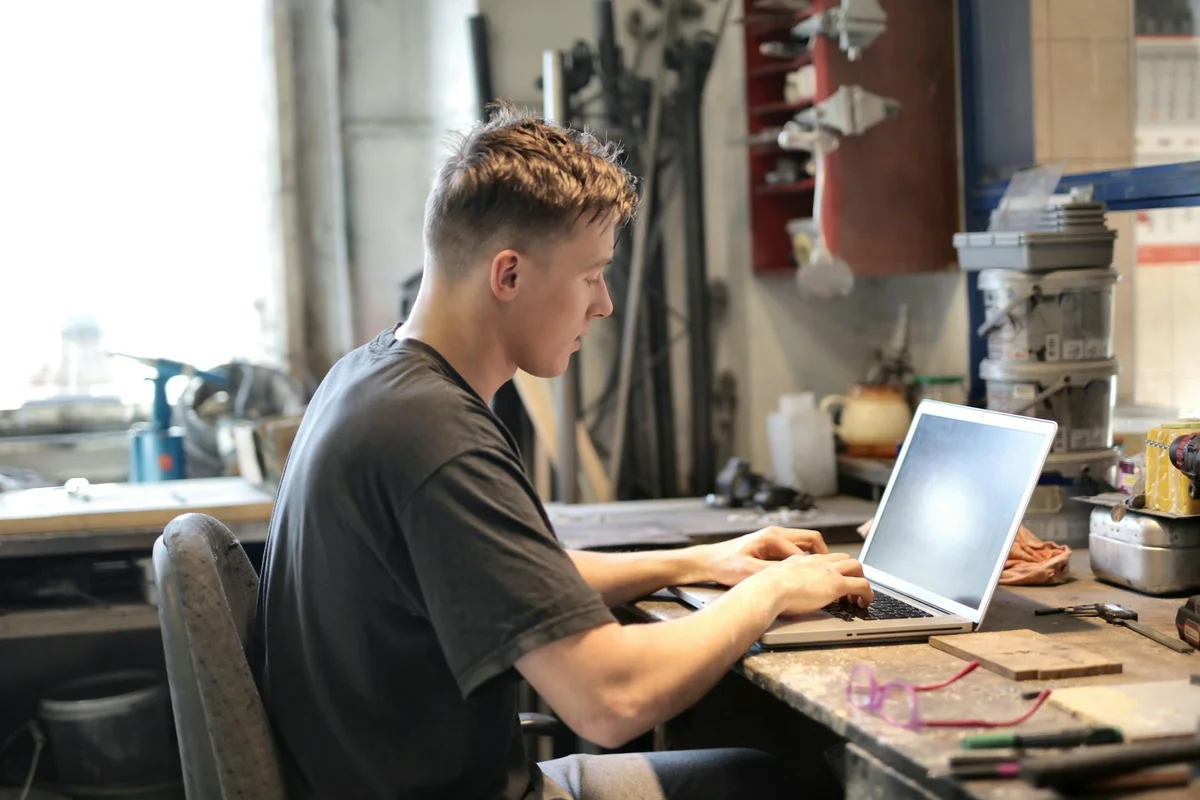
First, a quick piece of good news. Many Craftsman garage door openers are actually made by Chamberlain or LiftMaster. This means the most common “Learn button” method you’ve heard about for those brands will often work for your Craftsman too. You’ll find a colored button (purple, orange, yellow, red, or green) on the motor unit. That’s your key.
Programming a Modern Craftsman Opener
For most Craftsman models from the last 15-20 years, follow these steps. I keep a small stepladder in my garage just for this kind of task.
- Locate the “Learn” button on the back or side of the motor unit hanging from your garage ceiling. The button color matters for compatibility.
- Press and release the Learn button. The indicator light next to it will turn on or begin to blink.
- Within 30 seconds, press and hold the button on your new remote. Hold it until the motor unit’s light blinks or you hear a click.
- Test the remote by pressing the button you just programmed. The door should activate.
I’ve found that holding the remote much closer than you think is helpful-right up near the motor unit. This prevents signal interference.
Handling Older Craftsman Models
Some older Craftsman openers, like the 1/2-horsepower chain-drive model I had in my first house (circa 2005), have a different setup. They feature a square “Smart/Learn” button with a small red LED light next to it.
The process is similar but with a critical timing difference on the remote. For these units:
- Press and release the square Smart/Learn button. The red LED will glow steadily.
- Now, on your remote, press and hold the button you want to program.
- Keep holding the remote button. The red LED on the motor unit will flash once, then go out. The moment it goes out, immediately release the remote button.
- Press the remote button again. The door should now respond to your command.
That immediate release when the light goes out is the trick. With newer models, you hold until you get confirmation. With these older ones, you release *on* the confirmation. Getting this step wrong is the most common reason programming fails on these units.
How Do I Program My Garage Door Opener Remote for Craftsman Models?
To program any Craftsman remote, you always start at the opener’s motor unit. Find its “Learn” or “Smart” button. Pressing this button puts the opener into a short, 30-second “listening mode” ready to accept a new remote’s signal. Your job is to send that signal from your handheld remote within that window.
The main variable is how long you need to hold your remote’s button, which depends solely on your opener’s age and design. If you have a newer model with a round, colored Learn button, hold the remote button until the opener light blinks. If you have an older model with a square button and red LED, hold the remote button only until that LED light goes out, then release instantly.
If it doesn’t work the first time, start the process over from the beginning. Clear the opener’s memory by holding down the Learn button for about 10 seconds until the light goes out, then try the programming steps again. Using fresh batteries in the remote is my first troubleshooting step every time.
Programming Steps for Genie Openers
You can absolutely reprogram your Genie garage door opener remote. I reprogram these regularly for clients, especially when a remote is lost or a new one is purchased. The process depends entirely on the age and model of your main opener unit. You’ll typically handle it using one of two systems.
The method you use is dictated by what you find on the back or side of your Genie motor unit: either a prominent “Learn Code” button or a set of tiny switches and a “Program” button. The newer “Learn Code” system is much simpler. The older DIP switch system is a bit more hands-on but still very manageable.
For Genie Openers with a “Learn Code” Button
This is the modern, rolling-code system found on most Genie openers from the last 15-20 years. The button is usually square, colored purple, green, or orange, and labeled “Learn Code” or just “Learn.” I find this method to be the quickest and most reliable.
Here is the process, step by step:
- Locate the “Learn Code” button on the back or side of the motor unit. You’ll need a ladder for this.
- Press and immediately release the “Learn Code” button. The indicator light next to it will turn on or begin to flash. You typically have about 30 seconds to complete the next step.
- On your new or existing Genie remote, press and hold the button you want to program. Hold it down.
- Watch the motor unit. When it recognizes the remote’s signal, the indicator light will flash, or you might hear a click. This usually takes 2-3 seconds.
- Release the button on the remote. Test the remote by pressing it once to operate the door.
I always recommend testing the door’s safety reversal feature after programming any remote-place a 2×4 on the floor under the door and command it to close; it should reverse immediately upon contact. If it doesn’t, your opener’s safety sensors need attention before you use it regularly.
For Genie Openers with a “Program” Button and DIP Switches
This is for older Genie Intellicode and screw-drive openers. You’ll see a panel with a row of 8 to 12 tiny switches (DIP switches) and a separate “Program” button. This system matches a physical code set by the switches on both the remote and the opener. Additionally, you can pair these with garage door opener accessories like keypads and remotes for easier access. Keeping a remote or keypad handy complements the DIP-switch setup and simplifies entry.
You need to match the switch positions exactly. A small flat-head screwdriver from a precision set is the perfect tool for flipping these tiny switches. Using your finger or a bulky driver often leads to frustration.
- On the back of the motor unit, open the small plastic cover to reveal the DIP switches.
- Note the current switch positions (up or down). You will copy this pattern to the remote.
- On your Genie remote, open the battery cover to find an identical set of DIP switches inside.
- Using your small screwdriver, set each switch on the remote to match the exact position (up or down) of its corresponding switch on the motor unit. Double-check this. One switch wrong and it won’t work.
- Close the remote’s battery cover. On the motor unit, press and release the “Program” button. You should hear a click or see a light flash.
- Test the remote. If the door doesn’t operate, re-check every single switch alignment.
With these older units, if you ever need to clear all remotes for security, you can simply flip any single DIP switch on the motor unit to a new position and then program all your remotes to that new pattern.
Programming Steps for Overhead Door Openers
Overhead Door is the brand name you see on the outside of commercial buildings and many residential garages. Their openers are often made by a few major manufacturers, like LiftMaster, but they use proprietary remotes. You typically need a remote specifically labeled for Overhead Door, but many universal remotes, like those from Genie or Clicker, have Overhead Door codes built in, which makes your life easier. I always check the compatibility list on the universal remote’s packaging first; it saves a trip back to the store.
Finding the “Learn” or “Program” Button
The heart of the process is finding the small, usually colored button on your opener’s motor unit. On Overhead Door models, it’s rarely out in the open. For most units, you’ll need to look behind the plastic light lens cover on the front or side of the motor. Gently pry it off-it usually just snaps into place. On some models, especially newer ones, the button is under a small, slide-off plastic panel near the antenna wire. The button is often yellow, purple, or red. If you have an older model with a series of DIP switches inside the remote and motor unit, you’ll need to match those tiny switches instead of using a “Learn” button.
| Opener Type | Typical “Learn” Button Location |
| Older Overhead Door Models | May use DIP switches instead of a button. Check inside the remote and motor unit cover. |
| Standard Residential Models | Behind the rectangular light lens cover on the motor unit. |
| Newer Belt-Drive Models | Under a small, separate plastic access panel near the antenna/hanging cord. |
How to Program Your Garage Door Opener Remote for Overhead Door Models
Once you’ve found the button and have a compatible remote, the programming is straightforward. Always start by clearing the area under the door and disconnecting the opener from power if you need to get on a ladder for safety. Here is the step-by-step method I use in the shop.
- Locate the “Learn” button on the motor unit and press it. You will see the indicator light next to it turn on or start blinking. It will usually stay lit for about 30 seconds.
- Within that 30-second window, take your new remote and press and hold the button you want to program. Hold it down.
- Watch the motor unit. When the indicator light blinks or you hear a click, release the remote button. This means the code has been received.
- Test the remote immediately. Press the button once. The door should activate. If it doesn’t, repeat the process, making sure you are within range and the motor unit’s light was still on when you pressed the remote.
If you are programming a universal remote, you will often need to first find the correct code for Overhead Door by following the remote’s manual-usually involving holding a button until a light blinks, then pressing the opener’s “Learn” button. It’s a two-step dance between the remote and the motor unit. I keep my universal remote manuals in a drawer because each brand, like the Genie GTR-A or the Clicker CLK1, has a slightly different sequence. If the door moves when you press the “Learn” button, you must start over, as that erased all previously stored remotes. That’s a common mistake that will have you reprogramming every remote in the house.
How to Program a Universal Garage Door Remote
Universal remotes are lifesavers. I keep a few in my service truck for when a homeowner loses an original remote. They’re also perfect for adding a second remote for a family member without paying a premium for a brand-specific model. Before you start, the golden rule is to know your opener’s “learn” button location-it’s a small, round button on the back or side of the motor unit.
These remotes generally work in one of two ways: with old-school DIP switches or modern code-search technology. Here’s how to handle both.
DIP Switch Remote Programming
These are the older, more mechanical remotes. You’ll find a small compartment on the remote, and a matching set of tiny switches inside the opener’s motor unit cover. Programming is simply a physical act of making the switch patterns on the remote and the opener match exactly.
- Unplug your garage door opener for safety.
- Find the DIP switch bank. On the remote, slide open the battery cover. On the opener, you’ll need to remove the light lens or a small cover on the back of the motor unit.
- Use a small flathead screwdriver or a paperclip. Set every single switch on the remote to the exact same position (up or down) as the switches on the opener’s receiver.
- Close the remote, replace the opener’s cover, and plug the opener back in.
- Test the remote. It should now operate the door.
In dim garages, I use a flashlight to see those tiny switches clearly. A mistake of just one switch means it won’t work.
Code-Search Remote Programming
This is the standard method for most modern universal remotes, like those from Genie or Chamberlain’s universal line. Instead of matching switches, you “teach” the opener to listen for the remote’s unique radio code.
- Locate the “learn” or “smart” button on your garage door opener motor unit. It’s usually colored yellow, orange, purple, or green.
- Press and release the learn button on the opener. A small indicator light will turn on or begin to blink.
- Within 30 seconds, press and hold the button on your new universal remote. Point it directly at the motor unit. Keep holding it.
- You’ll see the opener’s light blink or hear a click. Release the remote button. The opener’s light should turn solid or turn off.
- Press the remote button again to test it. Your garage door should now move.
If it fails, the most common culprit is a weak battery or incorrect battery orientation in the remote. I always start with fresh batteries from a brand like Duracell or Energizer.
How do I program my garage door opener remote for Universal models?
This is the most frequent question I get. “Universal” isn’t one brand; it’s a type. Your first step is always to check the remote’s manual or packaging for its compatibility list-it will name the brands and opener models it’s designed to work with. If you’re replacing a remote, this replacement garage door opener remote buying guide can help you pick a compatible model. It walks you through compatibility checks and common brands to look for. My go-to universal remote is the Chamberlain Clicker, as it covers LiftMaster, Chamberlain, Craftsman, and many others.
The process is the code-search method I outlined above. For a Universal remote to work, your opener must have a learn button. If your opener uses DIP switches only, you must buy a universal remote that also has DIP switches. I recommend taking a picture of your opener’s model number and bringing it to the hardware store to ensure you get the right type.
When Your Remote Won’t Program: Troubleshooting Steps
It happens to everyone. You follow the instructions, but your remote just won’t talk to the opener. Before you get frustrated, work through this simple diagnostic list in order; one of these is almost always the culprit.
- Check the Remote’s Batteries. This is step one for a reason. Even if the LED lights up, the battery might be too weak for a strong signal. I use a basic multimeter to check, but swapping in a brand new, name-brand battery (like a Duracell or Energizer) is the fastest test. Cheap batteries from a discount bin often don’t have the consistent power these circuits need.
- Check Your Distance and Angle. You need to be close, usually within a few feet of the opener motor unit. I tell people to use a stepladder and get right under it. Also, make sure you’re pointing the remote directly at the front of the opener, not at the ceiling or the door.
- Confirm You’re Using the Correct “Learn” Procedure. This is the most common mistake. LiftMaster/Chamberlain models from the last 20 years use a colored “Learn” button (yellow, purple, red, or orange). You press it once, then press your remote button. Older Genie and Craftsman models often require you to hold the remote button while pressing a program button on the opener. Universal remotes have their own sequence, usually involving holding buttons on the remote itself. Double-check your opener’s manual or the label on the motor unit itself for the exact steps-mixing them up guarantees failure.
- Check for Signal Interference. If you’ve done all the above, something is likely blocking or scrambling the signal. We’ll dive deeper into this next.
If you’ve gone through this list and it still won’t program, don’t panic. I’ve had brand-new remotes be faulty. The problem is almost never that you’ve permanently broken something. It’s about finding the one detail you missed. Especially when you’re trying to reprogram a new home garage door opener.
Decoding the Blinking Lights
Your opener’s “Learn” button is trying to talk to you. After you press it, watch the small LED light next to it.
- A rapid blink, followed by the light going out, almost always means success. On a LiftMaster with a purple button, you’ll see it flash quickly and then stop. This tells you the opener received the signal and stored the remote’s code. You can now test the remote from your car.
- A slow, steady blink (or sometimes a solid light) usually means it’s in “listen” mode and timed out. The opener waited 30 seconds for a signal it never got. This means your remote’s signal never arrived. Go back to the troubleshooting list-your battery is dead, you were too far away, or you performed the wrong sequence.
Think of the rapid blink as a “Got it!” and the slow blink as a “I’m still waiting…”
Dealing with Signal Interference
Modern garages are full of wireless signals that can clash with your remote. The number one offender I find is the LED light bulb inside the opener unit itself. Some cheaper LED bulbs emit electrical noise on the same frequency as your remote.
Here’s my shop-tested method for hunting interference:
- Turn off the garage opener’s light bulb. Try to program the remote again. If it works, you’ve found the problem. Swap that bulb for a different brand. I’ve had good luck with basic Philips LEDs in these units.
- Look for other wireless devices. A Wi-Fi router mounted on the wall near the opener, a wireless security camera, or even a baby monitor can cause issues. Temporarily unplug them and try programming.
- Check for physical barriers. Is there a new metal shelf between your car and the opener? Are you trying to program through a metal garage door? Get into the garage, close the door, and try programming from directly underneath the motor unit.
If interference is a persistent issue, try programming from inside your car with the engine off. The metal body of the car can sometimes shield the remote from the interfering signal long enough to get a clean program. It’s a quirky trick, but it has worked for me more than once.
Keeping Your Remote Working: Simple Maintenance
Once your remote is programmed, a little routine care keeps it reliable for years. I treat my remotes like any other tool in my box. If you respect them, they won’t fail you when you need them most.
Stick to a Battery Schedule
Don’t wait for the remote to die before you think about the battery. I recommend checking or replacing the battery every six months, like when you change your clocks for daylight saving time. This is the single best habit to form. A fresh battery prevents the frustration of a weak signal that causes the door to stop or reverse partway. Most remotes use a standard 3-volt coin cell, like a CR2032. I keep a fresh pack of Panasonic or Energizer batteries in my junk drawer just for this.
Clean the Battery Contacts
If you see a white or bluish crust on the metal battery contacts, that’s corrosion. It blocks the electrical connection. I’ve fixed more “broken” remotes with this simple trick than I can count. Pop the old battery out and lightly scrub both the battery compartment contacts and the edges of the battery itself with a clean pencil eraser. The mild abrasion cleans off the corrosion without damaging the metal. Wipe away any eraser debris with a dry cloth before putting in a new battery.
Store It Smart
Electronics hate extremes. Leaving your remote on your car’s dashboard through a summer afternoon bakes the circuitry and drains the battery. Storing it in an uninsulated garage through a freezing winter can make the plastic brittle and crack. The best place for a spare remote is indoors, in a kitchen drawer or on a hook by your house door. For the one in your car, try to keep it in the center console or glove box, not in an open cup holder where the sun hits it directly.
When NOT to Try This Yourself: Limitations and Safety
Before you grab a ladder, let’s talk about when to stop and call a pro. I’ve been in thousands of garages, and knowing your limits is a key part of being a capable homeowner.
If your garage door opener was manufactured before 1993, do not attempt to program a new remote to it. Openers that old lack modern security features and can be a real safety hazard. I once had a client with a vintage unit; the wiring was brittle and the logic board was completely obsolete. The risk of shock or causing a short circuit isn’t worth it. A qualified technician can assess if an upgrade is your safest path forward. Often, that upgrade means replacing the garage door opener altogether. A modern replacement offers improved security, reliability, and peace of mind.
Take a good look at the wires leading to your opener’s motor unit and the wall console. If you see cracked insulation, exposed copper, or anything that looks melted or burnt, your job just changed. Damaged wiring is an immediate stop sign-programming a remote won’t fix that underlying electrical fault, and it could start a fire. Call a professional to inspect and repair the wiring first.
Not all remotes work with all openers, even if they look similar. I keep a compatibility chart from Chamberlain/LiftMaster on my phone for this reason. Forcing an incompatible remote to program can sometimes scramble your opener’s receiver, locking you out until it’s reset by a tech. Check your opener’s manual or the manufacturer’s website first. If your remote isn’t listed, save yourself the headache and don’t try to force it to program.
Finally, trust your gut on the ladder. You only need to reach the “Learn” button for about 30 seconds. If you’re stretching, wobbling, or feeling uneasy at all, get down. Programming is simple, but falls are not. I use a solid, 6-foot fiberglass ladder for this job every time. If yours is rickety or you’re uncomfortable on it, ask a neighbor for a steady hand or make that service call. Your safety is the most important part of any garage project.
Garage Care Pro FAQ: Remote Programming
Can I use a LiftMaster remote on my older Craftsman opener?
Often, yes. Many Craftsman openers are made by Chamberlain/LiftMaster. Check if your Craftsman unit has a colored “Learn” button (yellow, purple, red). If it does, use the standard LiftMaster programming steps. If it has DIP switches, you’ll need a remote with matching switches.
The learn button on my Genie opener isn’t lighting up. What’s wrong?
First, ensure the opener has power-check the unit’s power cord and the outlet. If powered, a non-responsive button can indicate a failed logic board. Listen for the motor humming; if it’s silent, a professional diagnostic is your next step.
Are “Universal” remotes truly compatible with all the brands listed?
No. “Universal” means it contains codes for many brands, not all. Check the remote’s packaging for your specific opener brand and model. For older DIP-switch openers, you must buy a universal remote that also has physical switches.
What’s the single most common mistake you see during programming?
People stand too far away. For a reliable program, get on a ladder and hold the remote within 2-3 feet of the motor unit. Weak signal from distance or a metal door in the way is the typical culprit for a failed attempt.
My newly programmed remote works sporadically. What causes this?
This is almost always interference. Swap the LED bulb in the opener for a different brand, as some emit signal noise. Also, ensure your car’s remote start or a nearby Wi-Fi router isn’t transmitting on the same frequency when you press the button.
Keeping Your System Reliable and Safe
The programming steps are simple, but the real goal is a safe, reliable door. Your main job is to make sure every remote and keypad works correctly and that the safety sensors are never blocked. Here are the points I always double-check in my own shop after any reprogramming.
- Test every remote you programmed from both inside and outside the garage.
- If a universal remote won’t “learn,” the opener may be too old; a compatible logic-board upgrade is safer than forcing it.
- Garage door springs are under extreme tension; leave repairs and replacements to a certified pro.