
How Can I Prevent Garage Door Break-Ins and Secure My Home’s Entry Point?
If you’re losing sleep over garage security, you’re not alone. I’ve repaired forced entry damage on countless doors, and I’ll show you how to harden yours against it.
We will cover reinforcing the door panel and frame, installing reliable locks and openers, and adding motion lights and monitoring habits.
As a garage care pro who has fitted everything from basic bolts to smart systems, I base this advice on shop-tested results.
How Easy Is It for Burglars to Break Into Your Garage?
The short answer is yes, an unsecured garage door is often the easiest entry point on a house. I’ve seen it too many times. Burglars aren’t picking complicated locks. They are looking for the path of least resistance, and a standard garage usually gives them three.
The three most common weak points are the emergency release cord, the service or man door, and the door’s own roller and panel construction.
Let’s start with the emergency release cord. This is the red handle hanging from your opener’s carriage. Its purpose is to let you manually open the door if the power is out. A burglar can exploit this with a simple “fishing” technique, using a coat hanger or a specialized tool slipped through the top seal of your closed door to hook and pull that cord. In seconds, they’ve disengaged the opener and can lift your door by hand. This works on almost every unsecured residential door I’ve serviced.
Next is your service door. This is often a hollow-core door with a basic exterior lockset. It feels sturdy until you put a shoulder into it. If the deadbolt isn’t a 1-inch throw or the frame is weak, it’s an easy target.
Finally, the door itself can be a problem. Older doors, or poorly maintained ones, have weaknesses. On a panel-style door, a crowbar can sometimes be forced between sections if the hinges are worn. More common is a door on worn-out 2-inch steel rollers. When those rollers are shot, the door wobbles in the track, making it easier to force and creating a gap for that fishing tool I mentioned.
Your First Line of Defense: Securing the Garage Door Itself
Your security starts with a physical inspection. Grab a flashlight and a stepladder. Look at the top center of your closed door from inside. Can you see the emergency release cord? If you can, so can a tool. Check the play in your door by gently pushing on a panel near the top. If it rattles or shifts more than a quarter-inch, your rollers and hinges likely need attention.
Now, let’s lock it down. First, the emergency release. The simplest fix is to use a heavy-duty zip tie, like a Ty-Rap from the hardware store, to secure the release handle to the opener carriage so it can’t be pulled sideways. It’s a good temporary measure. For a permanent solution, I install a metal guard like the Garage Door Defender. It’s a $25 plate that bolts around the release, physically blocking any tool from hooking it. I prefer this over plastic guards because it can’t be cut or pried off easily.
Next, reinforce the top section. This is where the opener’s carriage connects to the door. Often, it’s held by two short, small screws into the door’s top bracket. I replace those with longer, 3.5-inch exterior-grade lag screws that go deep into the wooden header above the door. This prevents someone from forcibly pulling the entire carriage off its bracket.
One of the best upgrades for security and smooth operation is swapping out old, noisy steel rollers for heavy-duty 3-inch nylon rollers. The standard 2-inch rollers have too much play. The larger 3-inch nylon rollers run quieter, last longer, and most importantly, they keep the door seated tightly in its tracks. A tight door is much harder to pry or fish. I use the Genie Nylon 3″ rollers on most jobs. They’re affordable and the difference in door stability is immediate.
The Gearhead’s Checklist: Tools and Hardware for Door Reinforcement
You don’t need a shop full of tools for this job. Here’s exactly what I keep in my pouch for a standard door security upgrade:
- #2 Phillips Head Screwdriver: For removing trim and opener covers.
- 9/16″ Combination Wrench: The perfect size for most roller bracket nuts and carriage bolts.
- 6-foot Stepladder: Get one you feel stable on. Never work off a chair.
- Safety Glasses: Always. You’re working overhead, and dust and metal shavings fall.
For hardware, don’t cheap out. This is your home’s security.
- Heavy-Duty 3″ Nylon Rollers (10-pack): I specify Genie or LiftMaster brands. The off-brand rollers often have poor bearings that fail quickly. The nylon wheels won’t rust or screech like steel.
- Metal Emergency Release Guard: The Garage Door Defender model is the one I install. Its all-steel construction and through-bolt design are superior to clip-on or plastic models.
- 3.5″ Exterior-Grade Lag Screws (with washers): I get these from the structural fastener aisle, not the general hardware bins. The coating is better, and they won’t snap under stress. A box of 1/4″ diameter lags is perfect.
I avoid the “all-in-one” security kits you see sometimes. They usually contain flimsy components. Buying these specific, quality items separately costs about the same and gives you a far more robust result. Investing in these parts once means you likely won’t have to think about them again for a decade.
Choosing and Installing the Right Garage Door Locks
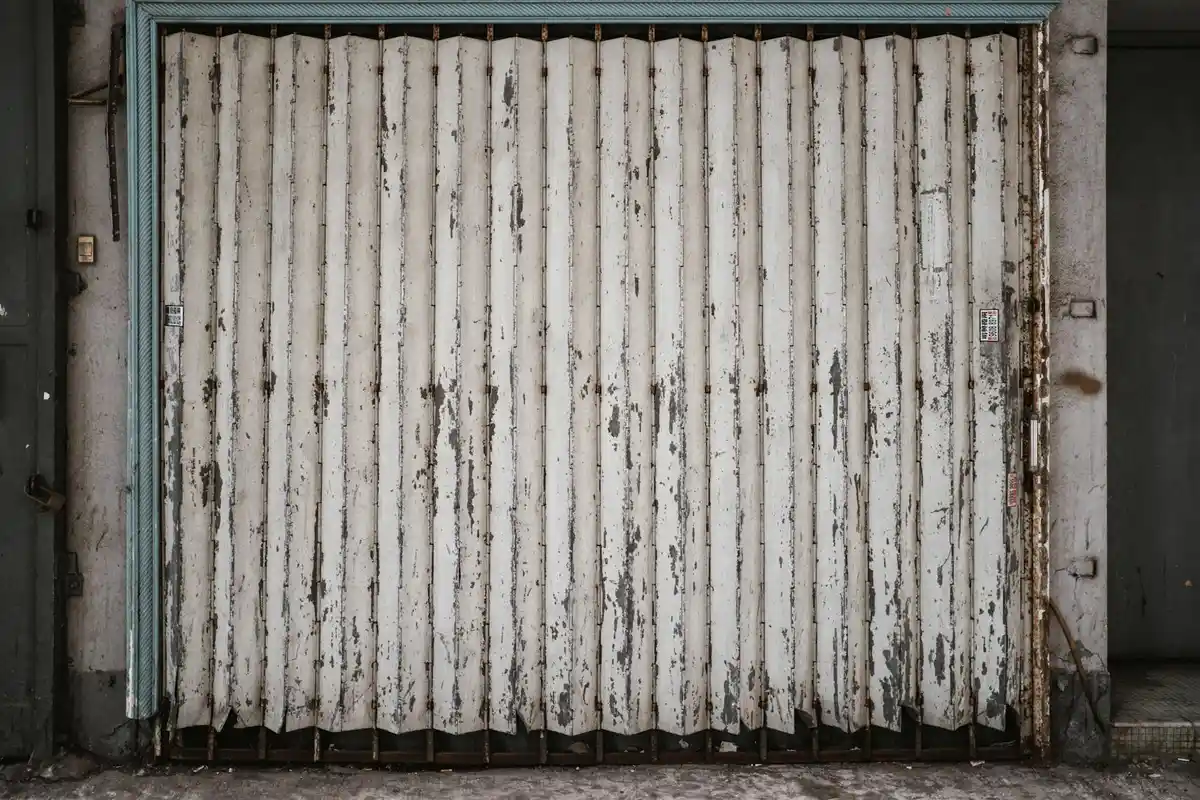
The best locks for your garage door are the ones you’ll actually use and that physically block the door from moving. From my years on the job, I’ve found that a layered approach works best. This means combining a strong mechanical lock with your existing opener’s security features. In particular, garage door security safety locks can add an extra layer of protection by preventing the door from moving even if the opener is compromised. When you choose them, prioritize reliability, weather resistance, and compatibility with your system.
Comparing Your Three Main Options
Each lock type has its place depending on your door style, budget, and how you use your garage.
T-Handle Deadbolts
You often see these cylindrical locks on the outside of commercial or older residential doors. They require a key to open from the outside. I generally don’t recommend installing a new T-handle on a modern home garage because it creates a visible, pickable target on the exterior. If you already have one, use it, but know that the metal casting can sometimes be weak. I’ve had to replace more than a few where the internal mechanism failed after a few hard seasons.
Manual Slide Bolts
This is my go-to recommendation for most homeowners. It’s a simple steel bar that slides into the vertical track of your door, physically preventing it from being lifted. A heavy-duty slide bolt installed on the inside of the track is a tremendous, low-cost physical barrier that defeats the common “coat hanger” break-in. I prefer models with a cast or forged steel body, like those from Prosteel or Janesville, over thin stamped metal. The bolt itself should be at least 3/8-inch thick steel. I install one on each side of the door, about a third of the way up from the floor.
Smart Locks & Opener Integration
These systems, like those from LiftMaster or integrated with MyQ, allow you to control and monitor your door from your phone. They’re fantastic for convenience and provide activity logs. However, you must remember that smart locks secure the opener’s mechanism, not the door itself. If someone forces the door panels apart or defeats the emergency release, the opener lock won’t help. I view smart security as an excellent alert system and a way to disable remote access, but it should be paired with a physical slide bolt for complete security.
Installing an Interior Slide Bolt: A Pro’s Step-by-Step
Installing a slide bolt is a straightforward 20-minute project. Here’s how I do it in my clients’ garages.
Tools & Materials You’ll Need:
- A heavy-duty slide bolt lock (I often use the Prosteel 10-inch Slide Bolt for its solid construction)
- A power drill (I always have my Milwaukee M18 Fuel on hand)
- A 3/16-inch metal drill bit for pilot holes
- A Phillips head screwdriver or bit
- A pencil
- Safety glasses
- Find the right spot. With the door closed, choose a spot on the vertical door track about 12 to 18 inches above the floor. This is low enough to be easily operated but high enough that the bolt will engage solidly into the track.
- Mark and drill your pilot holes. Hold the slide bolt’s mounting bracket firmly against the inside face of the vertical track. Use your pencil to mark through the screw holes onto the metal track. Put on your safety glasses. Using your drill with the 3/16-inch bit, drill a pilot hole at each mark. This makes driving the screws much easier and prevents the metal from warping.
- Secure the bracket. Line up the bracket with your pilot holes. Using the provided screws (if they seem cheap, I swap them for #10 x 1-inch stainless steel pan head screws), drive them in tightly with your drill or screwdriver until the bracket is snug and doesn’t wiggle.
- Test the fit. Slide the bolt into the locked position, extending it into the door track. It should slide in smoothly but fit snugly without excessive play. If it binds, you may need to slightly loosen the bracket and adjust its position. Your door is now physically locked.
When to Call a Locksmith and The Factory Latch Fallacy
You should call a professional locksmith if you are dealing with a malfunctioning T-handle deadbolt, a lost or stuck key, or if you want to re-key an existing exterior lock to match your house keys. Their expertise with lock cores is what you’re paying for.
You should never rely solely on the automatic latch built into your garage door opener. This is the little lever that hooks over a bracket on the door when it closes. It’s designed for convenience, not security. A common break-in technique involves slipping a coat hanger through the top of the door to snag and pull the emergency release cord, which disengages this latch entirely and allows the door to be lifted by hand. That sturdy slide bolt we just installed blocks this completely, even if the opener is disengaged. For even stronger protection, consider a secure lock garage door. It complements the slide bolt by providing a tamper-resistant barrier that deters forced entry.
Don’t Forget the Garage Service Door
In my years of checking garage security, the side service door is the spot I find homeowners overlook most often. They’ll spend hundreds on a new garage door opener with a rolling code but leave this door as vulnerable as the day the house was built. Think of your garage service door as the back gate to your castle; if it’s weak, all your other defenses are pointless.
Builders often treat this as a secondary entry and install the same basic, budget-friendly door you’d find on a hall closet. It’s usually a lightweight, hollow-core door mounted with short screws into a flimsy wooden frame. A solid kick is all it takes to splinter the frame or rip the lock clean out of the wood.
Fortify the Frame with Longer Screws
Your first and cheapest line of defense is to replace the critical hardware screws. The little half-inch screws that hold the strike plate (the metal piece the lock bolt goes into) and the door hinges are only biting into the door trim. You need them to reach the wall stud behind the frame.
Here’s how I do it on every service door checkup:
- Remove one screw from the top hinge and one from the strike plate.
- Head to the hardware store. For this job, I always grab a pack of 3-inch exterior-grade deck screws, like those from GRK or Hillman. They’re coated to resist rust and have a strong head that won’t strip easily.
- Replace every screw on the hinge plates and strike plate with your new 3-inch screws. A good cordless drill/driver like my Milwaukee M18 makes this a five-minute task. Drive them in until the head is snug, but don’t overtighten and crush the metal.
This simple upgrade ties the entire door assembly directly into the house’s structure, making it exponentially harder to kick in.
Upgrade the Door Itself
If your door sounds hollow when you knock on it, it’s a target. Swapping out a hollow-core door for a solid one is a weekend project with a massive payoff.
- Solid Wood Core: These are heavy and durable. I used a Masonite brand solid-core door on my own workshop and it feels substantial. The weight alone is a deterrent.
- Metal Skin Door: For the ultimate security, go with a steel door. Brands like Therma-Tru make affordable, pre-hung steel exterior units. The steel skin over an insulated core is nearly impossible to breach without power tools.
If you’re not comfortable hanging a new pre-hung door (which involves removing the old frame), you can often order a slab door cut to size. You’ll need to chisel out new hinge and lock mortises, which takes patience and a sharp chisel. For most homeowners, I recommend hiring a handyman for the slab swap or going with a full pre-hung unit for a cleaner, more weatherproof install.
Light It Up and See Who’s There
Security isn’t just about brute strength, it’s about removing a burglar’s favorite tool: shadows. A dark alcove by your service door is an invitation.
I install a simple, bright LED wall sconce above or to the side of the door. Look for one with a daylight sensor and motion activation. The Ring Floodlight Cam is a popular combo, but a basic $30 fixture from Home Depot with a separate motion sensor works great too. The goal is to flood the area with light the moment someone approaches.
Next, install a peephole. It seems obvious, but I almost never see them on garage doors. You want a wide-angle viewer (180-degree or more) so you can see the entire step and approach. Avoid the cheap, plastic $5 versions. I’ve had good luck with the MAGGLA metal peepholes; they’re sturdy and provide a very clear, distortion-free view. Drilling the hole is straightforward with a spade bit, just follow the kit instructions.
Proper lighting and a peephole let you verify visitors without ever unlocking the door, which is your safest option every time.
Securing Garage Windows and Managing Visibility
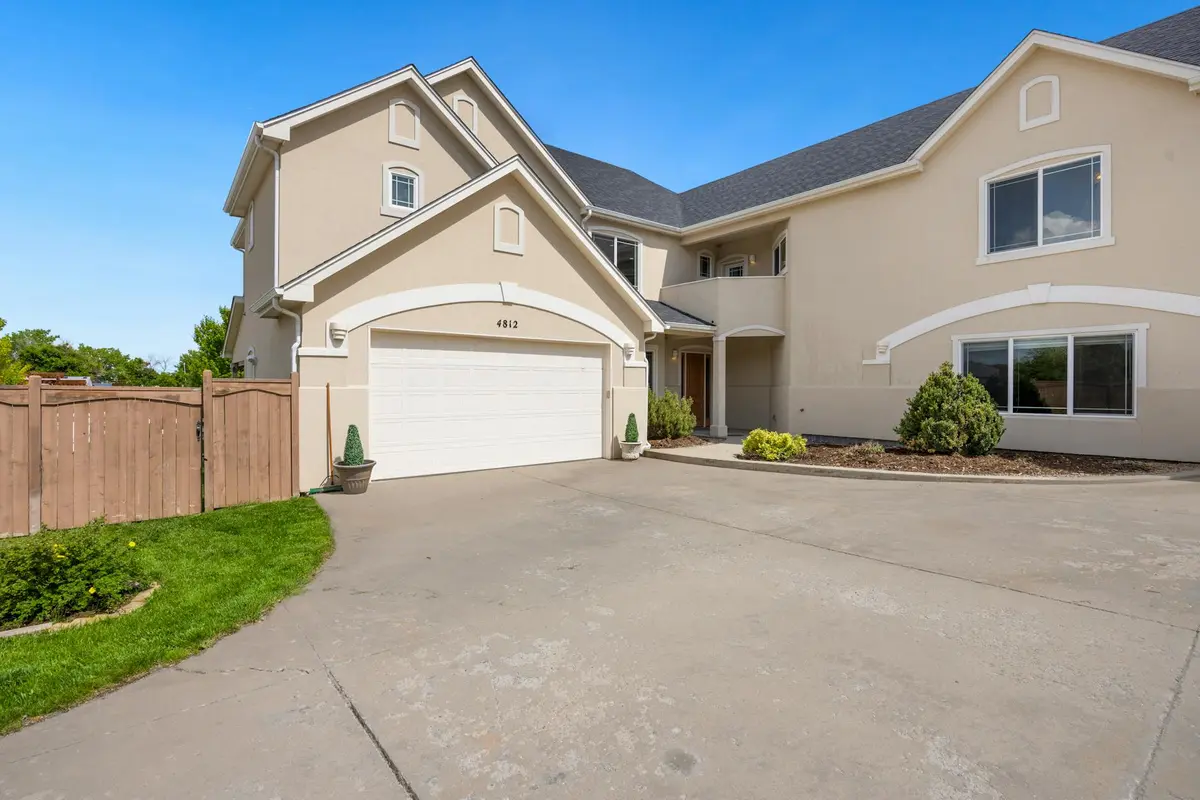
Garage windows are a classic weak spot. They offer a direct view of your valuables and a potential entry point. I’ve seen too many where the latch is broken or the frame is loose. You don’t need to brick them up to make a big difference.
My approach is to layer your defenses, starting with the simplest, most affordable fixes first. I break it down into three tiers: good, better, and best. “Good” is about obscuring the view. “Better” adds a physical lock. “Best” integrates a physical barrier while keeping safety in mind.
Obscure the View with Frosted Privacy Film
This is your first and easiest line of defense. If a thief can’t see your new table saw or the golf clubs in the trunk, your garage becomes a much less tempting target. I always recommend frosted film over dark tint.
Dark tint can create a mirror effect from the outside during the day, but at night when your garage light is on, it turns your window into a clear display case for everything inside. Frosted film scatters light evenly, providing privacy at all hours.
I’ve used the Gila brand films from the big box stores for quick jobs. For a more permanent, professional look, I prefer 3M’s ScotchTint. The adhesive is stronger and more resistant to bubbling over time. You’ll need a spray bottle with soapy water, a squeegee, and a sharp utility knife.
- Clean the window glass thoroughly with glass cleaner and a lint-free cloth.
- Measure and cut your film to size, leaving an extra half-inch on all sides.
- Spray the soapy water generously on the glass.
- Peel the backing from the film, spray the adhesive side with soapy water, and carefully apply it to the glass.
- Use the squeegee from the center outward to push out all the water and air bubbles.
- Finally, trim the excess film flush with the window frame using your utility knife.
Install Keyed Locks or Interior Security Bars
A window latch is not a lock. Adding a real locking mechanism is a powerful deterrent. For sliding windows, a simple keyed cam lock drilled into the frame is incredibly effective. For double-hung or casement windows, you add locks to the sash.
When installing any lock, you must drill into the fixed window frame, not just the moving sash, to prevent someone from simply forcing the window open. Use a cordless drill with a sharp bit slightly smaller than your screw size to prevent splitting the vinyl or wood.
For a more formidable barrier, interior security bars are excellent. You can buy pre-made kits, but I’ve crafted my own from sturdy steel or aluminum stock from a local metal supplier. I’ve even repurposed heavy-duty Char-Broil grill grates cut to size-they’re surprisingly rigid and inexpensive.
- Measure the interior width of your window frame at the top, middle, and bottom.
- Cut your bar or grate to the shortest of these measurements so it fits snugly.
- Use heavy-duty L-brackets to secure the bar to the interior window frame. Attach one side of the bracket to the bar, hold it in place, and mark your drill holes on the wooden frame.
- Secure it with long, coarse-thread screws that bite deep into the window framing lumber.
Balance Security with Your Escape Route
This is the most critical part of the plan. If your garage has a standard pedestrian door, your window security strategy can be more robust. If the garage door is your only exit, you must plan differently.
Never install a permanent barrier on a window that is your designated emergency escape route. Local building and fire codes often have specific rules about this, and for good reason. Your safety from a fire or other emergency inside the garage is more important.
In that case, use a lock or bar that can be operated quickly from the inside without a key. I install bars that use a simple, sturdy thumbscrew or a heavy-duty toggle clamp. You can release it with one hand in seconds. The goal is to make it very hard to get in from the outside, but still easy to get out from the inside in a panic.
Take five minutes tonight and look at your garage windows, whether they are designed for ventilation or evacuation. Identify which ones would be exits. For those, choose a quick-release security method. For others, you can use the more permanent keyed or screwed-in solutions. This balance is how you build a secure garage that still keeps your family safe.
Smart Tech and Lighting for Modern Security
Modern security isn’t just about heavy-duty locks, it’s about awareness and control. I’ve integrated a lot of tech into garages over the years, and the right setup gives you peace of mind you can’t get from a manual lock alone.
Breaking Down Smart Garage Systems
Let’s talk about smart openers and sensors. A system like Chamberlain’s MyQ is a common upgrade. It’s a hub that connects your existing opener to your home wifi. The smartphone app lets you open or close the door from anywhere and sends alerts if the door is left open. I find the alert feature is the real winner. Forgetting to shut the door is a top security risk, and a simple alert on your phone fixes that.
Adding a camera changes the game. I often pair a MyQ hub with a Wyze Cam v3 mounted inside, facing the door. The Wyze cam is affordable, has great night vision, and can save clips to the cloud. You’re not just getting an alert that the door moved, you can immediately see *who* or *what* triggered it.
Securing Your Opener Remote
Your clicker is a key to your house. Old “fixed-code” remotes are vulnerable to code grabbers. Nearly all openers made in the last 20+ years use “rolling code” technology, which changes the code each time. Check your opener’s manual to confirm. The real risk today is physical theft of the remote from your car. Treat your garage door remote like a house key, not a toy left in the cupholder. If you use a car with HomeLink, that’s more secure, but you must still clear the codes if you sell the vehicle.
Action Steps for Remote Security:
- Never leave a remote visible in a parked car.
- If you lose a remote, immediately use your opener’s “learn button” to erase all remote codes, then re-pair your remaining remotes. This takes 60 seconds and is your best defense.
- Consider a keychain-sized remote you keep with your keys instead of a bulky one for the car.
Lighting: Your First Line of Defense
Burglars love shadows. Motion-activated LED floodlights are the most effective, cost-effective deterrent I recommend. They startle would-be intruders and draw attention. I install the Ring Floodlight Cam for clients who want an all-in-one solution (light, camera, siren). For a simpler, wired option, the Heath Zenith SL-5410 is a workhorse I’ve used for years.
Placement is everything. Install one light high on each side of the garage, aiming to cover the approach to the service door and the main door. You want the motion sensor to trigger while someone is still 15-20 feet away, not when they’re already at the door. This makes them feel exposed.
Dedicated System vs. Home Integration
You have two main paths: a system just for the garage, or tying it into your whole home security.
A dedicated system, like a standalone camera and smart opener, is simpler and often cheaper upfront. It’s a great start. If you go a step further, smart garage door opener integration can bring the opener into your home automation, letting you control it from the same dashboard as your security and lights. In the next steps, a discreet link will guide you through this integration.
Integrating with a system like Ring or SimpliSafe is my preference for a fully secured home. This extends naturally to garage door openers home security integration, bringing your garage into the same security ecosystem. You can add door/window sensors on the garage man-door and motion sensors inside. The big pro is a single point of control: if the garage door opens unexpectedly, it can trigger your full home alarm and dispatch. The con is higher cost and more complex installation, often needing a pro.
Maintenance & Cleaning Routine for Reliable Security
Security tech is useless if the physical door fails. A creaky, jerky door screams “poorly maintained” and is easier to force. I do this simple seasonal check with every service call.
Seasonal Security Checklist
- Lubricate: Every spring and fall, use a silicone-based lubricant (like WD-40 Specialist Silicone) on the door’s hinges, rollers, and lock cylinder. Avoid grease or oil, which attracts grime.
- Test Auto-Reverse: Place a 2×4 block of wood on the floor under the door. Close the door. It must reverse immediately upon hitting the block. Test the photoelectric eyes by waving a broom handle while closing the door it should also reverse. This is a critical safety and security feature that prevents the door from being forced closed.
- Check Lights: Replace any burnt-out bulbs in opener units or security floods. Darkness is an invitation.
- Inspect and Tighten: Go around with a socket wrench and check the bolts on all door brackets, roller tracks, and the opener mount. A loose bracket can make a door easy to pry.
A smoothly operating door is a hardened door; it signals that the homeowner pays attention and makes forced entry much louder and more difficult. That noise is a deterrent in itself.
One last, vital tip from hard experience: if you ever lose a remote or sell a car with a programmed HomeLink system, you must clear your opener’s memory and reset your codes. I’ve seen more than one home where an old remote, lost in a gym bag years prior, was the weak link. It takes two minutes at the opener unit and is the digital equivalent of changing your locks.
When a Professional Should Take Over
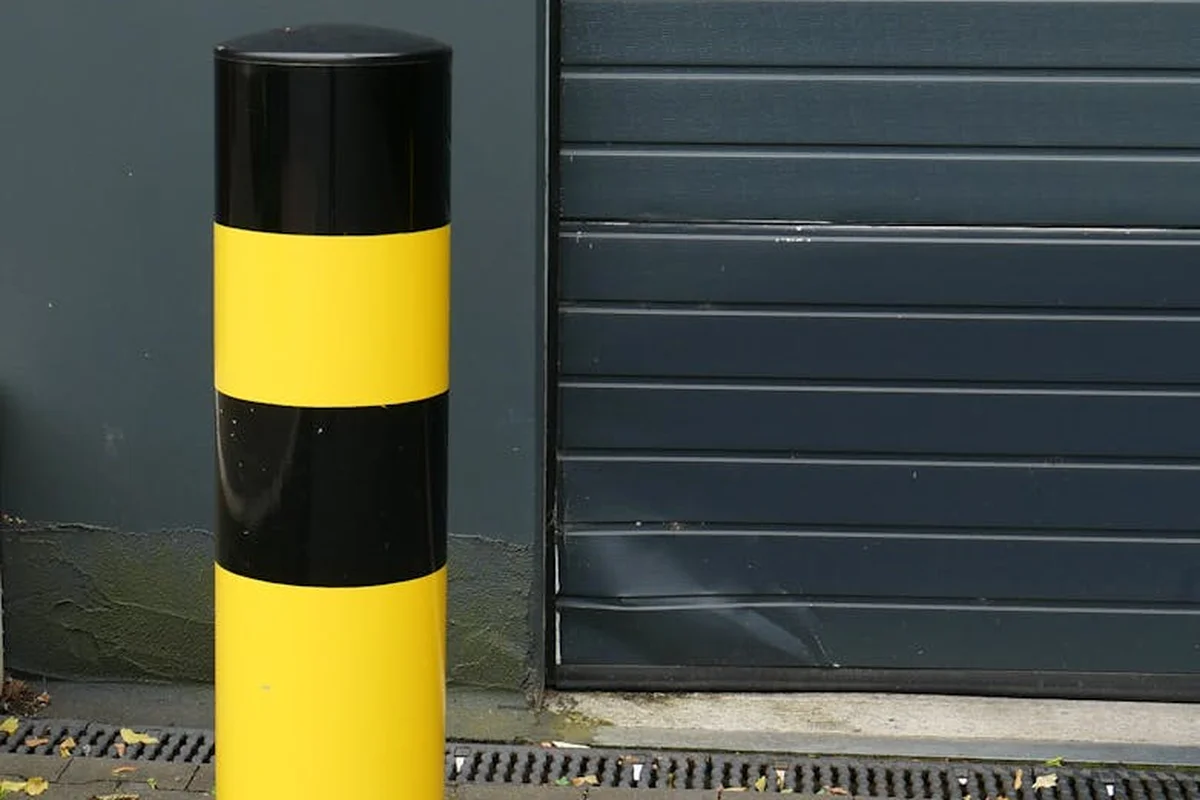
I love a good DIY project. But over the years, I’ve learned that knowing when to call a pro isn’t a sign of weakness, it’s smart security. Some jobs require specialized tools and training to do right, and getting them wrong can leave your home vulnerable or put you in real danger.
The Limits of DIY Security Upgrades
There are three areas where I always recommend homeowners bring in a certified technician.
- Spring Replacement or Adjustment: This is the number one rule. I won’t even walk you through the steps. The tension in those springs, especially torsion springs mounted above the door, is immense and lethal if released incorrectly.
- Repairing Major Door Panel Damage: If a panel is severely dented, cracked, or separated, it compromises the door’s structural integrity. A pro can assess if it can be repaired or needs a full section replacement to maintain strength against forced entry.
- Complex Smart Home or Opener Integrations: Wiring a new opener into an existing security system or configuring advanced, encrypted wireless protocols can get technical. A professional ensures the integration is seamless and doesn’t create a new digital vulnerability.
What a Pro Security Check Should Cover
When I perform a security assessment for a client, I don’t just look at the lock. I conduct a full system health check. A thorough professional should do the same.
They will test the door’s balance. Here’s how: with the opener disconnected, they manually lift the door halfway and let go. A properly balanced door will stay in place. If it slams down or rises, the spring tension is wrong. An unbalanced door is easier to force open and strains the opener.
They will calibrate the opener’s force and travel limits. The force settings determine how much resistance the opener pushes against before stopping. Too little force, and the door won’t close against a minor obstruction, leaving it open. Too much force is a safety hazard. They’ll use a specific tool, like a Kwik-Hanger gauge, to set the exact downforce needed for a secure close.
They will inspect the entire structure. This means checking every roller, hinge, and bracket for looseness. They’ll examine the horizontal and vertical tracks for dents or misalignment that could let the door be pried from its track. They’ll also verify the strength of the door’s center support and bottom bracket, where attack often happens.
The Hard Truth About Garage Door Springs
This point can’t be overstated. You should never, under any circumstances, try to adjust or replace garage door springs yourself. The risks involved are significant.
The springs do all the heavy lifting. Torsion springs, the kind that wind up on a metal shaft above the door, are under extreme tension. To give you an idea, the energy stored in a snapped torsion spring is similar to the spring in a car’s suspension failing. It can whip with enough force to cause serious injury or worse.
Professionals use the right steel winding bars, safety cables, and clamps. I’ve seen the aftermath of a DIY spring job gone wrong, and it’s not just a broken door. It’s a trip to the emergency room. This is the single most dangerous part of your garage and the one task you must leave to a trained technician every time.
Your Garage Security Questions, Answered by a Pro
Is reinforcing my existing garage door enough, or should I replace it?
For most modern steel-back doors, reinforcement is sufficient. Focus on upgrading rollers, adding a slide bolt, and securing the emergency release. However, if you have an old, single-layer aluminum or wood door with significant warping or rot, a full replacement with an insulated steel model is a better long-term security investment.
What’s the single most important daily habit for garage security?
Physically verifying the main door is fully closed and locked. Never rely solely on the remote or app. Get in the habit of walking to the door to confirm it’s seated in the tracks and your manual slide bolt is engaged before bed or leaving home.
I have a smart opener. Do I still need physical locks?
Absolutely. Smart systems are for monitoring, control, and alerts. A physical slide bolt is your fail-safe against the primary physical attack: manually lifting the door after defeating the opener mechanism. Use both for layered security.
How do I secure windows without blocking my emergency escape route?
For windows designated as fire exits, use quick-release interior bars or keyless sash locks. For non-escape windows, you can install more permanent keyed locks or screwed-in bars. Always prioritize a rapid, tool-free exit from the inside.
What’s a quick “health check” I can do on my door’s security monthly?
With the door closed, push firmly on the center of an upper panel. If it flexes inward more than an inch, your rollers and tracks likely need adjustment or replacement. Excessive flex makes prying attacks easier and signals needed maintenance.
Securing Your Garage for the Long Haul
Treat your garage door like the primary barrier it is, not just a moving panel. The most effective security comes from combining a physically reinforced door with vigilant habits. A secure close to the garage door opening is essential to prevent unauthorized access. A quick check helps ensure it fully seals every time. Keep these core actions in mind:
- Inspect and reinforce the door’s center and top sections where it’s weakest.
- Upgrade to a solid deadbolt or smart lock on the service door.
- Maintain motion-activated lighting to eliminate shadows after dark.