
How Do I Replace the Weather Stripping on My Garage Door to Prevent Drafts and Water Leaks?
Is a draft or a puddle in your garage driving you nuts? I’ll give you the straightforward steps to replace that worn weather stripping yourself.
We will cover choosing the correct type of seal, safely removing the old material, securing the new stripping with the right tools, and checking your work for a perfect seal.
I’ve handled this exact job on dozens of garage doors in my years as a residential garage care specialist.
Spot the Signs: Is It Time to Replace Your Weather Stripping?
You don’t need special tools to diagnose a bad seal. Your eyes, hands, and even your ears will tell you. Look at the rubber or vinyl strip that runs along the bottom of your door and the sides where it meets the frame. I’m checking for a few clear things.
- Cracks and Splits: Sun and cold make the material brittle. It will start to look like dry, cracked leather.
- Flattening or Crushing: An old seal loses its spring. Instead of a rounded bulb shape, it gets flat and won’t press firmly against the ground or frame.
- Visible Gaps: Look for daylight shining through when the door is closed. Even a small gap is a big problem.
- Mold or Mildew: Dark spots mean moisture is getting trapped. This is common on the bottom seal.
Your house will also give you clues. If you feel a cold draft near the garage entry door, that’s a major sign. Find small puddles of water or dirt tracks after a rainstorm? The seal isn’t doing its job. I’ve even seen mice and insects use these gaps as a front door. A sudden increase in street noise coming from the garage is another hint the seal has failed.
The best test is the finger test. Press your thumb firmly into the bulb of the weatherstrip. Good rubber should feel firm but pliable, and it should spring back to shape immediately. If it feels hard, brittle, or leaves a permanent dent, it’s done.
The Garage Pro’s Plan: Tools, Time, and Difficulty
This is one of the most straightforward maintenance jobs for your garage. On a difficulty scale of 1 to 10, I rate it a solid 3. The active work takes about 60 to 90 minutes for a standard two-car garage door. It’s a perfect solo job. The only time I ever ask for a helper is when I’m measuring the long bottom seal on a very wide door; a second pair of hands keeps the tape measure straight and makes noting the length easier. Even so, many homeowners opt for common garage door repair maintenance services for routine tune-ups and safety checks. These services typically cover lubrication, balance testing, track alignment, and overall system inspection to keep everything running smoothly.
Your Gearhead’s Checklist for the Job
You don’t need a fancy toolbox. Here’s exactly what I use and why.
- Tape Measure: A 25-foot Stanley PowerLock is my go-to. You need an accurate length for the bottom seal to avoid a poor fit.
- Utility Knife: For cutting the new seal cleanly. I strongly prefer a retractable blade like the Milwaukee Fastback. The one-handed open/close is safer when you’re on a ladder.
- Flathead Screwdriver: A medium size, like a 3/16-inch tip. This is for prying out the old retaining nails or staples from the side channel seals. A pry bar is overkill and can damage the door frame.
- Needle-Nose Pliers: These are for pulling out any stubborn old fasteners the screwdriver can’t get. Channellock’s 6-inch model has a good grip.
- Rubbing Alcohol & Clean Rags: This is a critical prep step. After removing the old seal, wipe down the channel and door bottom with alcohol to remove all dirt, grease, and old adhesive. A clean surface makes the new seal stick properly.
For materials, you need a replacement weather seal kit. These typically include a long bottom seal (often called an astragal) and two side seals. I usually buy the Frost King brand from the hardware store; it’s durable vinyl that holds up well. Have a small tube of clear, exterior-grade silicone sealant (like GE Silicone 2) on hand. If the ends of your new bottom seal don’t butt up perfectly, a dab of silicone seals the tiny gap and keeps water out. That work naturally leads to installing the garage door seals and the threshold. A proper threshold finish blocks drafts and moisture at the floor line.
A common question is about cost. For a quality vinyl kit for a 16-foot wide door, you’re looking at $40 to $70. The specialty rubber kits cost more, around $80 to $120, but I only recommend those for very specific, high-moisture situations. The standard vinyl works perfectly for 95% of homes. These figures are part of typical garage door cost prices to consider when budgeting. Keep in mind that installation and hardware can influence the total, so it’s wise to compare overall costs rather than just kit prices.
Picking the Right Seal: A Guide to Weather Stripping Types
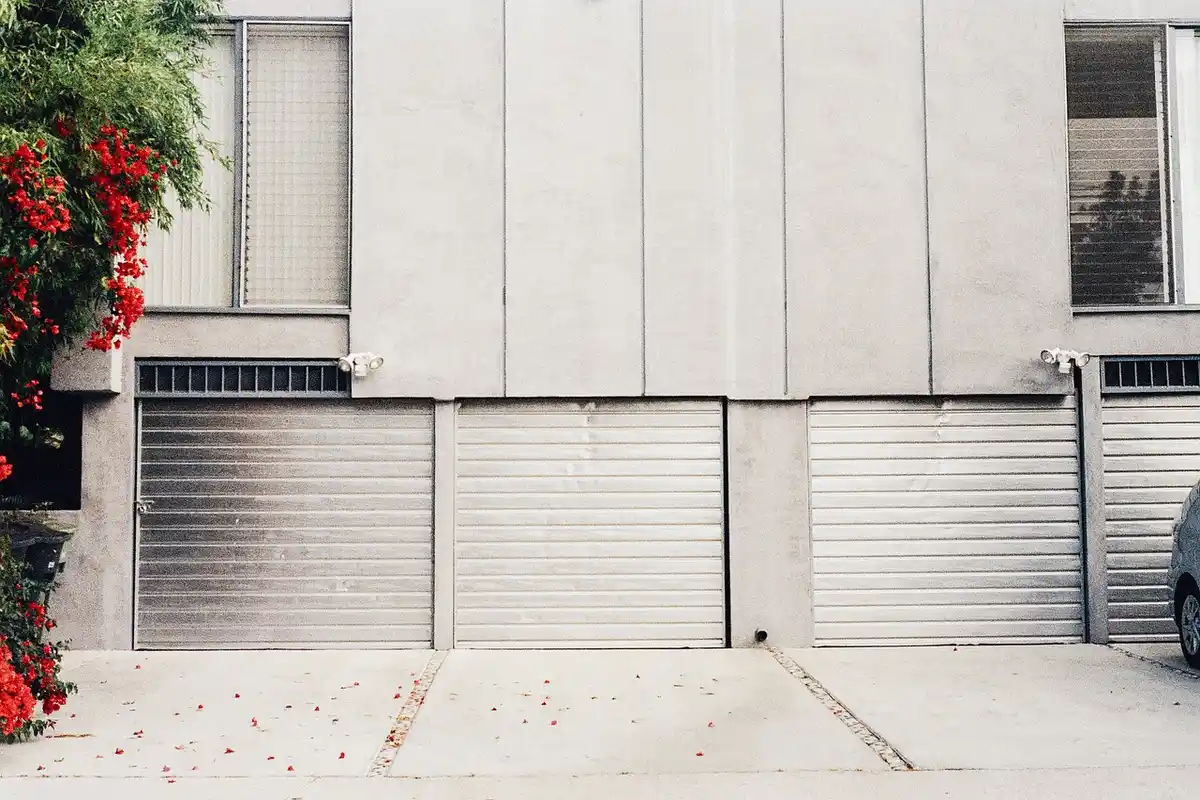
The best weather stripping for your garage door depends on which part of the door you’re sealing and what kind of weather you face. I’ve tried most types in my own shop, and here’s how they break down. If you’re looking to install or replace garage door weather seals, this guide will walk you through the process. We’ll cover what to consider and how to choose the right seal for your setup.
Bottom Seals: Your First Line of Defense
The seal on the bottom of your door takes the most abuse. It scrapes the floor every time you open and close.
- T-Bulb Seal (Vinyl): This is the most common replacement. It has a T-shaped stem that slides into a channel on the door’s bottom rail and a round, hollow bulb that presses against the floor. Think of the bulb like a stiff garden hose-it squishes down to fill gaps. It’s a good, affordable all-rounder. Brands like M-D Building Products make reliable versions.
- Astragal Seal (Rubber): This is a thicker, heavier-duty option. Instead of a hollow bulb, it’s a solid piece of rubber, often with a finned design. It’s like comparing a stiff rubber floor mat to a pool noodle. I prefer this style in rainy climates because it doesn’t hold water and has more weight to block wind. It can be trickier to install in the channel, though.
- Vinyl Bottom Retainer Kits: Some doors have a completely worn-out retainer channel. Kits that include a new aluminum retainer and a vinyl insert are a permanent fix. I keep a Genie brand kit on my truck for these jobs.
Top and Side Seals: Stopping Sneaky Drafts
These seals line the inside of your door frame to cushion the closed door.
- Vinyl Bulb Seal: This is the standard. It’s a strip of metal or plastic with a tubular vinyl bulb attached. It’s like a long, skinny bike tire tube. It compresses nicely and is easy to nail in place. For most garage doors, this is what you’ll buy.
- Foam-Backed Rubber Tape: This is an adhesive-backed strip. I only use this as a temporary fix or on very old doors where nailing isn’t possible. The foam compresses over time and the adhesive fails, especially with temperature swings. It’s a band-aid, not a cure.
- Solid Rubber Seal: A denser, more durable choice. If you have a heavy wooden door or live where it gets extremely hot, solid rubber holds up better than vinyl, which can become brittle. It costs more but lasts years longer.
Pick vinyl bulb seals for standard doors in cold climates, and move to solid rubber if you deal with intense summer heat and humidity where vinyl might crack. Avoid foam tape for any permanent installation on a working garage door, especially if you plan to insulate your garage door.
Step-by-Step: How to Remove Old Stripping and Install the New
This isn’t a hard job, but doing it in the right order makes everything fit perfectly. Grab your utility knife, a flathead screwdriver, a tape measure, and a drill or hammer.
Step 1: Measure and Buy the Right Amount
Don’t guess. A mistake here means a second trip to the store.
- For the bottom seal, measure the exact width of your garage door’s bottom rail from one end to the other.
- For the top and side seals, measure the perimeter of the door opening. Measure down one side, across the top header, and down the other side. Add these three numbers together.
Buy at least one extra foot for each type of seal to account for cutting errors. Weather stripping is sold in specific lengths (like 9 ft or 16.5 ft). Round up to the next available size.
Step 2: How to Remove the Old Garage Door Weather Stripping
Start with the door closed. Put on safety glasses-old bits of rubber and metal can fly.
- Bottom Seal: Find the end of the old seal in the metal retainer channel. Grab it with pliers and pull straight out. If it’s stubborn, slide a flathead screwdriver (I use a 6-inch Husky pry bar) between the seal and the channel to help pry it loose.
- Top and Side Seals: These are usually held by nails or screws into the wooden door frame. Use a claw hammer or a drill with a screwdriver bit to remove every fastener. Pull the old seal away from the frame.
- Clean the Track: This step is non-negotiable. Once the old seal is out, wipe out the bottom rail channel and the wooden frame with a rag and rubbing alcohol. You need a clean, grease-free surface for the new seal to sit flush. A dirty channel is why new seals sometimes pop out.
- If an old screw head strips or a nail is stuck, don’t force it and risk damaging the frame. Use locking pliers to grip and turn the screw, or drill out the head with a bit slightly larger than the screw’s shaft.
Step 3: Cut and Fit the New Bottom Seal
Lay the new bottom seal on a scrap piece of wood before cutting.
- Measure and mark your cut line on the seal’s rigid top strip (the “T” part), not on the soft bulb.
- Use a sharp utility knife-I like the Milwaukee Fastback-and cut with firm pressure using the wood as a backing. A dull knife will mash the vinyl and give you a ragged edge.
- To install, start at one end of the door’s bottom channel. Insert the T-stem into the slot and use your fingers to push it in. For the last few inches, it gets tight. A flathead screwdriver can help gently tap the seal into the channel, but don’t gouge the rubber.
- At the corners, make a single, clean 45-degree cut in the T-stem so it bends neatly around the corner without buckling. The bulb will curve naturally.
Step 4: How to Attach New Top and Side Seals
Most seals come with nails. If yours doesn’t, use 3/4-inch galvanized roofing nails or exterior-grade screws.
- Start at the top corner of the door frame. Hold the seal in place so the bulb will be compressed when the door is closed. The mounting flange should be flush against the frame.
- Have a helper hold the roll, or unroll a few feet at a time. Keep the seal taut as you work your way down. A sagging seal won’t work right.
- Put your first fastener in at that top corner. Then, add fasteners every 6 to 8 inches along the strip. Don’t overdrive nails or screws-stop when the head is snug against the seal flange. Overtightening will pinch and distort the bulb.
- When you reach the bottom corner, cut the seal straight across with your utility knife. Start the vertical piece for the other side of the door, butting its end tightly against the first piece. This creates a clean seam in the corner where water is less likely to penetrate.
Step 5: The Final Check and Optional Sealant
Open and close the door a few times. Watch how the new seals meet the floor and frame. Look for any obvious gaps.
If you see a tiny gap at a corner seam or where the bottom seal meets the floor, a thin bead of clear, paintable silicone caulk can bridge it. I keep a tube of GE Supreme Silicone in my kit for this. Run a small bead, smooth it with a wet finger, and let it cure as per the instructions.
Do not slather sealant along the entire length of the weather stripping. You’ll create a mess and trap moisture, which can rot wooden frames. The seal itself should do 99% of the work. The caulk is just for insurance on those minor imperfections.
Testing Your Work: Is the Seal Truly Tight?
The job isn’t done until you’ve proven it works. You can’t just eyeball it. I always run these three simple tests on every door I seal—not just the corners and sides where the seal is most vulnerable. They’re quick and tell you exactly what you need to know.
The Dollar Bill Test for Sides and Top
This is my go-to for checking compression. It’s the same idea as checking your car door seal. With the garage door fully closed, take a dollar bill and try to slide it between the new weather stripping and the door frame. Do this in several spots along the top and down each side.
If the bill slides out with little to no resistance, your seal isn’t tight enough and needs adjustment. You want to feel a firm tug when you pull the bill. A perfect seal will grip it snugly.
The Nighttime Light Test
This one is fantastic for spotting tiny, missed gaps. Wait until it’s dark outside and turn on the garage light. Go outside, close the garage door, and stand facing it.
Look for any slivers or beams of light escaping around the door’s perimeter. Even a thin line of light means a draft, bugs, and eventually dust can get in. Mark any spots you see with a small piece of painter’s tape so you can find them easily in daylight.
The Hose Test for Water Leaks
This is the final exam, especially for bottom seals. On a dry day, use a garden hose to gently spray water along the base of the closed door and where the side seals meet the ground. Don’t blast it with a pressure washer nozzle; use a gentle shower setting. After a minute, go inside and check for any drips or wet tracks.
Seeing water inside means your seal is failing the most important job-keeping the elements out. Pay close attention to the corners, as that’s where leaks often start.
Quick Fixes for Failed Tests
Don’t panic if a test fails. Most issues have a straightforward fix:
- Seal Not Compressing: If the dollar bill slides out, the seal might be seated too deep in its track. Carefully pry it out slightly with a flat-head screwdriver to increase its “puffiness” against the door.
- Visible Gap from Light Test: Check if the seal is kinked or rolled. Reseat it in its channel. If the gap is because the door itself is warped or the frame is uneven, you may need to add a second layer of foam tape behind the seal to build it out.
- Water Leak at Bottom: First, check that the bottom rubber is flat on the floor. If it’s too high, loosen the retaining bolts, push the seal down, and retighten. If water is sneaking under because your concrete slopes away, you might need a more aggressive threshold seal.
Keep It Sealed: Maintenance and Troubleshooting
Installing it right is half the battle. Keeping it working for years is the other half. A little routine care prevents big problems later.
Your Bi-Annual Maintenance Routine
I put a reminder in my phone for spring and fall. The whole process takes 10 minutes. You’ll need a bucket of warm, soapy water (I use a few drops of Dawn), a soft brush or rag, and a silicone-based garage door lubricant (I prefer Genie’s brand).
- Wipe down the entire length of the vinyl or rubber seals with your soapy rag to remove grit, road salt, and spider webs. This grit is what wears down the seal over time.
- Rinse with clean water on your rag-don’t hose it directly, as you might force water behind the seal.
- Once dry, apply a light coat of silicone lubricant to the rubber surfaces. This simple step keeps the rubber pliable, prevents cracking, and helps the door slide smoothly against it. Avoid petroleum-based products, as they can degrade rubber.
Troubleshooting Common Issues
Even with good care, things happen. Here’s how I handle the most frequent calls.
Seal Peeling or Falling Out of Its Track
This is usually caused by a dirty channel or an improper initial installation. Clean out the metal or plastic track with a brush and some rubbing alcohol to remove all old adhesive and dirt. For a stubborn seal, a light mist of hairspray in the track acts as a fantastic temporary tackifier to hold it in place while you press it back in.
Uneven Gaps After Installation
If your light test shows a gap only on one side, your garage door is likely out of alignment and not sitting square in the opening. Do not try to over-compensate by stuffing more seal into the gap. This will cause the door to bind. The real fix is to adjust the door’s limit and travel settings on the opener or check the tension on the spring system-a job I typically recommend a pro handles for safety.
Door Binding or Straining to Open/Close
This is a safety issue. If your new weather stripping makes the door hard to move, it’s too tight. Immediately disconnect the opener by pulling the red emergency release cord and operate the door manually. You should feel a consistent, light resistance. If it’s dragging, your bottom seal is likely pushing too hard on the floor. Loosen the bolts on the retainer bar and raise it a quarter-inch, then retest.
Adjusting the Bottom Seal
The bottom seal is the workhorse and often needs fine-tuning. If it’s too loose, you’ll get drafts and leaks. If it’s too tight, it wears out fast and strains the opener. The adjustment is at the ends, where the J-style retainer bar bolts to the door. Loosen those bolts just enough so you can slide the seal up or down. You want the rubber to just kiss the floor along its entire length, creating a visible compression line without a heavy drag mark. Tighten the bolts and run the hose test again.
Advice for Severe Weather Climates
Standard seals are good, but extreme cold, heat, or wind demand more. In very cold climates, rubber can get stiff. I look for seals labeled “arctic” or “cold-temperature” rubber, like those from M-D Building Products. For areas with driving rain or snow, consider adding a galvanized steel threshold under the door. You screw it to the concrete, and the bottom seal compresses against it, creating a formidable dam. In hot, sunny climates, make that bi-annual lubrication non-negotiable; the sun will dry out and crack rubber faster than anything.
FAQ: Weather Stripping Replacement from a Garage Care Pro
What’s the one tool I shouldn’t skip for a clean weather strip installation?
A utility knife with a fresh blade is non-negotiable. Dull blades mash the vinyl, leading to ragged cuts and poor seals. Always cut on a scrap wood block for a straight, clean edge every time.
My old weather stripping is glued or painted over. How do I remove it without damaging the door?
Use a heat gun on low setting to soften adhesive or paint, then gently pry with a putty knife. For stubborn residue, apply a citrus-based solvent and scrape carefully. Never force it to avoid denting the door frame. These same steps apply to garage door paint removal, helping you strip coatings without gouging the surface. With garage doors, control heat and solvents carefully to avoid warping or denting the frame.
How do I choose between vinyl and rubber seals for my climate?
In cold, dry climates, vinyl is cost-effective and flexible. For hot, humid, or rainy areas, invest in solid rubber; it resists cracking and moisture better. Always check the seal’s temperature rating before purchase.
After installation, how do I know if my seal is too tight or too loose?
Operate the door manually; it should move smoothly with slight resistance. If it drags, the seal is too tight-adjust the bottom bracket. If you see light or feel drafts, it’s too loose-reseat the seal in its channel.
Final Thoughts on a Draft-Free Garage
In my years of garage repairs, I’ve learned that a successful weather-stripping job hinges on one thing: pressing the new seal firmly and evenly along the entire door frame to activate the adhesive completely. Here are the key practices I always follow when I replace the garage door seal:
- I use a utility knife with a fresh blade-my go-to is a Stanley-for clean cuts that prevent awkward gaps where drafts can sneak in.
- For the bottom seal, I install a durable vinyl bulb from a brand like M-D Building Products; it outlasts foam and seals tight against the concrete.
- Keep a rubber mallet handy to tap the stripping into place; it gives a more secure bond than finger pressure alone.
- Check your work by closing the door and feeling for cool air; if a dollar bill slides out easily, you need to reseat that section.