
Does Upgrading Your Garage Boost Your Home’s Selling Price?
If you’re wondering whether investing in your garage pays off when you sell, you’re asking the right question. I’ll give you the straight, shop-tested answer based on real market feedback and my own projects.
We will cover the specific return on investment for epoxy floors versus tiles, how to maximize storage appeal for buyers, why insulation is a hidden value-add, and which projects to avoid before listing your home.
My advice comes from years of hands-on work in residential garages, helping homeowners make smart upgrades that last and add real value.
Why Your Garage Matters to Home Buyers (The Bottom Line)
Forget the idea of a garage as just a dusty storage space. Today’s buyers see it as potential square footage. When buyers factor in garage space square footage, they imagine how much usable area it adds to the home. This shifts how they value the garage just as much as the living room. I’ve walked through hundreds of homes with clients, and a clean, organized garage that could be a gym, a workshop, or a mudroom makes a house feel larger and more functional.
We need to separate two ideas: perceived value and appraised value. The bank’s appraiser might not add a specific dollar amount for your epoxy floor. But the buyer’s emotional response absolutely affects what they’re willing to pay. Think of it like selling a car: a detailed, spotless car commands a higher price and sells faster than an identical model covered in dirt, even if they both run perfectly. Your garage sets a critical first impression about how you’ve maintained the entire home. That initial impression can subtly influence how the appraiser weighs the home’s condition as a whole, even if the garage isn’t a separate line item. A well-kept garage—clean epoxy floor, good lighting, and tidy storage—signals better maintenance and can nudge the appraisal value upward, illustrating how a garage affects appraisal value.
Garage Flooring: Your Home’s First (and Dirtiest) Impression
When a buyer opens your garage door, the floor is the single largest surface they see. Stained, cracked concrete whispers neglect. A clean, coated floor shouts care and opens up possibilities. People ask me all the time about the direct return on investment. You rarely get back 100% of what you spend on flooring, but a great floor can be the feature that makes your home the one they choose over a competitor’s, potentially securing your full asking price.
The Durability Verdict: Coating vs. Tiles
Choosing the right product means matching it to your use. For coatings, the big divide is between DIY epoxy and professional polyaspartic. I used a popular Rust-Oleum rock-solid kit in my first house. It looked great for a year, but where my wife parked her car, the summer heat caused “hot tire pickup,” lifting the coating. It never fully recovered. For a permanent solution, a professionally applied polyaspartic coating is superior; it cures harder, resists chemicals and UV yellowing, and won’t lift from hot tires, but you pay for that performance.
For tiles, I’ve installed both interlocking PVC and rigid polypropylene. The PVC tiles from a company like Forgarageworks are excellent for most home gyms and general use-they’re easy to cut with a utility knife and snap together. For a true workshop with heavy tool chests or a car lift, you need the heavier-duty polypropylene tiles. They handle point loads much better. Long-term, any protected floor is better than bare concrete; an oil stain on raw concrete is a red flag that makes buyers wonder what else has been ignored.
Cost & Budget: Flooring Tiers
Your budget dictates your path. Here’s how I break it down based on jobs I’ve done and seen.
- Good (Low Cost): DIY acid-etch and a penetrating sealant. This won’t give you a glossy finish, but it seals the concrete against stains and dust. It’s a basic cleanup that shows effort.
- Better (Moderate Investment): A quality two-part DIY epoxy kit with a full flake broadcast. The key is the prep. If you don’t rent a concrete grinder and properly profile the floor, it will fail. This route demands a full weekend and serious labor.
- Best (Premium Solution): A professionally applied polyaspartic or hybrid coating. Pros use industrial grinders and commercial-grade materials. You’re paying for guaranteed durability and a warranty that often transfers to the new homeowner.
Remember the hidden costs. A concrete grinder rental can cost $100+ per day. You’ll need diamond grinding cups ($40-$80 each), edge grinders, and proper safety gear (respirator, goggles, hearing protection). If you’re removing an old coating, disposal of that hazardous material adds more cost and labor.
Maintenance & Cleaning Routine
A finished floor is easy to keep buyer-ready. My routine is simple. I sweep mine weekly with a heavy-duty push broom to get grit off. Every month or so, I give it a damp mop. Always use a pH-neutral cleaner like Simple Green; harsh acids or degreasers can dull or damage the coating over time.
For spills, speed is everything. Keep a bag of oil-absorbent, clay-based “kitty litter” on a shelf. If you drip oil or coolant, pour the litter on it immediately, grind it in with your foot, and let it sit overnight. It will suck up nearly all the liquid. Sweep it up in the morning, and follow with your pH-neutral cleaner on any residue. This method has saved my floor more times than I can count.
Garage Insulation: The Comfort Upgrade That Pays Off
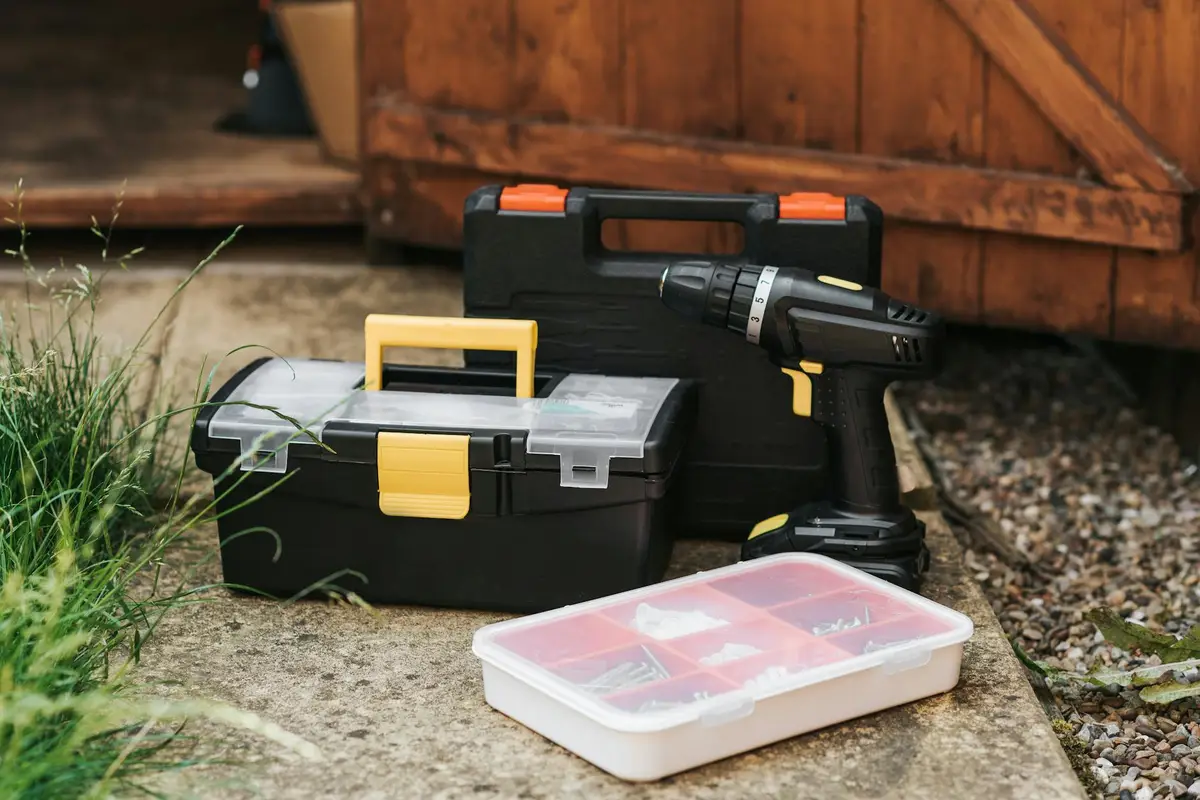
Does an insulated garage add value to a home? Is insulating a garage worth it for resale? In my experience, yes, but not always as a direct dollar-for-dollar return on your receipts. The real value is in finishing the space.
An insulated garage is a *convertible* space. It tells a buyer this area is clean, comfortable, and ready to be more than a dump zone. They see a home gym, a workshop, or safe storage for temperature-sensitive items. That vision is a powerful selling point. Understanding garage insulation requirements and their benefits helps explain why that space stays comfortable and energy-efficient year-round.
Where Insulation Adds the Most Value
You don’t have to insulate every square inch to make an impact. Focus your effort and money where it counts most.
If you have a room above the garage, insulating that ceiling is your number one priority. It stops heat transfer, making the living space more comfortable and energy-efficient. This is a tangible benefit any buyer will appreciate, especially if you’ve taken the time to insulate the garage ceiling properly.
Next, look at the shared wall between your house and garage. Proper insulation and sealing here prevents car fumes and extreme temperatures from seeping into your home. It’s a basic health and safety upgrade. Additionally, improving garage ventilation helps prevent moisture and fumes from building up, keeping indoor air cleaner and reducing humidity-related issues.
For a visible touch that signals a cared-for home, add an insulation kit to your garage door. I’ve used the foam panel kits from brands like Owens Corning. They cut down on noise and make the space feel less like an oven in summer. When buyers see that clean, finished door interior, it immediately sets your garage apart.
Cost & Budget: Insulation Tiers
You can approach this project at different levels, depending on your budget and goals.
The “Good” tier is DIY batt insulation for the walls and ceiling. You can buy rolls of fiberglass or mineral wool batts from any home center. Wear a respirator, gloves, and long sleeves. Cut them to fit snugly between the studs and joists. It’s messy but straightforward, and it makes a huge difference over bare drywall or sheathing.
The “Better” tier adds a vapor barrier over your batt insulation and tackles the garage door. The plastic sheeting (I use 6-mil poly) stapled over the studs prevents moisture problems. Pair this with a garage door insulation kit. This combination shows a buyer you’ve thought about comfort and building science.
The “Best” tier is closed-cell spray foam applied to the walls and ceiling. I hire pros for this. It creates an air-tight seal, offers the highest R-value per inch, and reinforces the structure. It’s expensive, but it turns your garage into a truly conditioned space. This is what you do if you’re creating a premium man-cave or she-shed.
Remember the hidden costs. Insulation often needs a finished layer, like drywall, which adds labor. You must install fire-rated caulk or foam around any penetrations in the shared house wall. And never block your garage ventilation; a sealed space needs proper airflow to manage humidity.
Garage Storage & Organization: Showing Off Usable Space
Does garage storage increase home value? How much value does a finished garage add? The answer is about perception. Empty, organized walls suggest abundant, usable space. Cluttered floors suggest a problem the buyer has to solve.
A well-organized garage doesn’t add square footage, but it makes every square foot look and feel more valuable. A multi purpose garage design shows how the space can flex between parking, storage, a workshop, and hobby zones. This approach links efficiency with adaptable layouts you can implement. Your goal is to show a clear, flexible vision for how the space can be used.
Do Garage Cabinets Increase Home Value?
Good storage systems can sway a buyer, but the type matters. I see two main paths: cabinetry or wall systems.
For cabinets, welded steel units like those from NewAge or Bold look and feel like built-in furniture. They convey permanence and a high-end finish. I’ve installed the NewAge Pro series in my own shop; the doors close solidly and they handle weight well. Modular plastic systems are lighter and cheaper, but they can feel temporary to a buyer scrutinizing your home’s finish level.
For walls, I almost always recommend a French cleat system over slatwall. Slatwall panels, like the PVC ones from Garage Escape, are fine for lighter tools. But for maximum flexibility and strength, nothing beats 3/4-inch plywood cleats. You can build and rearrange shelves, racks, and cabinets of any size in minutes. It shows a buyer a hyper-functional, workshop-ready space. It’s the system I use and trust for heavy tool storage.
The Minimalist’s Guide to Buyer-Ready Organization
Prepping your garage for sale isn’t about building your dream shop. It’s about creating a clean, neutral canvas. Here is my step-by-step approach.
- Clear all clutter. Have a ruthless yard sale or rent a dumpster. If you haven’t used it in a year, you probably don’t need it slowing down your sale.
- Install one cohesive storage system. Pick either a clean run of cabinets or a wall of French cleats. Keep it simple and matching. This demonstrates capability without overwhelming.
- Organize thoughtfully. Place items inside cabinets or on sturdy shelves. Keep like items together.
- Leave it half-empty. This is the key. An overstuffed system looks limiting; a partially empty one suggests you’re offering the buyer ample room to grow into.
Avoid over-personalizing with extreme custom built-ins, like a permanent motorcycle lift platform or a floor-to-ceiling fishing rod rack. A buyer might just see a project they have to tear out. Stick with flexible, high-quality systems that appeal to the broadest need for organized storage.
The Top Value-Adding Upgrades (And One That Might Not)
What Garage Improvements Add the Most Value?
Not every dollar you put into the garage gives you the same return. Based on what I see with clients and talking to real estate pros, here’s how I rank the impact. There’s a common myth that a garage conversion always boosts resale value, but the reality is more nuanced. Understanding where that myth breaks down helps you decide where to invest.
Start at the top with a new garage door. It’s the single biggest visual change you can make. A modern, insulated door from a brand like Clopay or LiftMaster immediately improves curb appeal. I’ve seen homes where this was the only garage upgrade, and it made the whole property feel newer.
A durable floor coating is a close second for creating a strong first impression. I prefer a 100% solids epoxy kit, like what you get from Legacy Industrial, over the big box store water-based paints. The thicker epoxy resists tire pick-up and chemicals much better. When a buyer opens the door and sees a glossy, pristine floor, they see a clean, well-maintained space, not a dirty workshop.
Clearing the floor is powerful, which is why I recommend sturdy overhead storage racks. Brands like NewAge or SafeRacks make steel units that bolt to the ceiling joists. Getting boxes and seasonal gear off the floor makes the garage feel enormous. Buyers can instantly imagine parking their cars or setting up a gym, which is the goal.
Basic insulation and drywall finish the space. You don’t need a full HVAC system. Just insulating the walls with batts and covering them with painted drywall turns a construction zone into a usable room. It signals to a buyer that the space is clean, controlled, and an extension of the home.
One common question: does a detached garage add more value than an attached one? Often, yes. An attached garage is expected. A clean, well-built detached garage sparks ideas for a workshop, a home business, or even future conversion to an accessory dwelling unit (ADU), which can be a huge value driver in some markets.
The Electric Vehicle Charger Question
This one requires a practical approach. Installing a full, hardwired branded charger like a ChargePoint might not be the best use of your pre-sale budget.
Instead, have a licensed electrician run a 50-amp circuit to a 240-volt outlet (a NEMA 14-50 receptacle) near where a car would park. This costs a fraction of a full charger install and is the universal prep work every EV owner needs. You’re selling them a “car-ready” garage. They can then plug in the portable charger that comes with their new car or choose their own wall unit later. It’s a smart, future-ready upgrade that doesn’t lock a future buyer into one brand.
Putting It All Together: Cost, Scope, and Your Timeline
How Much Does It Cost to Improve a Garage for Resale?
You can approach this at different levels, and your neighborhood should dictate your budget.
For a light refresh (under $1,500), focus on impact: a deep clean, a fresh coat of paint on the walls, new LED lighting, and an epoxy floor kit you install yourself. This is for making a decent garage look exceptionally well-kept.
A moderate upgrade ($3,000 – $7,000) is where you see the big shifts. This covers a professional floor coating, adding those overhead storage racks, insulating and drywalling the walls, and that 240V outlet prep. It transforms the space functionally.
A full finish-out ($10,000 – $15,000+) includes a new garage door, finished walls, upgraded electrical, and perhaps a mini-split for climate control. This makes sense if you’re in a higher-priced neighborhood where finished spaces are the norm. The key rule is don’t over-improve. The garage shouldn’t be the fanciest room in a house that’s otherwise average for the street.
The Pre-Listing Garage Tune-Up Checklist
Before any photos are taken or showings start, run through this list. It’s the same one I use when helping clients prep their homes.
Safety First. This is non-negotiable.
- Test the garage door auto-reverse. Place a 2×4 on the floor under the door. When the door hits it, it must reverse immediately. If it doesn’t, adjust the force settings or call a technician.
- Check for exposed wiring or damaged electrical boxes. Any Romex should be properly secured and protected.
- Press the “TEST” button on every GFCI outlet. They should trip and cut power. Reset them afterward. A failed GFCI is a red flag for buyers and inspectors.
Deep Clean Everything.
- Degrease the floor. I use a product like Simple Green Concrete & Driveway Cleaner and a stiff-bristle push broom. Rinse thoroughly. Any old epoxy or paint needs to be flawless or completely removed.
- Wash the windows and wipe down all door tracks and hardware.
- Clear every surface. Remove all tools, garden supplies, and stored items. This isn’t just cleaning, it’s helping the buyer see the space, not your stuff.
The Final Touch. Replace that old, yellowing fluorescent fixture with a bright white LED shop light. I’ve installed dozens of the 4-foot Hyperikon LED panels; they’re thin, linkable, and give a clean, daylight-quality light that makes every other improvement pop. Brightness equals newness in a buyer’s mind.
Frequently Asked Questions: Garage Upgrades & Resale Value
What is the ROI of epoxy garage flooring?
You won’t see a 100% ROI on paper, but a pristine floor helps secure your asking price by making your home the clear choice. The real ROI is in longevity; a professionally installed polyaspartic coating resists damage for decades, making it a lasting value feature. For a quick check, inspect your current floor for oil stains or cracks-these are the red flags a new coating eliminates.
Is insulating a garage worth it for resale?
Absolutely, but think of it as enabling future potential rather than a direct appraisal bump. It signals a clean, convertible space to buyers. Focus on the ceiling if there’s a room above and the shared house wall; these areas offer the most comfort and energy-efficiency payoff for a buyer.
Does garage storage increase home value?
It increases *perceived* value by showcasing usable space, which is critical for sale. Clutter makes a garage feel small; organized walls make it feel expansive. My immediate advice: clear the floor completely and install one cohesive system (like a run of cabinets) but leave it half-empty to suggest ample room.
What garage improvements add the most value?
Prioritize impact and broad appeal: a new garage door for curb appeal, a durable floor coating for a strong first impression, and overhead storage to clear the floor. These projects present a clean, functional, and well-maintained space that appeals to the widest range of buyers.
How much value does a finished garage add?
It adds significant “vision” value, allowing buyers to see extra living space, which can justify a higher offer. The key is a “finished” look: painted drywall, bright LED lighting, and a sealed floor. Before listing, ensure the space is bone-dry; any moisture smell will destroy that valuable perception instantly.
Investing in Your Garage, Investing in Your Home
The single biggest return comes from making your garage look and function like a clean, organized extension of your home. Focus on projects that a buyer can see and appreciate immediately, such as a durable floor coating or a well-planned storage wall. Keep these priorities in mind: install flooring that withstands daily use, add storage systems that organize rather than hide clutter, ensure insulation improves both comfort and energy efficiency, and maintain the entire space with consistent care.