
What’s the Real Cost to Replace Your Garage Roof?
If you’re staring up at sagging shingles or a water stain on the ceiling, you’re probably wondering just how big the bill will be to fix it.
In this guide, I’ll give you the honest numbers and walk you through what goes into them, from material choices to labor. We will cover how to get accurate estimates, the pros and cons of different roofing materials like asphalt and metal, what to expect from the labor, and the hidden costs that can surprise you.
I’ve managed dozens of these projects on my own property and for clients, so you’re getting shop-tested advice, not just theory.
Garage Roof Replacement Costs: The Quick Total
Replacing the roof on a standard two-car detached garage typically runs between $2,800 and $9,500 for a professional job, with do-it-yourself material costs starting around $1,200. A quick look at the best garage roofing materials cost can help you compare options for durability and value.
I like to frame quotes using a “Good, Better, Best” system. This helps you understand what you’re paying for.
- Good ($2,800 – $4,500): A basic 3-tab asphalt shingle overlay over one existing layer, on a simple, low-pitch roof with sound decking.
- Better ($4,500 – $7,000): A full tear-off of old roofing, new synthetic underlayment, and durable architectural shingles from a brand like GAF or Owens Corning.
- Best ($7,000+): This tier includes premium materials like standing seam metal or premium dimensional shingles, plus all new associated components like ice & water shield, aluminum drip edge, and copper flashing.
Garage size is the single biggest multiplier for your cost, so thinking in cost-per-square-foot is essential. Size is the main driver of the total project cost, so planning by footprint helps you set a realistic budget. Garage construction cost size becomes a key consideration as you estimate overall expenses. For a standard shingle roof, you can expect $3.50 to $8.00 per square foot professionally installed. A 24×24 garage (576 sq ft) has a roof area that’s larger than the footprint, often around 650 to 700 square feet depending on pitch.
Every estimate boils down to three core drivers: the materials you choose, the labor to install them, and the complexity of your roof’s shape and slope.
What Changes the Final Price Tag on Your Garage Roof?
Let’s walk through each factor like I’m reviewing a quote with a client. Real numbers make the abstract concrete.
Garage Size & Roof Pitch
Roofers measure in “squares,” one square equals 100 square feet. To estimate yours, multiply the garage length by width to get footprint area, then add about 15% for a simple low-pitch roof. A steeper pitch adds more surface area. I use a laser measure for accuracy, especially for one-car garages where precise measurements matter.
A steep pitch doesn’t just need more shingles; it needs more labor and safety equipment, which can add 20% or more to the labor cost. If I can’t walk on it safely without ropes and harnesses, the price goes up. A low, walkable roof is the most budget-friendly.
Existing Roof Condition
An overlay (putting new shingles over old) saves on tear-off and disposal fees. I rarely recommend overlays because they hide problems, shorten the new roof’s life, and are often against building code if more than one layer exists. A full tear-off, while more expensive upfront, lets me inspect and repair the wooden decking beneath. That’s the only way to do a 30-year job.
Hidden Prep Work
This is where budgets get strained. Once the old shingles are off, we see the truth.
- Rotted Decking: Replacing a 4×8 sheet of OSB or plywood costs about $50 in material plus labor. A garage might need a few sheets or a whole new deck.
- Rusted Metal: Drip edge and flashing are critical for directing water. I always replace rusted drip edge with new aluminum coil stock. Old chimney or wall flashing often needs to be remade.
- Fascia & Soffit: If water has rotted the fascia board behind the gutter, that’s a carpentry repair before roofing can even begin.
Your Location
Labor rates vary wildly. In my metro area, skilled roofers command a premium. In a rural region, labor might be less, but delivery fees for materials can be higher. Supply chain issues can also spike material costs locally; I’ve seen the price of OSB sheeting triple overnight during shortages. Always get at least three local quotes.
Permits & Disposal
These are line items homeowners forget. Most municipalities require a permit for a reroof, which can cost $100 to $300. You also need a 20-yard dumpster for the tear-off, which rents for $400 to $600 in my experience. Some pros bundle this, others don’t. Ask.
Ease of Installation Rating
For a standard gable roof with asphalt shingles, I give DIY a difficulty score of 6 out of 10. It’s physically demanding and requires ladder safety, nail gun skill, and attention to detail on starter courses and ridges. One wrong step can lead to a serious fall or a leak. I use a pneumatic coil nail gun from Bostitch for speed and consistency.
Project Time Estimate
For a two-person DIY team on a 24×24 garage:
- Active Work: 2 full days. Day one is tear-off, deck inspection/repair, and underlayment. Day two is shingling, including ridge caps.
- Total Project Time: 3-4 days. This adds time for material pickup, dumpster delivery/removal, meticulous cleanup with a magnet roller for nails, and final inspection.
A professional crew of three will often complete the same job, start to finish, in a single long day.
Roofing Material Showdown: Costs and the Durability Verdict
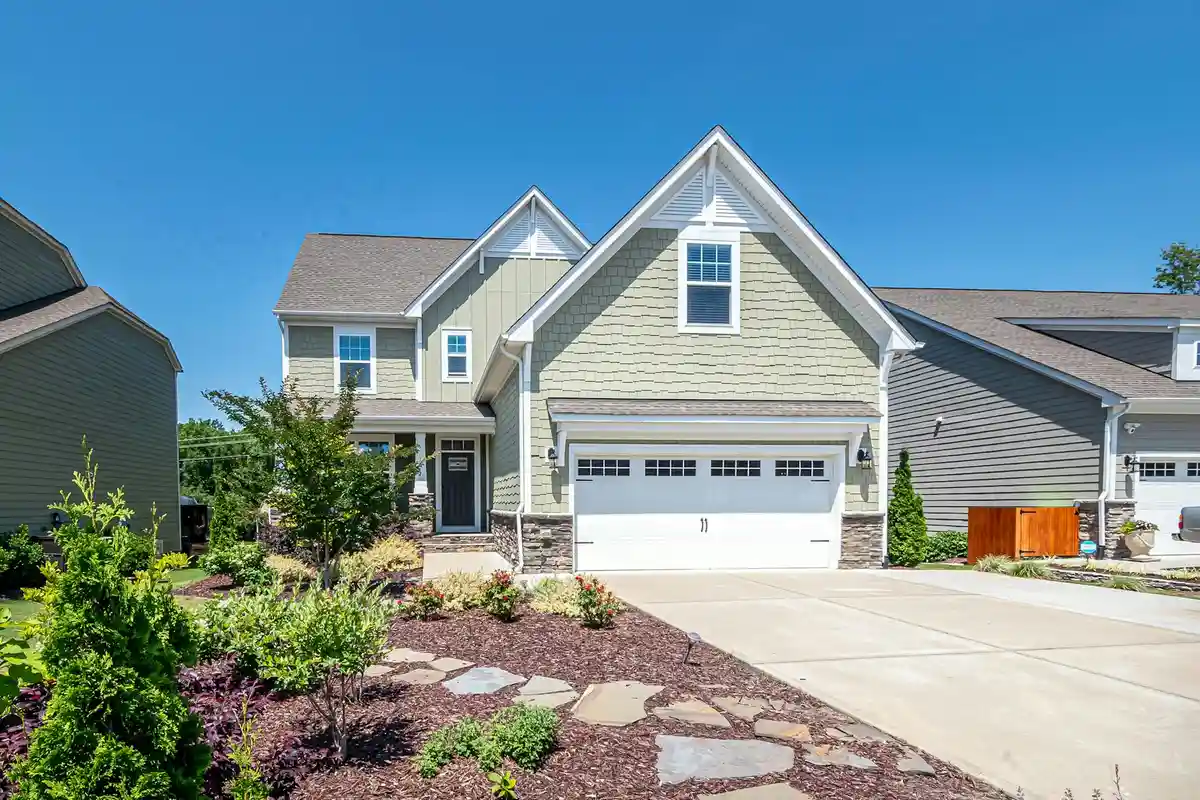
The material you choose sets the budget, defines the job’s difficulty, and determines how long you’ll go before doing this again. Let’s compare the main contenders for a garage roof.
3-Tab Asphalt Shingles (The Budget Pick)
This is your basic, no-frills roof covering. You see them everywhere because they’re cheap. I’ve put them on sheds and low-priority garages where the budget was tight. They come in bundles, and roofers price them by the “square,” which covers 100 square feet.
Expect to pay between $100 to $150 per square for just the materials. The finished look is flat and one-dimensional. The biggest downside is the lifespan; in my experience, you’ll be lucky to get 20 years out of them before they become brittle and start losing granules. They’re fine for a simple garage in a mild climate, but I don’t recommend them for homes with high winds or frequent hail.
Architectural Asphalt Shingles (The Standard)
This is what I install on most attached garages and nicer detached ones. They are thicker, have a layered, dimensional look, and use a stronger adhesive seal. The material cost runs higher, about $150 to $250 per square, but you get what you pay for.
The key advantage is wind resistance. Where a basic 3-tab shingle might be rated for 60 mph winds, architectural shingles are often rated for 110 mph or more. I’ve personally used GAF Timberline HDZ and Owens Corning Duration shingles on jobs, and their nail strip technology makes for a very secure installation. For most homeowners, architectural shingles offer the best balance of cost, looks, and a reliable 25 to 30-year lifespan.
Metal Roofing (The Long-Term Player)
Metal is a different beast. If you plan on keeping the garage for decades, it’s worth the upfront investment. You have two main styles. Corrugated panels are the classic “barn roof” look, often installed with exposed fasteners. Standing seam panels have raised seams that hide the fasteners, giving a cleaner look and better weathertightness.
Material costs jump significantly here, from $300 to over $600 per square. The installation is more specialized. The payoff is a roof that can easily last 40 to 70 years, shed snow effortlessly, and is highly fire-resistant. That payoff hinges on proper structural planning, including a garage roof load calculation. A quick assessment can flag any reinforcement needs. One thing homeowners don’t always consider is noise. During a heavy rain, a metal roof is louder than shingles. It’s not a dealbreaker, but it’s noticeable.
EPDM Rubber (For Flat & Low-Slope Roofs)
If your garage has a flat or very low-slope roof (common in many mid-century designs), shingles won’t work. EPDM is a black rubber membrane that comes in large rolls. There are two main ways to install it. A ballasted system lays the rubber down and covers it with smooth river stone. A fully adhered system glues the membrane directly to the roof deck.
The ballasted system is heavier but can be more forgiving. The adhered system is cleaner but requires perfect surface preparation. EPDM is incredibly durable against sun and temperature swings and can last 30+ years, but it must be installed on the correct slope, or it will pond water and fail.
The Durability Verdict
This table cuts to the chase on how these materials perform where it counts on your garage.
| Material | Weather Resistance | Weight | Expected Garage Lifespan |
|---|---|---|---|
| 3-Tab Asphalt | Fair. Prone to wind uplift and granule loss in storms. | Light | 15-20 years |
| Architectural Asphalt | Good. Much better wind and impact resistance. | Medium | 25-30 years |
| Metal (Steel) | Excellent. Sheds snow/rain, high wind ratings. Can dent from large hail. | Light to Medium | 40-70 years |
| EPDM Rubber | Excellent for UV/thermal cycling. Must have correct slope to drain. | Varies (Heavy if ballasted) | 30-50 years |
You might hear about other materials like modified bitumen (a torch-on product). For a typical detached garage, it’s overkill and requires a pro with a torch on your property, which I usually steer homeowners away from due to the fire risk.
Labor Costs: DIY vs. Hiring a Garage Roofing Pro
Labor isn’t just about nailing shingles. A professional quote breaks down into three main phases. The tear-off, which is removing the old roof and hauling it away, is hard, messy work. Installation is the skilled labor of putting the new roof on correctly. Cleanup is the final sweep and magnet run for nails. For a standard asphalt shingle roof on a 2-car garage, labor alone can range from $1,500 to $3,500, heavily dependent on your region and roof complexity.
Hiring a Pro: What You’re Really Paying For
You’re paying for speed, warranty, and most importantly, safety. A seasoned crew of three can reroof a standard garage in a single day. They bring all the tools, the dump trailer, and the know-how. The manufacturer’s warranty on your shingles is only valid if they are installed by a certified roofer following the exact specs. When vetting a contractor, don’t just get three bids. Ask for proof of liability and workers’ compensation insurance, check their license status with your state, and ask for local references you can actually call. It’s crucial because DIY methods often involve hidden costs and risks.
The DIY Route: A Realistic Tool List
If you’re handy and your garage is a simple gable roof, you can do this. But be honest about the tool and time investment. Here’s what you’ll need to build and install garage roof trusses.
- A roofing shovel (like the Bully Tool model I use) for tear-off.
- A coil roofing nailer (I rent a Hitachi NV45AB2). Don’t try this with a hammer.
- A sturdy extension ladder and roof brackets.
- A full fall arrest harness system. This is non-negotiable.
- Sturdy work boots with good grip.
Renting the nailer, compressor, and dump trailer might cost you $200-$400 for a weekend. The real cost of DIY is time and risk; a two-day job for pros can easily stretch into a week or more for a novice, with your garage contents exposed to the weather.
Critical Safety Note: Asbestos and Your Old Roof
If your garage was built before 1980, the old shingles or siding could contain asbestos. I need to be direct. You cannot and should not remove an asbestos-containing roof yourself. Disturbing it releases hazardous fibers. This is a job for a licensed asbestos abatement contractor. They will seal the area, use specialized wet removal techniques, and dispose of the material as hazardous waste. The cost is significant, but it is the only safe and legal path.
While you’re planning a roof budget, remember it’s a big project. Homeowners often ask me related questions like “how much does a garage door opener cost to replace” or “how much does a garage remote cost.” Those are separate, smaller expenses. A new opener with installation might be $400-$800, and a new remote is about $30-$80. If you’re considering a remote replacement, the replace garage door opener remote buying guide can help. It walks you through models, compatibility, and key features to look for. Tackle one project at a time for a clear budget.
Getting It Done: From Estimate to Finished Roof
Once you decide to replace your garage roof, the next step is managing the project. A good plan prevents surprises. I’ve managed dozens of these jobs, and a smooth process comes down to clear communication and preparation. It’s especially crucial when repairing or remodeling your garage beyond just the roof.
Step-by-Step Guide to Getting Accurate Estimates
Don’t just get one price. Get three detailed quotes from licensed, insured contractors. When they visit, walk the perimeter with them. Point out any known issues, like soft spots or problematic valleys. A contractor who just glances from their truck isn’t giving you a real estimate.
A thorough written quote should be a complete scope of work. If it’s vague, ask for details. Here’s what to look for:
- Material Specifications: Brand, style, and color of shingle (e.g., GAF Timberline HDZ, Weathered Wood). Type of underlayment (synthetic is my standard), drip edge, and ice/water shield if needed.
- Labor Details: It should state “tear-off and disposal of old roof” and “installation of new roof system.” The disposal method matters (they should use a dedicated dump trailer, not your yard).
- Cost Breakdown: A clear line for materials, labor, waste disposal, and permit fees. This transparency helps you compare apples to apples.
- Warranty Information: Both the manufacturer’s warranty on the shingles and the contractor’s workmanship warranty (at least 2-5 years is standard for a good roofer).
I lay all three quotes side-by-side and compare each line item; the cheapest bid often cuts corners on underlayment or cleanup. My go-to shingle for a balance of cost and durability is the Malarkey Windsor. It has a reinforced nail zone, which I’ve found holds better in high winds.
The Timeline: From Contract to Completion
After you sign a contract, don’t expect a crew the next day. Reputable contractors are often booked 2-4 weeks out. The actual work, once started, is fast. For a standard two-car detached garage, a professional crew can often complete the tear-off and reroof in a single day, sometimes two.
The single biggest factor that will stretch your timeline is the weather. Rain, high winds, or extreme cold will delay work. A good contractor won’t install shingles on a wet deck or in a downpour. Plan for this potential delay, especially in spring or fall. From signing to final inspection, a two-week window is typical, but allow for up to a month if weather is poor.
Permits and Inspections
In nearly all municipalities, replacing a roof requires a permit. The contractor usually pulls this, and the cost is in your quote. Never hire a roofer who suggests skipping the permit to save money or time. The inspection isn’t a hassle, it’s a free quality check.
An inspector will typically come once the roof deck is exposed (to check for proper sheathing) and again after completion. They’re looking for proper nail placement, flashing installation, and ventilation. Passing inspection is your proof the job was done to code. I keep a copy of the signed permit card in the garage files for future resale.
Site Preparation: Protect Your Property
Your job the day before the crew arrives is to clear the work zone. This protects your stuff and lets the crew work efficiently.
- Move Everything Out: Get all vehicles, bikes, grills, and trash cans away from the garage. Give them at least a 20-foot buffer.
- Clear the Perimeter: Trim back any tree branches touching the roof. Move potted plants, patio furniture, and decorative items away from the walls.
- Protect Landscaping: Lay down plywood sheets (not just tarps) over flower beds adjacent to the garage to protect them from falling debris and foot traffic.
- Inside the Garage: Cover any stored items with plastic sheeting or old bedsheets. A lot of dust and debris will fall through the ceiling joints during tear-off.
- Access: Ensure gates are unlocked and any dogs are secured inside your home.
I use a heavy-duty DeWalt leaf blower to clear the area of loose gravel and leaves first, then lay down 3/4-inch plywood scraps I save from other jobs to protect driveway edges and soil.
Post-Installation Maintenance: The First Year and Beyond
Your new roof needs a little attention to start its life right. Don’t just assume it’s perfect.
- First-Year Inspection: About 6-12 months after installation, do a visual inspection from the ground with binoculars. Look for any obvious lifting shingles or displaced sealant. Temperature cycles can reveal minor issues a contractor will fix under the workmanship warranty.
- Keep Valleys Clean: Roof valleys are gutters for your roof. If you have overhanging trees, check valleys seasonally for leaf and needle buildup. I use a roof broom with an extension handle to safely sweep them clear; standing water and debris here cause premature wear.
- Check Sealants Annually: Once a year, look at the pipe vent flashings and any wall flashing. The black roof cement or sealant can dry out and crack. A small tube of Geocel Roofers Sealant is what I carry for quick, durable touch-ups.
- Gutter Health: Keep your gutters clean and flowing. Clogged gutters cause water to back up under the shingles at the roof’s edge, which is the most common source of leaks I’m called to fix.
Setting a calendar reminder for an annual fall roof check is the easiest way to add years to your roof’s lifespan. It takes 10 minutes from the ladder and can save you thousands.
Your Garage Roof Replacement Questions, Answered by a Pro
Should I Replace the Garage Roof Myself or Hire a Professional?
Only consider DIY if you have a simple, low-pitch gable roof and proven experience with roofing systems, ladder safety, and pneumatic tools. For most homeowners, hiring a licensed and insured pro is the smarter investment for the warranty, speed, and, most critically, the safety guarantee. A botched DIY job will cost more to fix than hiring someone right the first time.
Are There Any Permits or Inspections Required?
Almost always, yes. A reputable contractor will pull the required permit and schedule the inspections. Never work with someone who suggests skipping this step-the inspection is a free quality check that verifies the work meets local building code and protects your investment. Keep the final sign-off card for your records.
How Do I Get an Accurate Estimate for My Garage Roof?
Get at least three detailed, written quotes from licensed contractors. A proper quote isn’t just a bottom-line number; it must specify material brands, include full tear-off and disposal, and outline the workmanship warranty. Walk the site with each estimator and point out any known issues to avoid “surprise” charges later for rotten decking.
What Maintenance Is Required After Replacement?
Start with a visual inspection from the ground 6-12 months post-install to catch any settling issues under warranty. Annually, ensure roof valleys are clear of debris and check sealant around flashings for cracks. Your most critical maintenance task is keeping gutters clean to prevent water from backing up under the shingles at the eaves.
How Long Does It Take to Replace a Garage Roof?
For a professional crew, the physical work on a standard two-car garage is often a single day. However, factor in scheduling lead time (2-4 weeks for good contractors), permit acquisition, and weather delays. From signing the contract to final inspection, plan for a 2-4 week project window to be safe.
Final Thoughts on Your Garage Roof Investment
Getting multiple detailed quotes is your best defense against overspending and poor workmanship. Remember, the lowest price can sometimes lead to the highest long-term cost. Your key takeaways are:
- Your material choice sets the budget and determines the roof’s lifespan.
- Labor quality is just as important as the shingles you choose; it protects your warranty.
- View this project as an investment that secures your garage and everything inside it.